
Sumatra’s cultural and culinary hub tells Asia’s story through its food and markets, best savoured over three days
A gateway to Lake Toba and Sumatra’s lush jungles, Medan is Indonesia’s third-largest city. Also known as the Kitchen of Asia, it has been shaped by centuries of migration, trade and empire.
From Batak highland villages and Chinese shophouses, to Malay courts and Indian temples, each community has added spice to the pot. The result is a city whose food tells Asia’s story.
Spend three days here and you’ll see how Medan brings food, history and identity together – you’ll be rewarded for lingering rather than just passing through.
Day 1: Old Medan, old flavours
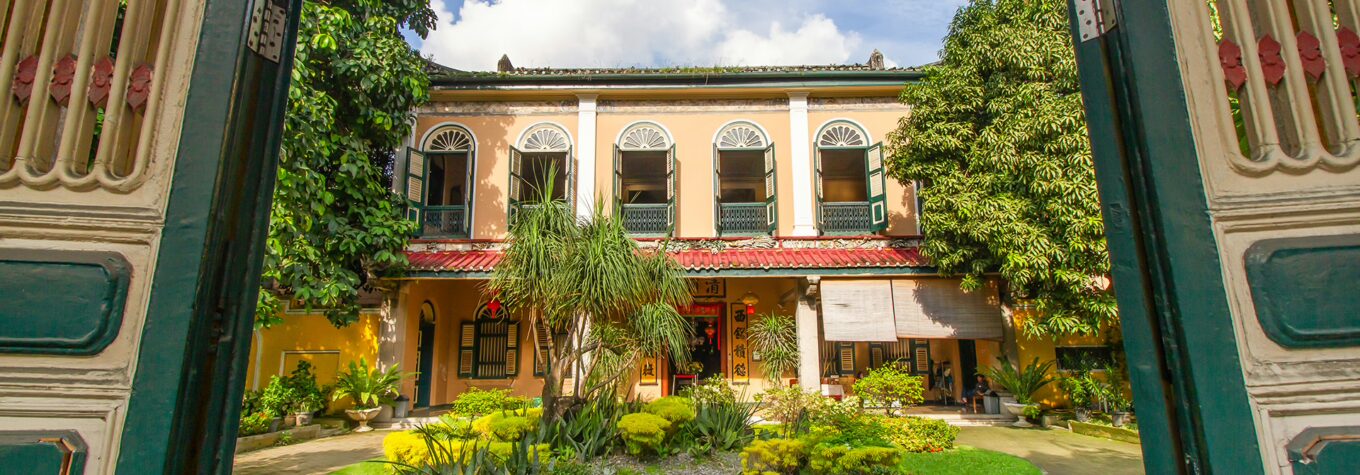
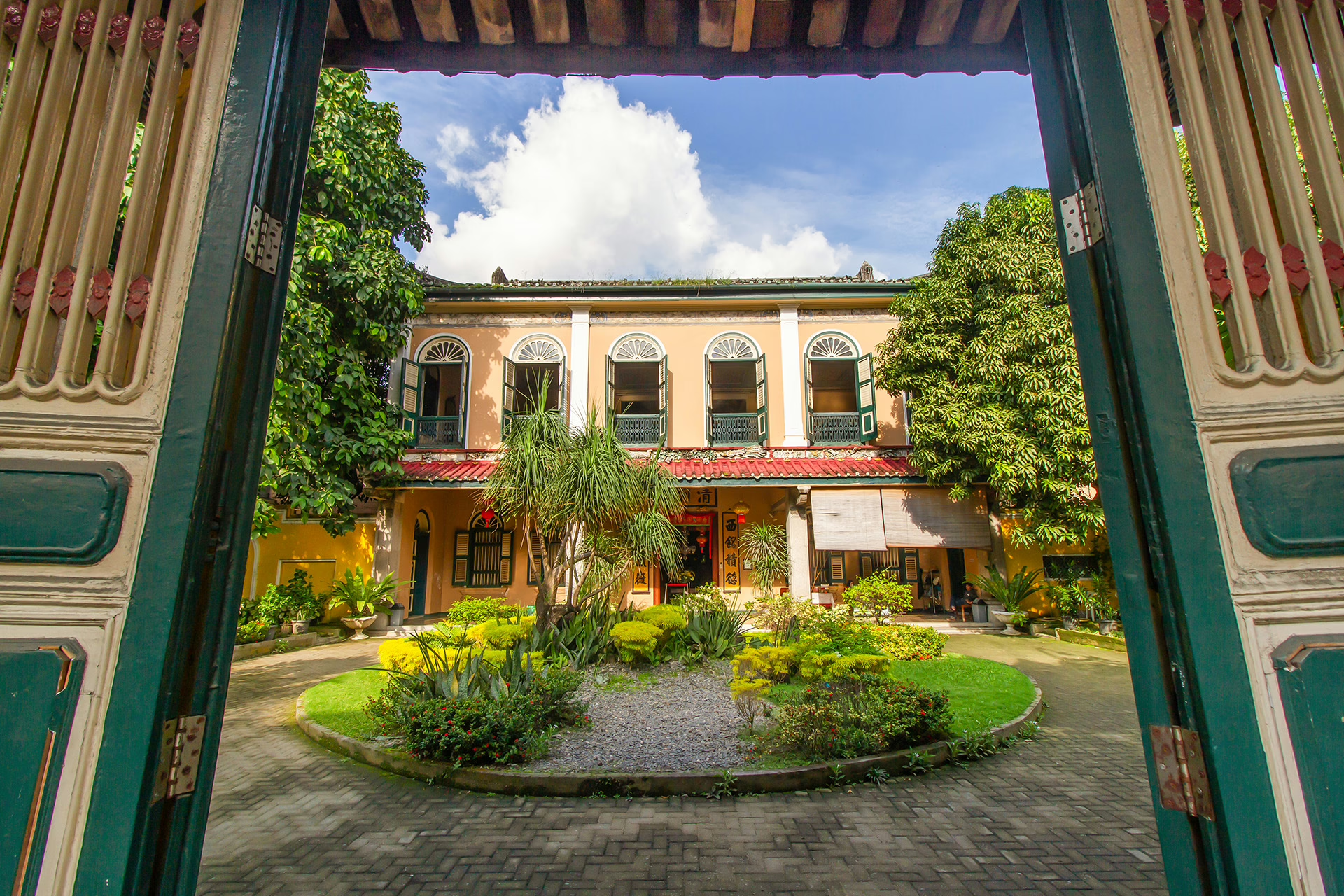
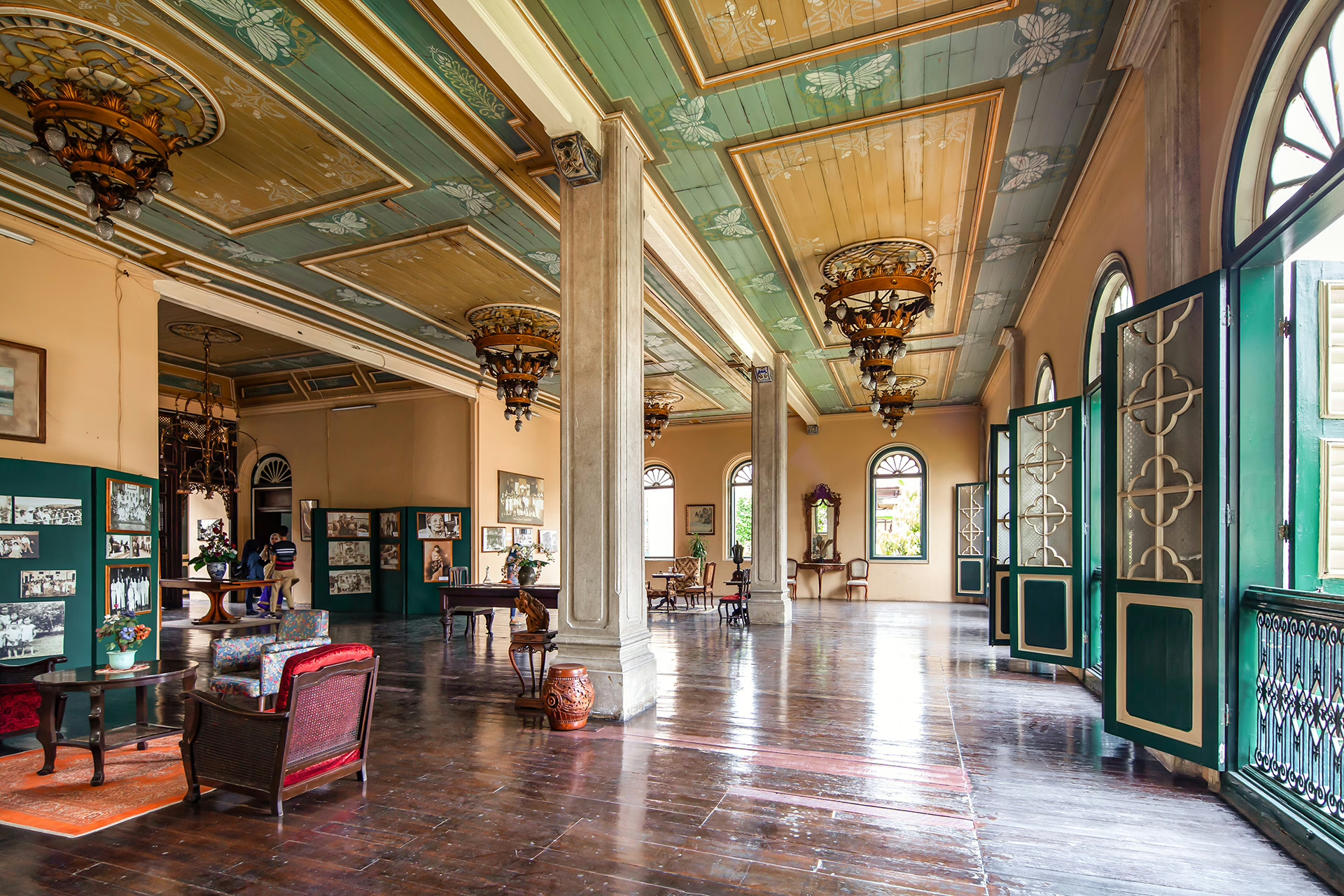
Morning. Begin in Kesawan, Medan’s historic district, where the past lingers in crumbling shophouses and grand colonial façades. At its heart stands Tjong A Fie Mansion (105 Jl Jend Ahmad Yani; tjongafiemansion.org), a former home of the Hakka merchant who helped shape Medan in the early 20th century. His legacy of philanthropy, trade and cultural diplomacy is etched into the teak staircases and stained-glass windows.
Step outside and cross the street to Tip Top Restaurant (92A-B Jl Jend Ahmad Yani; tiptop-medan.com), a colonial-era institution that has barely changed since the 1930s. Dutch planters once lingered over coffee here, and today locals still come for buttery spekkoek (layer cake) and nasi goreng special. The tiled floors, revolving cake display and attentive service make it feel like a time capsule.
Afternoon. To understand Medan, head to its markets. At Pasar Petisah (3 Jl Kota Baru), traders sell everything from batik to bowls of chilli paste so fiery they sting the air. Try soto Medan, a coconut milk soup bright with turmeric and spiced with nutmeg, served with beef or chicken – a reminder that Sumatra once anchored the global spice trade.
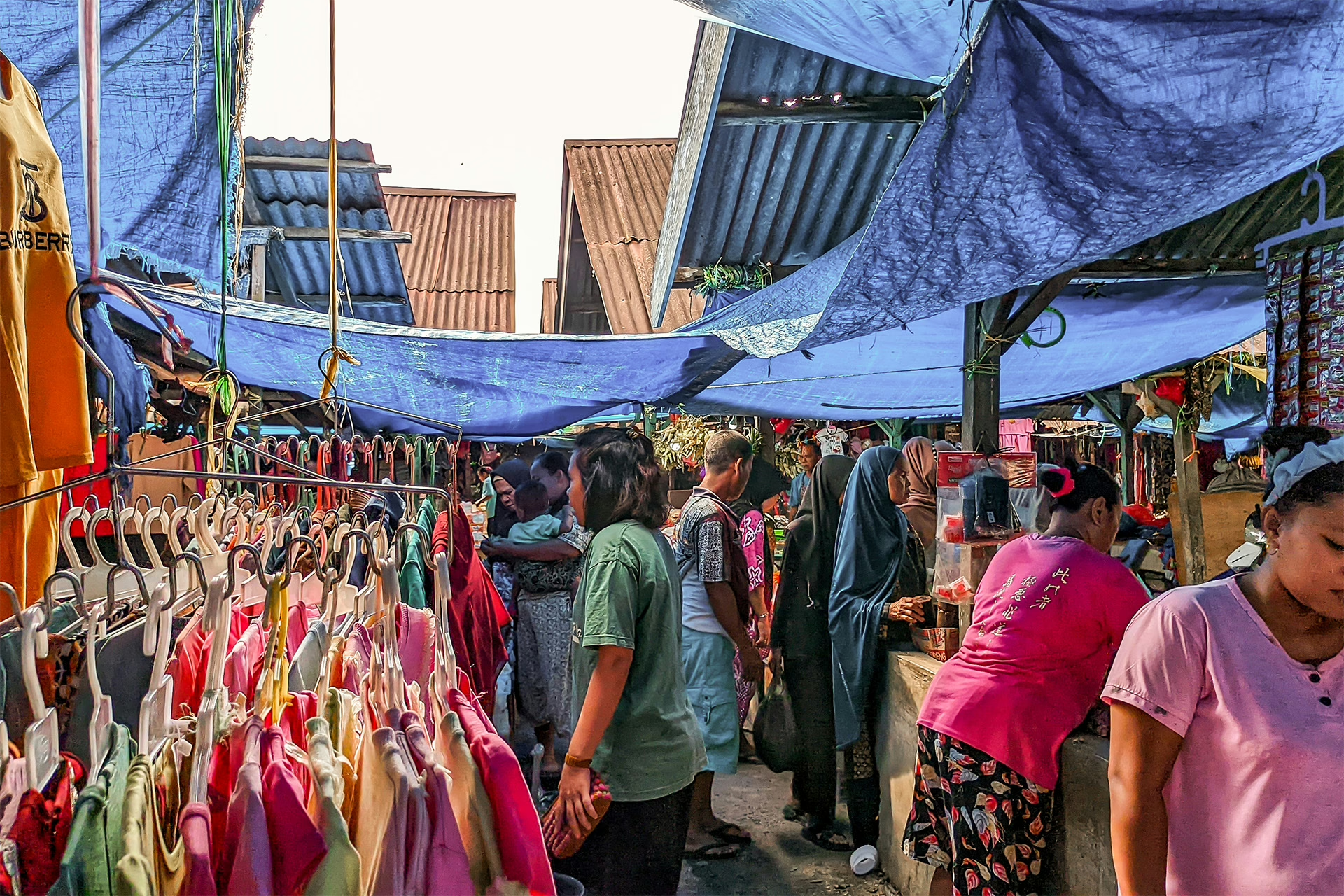
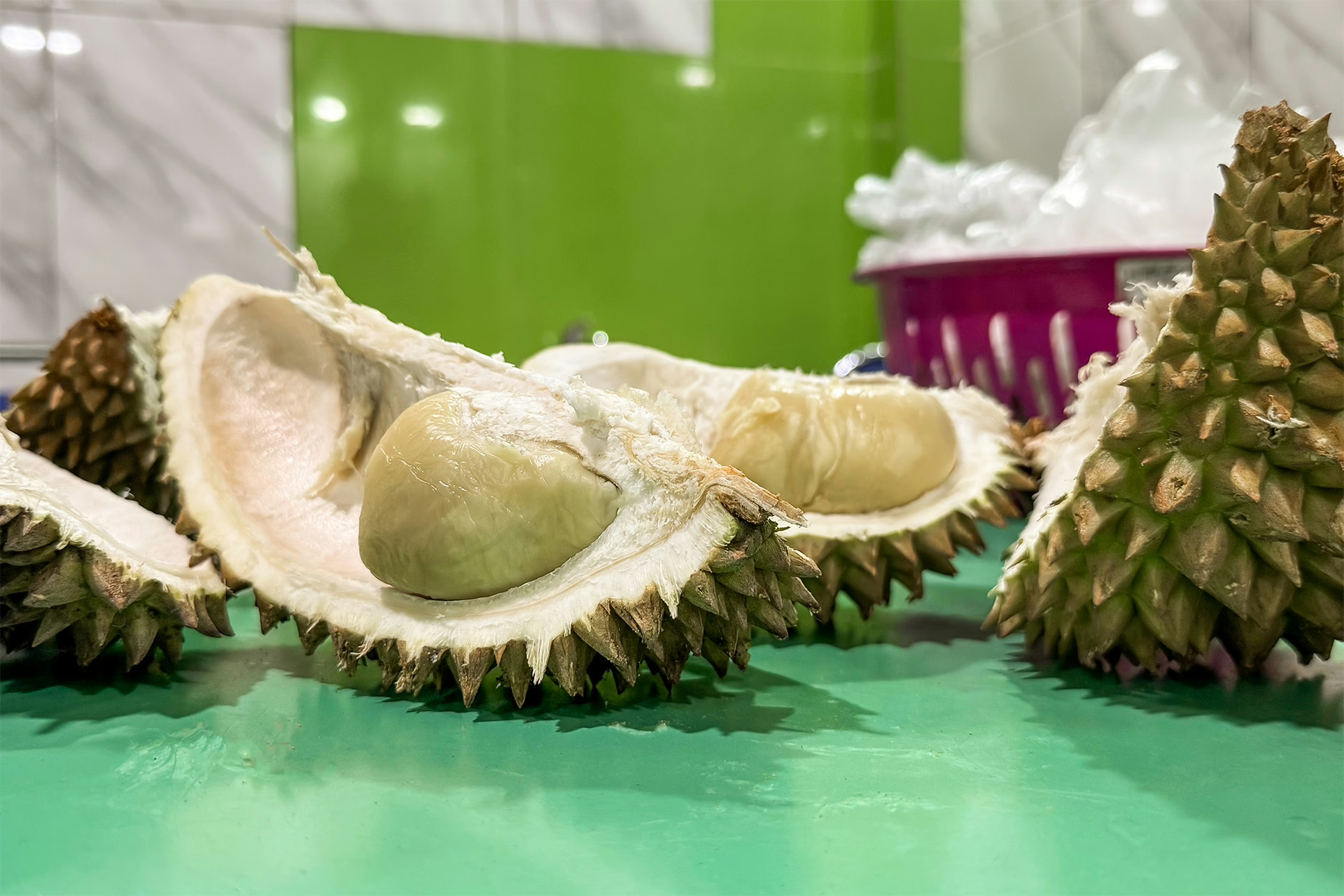
Stroll towards Pajak Sukaramai (Jl Arief Rahman Hakim), where rows of tropical fruits gleam like jewels: rambutan, mangosteen, salak and the notorious durian. Medan takes pride in its durian – creamier and sweeter than its rivals – and locals will tell you the city smells best in durian season.
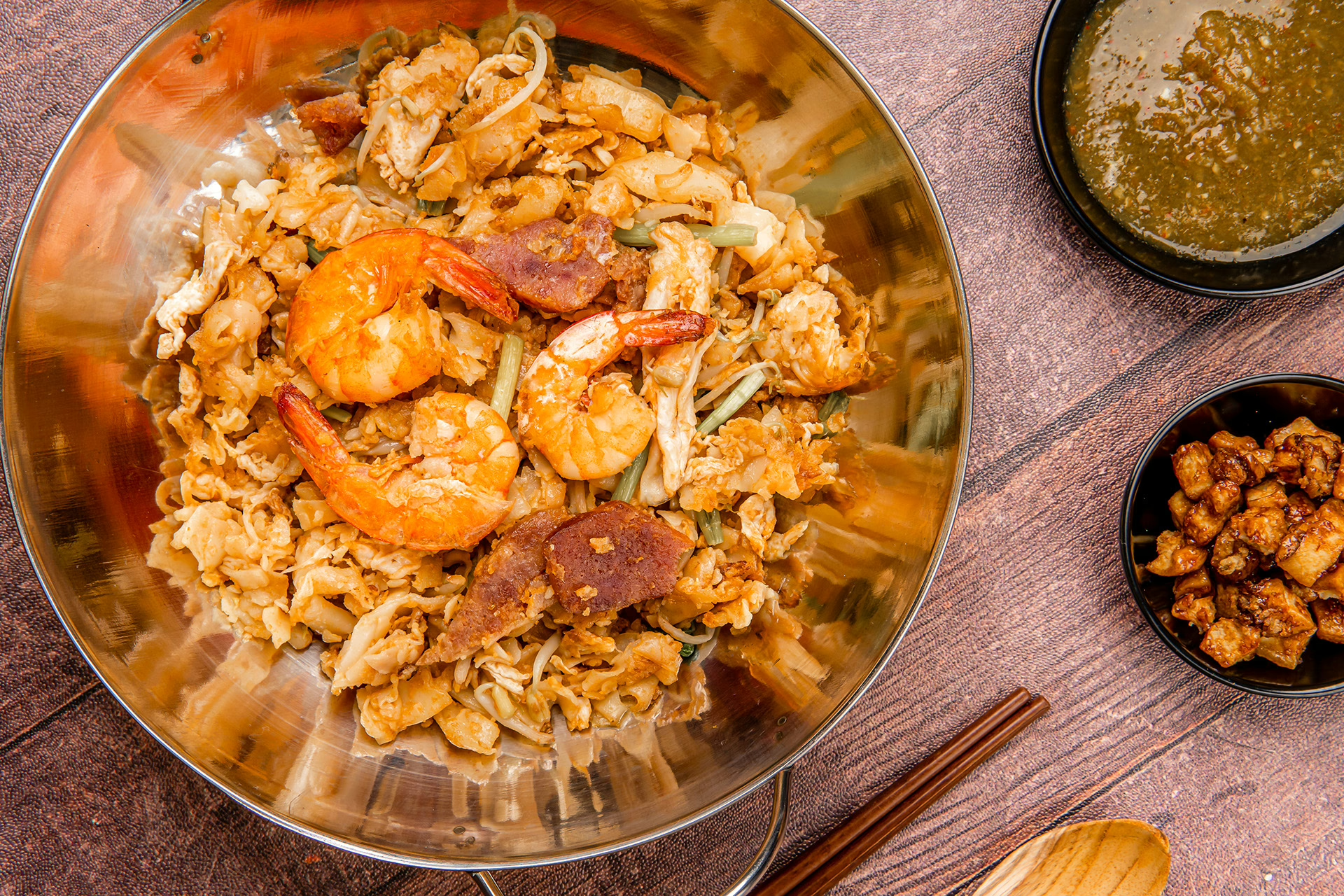
Evening. Medan comes alive after dark at Merdeka Walk (Jl Balai Kota, Kesawan), a bustling food court beneath banyan trees. Order kwetiau goreng (stir-fried flat noodles) with Chinese-Sumatran flair, then follow with martabak mesir, an Indian-influenced pancake stuffed with egg and spiced meat. End with es campur Medan – shaved ice layered with jackfruit, palm fruit, syrup and condensed milk. Chaotic, sweet and unmistakably Medan.
Day 2: Migration on a plate
Morning. Begin with Malay flavours at Rumah Makan Tabona (17 Jl Mangkubumi; tabona.co.id), a Medan favourite famous for its fragrant kari kambing (goat curry) and kari sapi (beef curry). Order them with roti jala, the delicate netted pancakes made for soaking up curry. This dish captures centuries of trade – Indian spices folded into Malay kitchens, becoming something uniquely Medanese. Over this humble yet historic breakfast, you begin to understand why Medan is called the Kitchen of Asia.
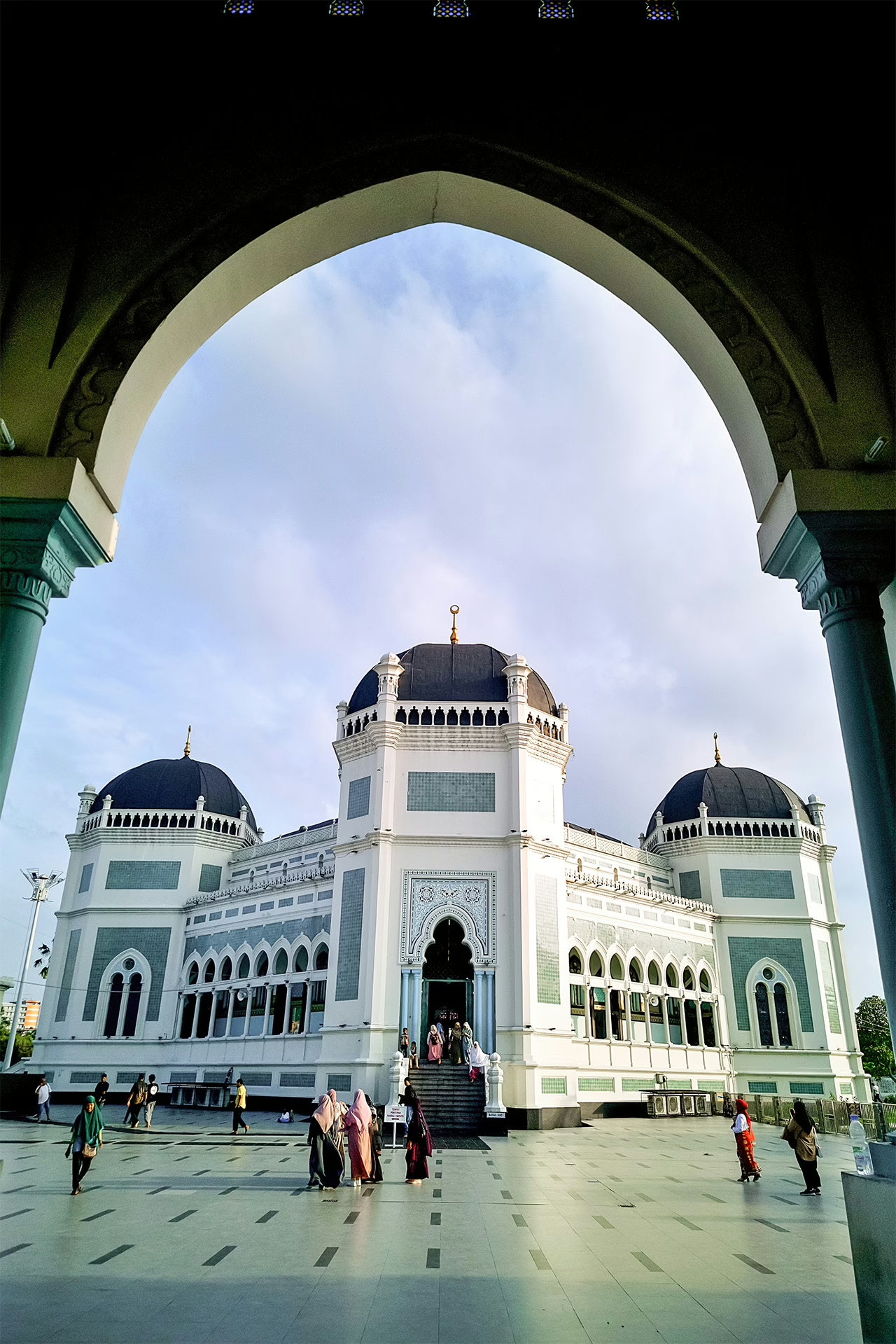
Walk off breakfast at the Great Mosque of Medan, also known as Masjid Raya Al-Mashun (Jl Sisingamangaraja), built in 1906. Its domes blend Moroccan, Indian and Malay styles, just as Medan itself blends diverse influences. Nearby stands the Maimun Palace, a relic of the Deli Sultanate, where golden halls recall the days when Malay sultans ruled this port city.
Afternoon. For lunch, surrender to the abundance of nasi Padang at Garuda Restaurant (8 Jl Gajah Mada; restorangaruda.com). The ritual is almost theatrical: waiters place plates onto the table until it overflows – spicy rendang sapi, chilli-laced ayam pop, tangy jackfruit curry and crisp cassava leaves. The communal style of dining, with countless small plates, reflects both Padang’s Minangkabau roots and Medan’s appetite for plenty.
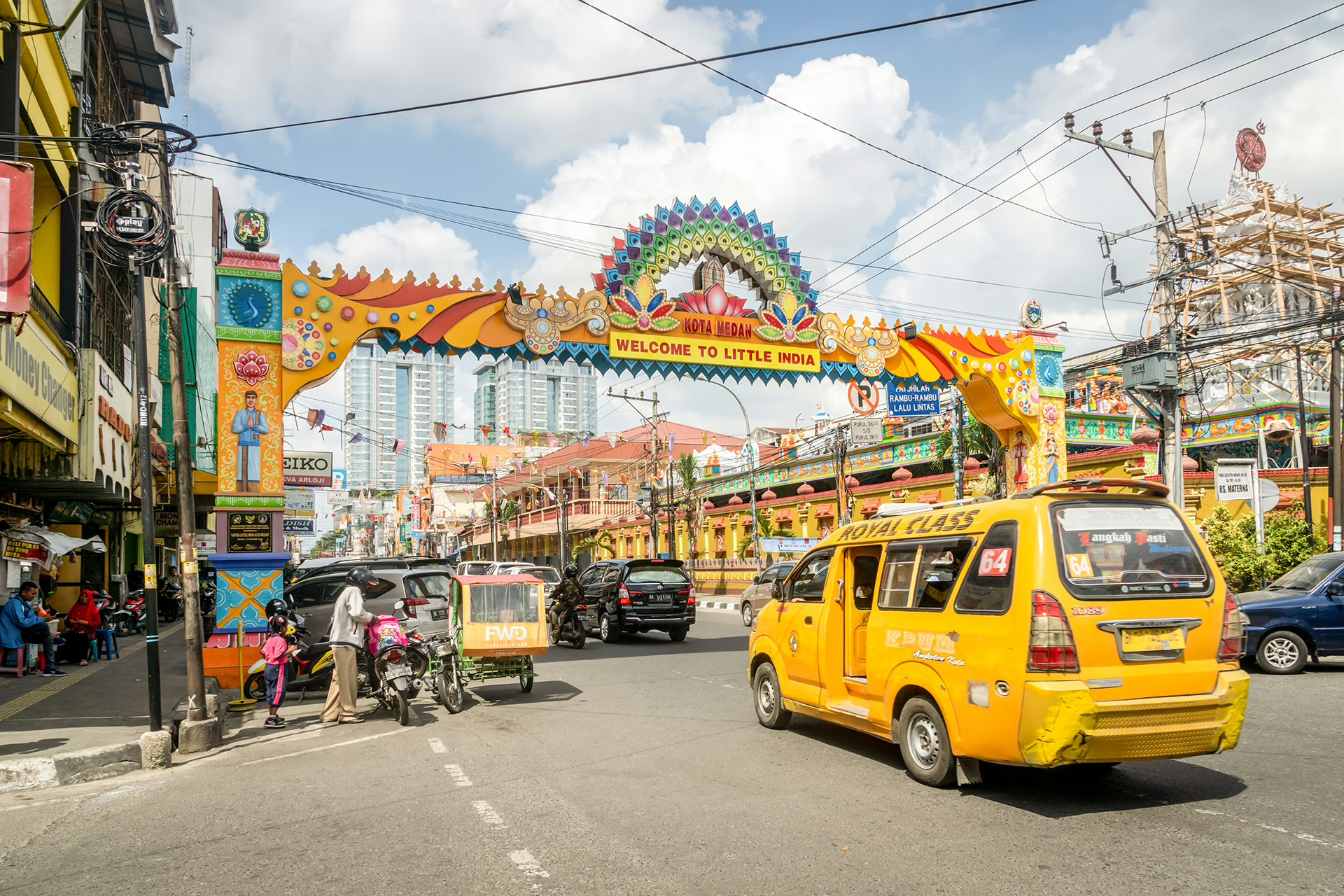
Next, head to Kampung Madras (Jl KH Zainul Arifin), Medan’s Little India. Here the air is fragrant with curry leaves and cardamom. South Indian traders and Tamil workers who arrived a century ago left their mark in temples, sari shops and spice stalls. Sip teh tarik (pulled tea) at a streetside stall and nibble on fritters – banana or lentil dipped in chickpea batter.
Evening. Dinner belongs to Batak flavours. At Rumah Makan BPK Horas (Jl Medan-Pematang Siantar), you’ll find dishes that carry the spirit of Lake Toba’s highlands. Try ikan arsik – golden carp simmered with torch ginger, turmeric and andaliman, the Batak pepper that tingles like Sichuan. Pair it with the vegetarian-friendly daun ubi tumbuk, pounded cassava leaves with chilli. Bold and earthy, Batak cuisine invokes volcanic soil and a fierce spirit.
Day 3: Colonial legacies, modern voices
Morning. Start with a strong cup of kopi tubruk (hot water poured over ground coffee without filtering) at Kedai Kopi Ong (83a Jl Tangguk Bongkar), a humble Chinese coffeehouse where regulars have gathered for decades. Pair it with bakpao (steamed Chinese buns) or cheong fun (rice noodle rolls) to taste the enduring influence of Medan’s Chinese community.
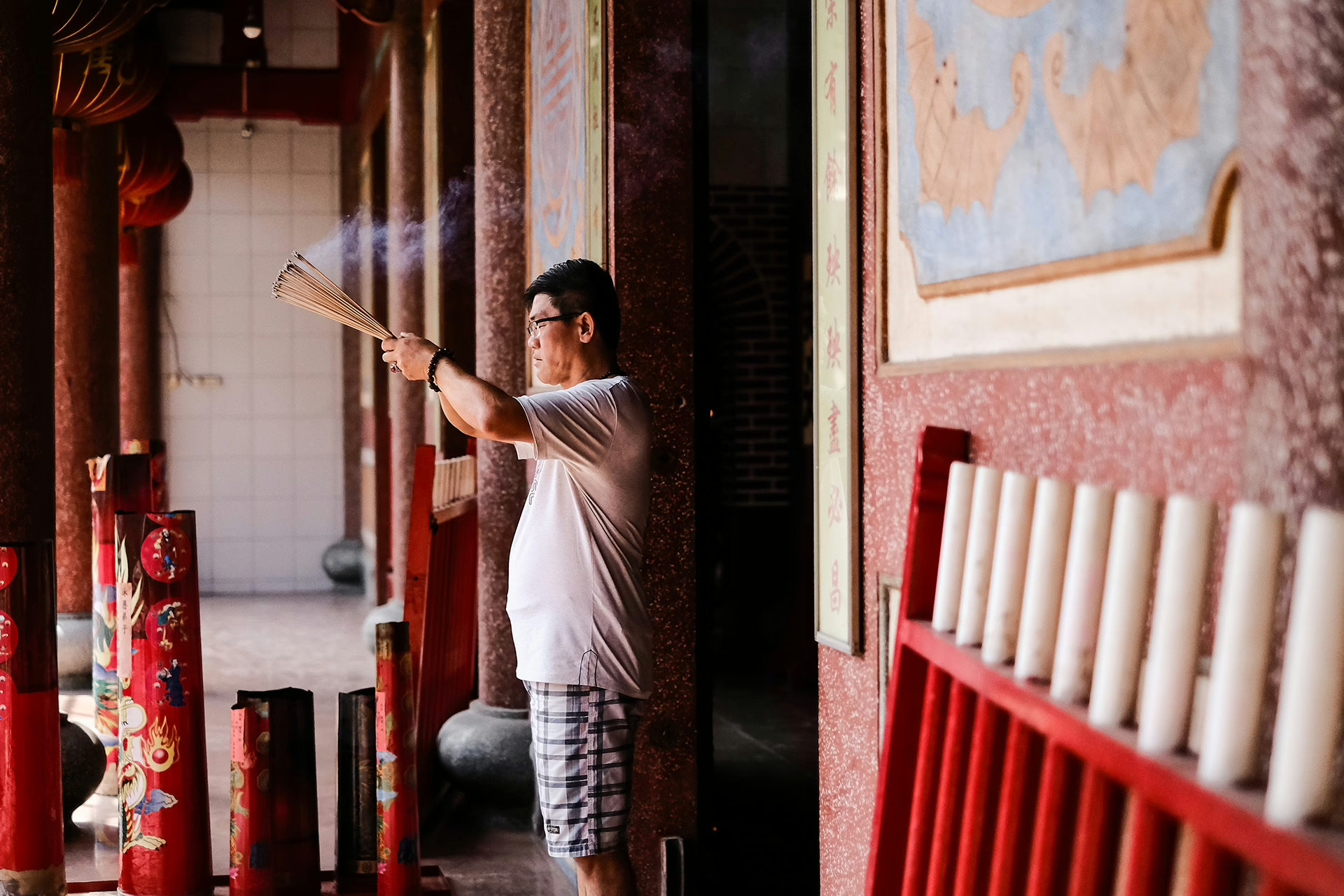
Then head to Vihara Gunung Timur (16 Jl Hang Tuah), Southeast Asia’s largest Taoist temple, where incense coils toward painted dragons. The temple reflects the deep roots of Medan’s Chinese diaspora, whose kitchens gave the city dumplings, noodles and herbal broths.
Afternoon. Medan’s sweet tooth has its own history. Don’t miss Bika Ambon Zulaikha (Jl Gagak Hitam), a honeycomb-textured cake that was perfected here. Another classic is lapis legit, a thousand-layer cake of Dutch origin, baked for colonial elites but now embraced by locals. These cakes are more than desserts; they’re edible archives of migration and empire.
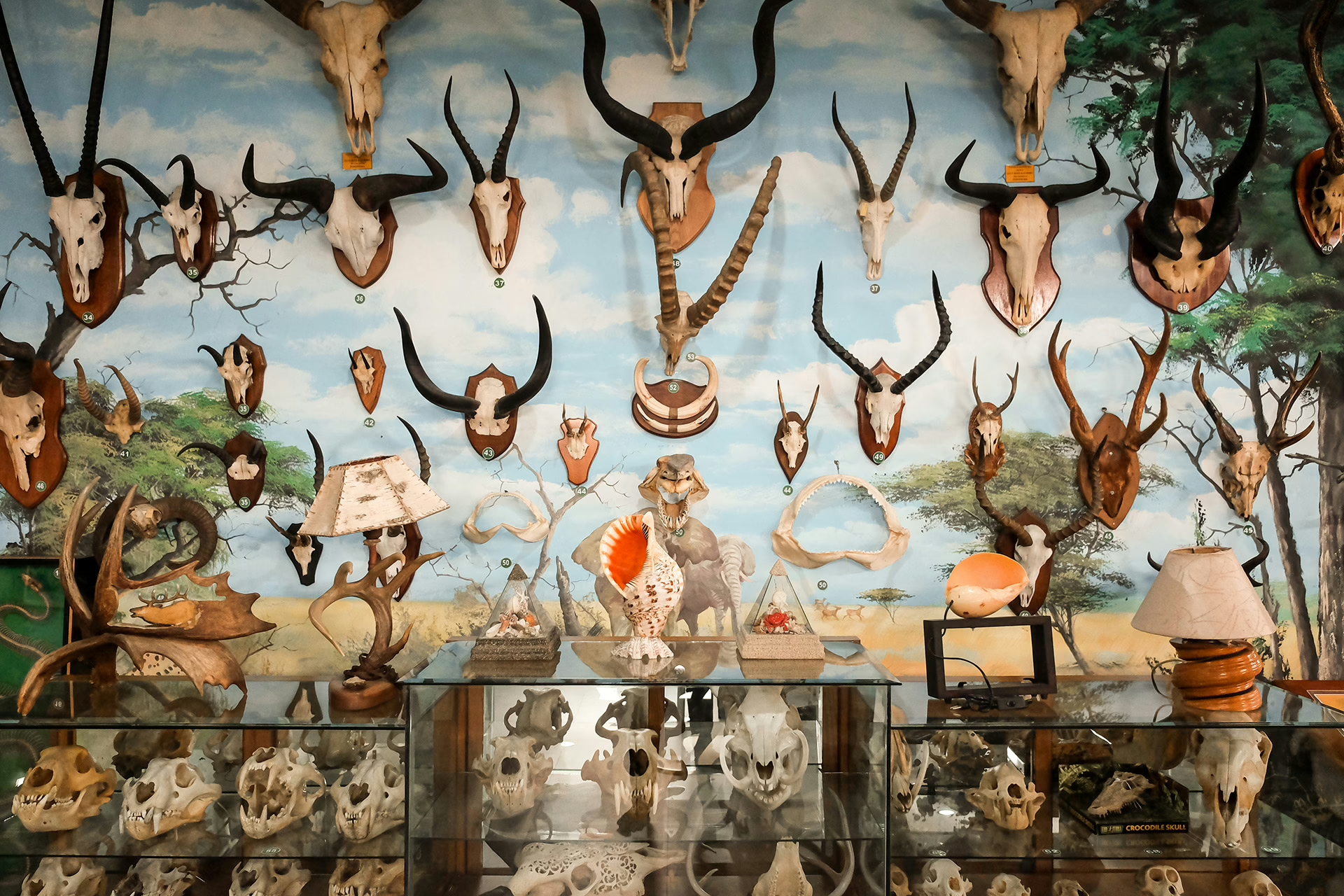
To walk it off, head toward Jalan Zainul Arifin, one of Medan’s busiest thoroughfares. Here, the city’s contrasts come alive: gleaming malls and gold shops sit beside traditional restaurants and decades-old coffee houses, while new cafés and F&B outlets buzz with young crowds. It’s a snapshot of modern Medan – a city constantly reinventing itself while staying rooted in tradition. While there, visit the Rahmat International Wildlife Museum & Gallery (309 Jl S Parman; rahmatgallery.com), a quirky collection that reflects the city’s eccentric character.
Evening. End your weekend with a feast at Jala Jala Nelayan (30 Jl Gatot Subroto; restoran-nelayan.id), renowned for its seafood and dim sum. Step inside and you’ll find families gathered over round tables, the air filled with the buzz of steaming baskets being opened and plates of fresh dishes arriving in quick succession. There’s no rush here; meals are meant to be shared and savoured. Raise a glass – or a fresh coconut – to toast Medan, a city whose strength lies in blending differences into something communal, and inviting you to taste its soul.
Where to stay in Medan
Hotel Deli River. A serene retreat with Batak-inspired décor and tropical gardens, just outside the heart of Medan. Rooms are housed in three separate cottages, each with its own private veranda. hotel-deliriver.com
Aryaduta Medan. Centrally located with a rooftop pool, ideal for first-time visitors. It features modern rooms with elegant furnishings and a restaurant serving Indonesian and European cuisine. aryaduta.com
JW Marriott Medan. The city’s luxury address with fine dining and panoramic views of Sumatra’s capital. On top of six restaurants, it houses a spa, whirlpool, outdoor pool, hair salon, fitness centre and on-site laundry. marriott.com