Cambodia’s capital teems with intriguing art and architecture, memorable dining and endless shopping. Here’s how to make the most of it
Over the past several years, and throughout the pandemic, Phnom Penh has been rapidly transforming from a low-slung sprawl of shophouse blocks into a cosmopolitan hub of towering buildings housing global retail and hospitality brands. Like all busy urban hubs, it can be overwhelming, but a thoughtful itinerary – a blend of classic attractions, well-established favourites and new must-visits – holds the key to a satisfying weekend in the city.
Friday
Morning. Shopping on the first day of the trip gives you time to scan the scene for what’s available and mull over pricier items. At Psar Thmey, also known as the Central Market (St 142), housed beneath a photogenic Art Deco dome built in the 1930s, you’ll find a tumble of affordable goods, including Cambodia’s must-buy pantry essentials: black, red and white pepper from Kampot; coffee grown in the eastern highlands of Mondulkiri; and wild honey from Siem Reap and Kampong Thom.
Afternoon. Stroll down Street 240, lined with some of the city’s finest independent boutiques for artisan-made crafts. Begin at The Weaver’s Tale (29 Oknha Chhun St 240; @the_weavers_tale) for legitimately fair-trade pieces from social enterprises such as Fair Weave (fairweave.com), makers of handloomed blankets, scarves and kimonos. Among the best items to take home or give as gifts are the colourful, handwoven bags and mats by Maya Handicrafts (@mayahandicraftscambodia), jewellery made from bullet casings by Ammo (ammojewellery.com) and knitted toys by Cambodia Knits (cambodiaknits.com).
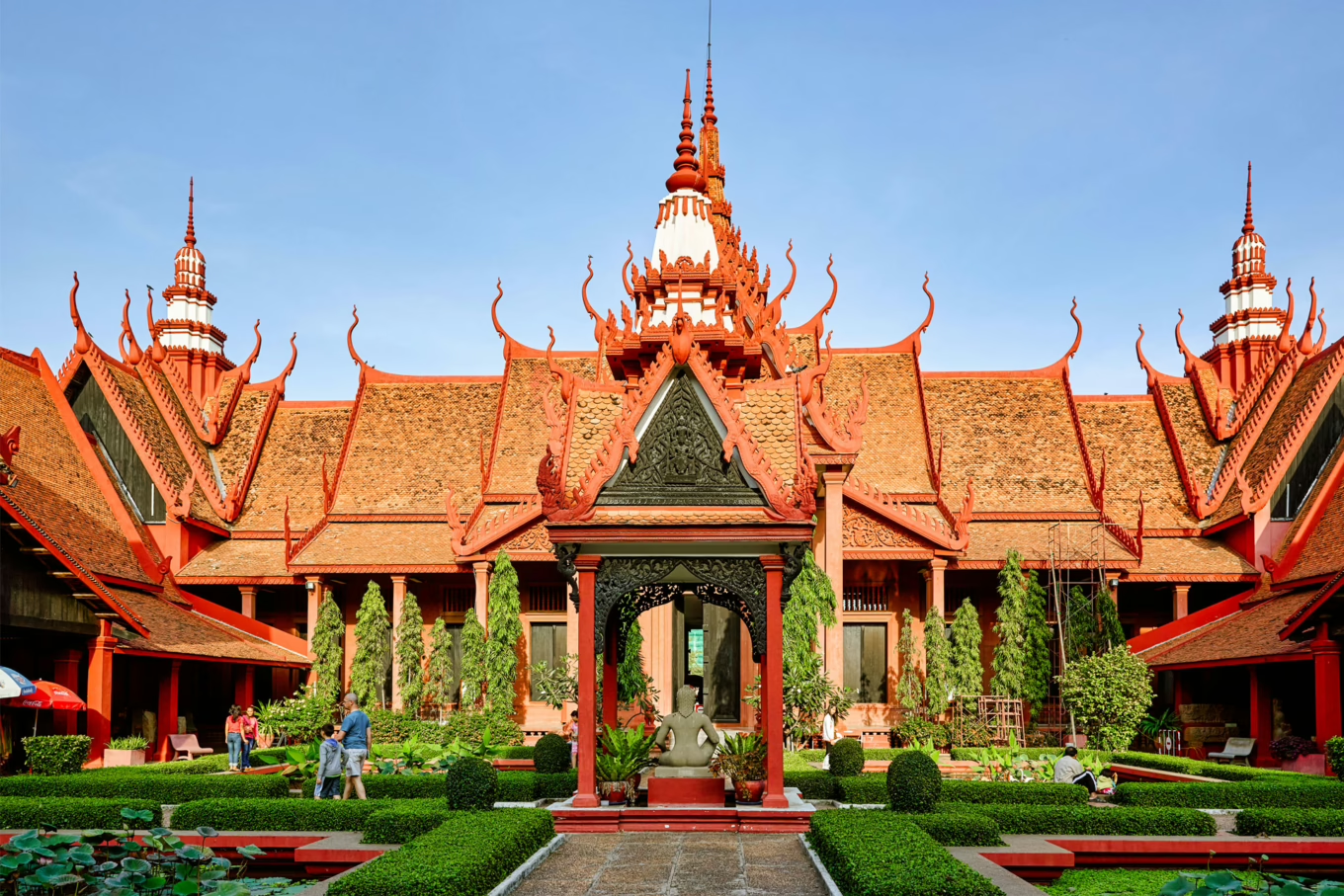
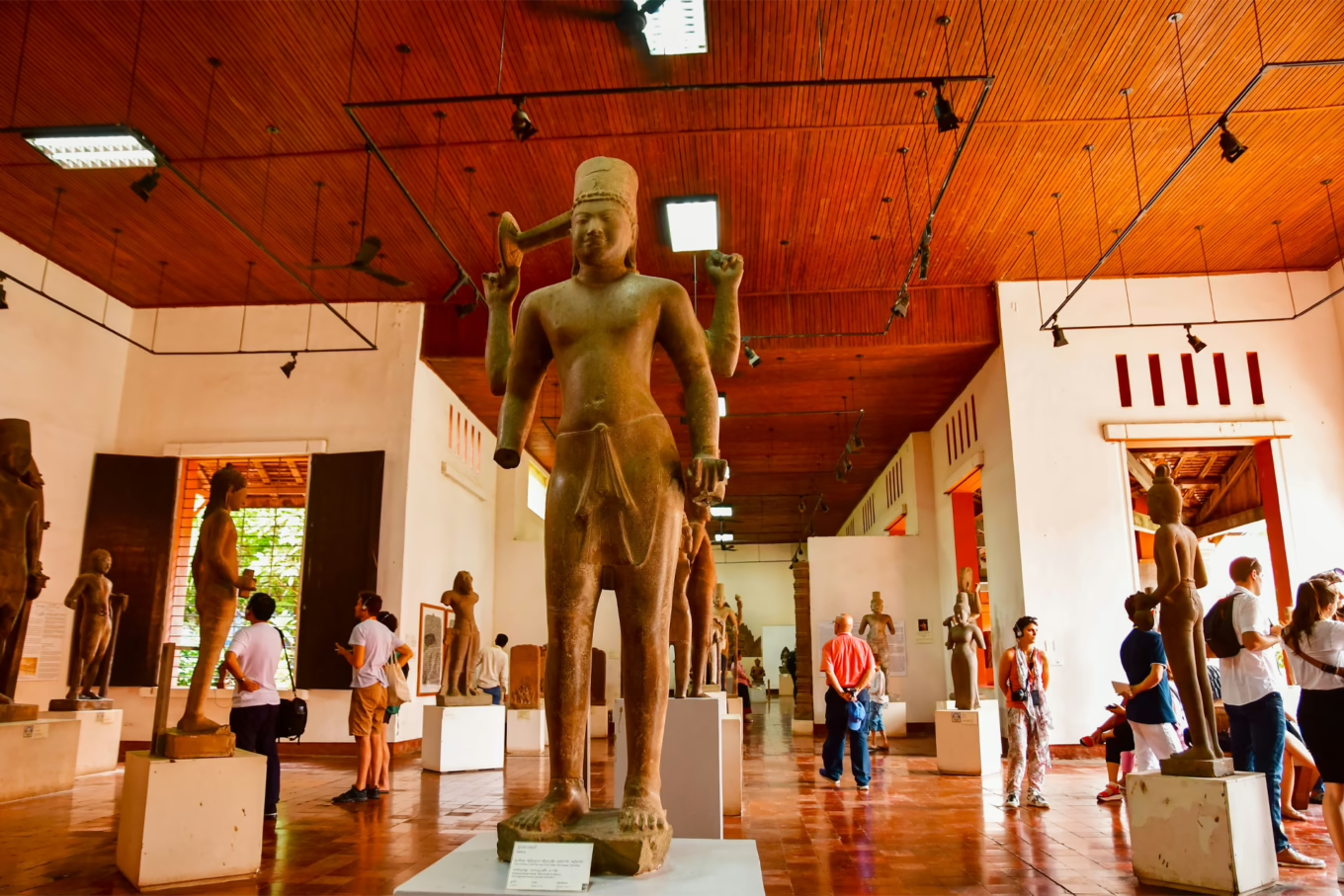
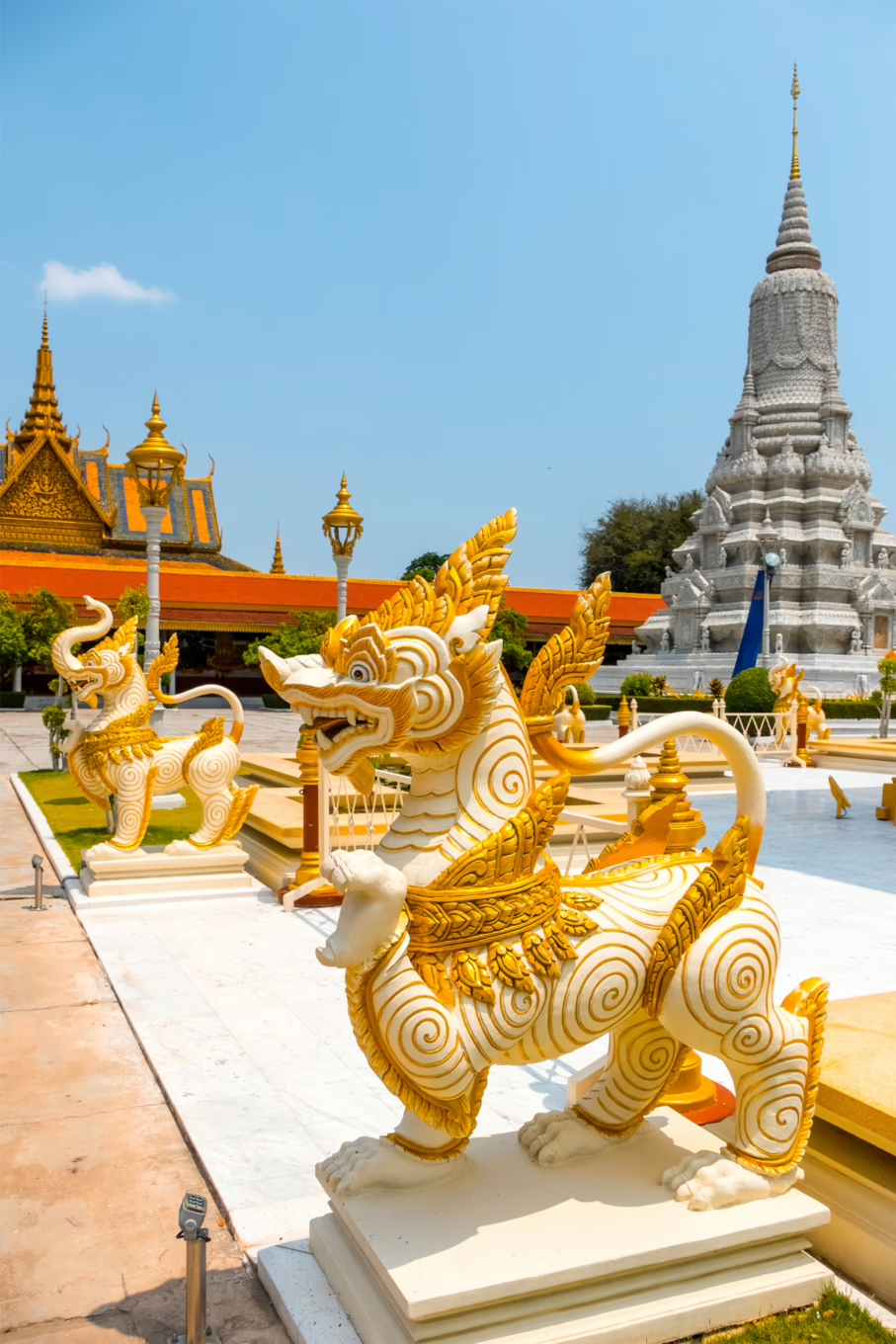
While in the Chakto Mukh neighbourhood, pop into the National Museum (Preah Ang Eng St 13; cambodiamuseum.info), a russet-hued, temple-inspired building housing one of the largest collections of Khmer artefacts. Beside it, the Royal Palace, King Norodom Sihamoni’s official residence, offers limited access, with only the Silver Pagoda’s Throne Hall – used for ceremonial events – open to visitors.
Evening. Few sunset viewing spots offer the same panoramic sweep as Sora (Vattanac Capital Tower, Preah Monivong Blvd; @sora_phnompenh), Rosewood Phnom Penh’s 37th-floor sky bar. Through its glass walls, you can watch the Tonle Sap and Bassac rivers merge with the mighty Mekong, Southeast Asia’s longest river.
Prefer something more low-key? Juniper Gin Bar (The Point Hotel, St 130; @juniper_gin_bar) is a classic alternative for sparkling sips, open-air dining and fiery sundowners.
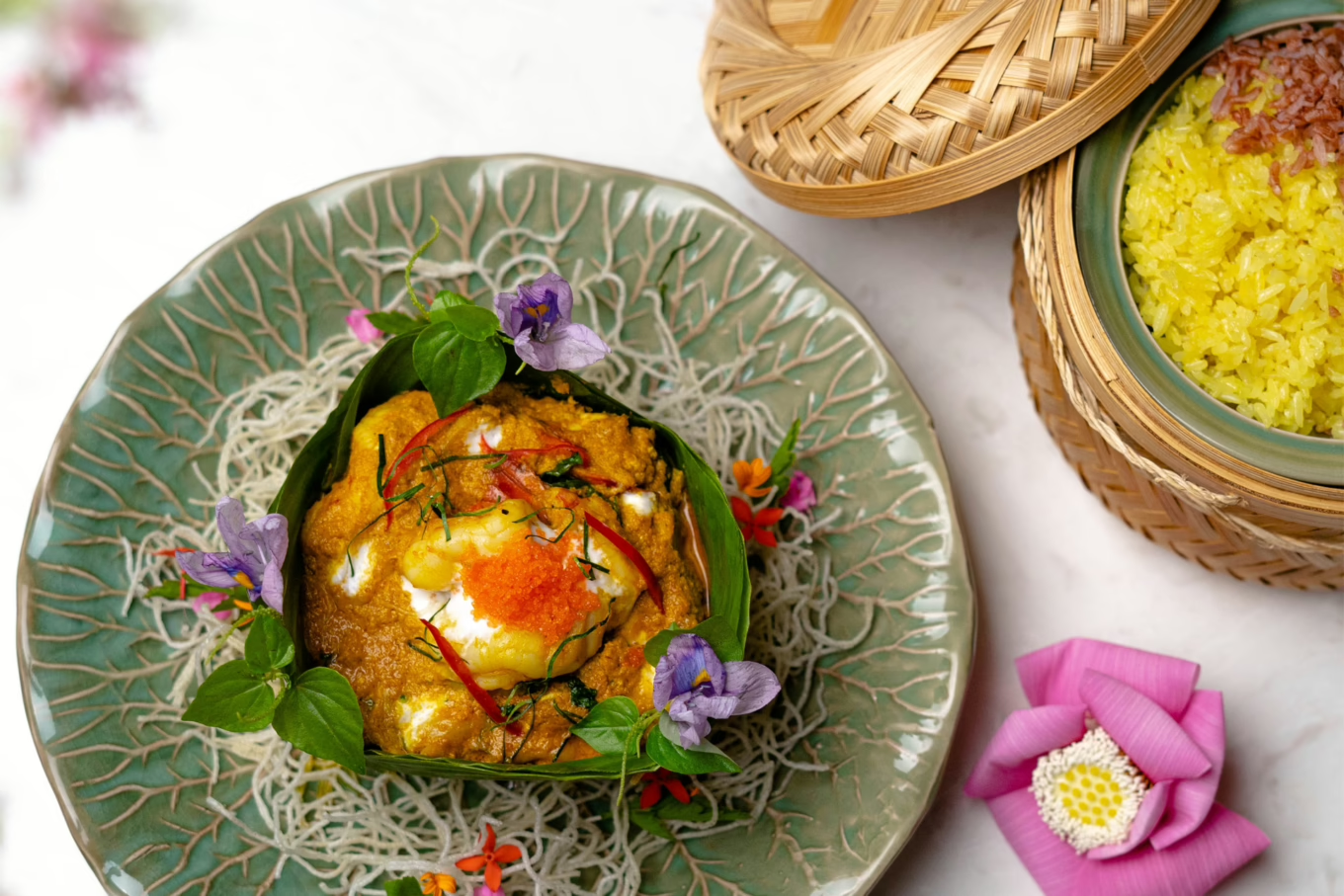
For dinner, celebrate your first day with a multi-course meal at Sombok (1 St 154; sombok.asia), the riverside restaurant helmed by chef Kimsan Pol, one of the talents behind Siem Reap’s much-lauded tasting restaurant Embassy. Expect attentive service, distinctly Cambodian flavours and a lively atmosphere along Sisowath Quay.
Saturday
Morning. Make arts and culture the theme of the day, starting with a leisurely breakfast at the new flagship outlet of Brown Coffee (107 Mao Tse Toung Blvd; browncoffee.com.kh), set in the former home of Vann Molyvann, Cambodia’s most prominent architect and urban planner.
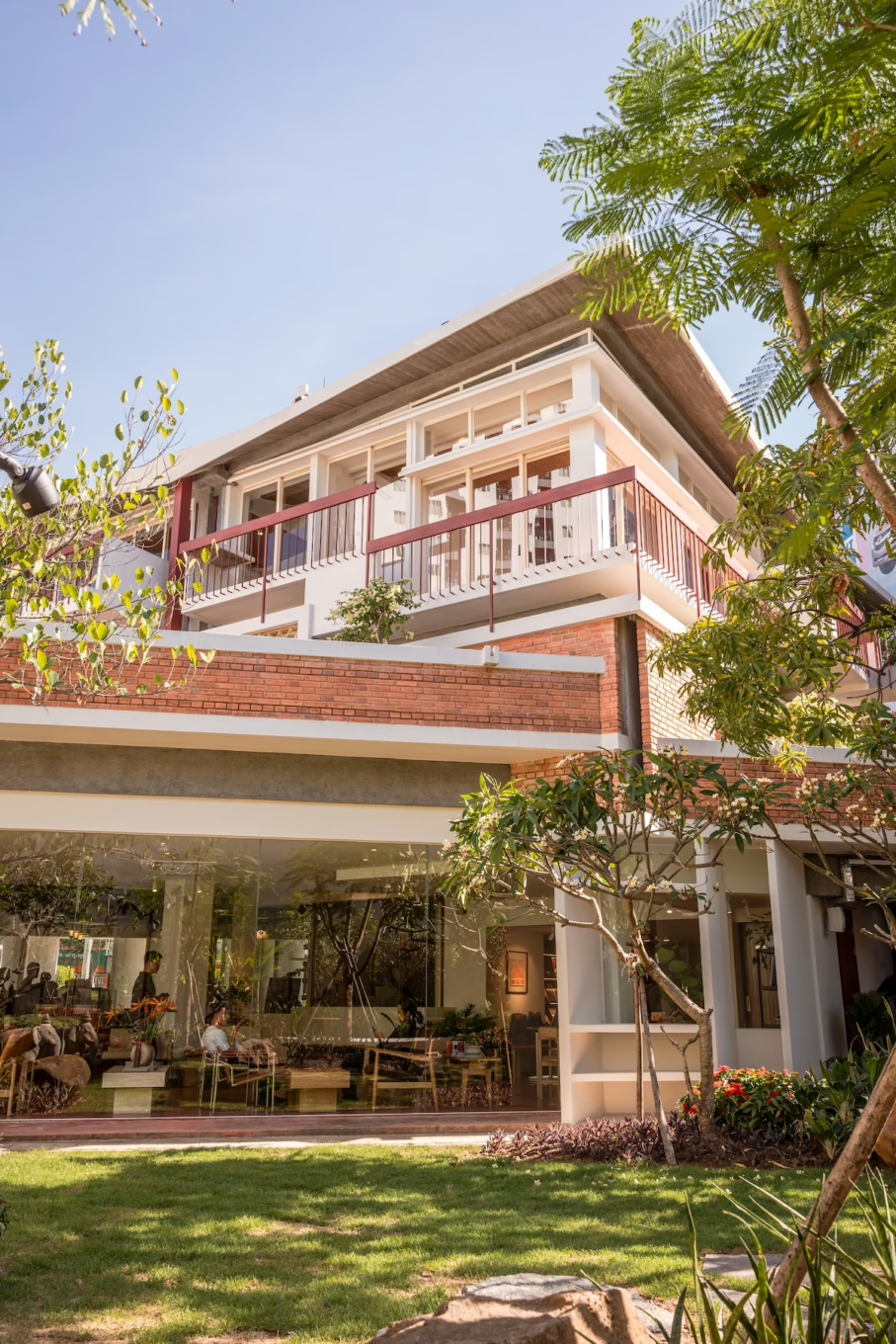
After your meal, explore the upper floors, originally built in 1966 and restored by HKA+Partners. Molyvann, who led the New Khmer Architecture movement of the 1950s and 1960s, was a defining figure of Cambodia’s Golden Age under King Norodom Sihanouk. His restored home offers a glimpse into that era’s thriving music, film and literary scene before the shadow of genocide.
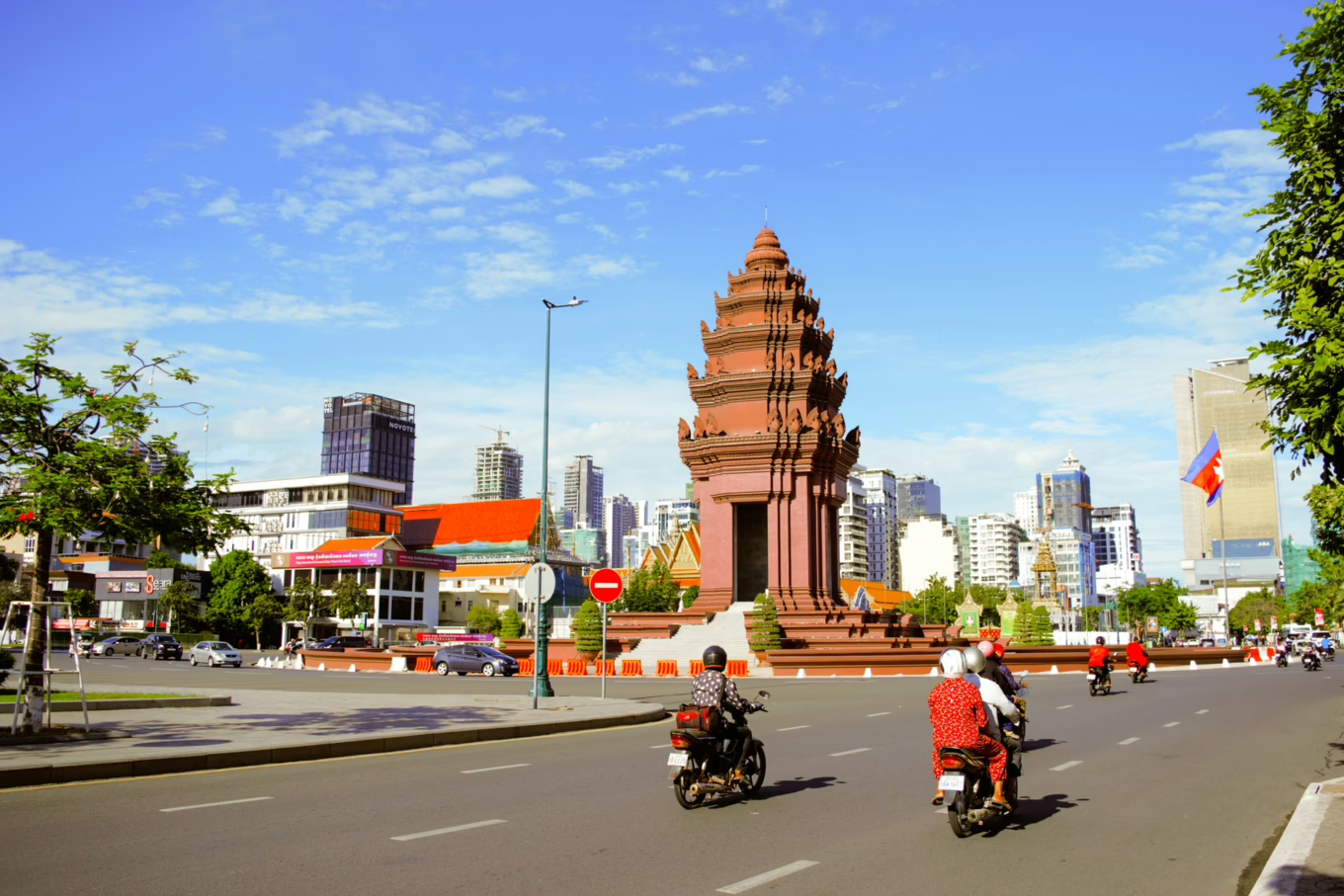
Continue the theme with a guided tuk-tuk tour of Molyvann’s works with Khmer Architecture Tours (fb.com/KhmerArhitectureTours). Led by a local architect, highlights include the Royal University of Phnom Penh, the 100 Houses social housing project and the National Sports Complex (Olympic Stadium). En route, look out for the Independence Monument – a lotus-inspired stupa built in 1958 at the roundabout where Norodom and Sihanouk boulevards meet.
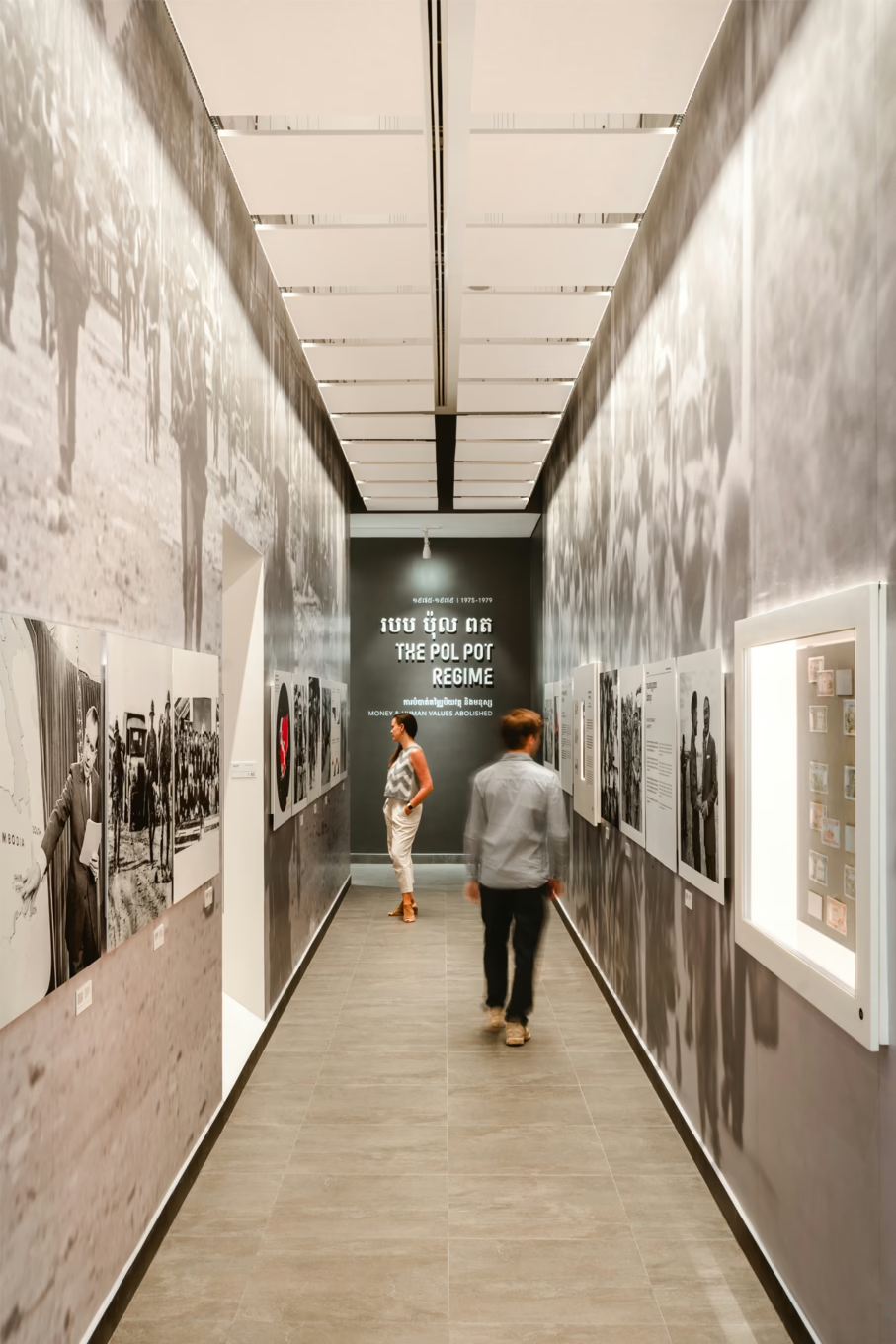
Afternoon. See Cambodia’s history from a different lens at the Sosoro Museum (16 Preah Moha Ksatreiyani Kossamak Ave; sosoro.nbc.gov.kh), which traces 2,000 years of the country’s monetary evolution, from the Funan period and the Khmer Empire to the French Protectorate and the present day.
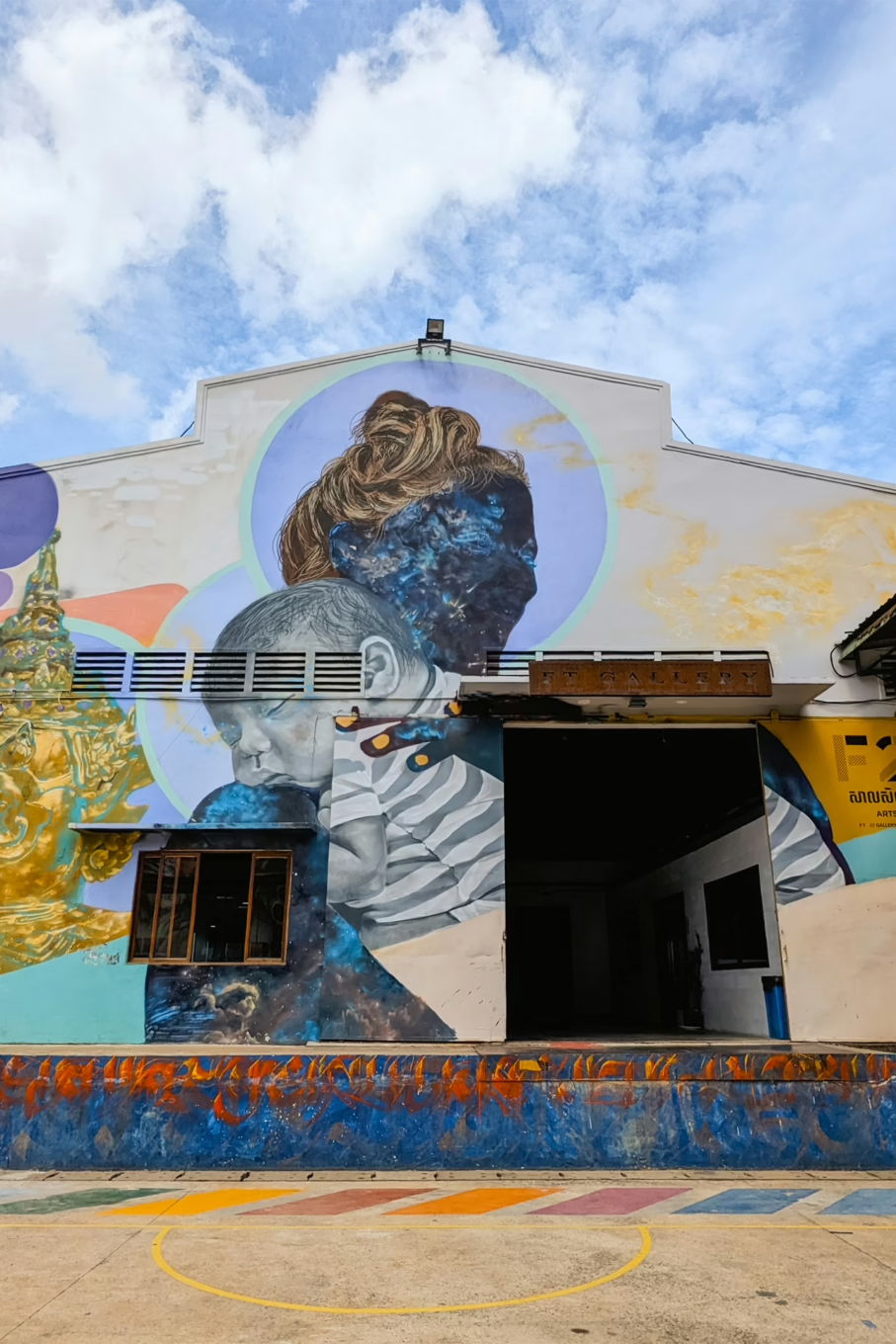
Then head to Factory (1159 National Rd 2, Khan Mean Chey; @factory_phnompenh), a mixed-use complex of tech offices, co-working spaces, art galleries and creative enterprises. It hosts regular weekend markets and one-off events, so check their social channels for what’s on.
Evening. Langka Lane (St 51), an atmospheric alley with a don’t-blink-or-you’ll-miss-it entrance, offers a fine mix of international fare. Try tasty, steaming pho at Bún (@bun.phnompenh), seafood specials such as grilled lobster and baked scallops at Clams (@clams.seafood.club) or modern French cuisine at Le Langka (@le_langka).
Among Phnom Penh’s many Japanese restaurants, Oyakata (54 St 57, BKK 1) shines for its excellent ramen and grilled mackerel.
Sunday
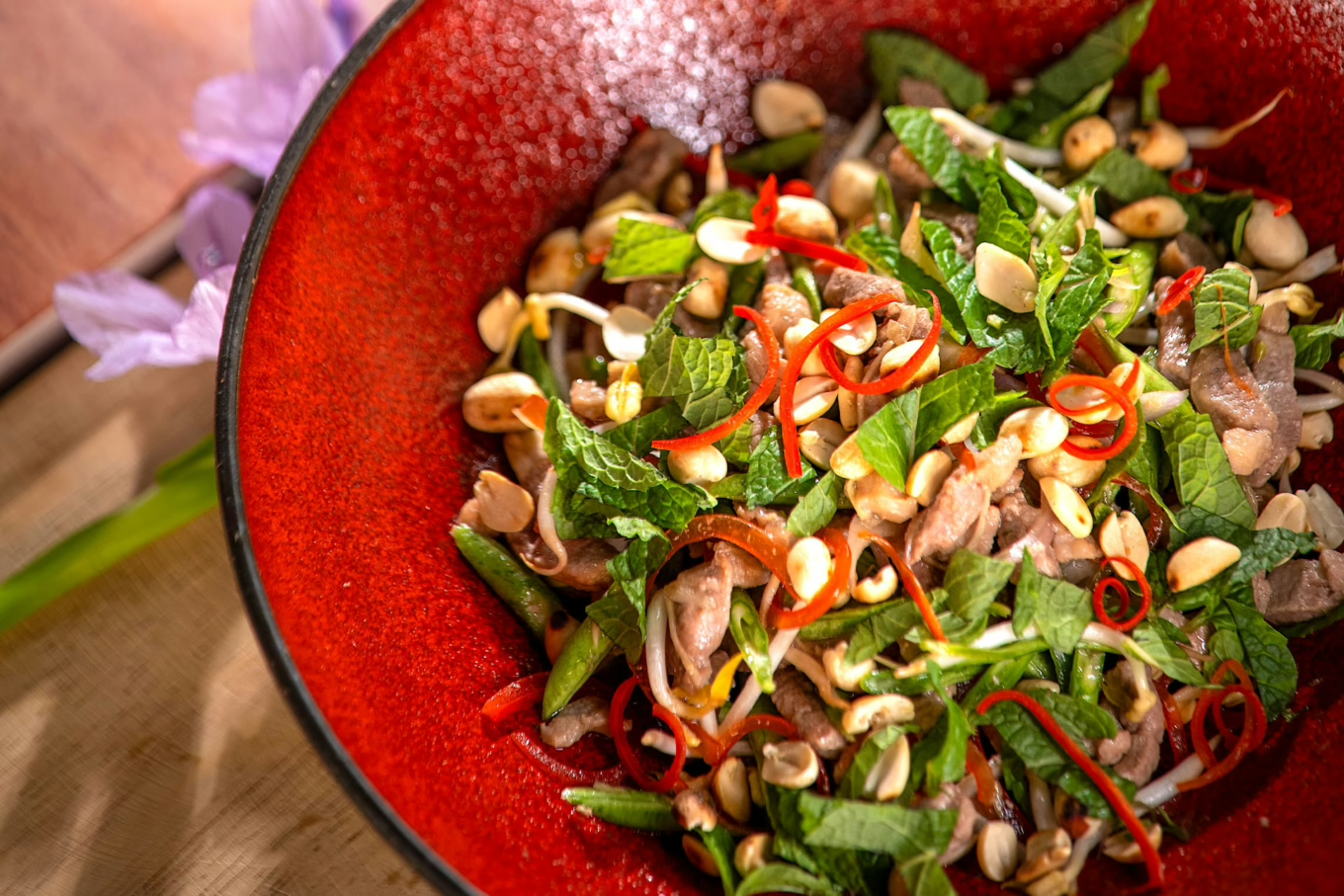
Morning. Have a traditional breakfast of num banh chok (fermented rice noodles in fish curry topped with flowers and vegetables) at Psar Tuol Tompoung (off Monivong and Mao Tse Toung Blvds), nicknamed the Russian Market in the 1980s for its popularity among Russian expats. The market also serves as a landmark for the hip Tuol Tompoung neighbourhood, a residential district peppered with trendy boutiques.
Head across town to one of this year’s hottest openings, Tsutaya (1F, Aeon Mall 1; @tsutayabookstorekh), the Japanese bookstore chain known for its curated mix of books and crafts. Its Phnom Penh outpost in Aeon Mall 1 is a full-fledged lifestyle destination, with a café (serving matcha, of course), a community event space and shelves of Cambodian books and international titles spanning literature, history, art and cookbooks.
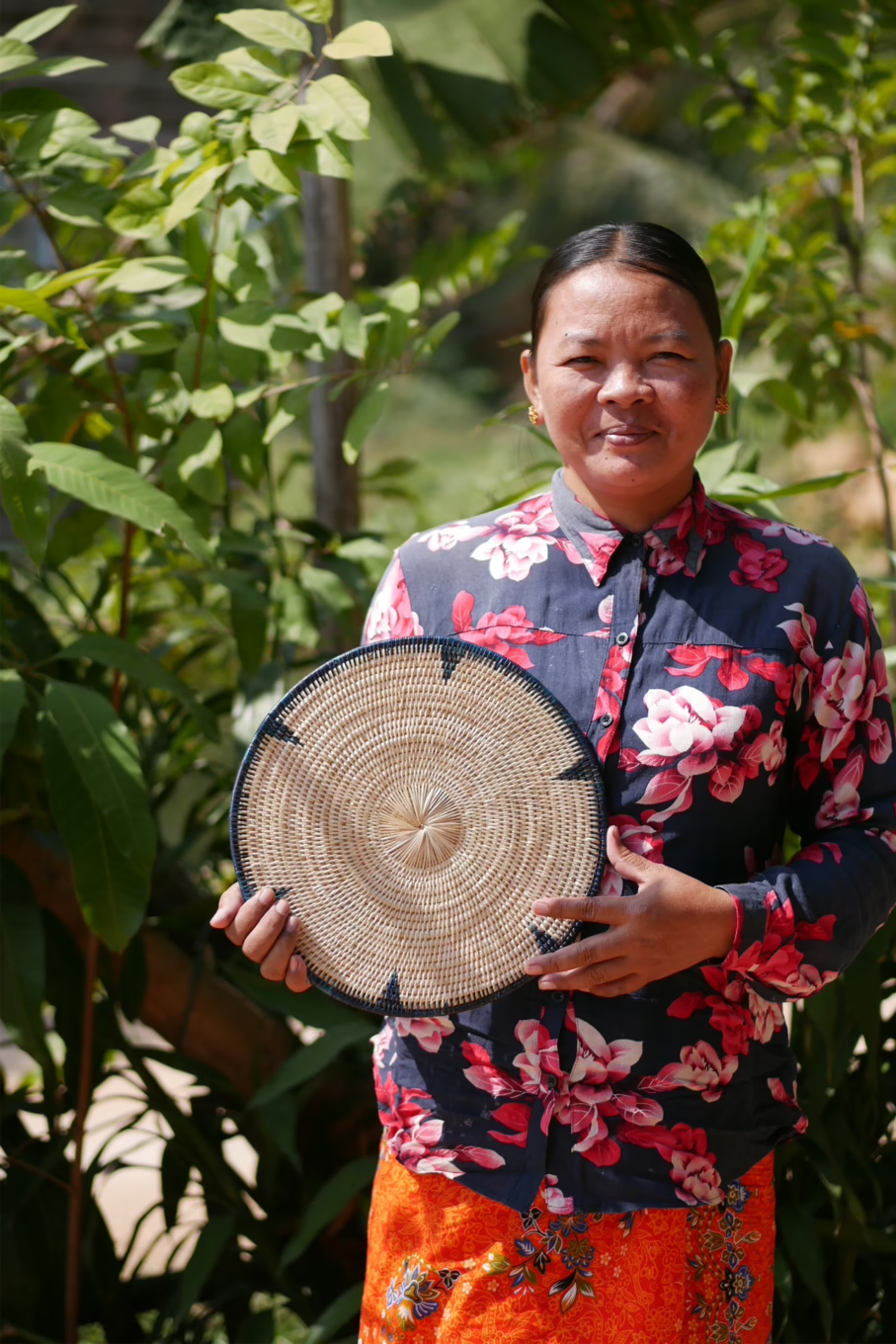
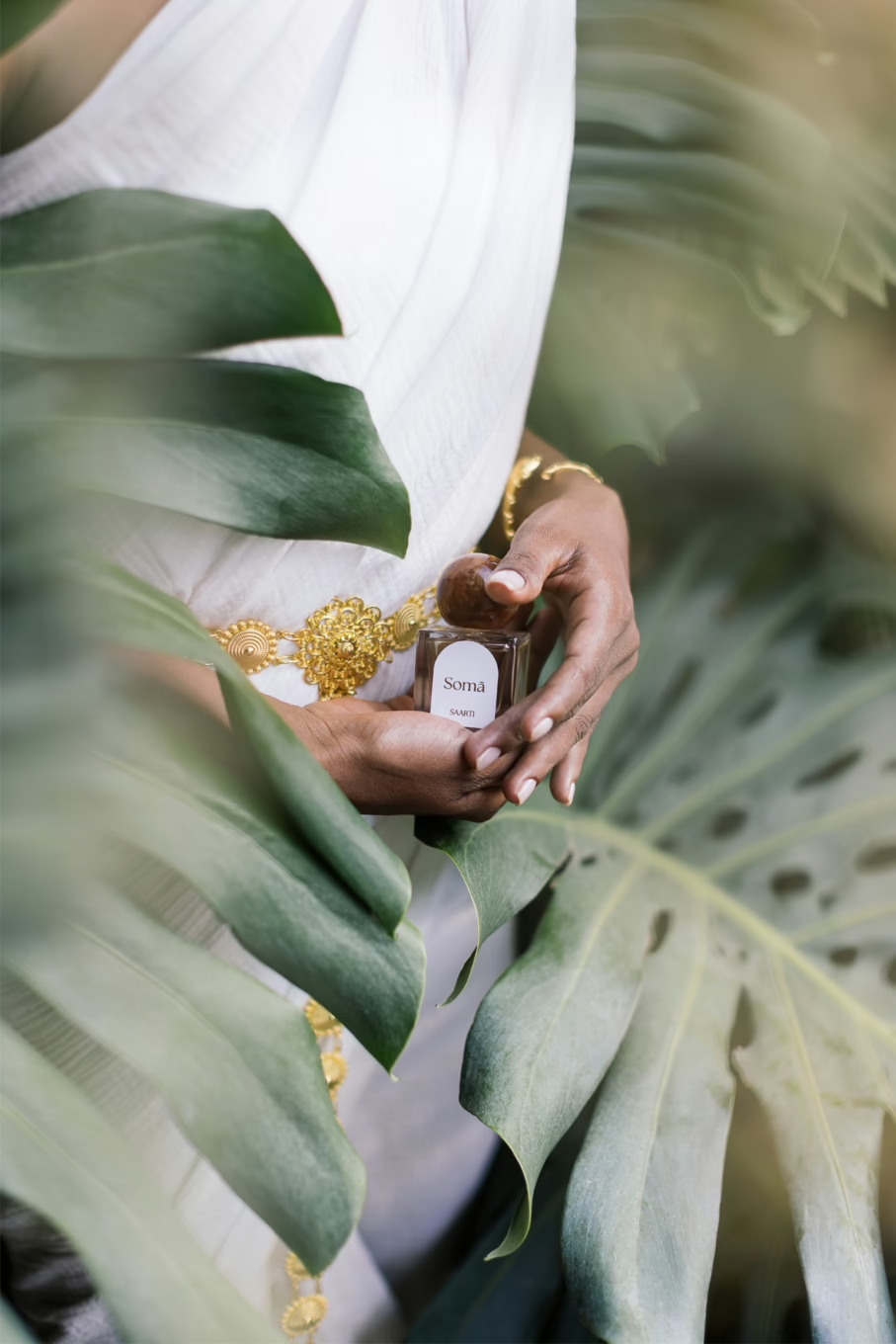
The bookstore also puts the spotlight on some of Cambodia’s finest crafts. Take home rattan baskets by Manava (manava-cambodia.com), a social enterprise employing over 70 women weavers from villages around Siem Reap practising long-held Khmer weaving techniques, or hand-crafted Cambodia-inspired perfumes by independent brand Saarti (saarti-cambodia.com).
Afternoon. No visit to the capital is complete without a meal at Cuisine Wat Damnak (St 228; cuisinewatdamnak.com), housed in a 1950s villa and serving Cambodian flavours prepared with French techniques. Unlike the original Siem Reap restaurant, once listed among Asia’s 50 Best Restaurants, chef Joannès Rivière’s Phnom Penh outpost offers an à la carte lunch, while dinner is served as tasting menus with vegan and vegetarian options.
Work off your midday indulgence with several rounds of pickleball at Pickle Monster (picklemonsterkh.com), which has outdoor courts at Hotel Cambodiana along Sisowath Quay. The best part? The gorgeous sunset backdrop.
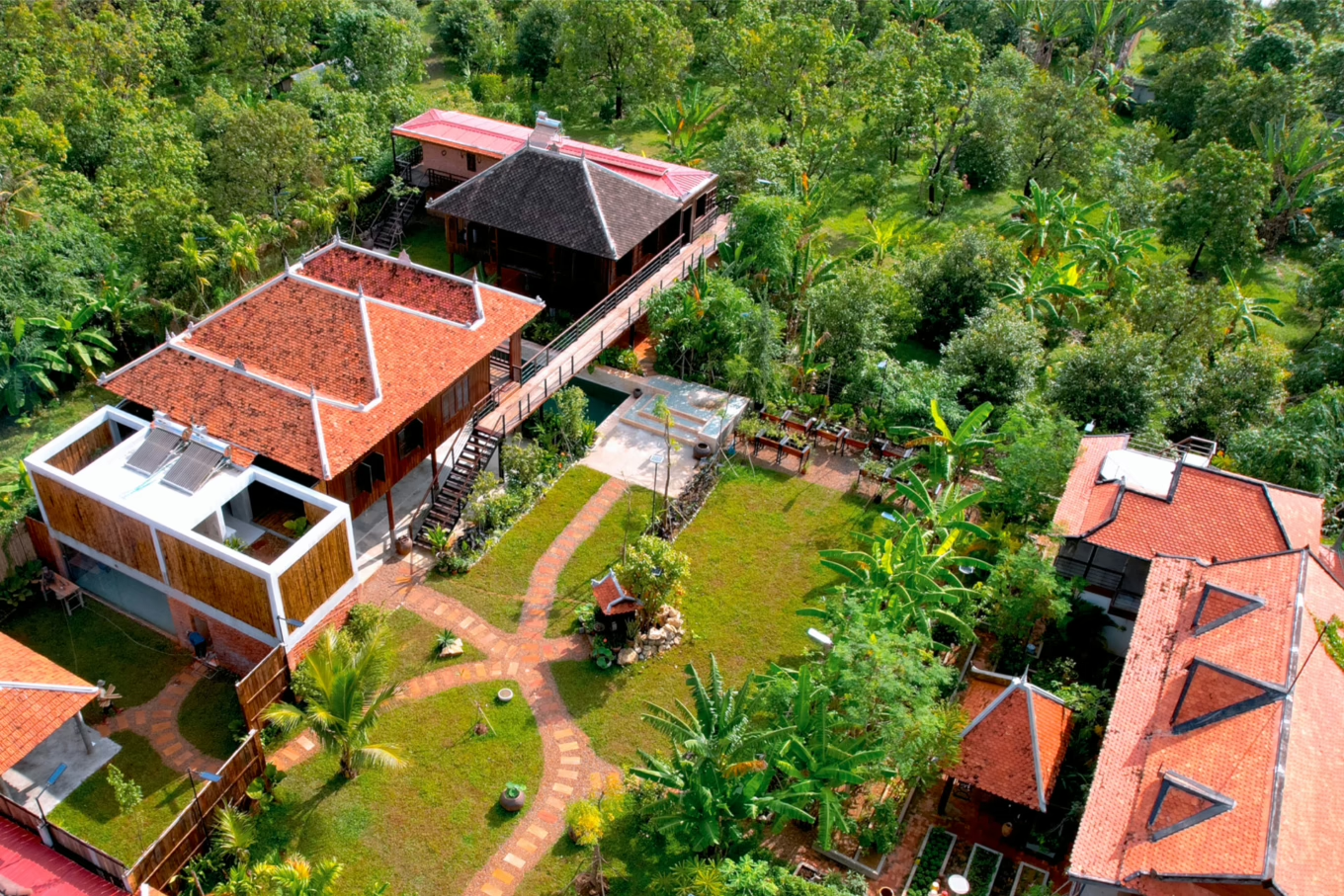
Evening. For your final dinner in Cambodia, splash out on a private meal by Rotanak Ros, best known as Chef Nak (chefnak.com), one of the country’s top chefs and advocates for Cambodian cuisine. Author of two award-winning books preserving nearly lost Khmer recipes, Chef Nak’s private dining takes place in a traditional wooden house outside the city. Pre-booking is required, but the experience offers both exceptional food and a lesson in the resilience of the Cambodian people.