Two Malaysian manufacturers are keeping the timeless art of pewter craftsmanship alive
Prized for its beauty and versatility, pewter has been crafted and traded since the Bronze Age, with the earliest examples found in an Egyptian tomb dating to around 1450 BC. This metal alloy, made primarily of tin mixed with antimony, bismuth, copper or lead, has historically flourished in Malaysia.
The discovery of vast tin deposits in Perak and Selangor in the mid-19th century laid the foundations of the local pewter industry. By 1904, the country was producing over 50,000 tonnes of tin annually – more than half the world’s supply – driven by booming demand for tinplate cans in Europe and America.
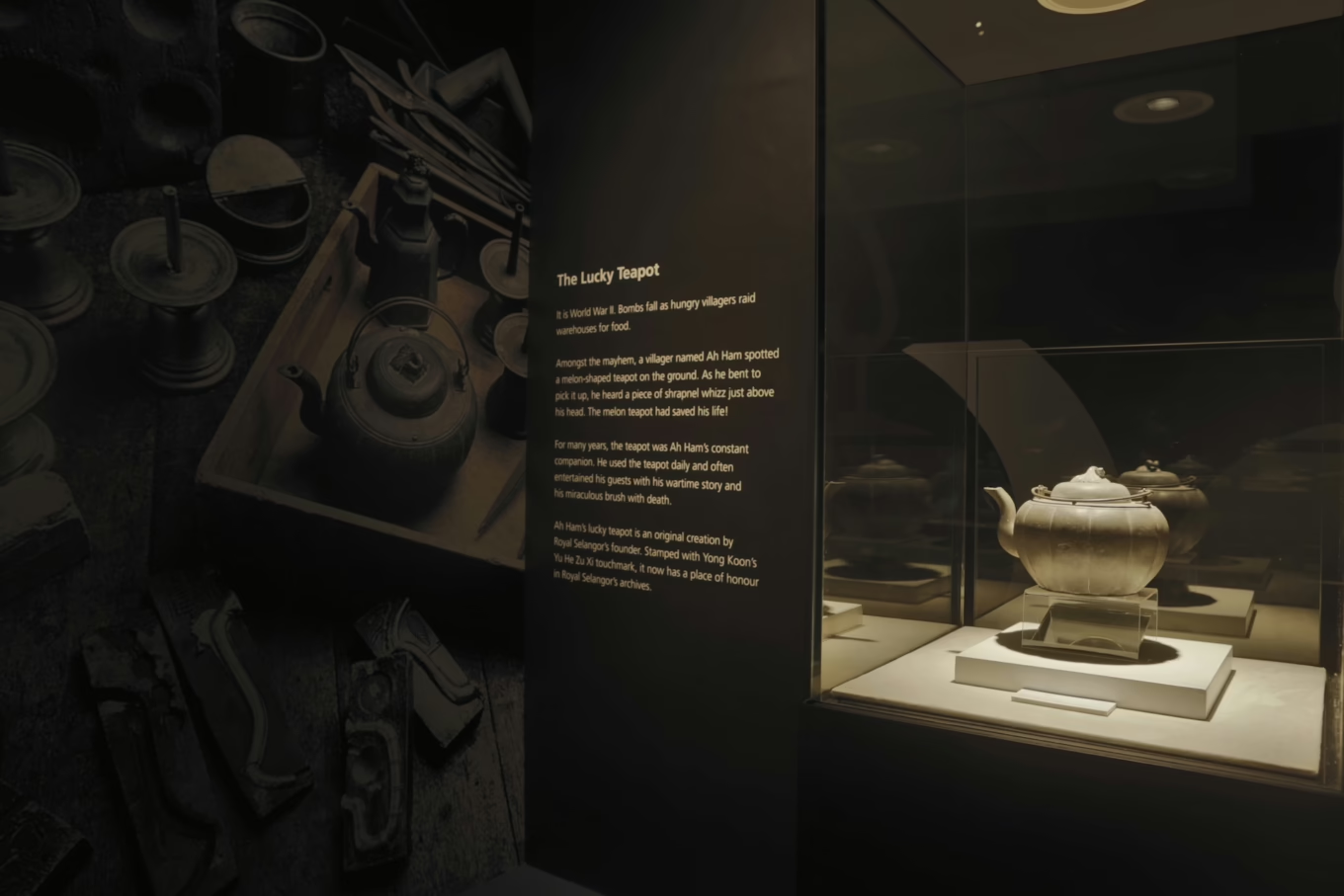
Among the many Chinese migrants who came to work in the mines were skilled tinsmiths. One of them, Yong Koon from Shantou, arrived in Kuala Lumpur in 1885 and later founded Royal Selangor, now Malaysia’s most renowned pewter manufacturer. When tin prices fell in the 1930s, Yong Koon pivoted to crafting pewter ashtrays, vases, teapots and European-style cigarette boxes.
Though tin exports fell sharply in the late 1990s – accounting for less than 1% of the country’s gross export earnings – pewter craftsmanship endures. Royal Selangor, headquartered in Kuala Lumpur, remains the world’s largest manufacturer and retailer of pewter. Alongside it, smaller companies, such as Penang-based Pewter Art Malaysia, uphold their own proud pewter-making traditions, collectively preserving and advancing Malaysia’s long-standing heritage in the craft.
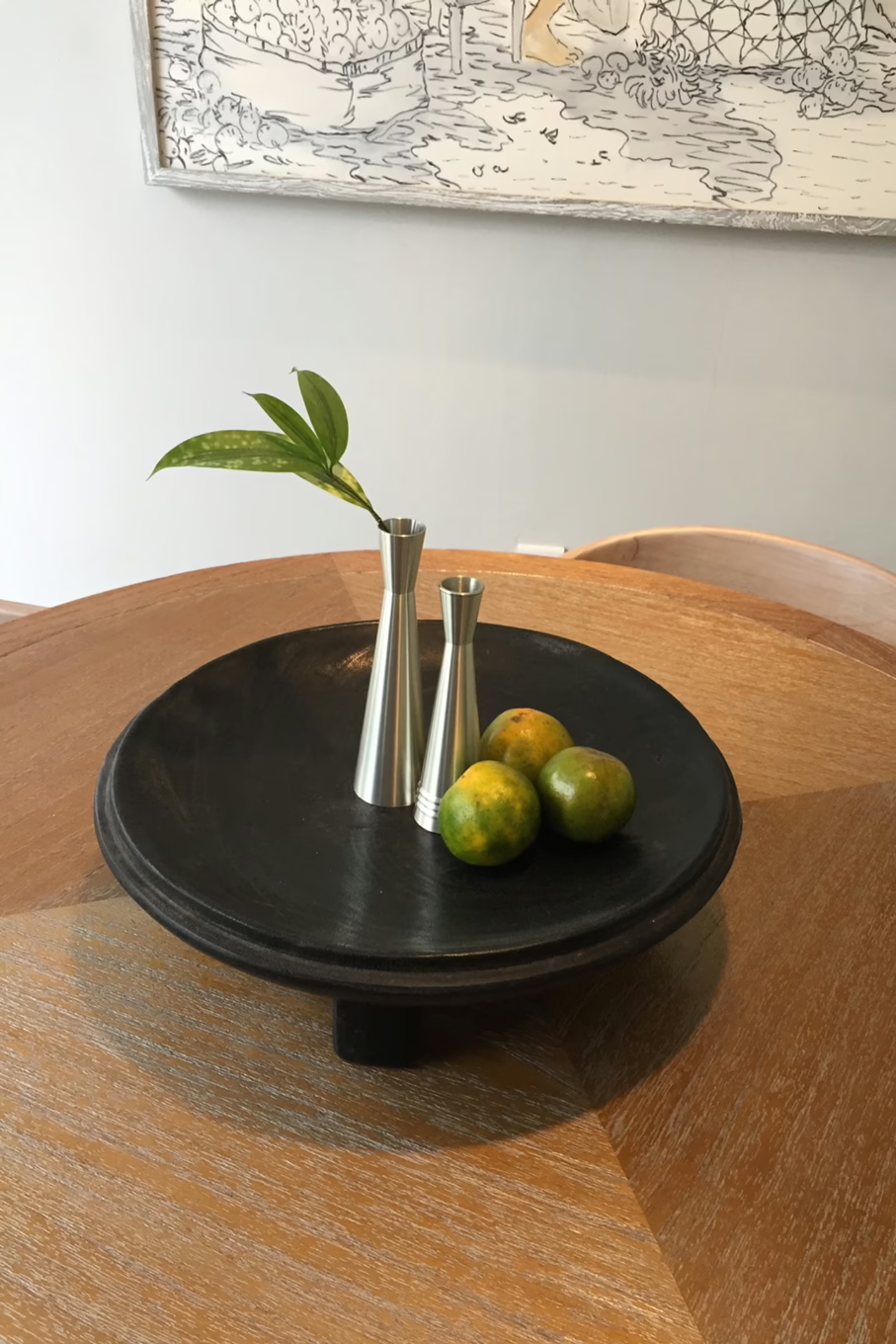
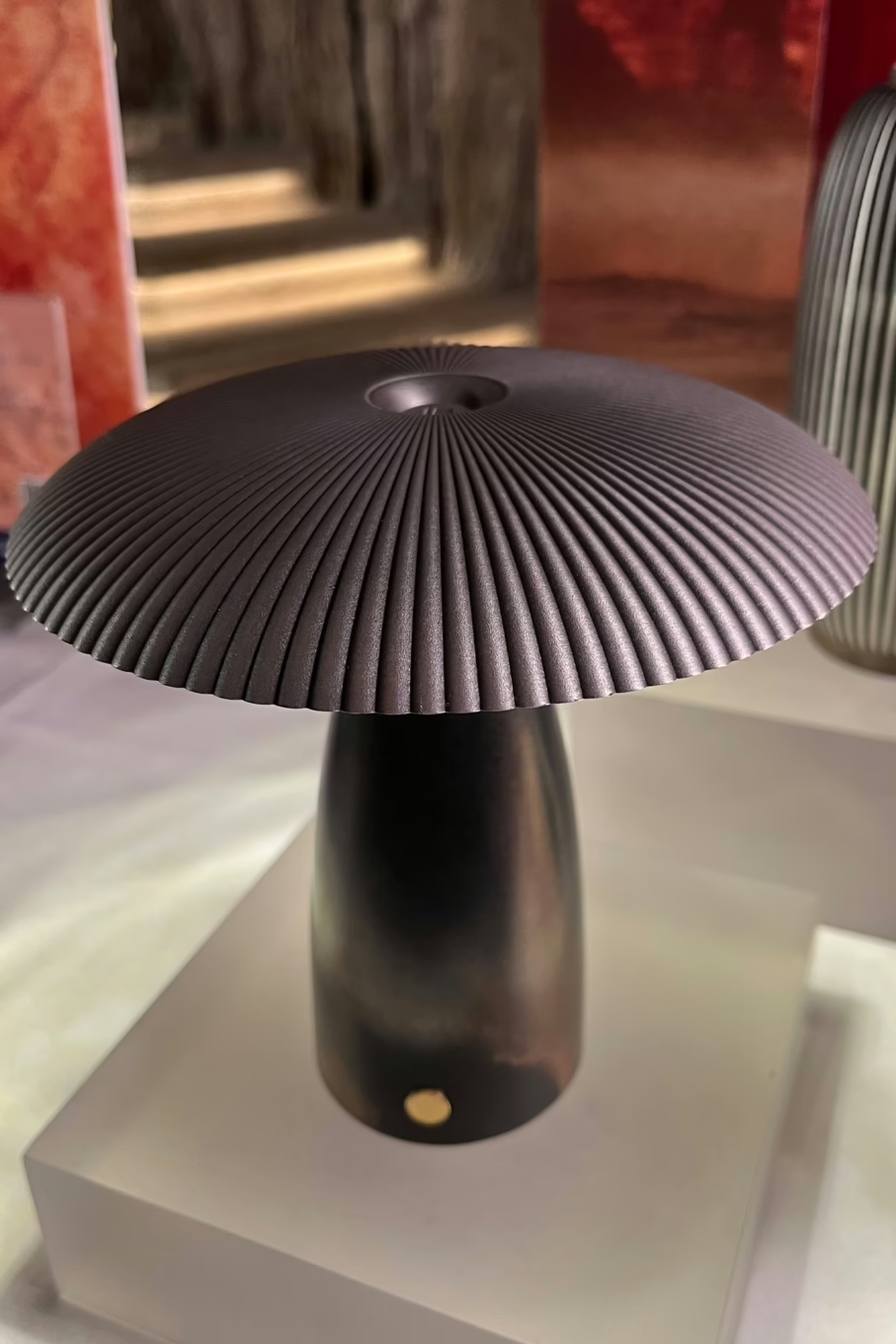
How is it made?
Every pewter creation begins with casting. Molten pewter, heated to around 250°C, is poured into a preheated iron or rubber mould. Once cooled, the piece is filed, polished to a silvery sheen, and – if made from multiple parts – soldered together with temperature control, timing and precision.
Beyond its distinctive lustre, pewter’s true beauty lies in the artistry behind it. “We still believe in the human component involved in the design, creation and retailing of our products,” says Dato’ Yong Yoon Li, managing director of Royal Selangor and a fourth-generation member of the family business. “We take influences from the arts and cultures of this region and make them accessible for our customers to have in their homes [through our range of home products] – it’s a reminder of what Malaysian culture is all about.”
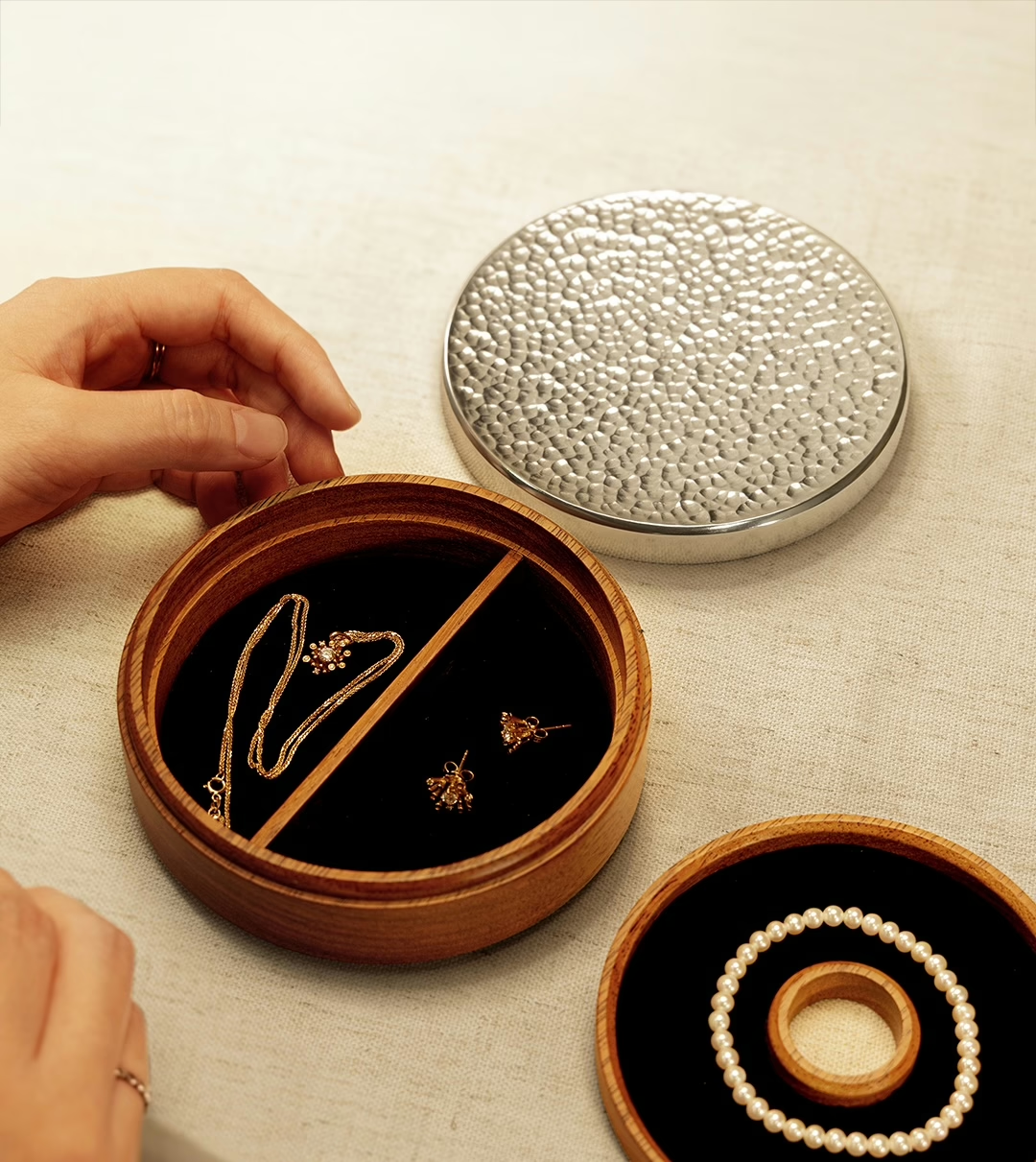
At Royal Selangor’s Setapak factory, artisans assemble and solder each piece by hand. Techniques such as hand-polishing, scotching (creating a smooth sheen), hammering (adding a dimpled texture) and hand engraving give every item its unique character.
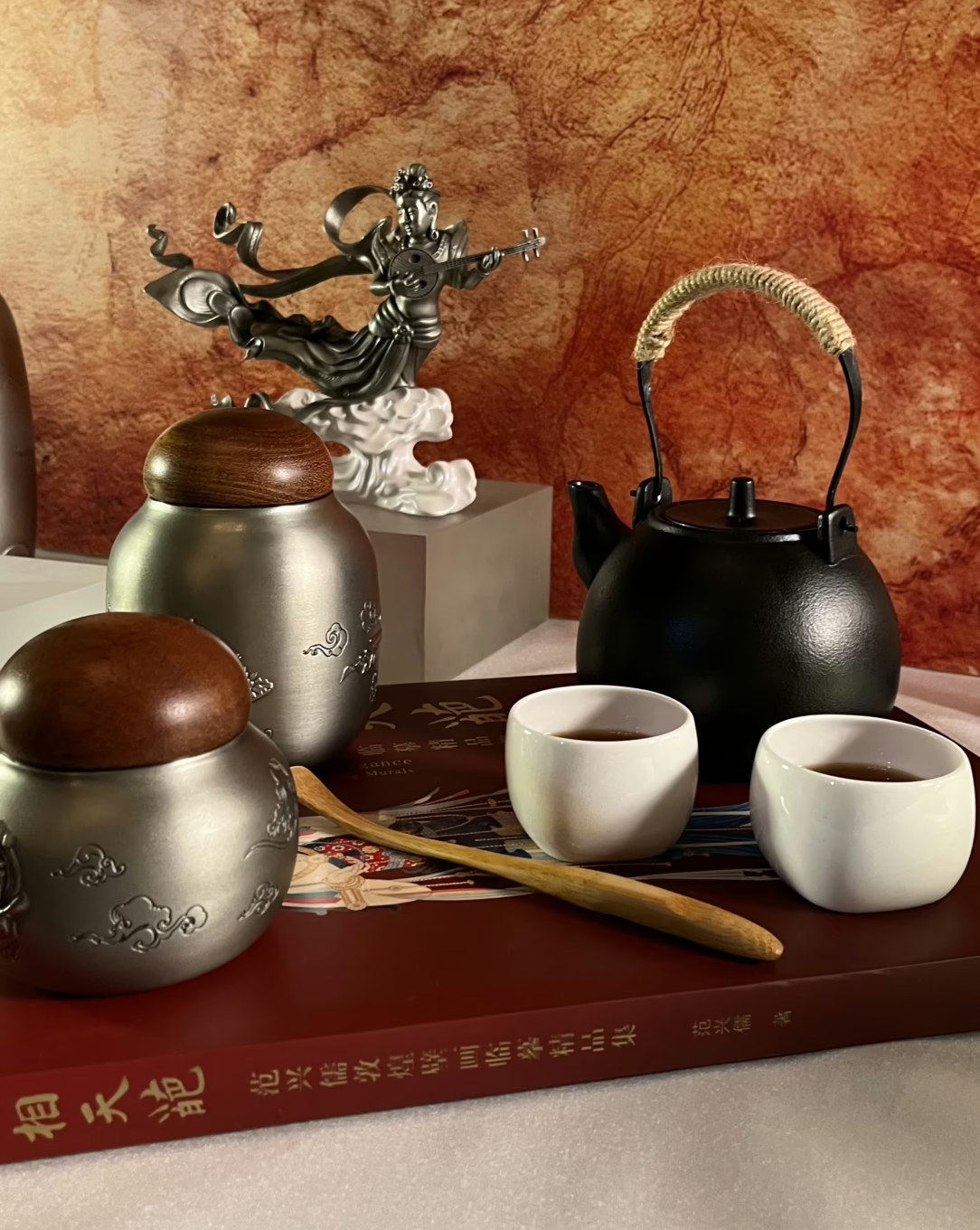
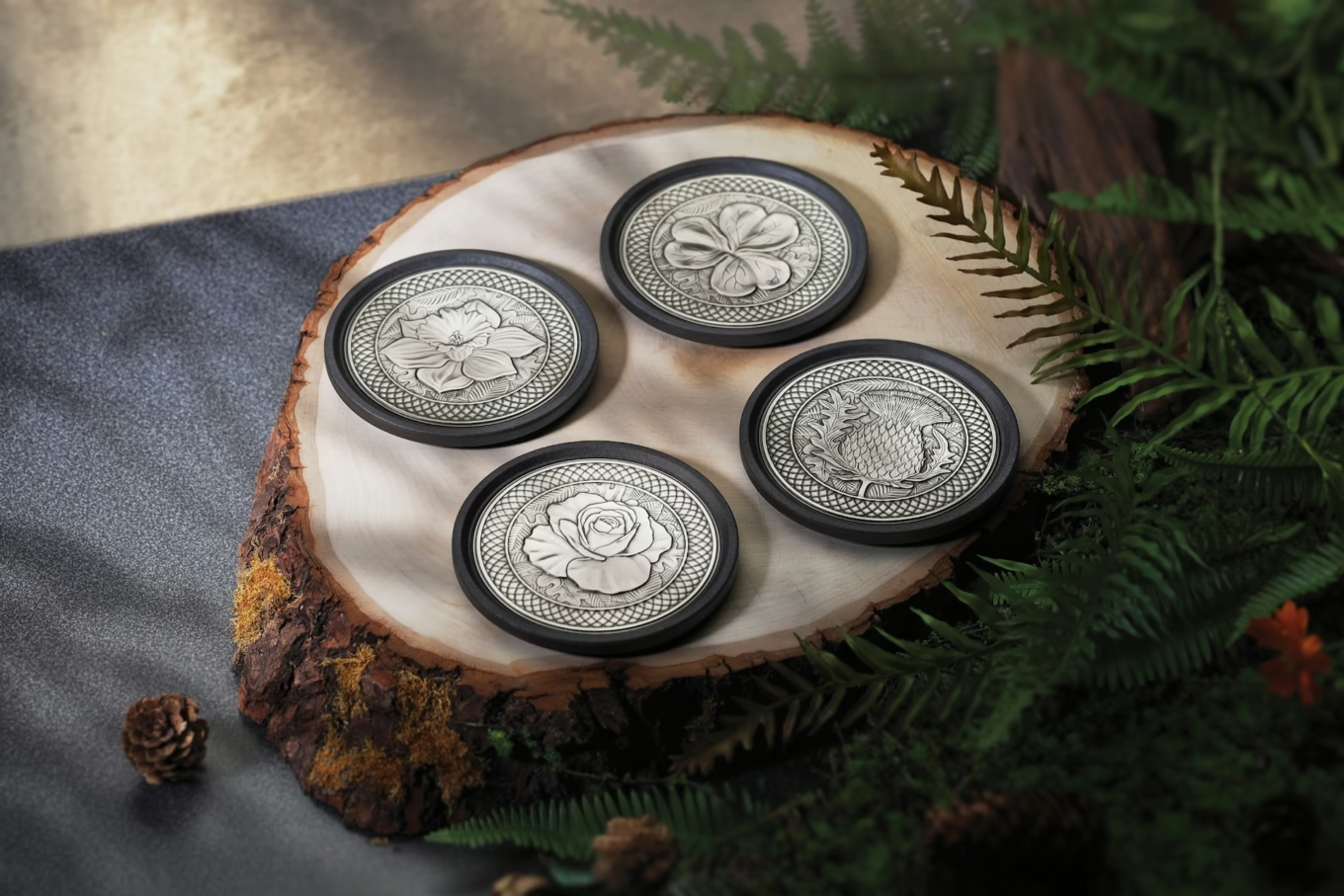
Royal Selangor continues to push creative boundaries through collaborations with international designers and museums, including Taiwan’s National Palace Museum. Its Autumn/Winter 2025 release features 10 new collections timed perfectly for the gifting season. A highlight is the Silk Road series, inspired by murals of the Flying Apsaras from the Mogao Grottoes in Dunhuang, China. The ethereal figures – symbols of divine beauty, music and blessings – are intricately sculpted across vases, tumblers and tea caddies.
Pewter’s future in Malaysia
Safeguarding Malaysia’s pewter heritage remains an ongoing challenge, particularly for manufacturers with small artisan teams. “Our workshop has only 15 highly skilled pewter craftsmen, with our most senior boasting over 35 years of experience,” says Ng Shi Ling, creative director of Pewter Art Malaysia. “With fewer young people taking up the craft, every piece created today becomes even more meaningful, carrying the legacy of a rare and cherished tradition.”
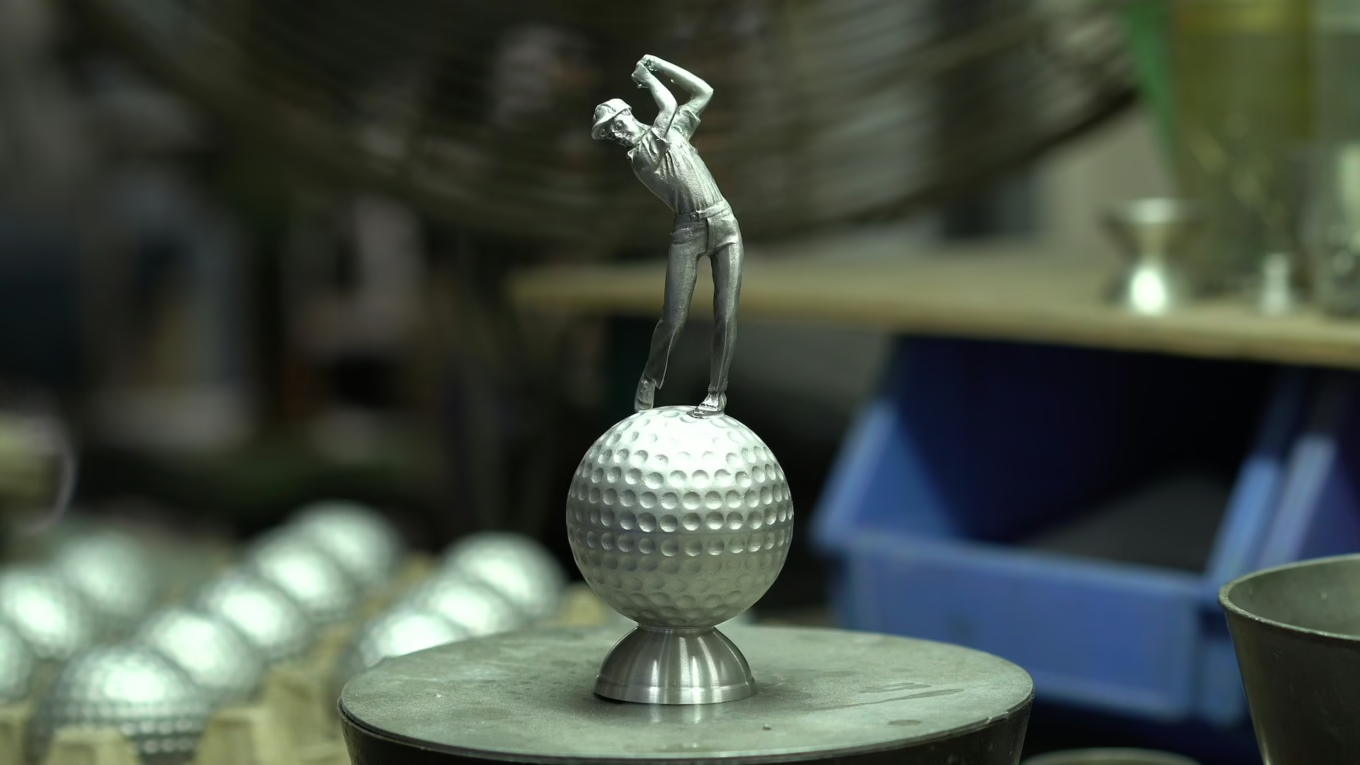
Even for a long-established company like Royal Selangor – which employs around 150 pewter craftsmen – attracting new talent is a continual effort. “Smithing isn’t everyone’s cup of tea; it involves cutting, filing, sanding and fitting – very tedious work,” says Dato’ Yong. “But after the pandemic, many young people have realised they enjoy hands-on, creative work, so we’ve seen a steady stream of apprentices. They train for 10 weeks, then choose to specialise as solderers, casters, polishers or hammerers. After two or three years, they become quite skilled. Our pewter artisans typically stay with us for 30 to 40 years.”
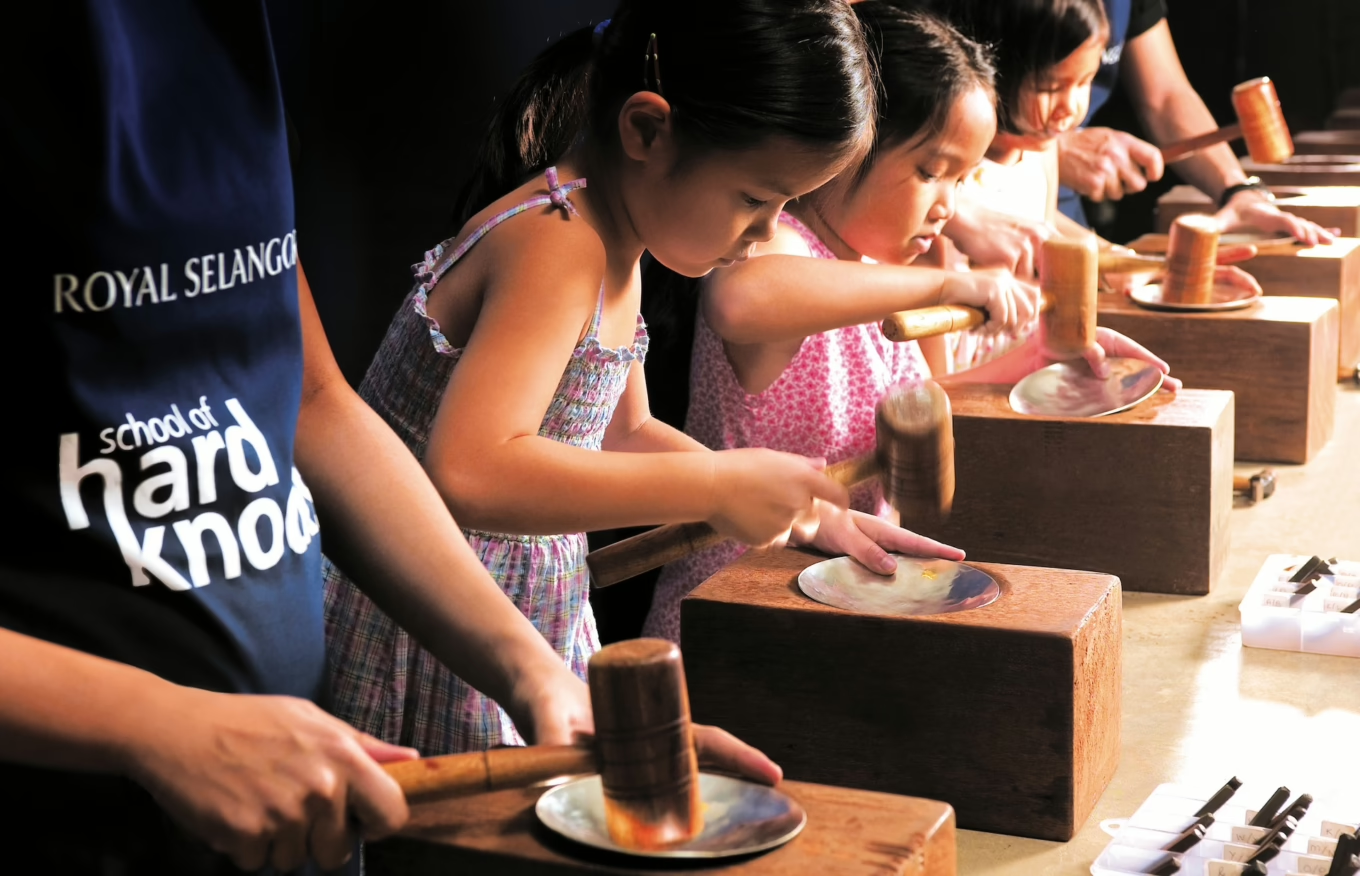
At the Royal Selangor Visitor Centre, visitors can experience pewter-making through interactive workshops such as the School of Hard Knocks and The Foundry, where they learn to craft pewter pieces by hand. Who knows? A few budding talents might even find their calling in pewter.