
In Hong Kong, art and design are no longer confined to the sidelines – they’re woven into the very fabric of the city, reshaping its identity in ways that feel both deeply rooted and strikingly new
Long defined by its commercial prowess, Hong Kong might surprise you with just how profoundly creativity is reshaping its urban soul. Across neighbourhoods, art and culture are reclaiming and reimagining forgotten spaces, turning them into canvases for new kinds of storytelling.
Tucked between the glass and steel skyscrapers of the central business district, Tai Kwun feels like a portal into another world. The moment you step through its gates, the city’s frenetic buzz fades away. Slate-grey paths curve around shady courtyards; red-brick façades glow warmly in the afternoon light. Balconies with wrought-iron railings overlook open spaces alive with art-lovers, school groups and curious wanderers.
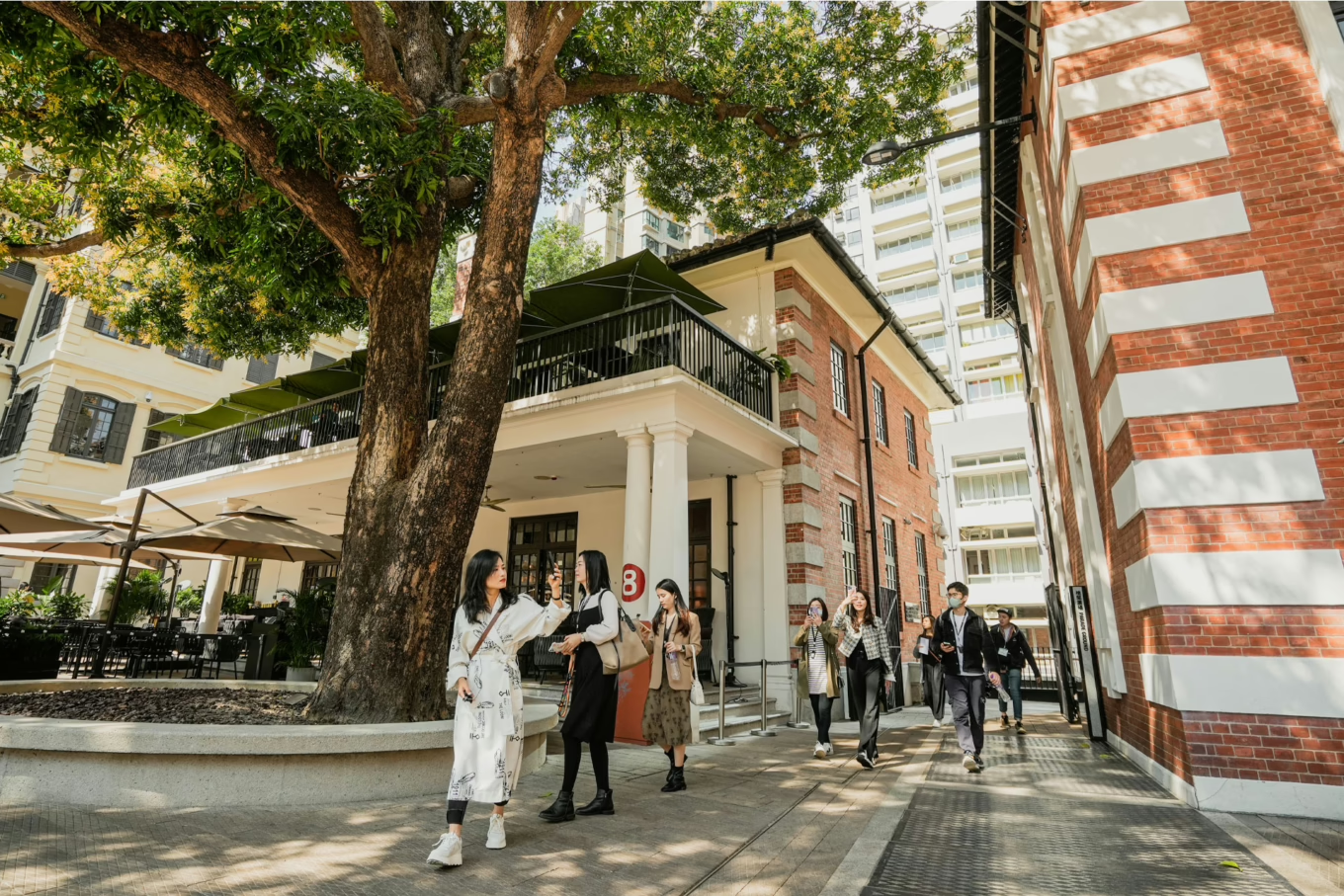
Once a symbol of law and order, the former police compound – Tai Kwun, meaning “big station” in Cantonese – has been transformed into a cultural landmark. Spread across 16 restored colonial-era buildings, the site is a masterclass in preservation and reinvention. Today, it’s a place of reflection and exchange, where visitors come for its exhibitions, performances and dining experiences.
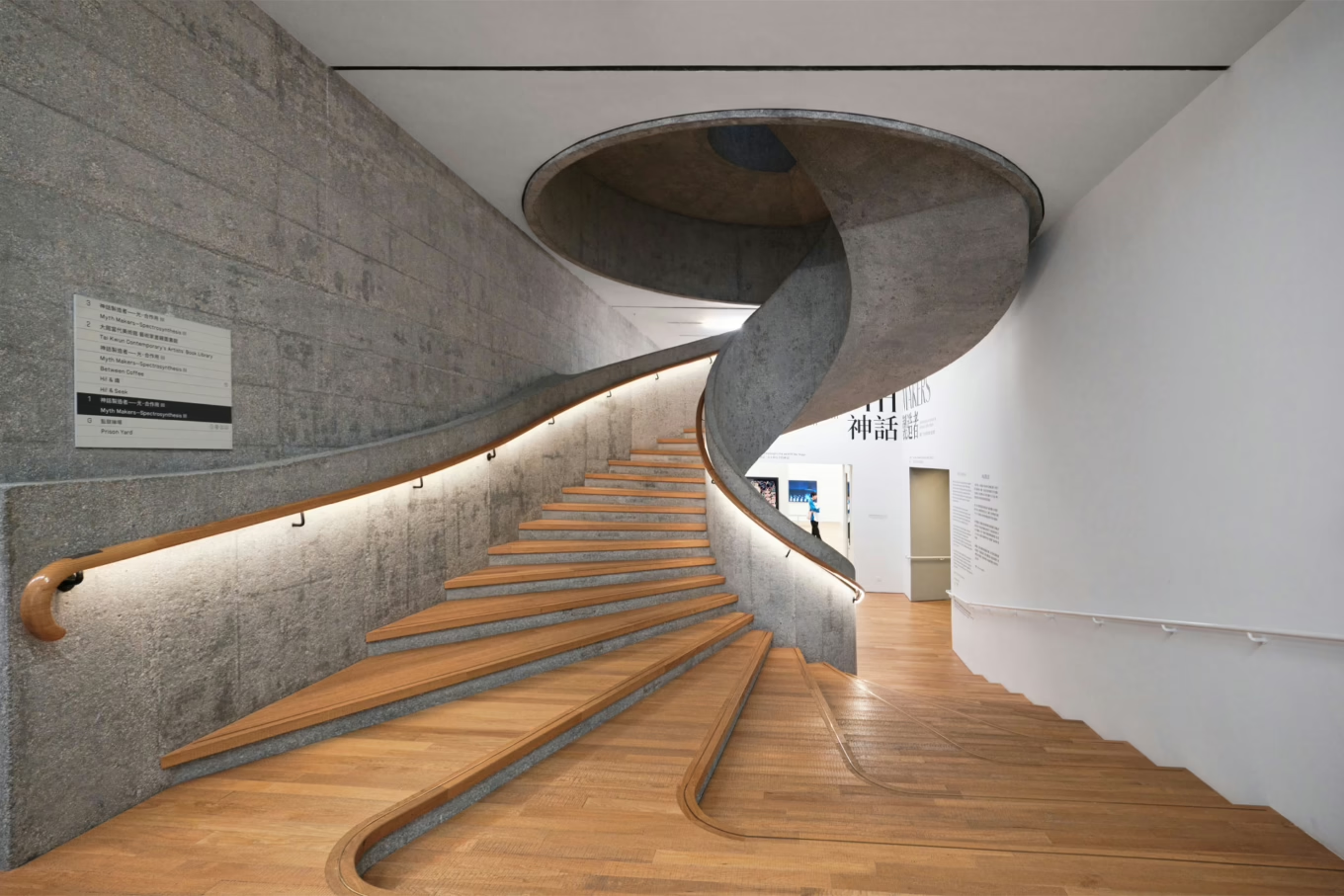
What captivates most is the interplay between old and new. From one corner stands JC Contemporary, Tai Kwun’s main art gallery designed by Swiss architects Herzog & de Meuron. Its cast-aluminium façade shimmers subtly with the changing light, and inside, a concrete staircase spirals elegantly through the building’s three floors, anchoring the space with sculptural presence.
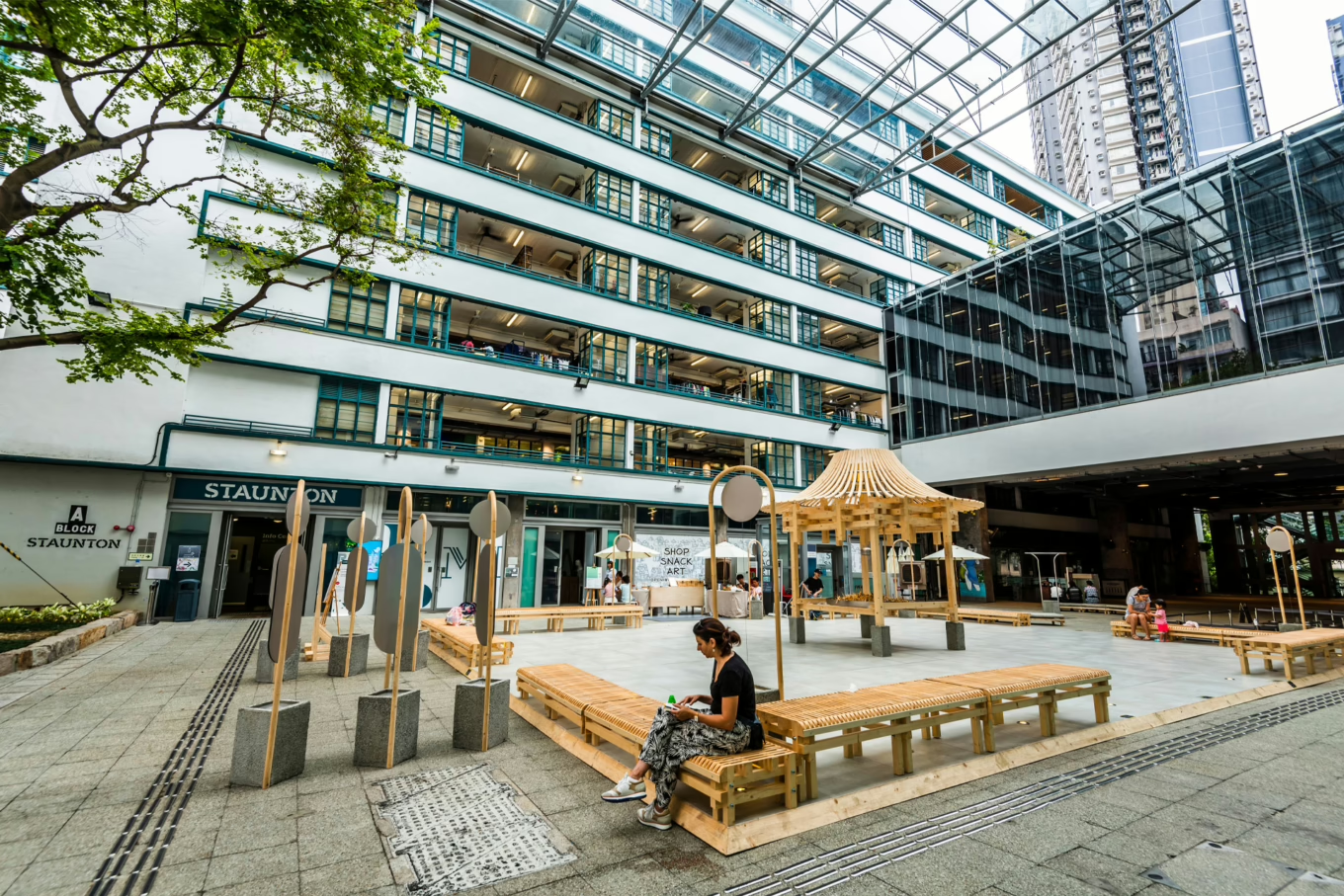
A SHORT CLIMB UP HOLLYWOOD ROAD brings you to PMQ – another reinvention of the past. Previously the Police Married Quarters, this clean-lined modernist complex now hums with the creative energy of Hong Kong’s independent design scene. Twin white blocks are connected by breezy open-air corridors where sunlight filters through potted plants and the aroma of fresh coffee drifts from corner cafés. Behind glass-fronted storefronts, designers sketch and stitch, their studios doubling as boutiques and workshops.
Along the walkways, visitors peek into shops and pop-up galleries, where displays change with the seasons. At B’in Select, the shelves pay homage to Hong Kong’s visual language – accessories shaped like mahjong tiles and table lamps inspired by the city’s red-and-white taxis. Cheongsam brand For a Change reimagines the traditional dress in bold, contemporary forms with asymmetrical cuts and unexpected fabrics. At Oscary Art studio, brushes swirl in paint jars as visitors join in art-jamming sessions.
ON HONG KONG ISLAND’S SOUTHSIDE, creativity takes on a grittier texture. Wong Chuk Hang, once an industrial zone of factories and warehouses, has evolved into a dynamic artistic enclave. The buildings still bear the marks of their utilitarian past – concrete columns, cargo lifts, metal shutters – but behind unmarked doors and up freight elevators lie some of the city’s most compelling galleries.
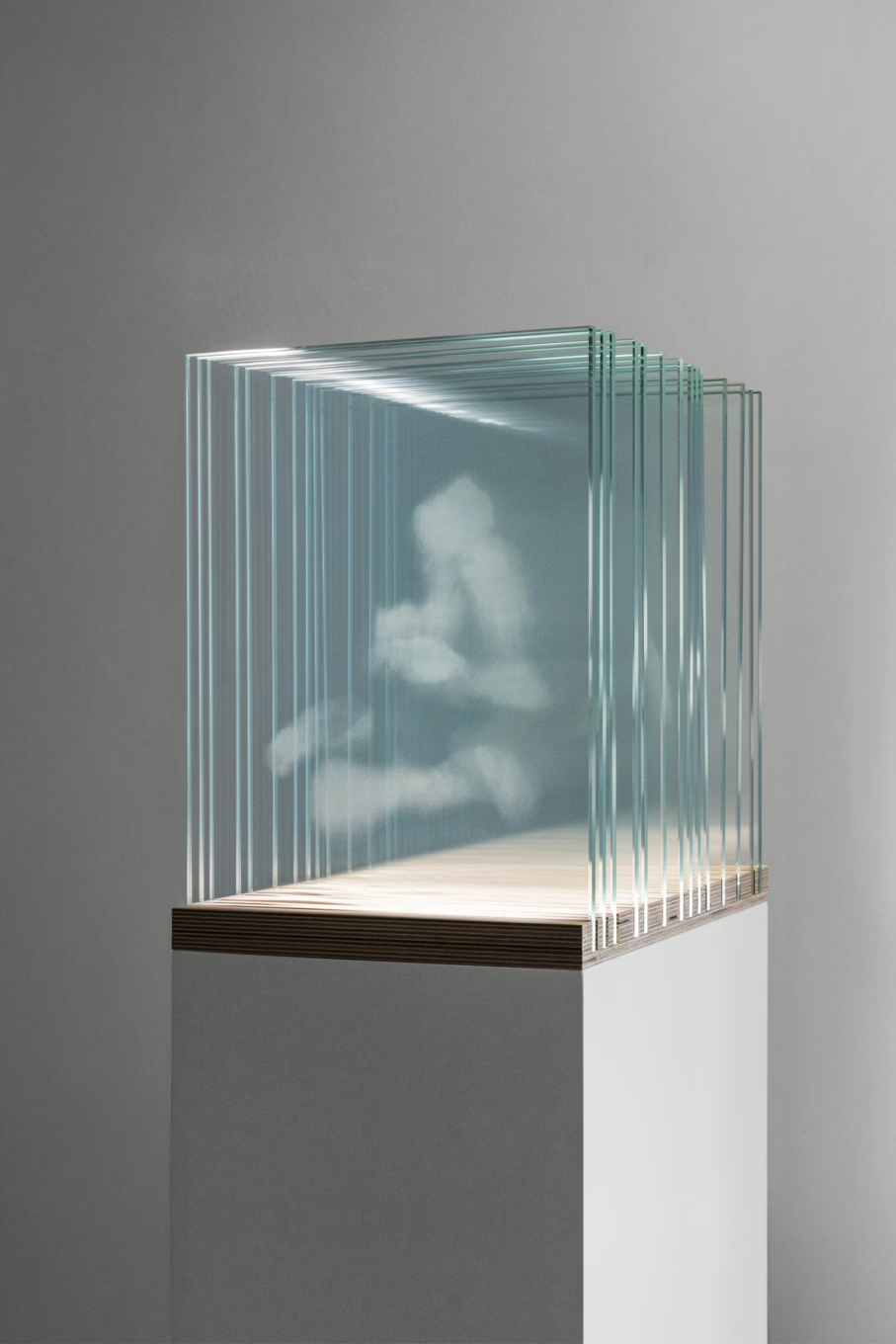
Blindspot Gallery was among the first to champion photography and video art and now stages boundary-pushing exhibitions that explore identity and memory. A few steps away, SC Gallery celebrates Hong Kong artists through an unfiltered, local lens, set amid whitewashed walls, exposed beams and concrete floors. Across the road, Axel Vervoordt Gallery brings a contrasting calm with its minimalist aesthetic, hosting exhibitions that feel like serene, visual meditations.
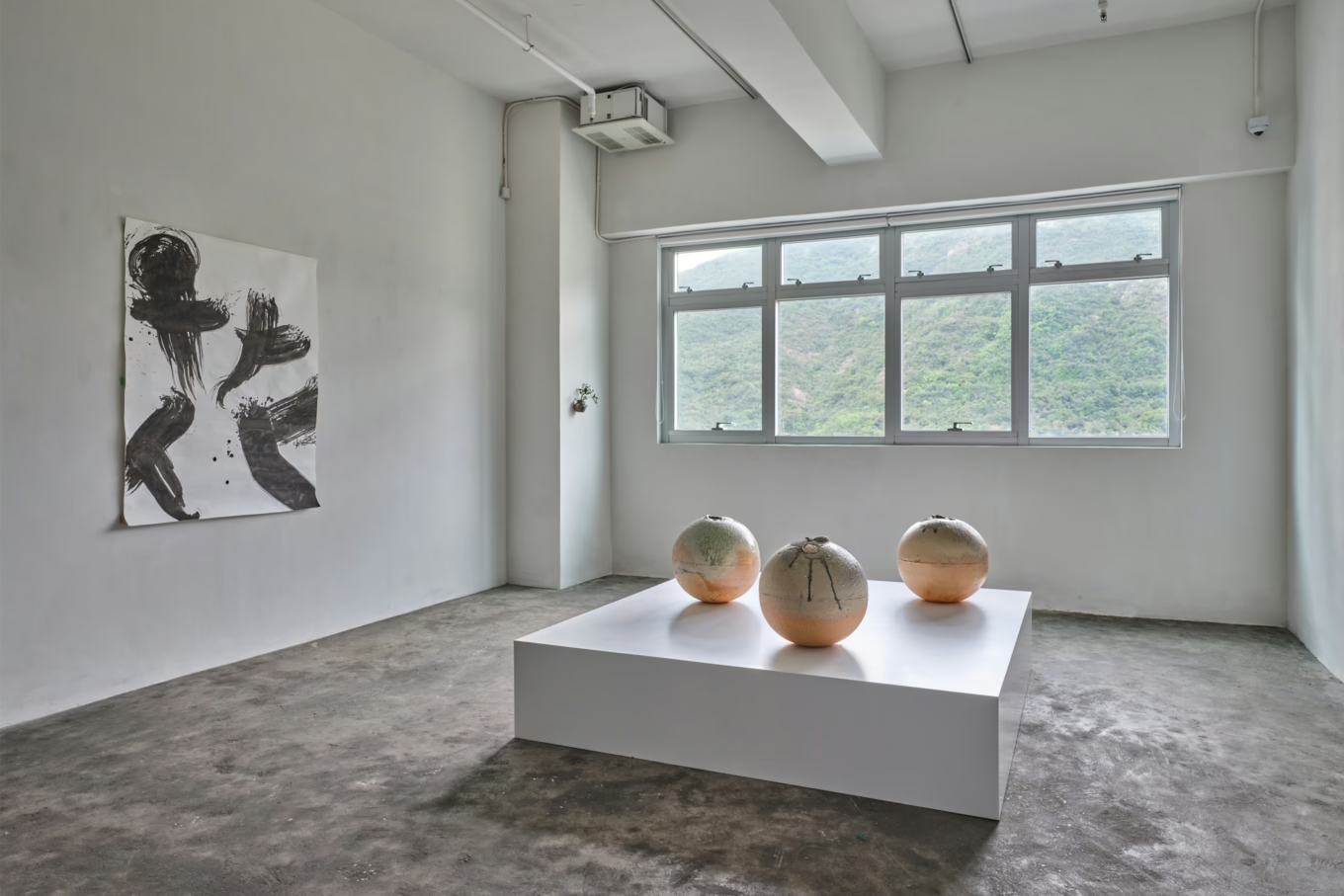
What sets Wong Chuk Hang apart is its sense of openness. Even when visits are by appointment, the atmosphere remains welcoming rather than exclusive. Visitors are free to explore, observe and engage in a neighbourhood that feels more like a living creative ecosystem than a curated district.
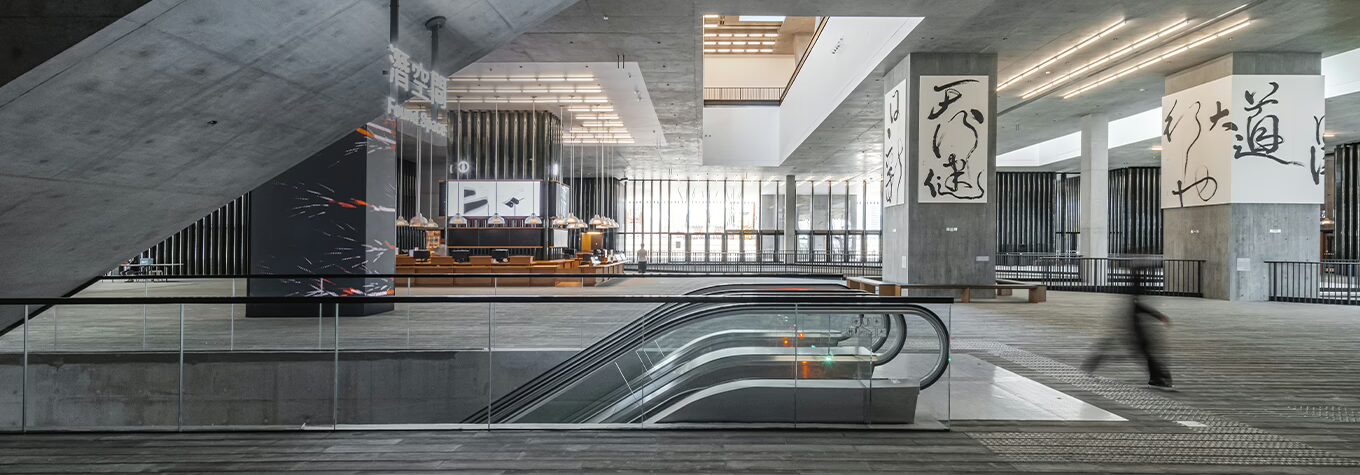
ACROSS VICTORIA HARBOUR, the West Kowloon Cultural District rises as Hong Kong’s boldest artistic statement yet. At its centre is M+, a museum of visual culture that has become a beacon for the city’s creative identity.
“M+ helps tell stories of Asian contemporary arts that are not fully reflected in any existing museums in the West,” says Suhanya Raffel, the museum’s director. It marks the first time “we have in Asia an institution comparable to the Centre Pompidou in Paris or the MoMA in New York, both in scale, ambition and purpose,” she adds. “It’s like Hong Kong itself.”
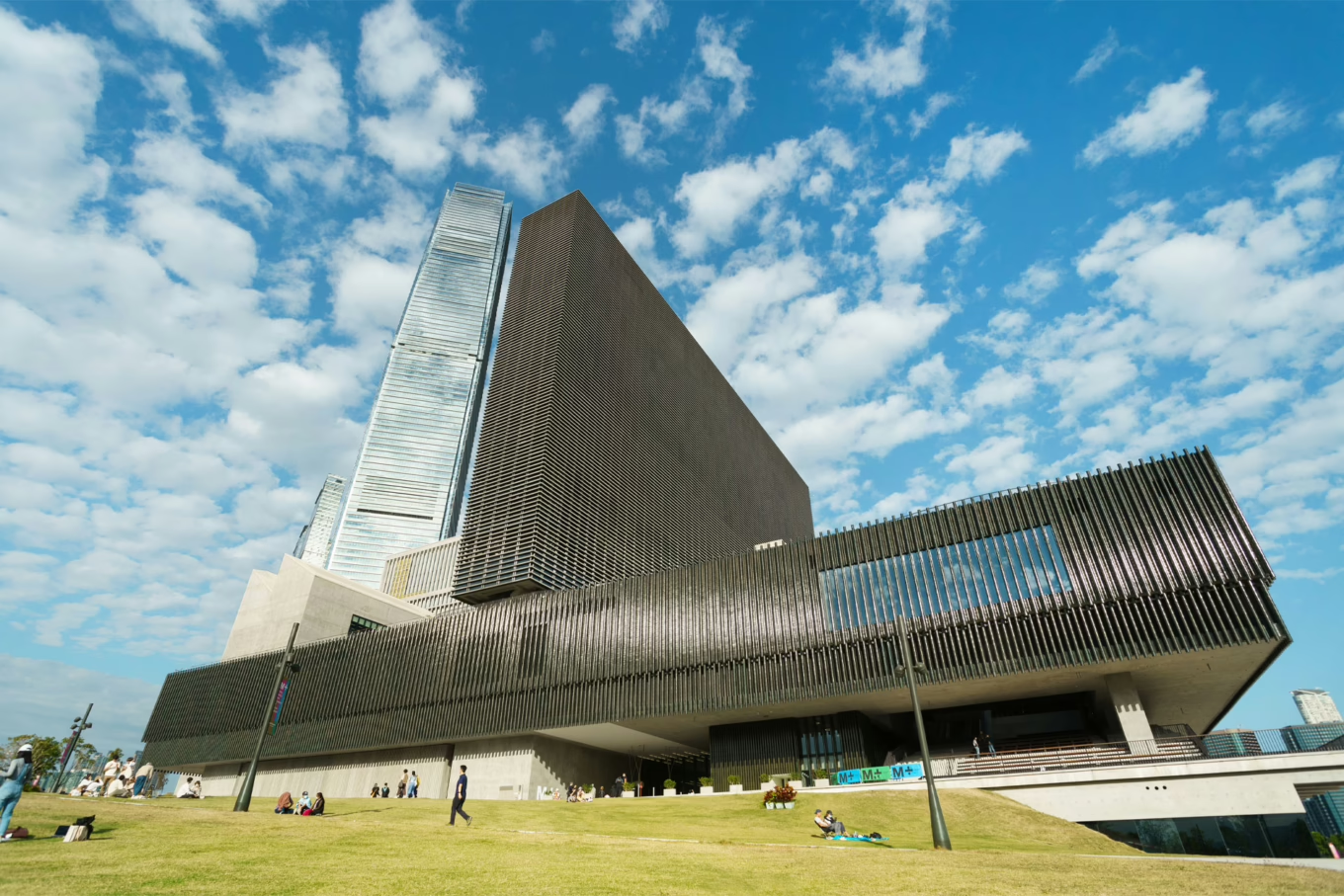
The museum’s design – sleek and horizontal – echoes the city’s skyline while subverting its vertical obsession. Inside, exhibitions span graphic design, sculpture, architecture and everything in between. And just outside, the Art Park stretches along the waterfront, dotted with joggers and amateur photographers chasing golden hour.
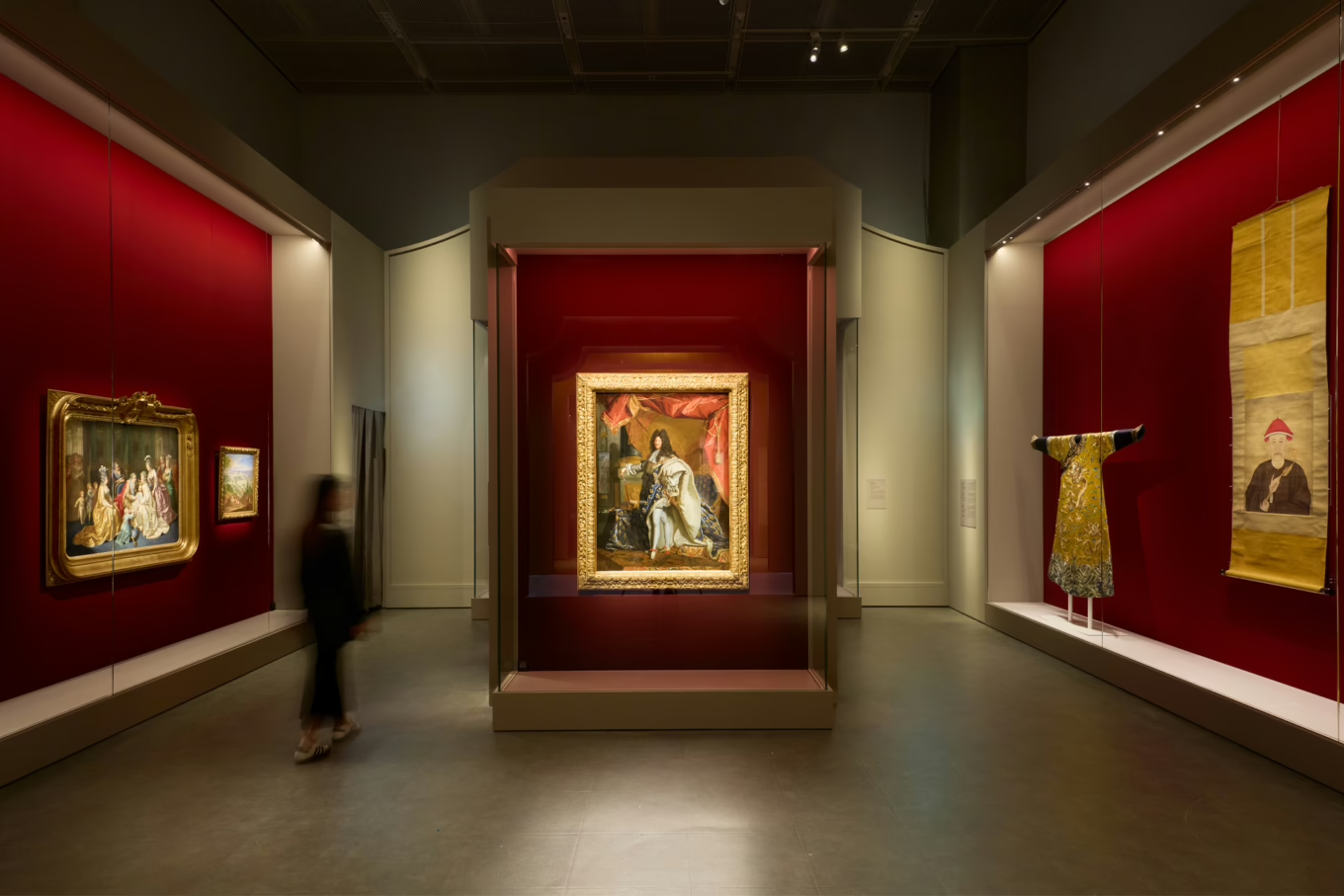
Nearby, the Hong Kong Palace Museum offers a different kind of cultural immersion. Its vast galleries open like cinematic frames, displaying imperial robes, bronze artefacts and ancient scrolls. The space feels expansive, with wide sightlines and thoughtful lighting that bring centuries-old treasures into sharp contemporary focus.
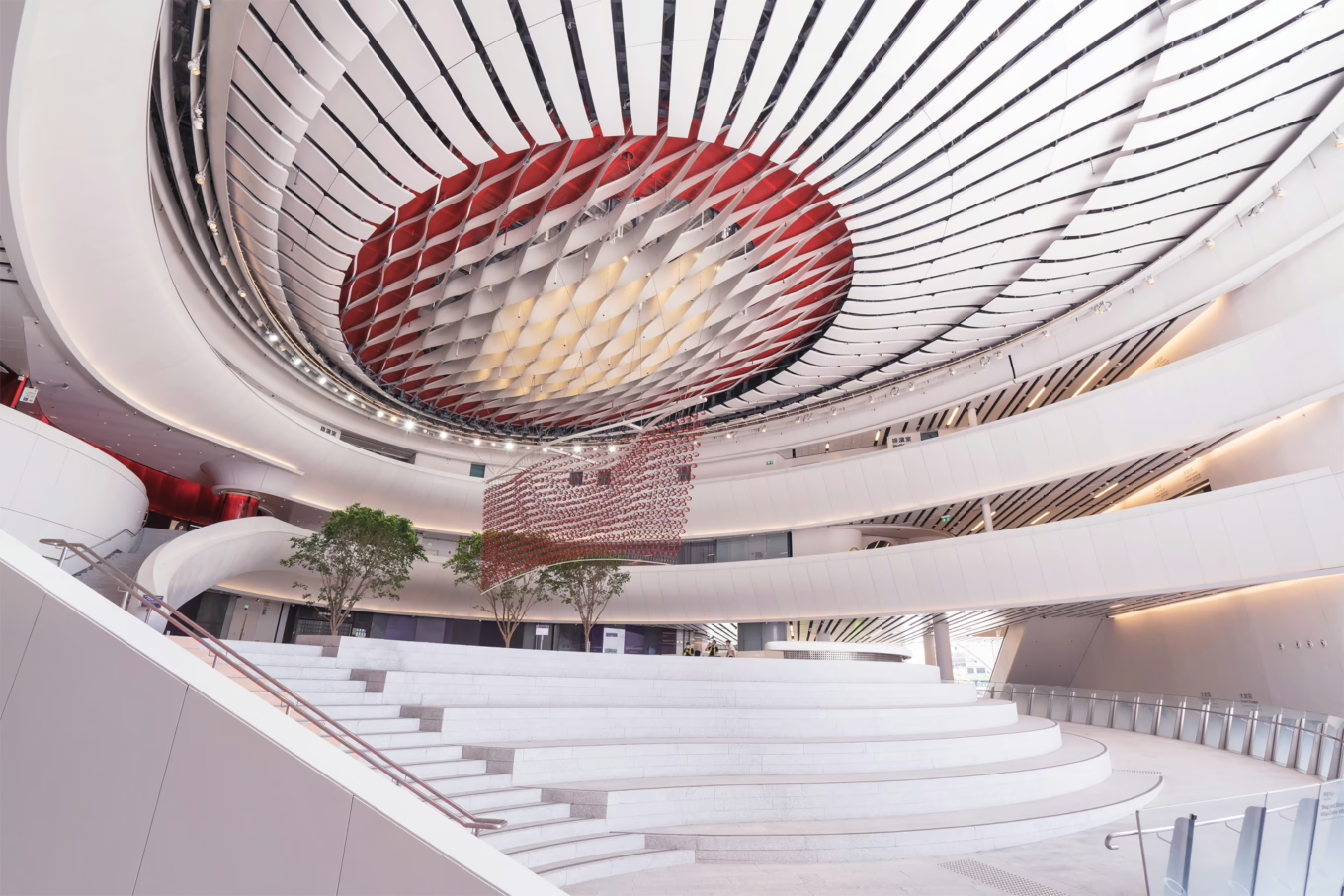
A few steps away, the Xiqu Centre honours Chinese opera as a living, breathing tradition. Performances of Cantonese opera and other regional genres unfold in its grand, state-of-the-art theatre while workshops and behind-the-scenes tours reveal the craft and discipline behind the spectacle. Outside, the building’s flowing, silk-like façade reinterprets the traditional Chinese moon gate motif – fluid, inviting and symbolic of passage.
For visitors, these places reveal a different Hong Kong – one where art is not just decoration but a driving force for change. For those who come with open eyes, it offers a powerful new way to experience the city: not just as it is, but as it’s becoming.
Design-driven stays for art lovers
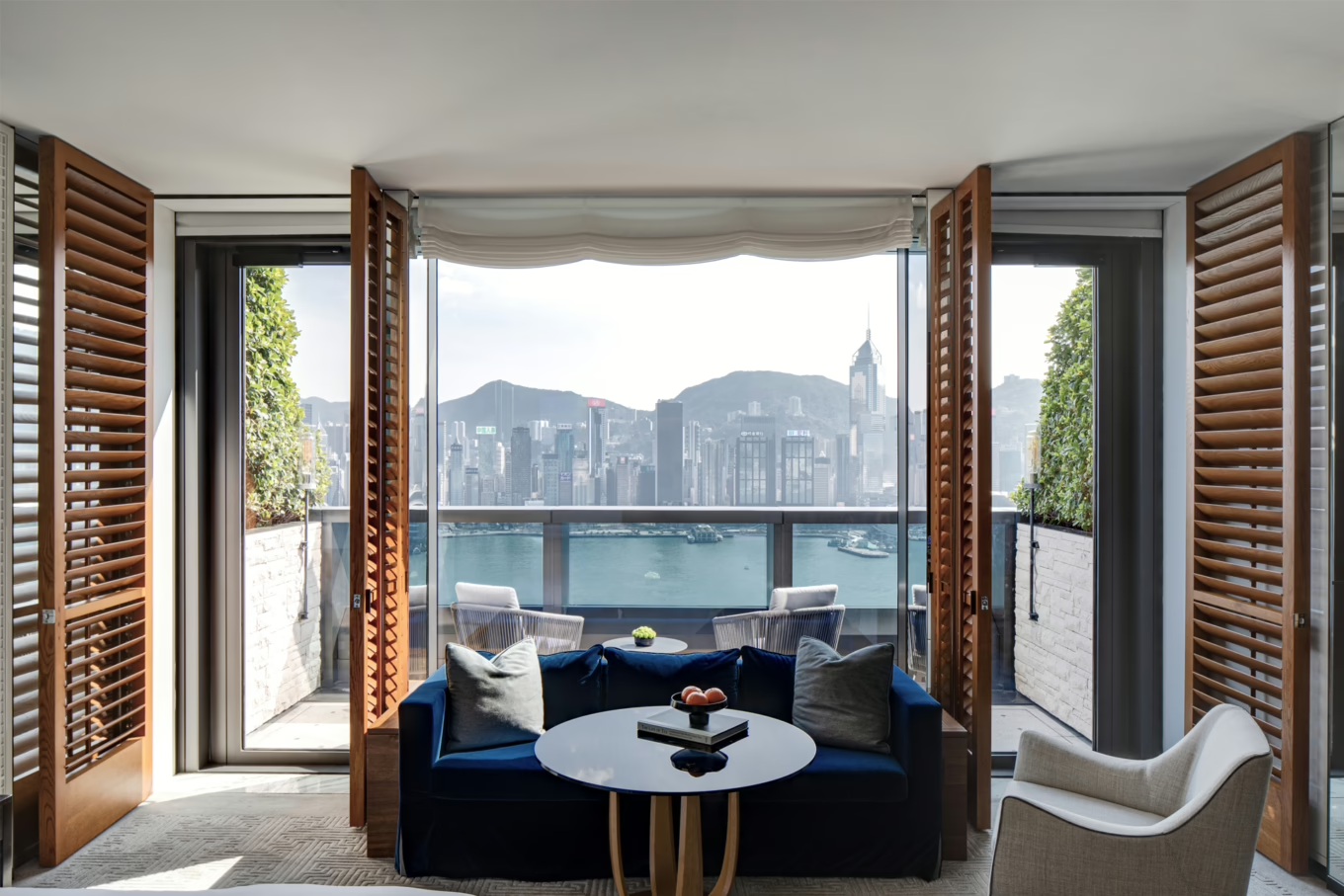
Rosewood Hong Kong
Set along the Tsim Sha Tsui waterfront, the ultra-luxury hotel houses over 400 artworks across its suites and public spaces – blurring the line between hospitality and gallery, just a short drive from West Kowloon’s cultural core. rosewoodhotels.com
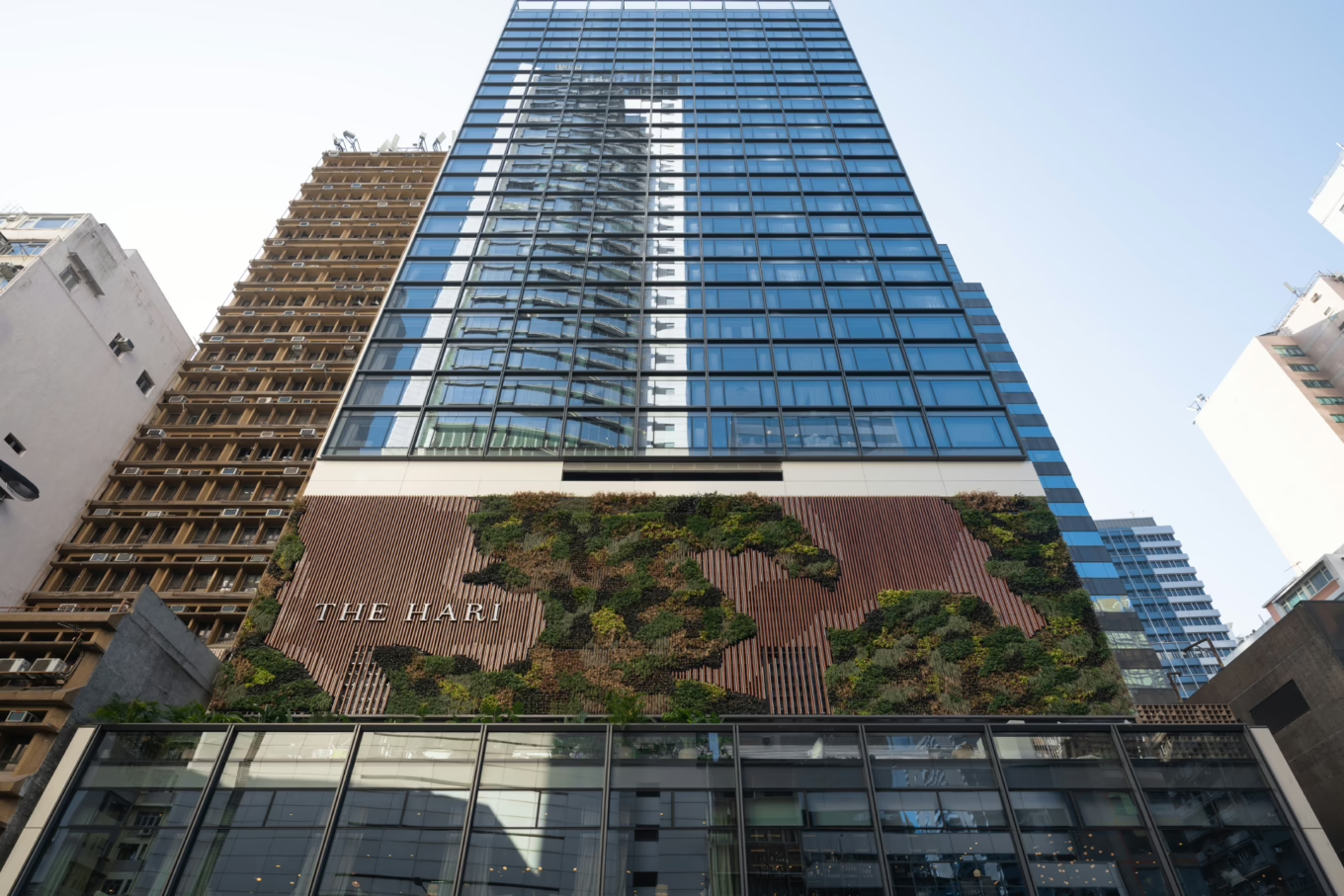
The Hari Hong Kong
Tucked away in a quiet part of bustling Wan Chai, The Hari blends sleek design with a passion for emerging creatives. Its annual Art Prize supports rising Hong Kong talents, adding a sense of purpose to its boutique-luxe aesthetic. thehari.com
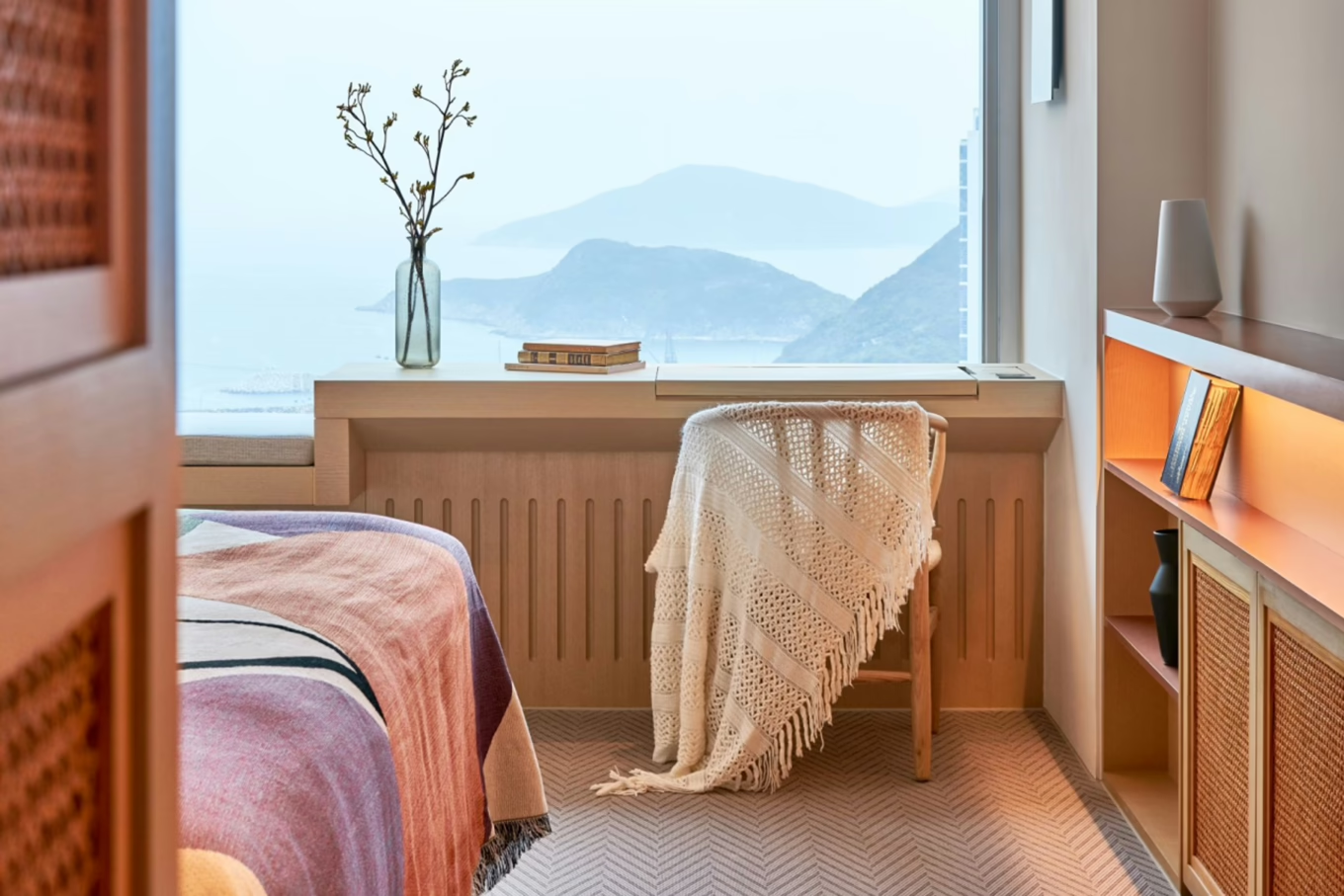
The Arca
This design-forward boutique hotel in Wong Chuk Hang mirrors the neighbourhood’s creative energy and features a collection of works by celebrated and emerging Hong Kong artists, including the late Fan Ho. thearca.com