
Chennai’s experimental fine dining wave is amping up local flavours and redefining the city’s palate
In Chennai, the coastal capital of India’s southernmost state, Tamil Nadu, I watch as uncles slurp filter coffee from steel tumblers, newspapers spread wide between their hands. Saree-wearing aunties – their braids dressed in fresh white jasmine – tuck into dosa and idli in Nungambakkam, an upmarket neighbourhood.
Centuries of royal power, trade, migration, European rule, and more recently, a flourishing automobile industry have all left their mark on the city’s food scene. I begin to understand these influences every time I’m in Chennai, where my days revolve around food: morning rituals of idli and sambar; banana leaf lunches with fried mutton brain and rasam (a spicy, tangy soup); Anglo-Indian chicken curry for dinner; the spicy, aromatic biryani of Chettiar merchants; and the chic Korean bakeries my friends take me to in Adyar, an upscale neighbourhood in South Chennai.

I cannot think of the city without its food. Yet across India, many still believe Chennai isn’t known for modern, progressive dining. At its core, the city has always embraced transformation.
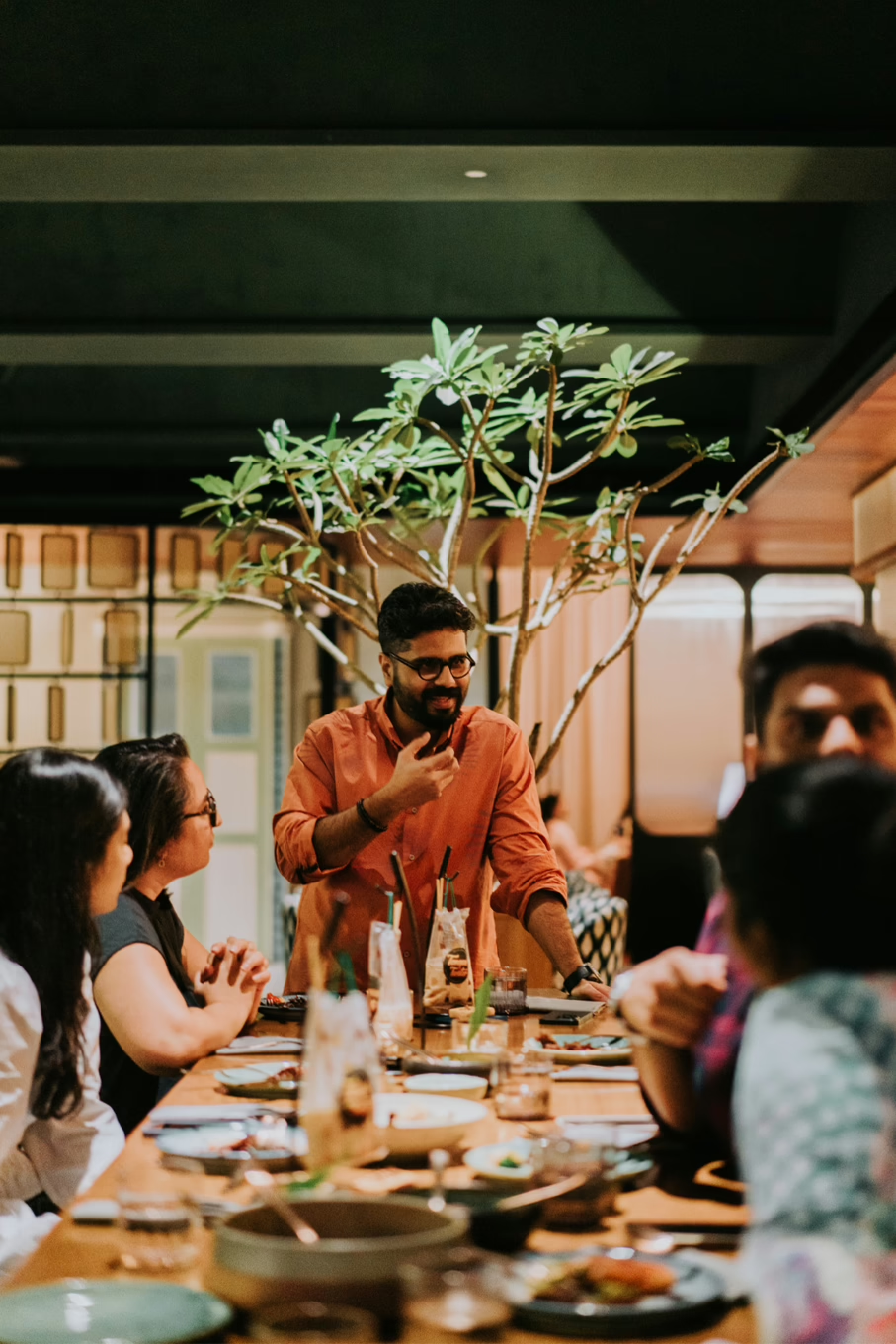
“We’re just bad at PR, but that doesn’t mean we [Chennai] don’t have an experimental dining scene,” says Manoj Padmanaban, co-founder of Pandan Club, a modern Peranakan restaurant.
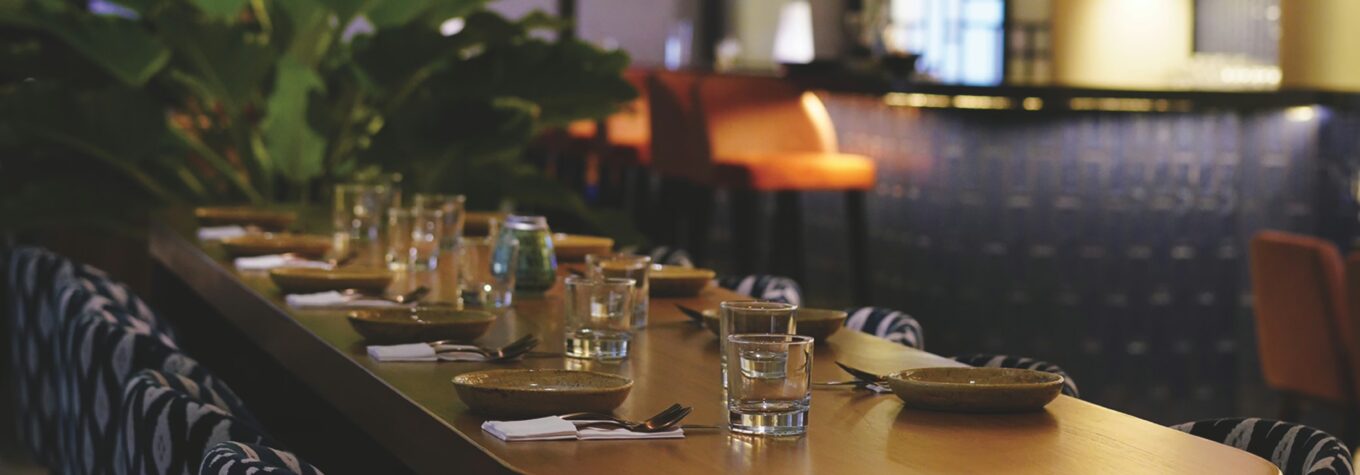
Opened in 2022, it’s one of the city’s earliest fine dining ventures outside a luxury hotel and has since become a popular choice among local diners. Inside, decorative majolica tiles and rattan lanterns evoke a Peranakan home, where friends and families gather for a menu developed by Masterchef Australia 2018 winner Sashi Cheliah.
Dishes like ayam buah keluak (braised chicken in tamarind gravy with buah keluak nuts) draw from Peranakan cuisine, while weekends get busy with nasi kandar lunches served on banana leaves to suit the city’s dining culture. Rendang – meat slow-cooked to a dry curry and popular across Malaysia, Singapore and Indonesia – is reimagined as a layered rice biryani, now a Sunday ritual for Chennaites.

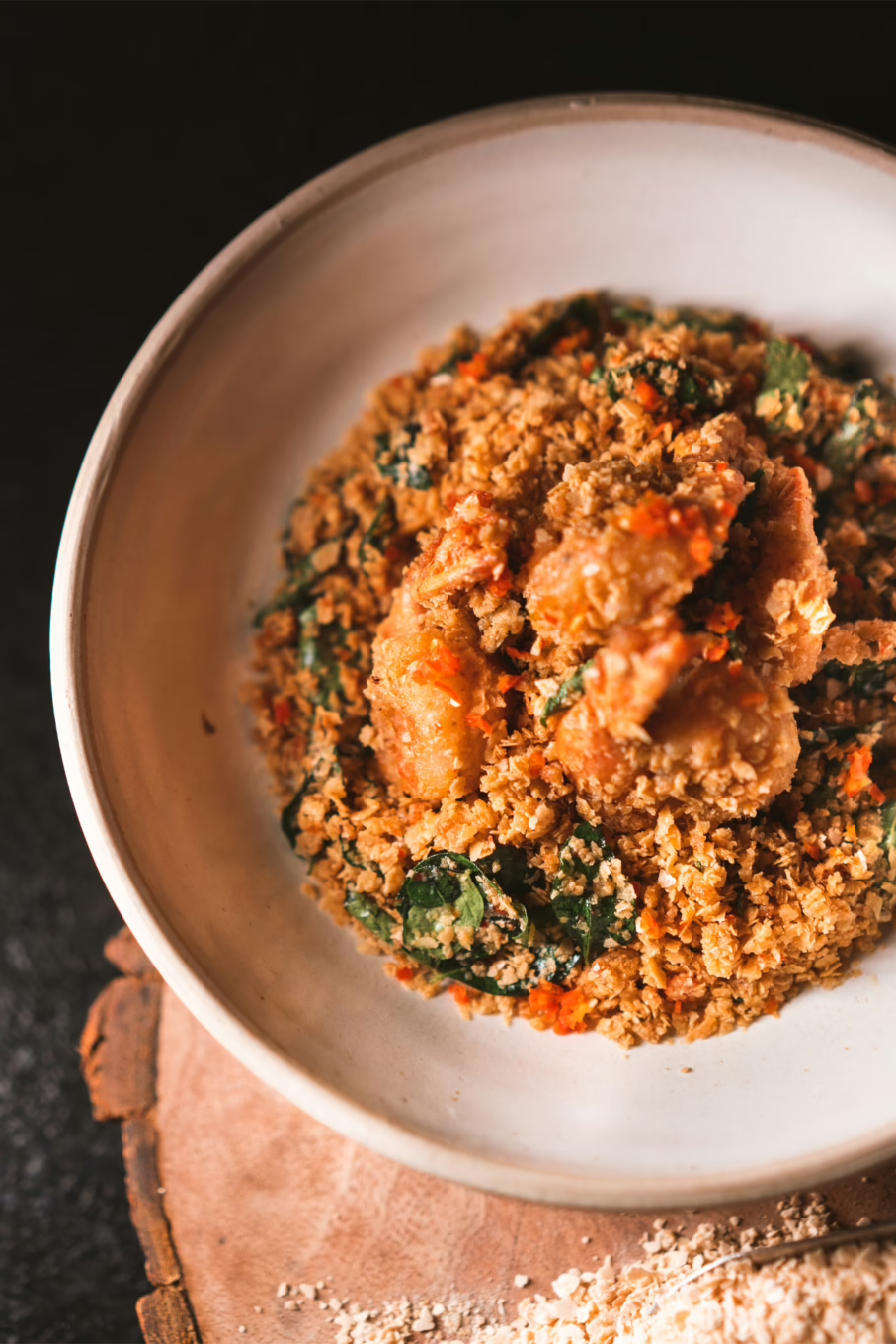
Pandan Club is an example of how Chennai’s dining scene has been shaped by years of global movement and trade.
In fact, the city has been home to some of India’s earliest Korean and Japanese restaurants, shaped by the East Asian communities who moved here after carmakers like Hyundai set up factories in 1996.
Although Peranakan cuisine was a fresh idea to Chennai, “it wasn’t foreign in many ways,” Padmanaban says. He draws parallels between Chennai’s cuisine and Peranakan food, which traces its origins to early Chinese settlers in parts of Malaysia, Singapore and Indonesia, with influences from China, the Malay Archipelago, South India and beyond.
Both culinary cultures are products of migration and adaptation, layered with spices and bold flavours. While each has its own distinct character, they also share key ingredients like coconut, chillies and tamarind. The founders knew the idea would resonate, but Padmanaban notes that they had to adapt to the city’s dining habits, including the dynamics of vegetarianism and the preference for 0% ABV (alcohol by volume) drinks. It’s a place where people come to discover “something cool that still feels Chennai at heart,” he says.
THE ONLY CHENNAI ESTABLISHMENT to ever to feature in Asia’s 50 Best Restaurants, Avartana is an instrumental example of the city’s modern dining scene. Set within the five-star ITC Grand Chola hotel, the restaurant merges tradition with modernity with glossy ambient lights resembling banana flowers and carpets inspired by the region’s ubiquitous banana leaf.
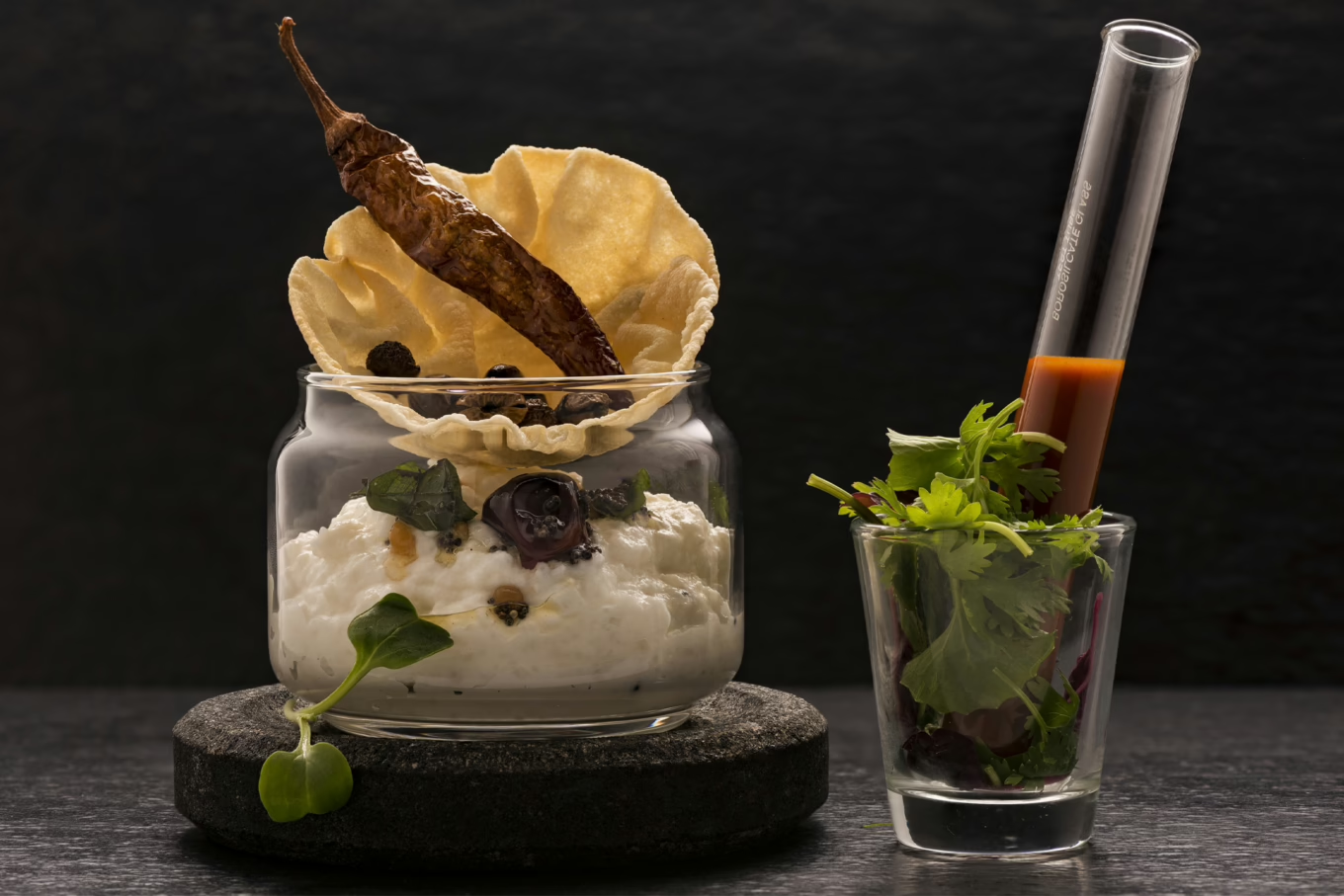
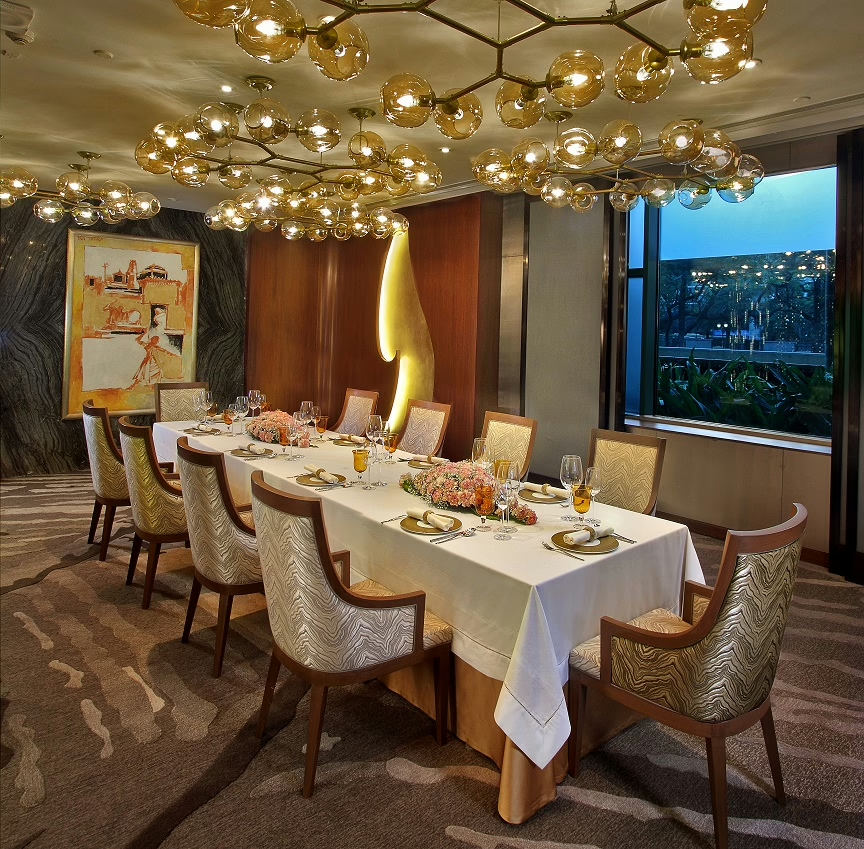
The set menus, also with vegetarian options, reimagine South Indian cuisine in a contemporary context, and range from seven to 13 courses. When it opened in 2017, Chennai had a void in refined, high-end South Indian dining. In less than a decade, Avartana became India’s Best Restaurant at the Condé Nast Traveller Awards in 2024 and expanded to four new locations across India and Sri Lanka.
Before its opening, the hotel assembled a team of chefs who had never cooked South Indian food but immersed themselves in the region to grasp its culinary landscape. The result is a menu that’s original, bold and creative enough to surprise even seasoned epicures. The rasam, for instance, is prepared over two days: bruised tomatoes are hung in a muslin cloth to let their juices slowly drip into the concoction, which is then distilled and served tableside in a French press.
Things get playful, too: guests are served edible ghee candles with lotus thread wicks, and a fennel panna cotta “egg” nestled in caramelised sugar, cracked open with a tiny hammer to reveal a mango yolk inside.
Chef Nikhil Nagpal explains that the concept reflects the diverse spectrum of ingredients, flavours and dining cultures across the southern Indian peninsula. “Elements like lotus and jasmine flowers are common and quintessential to the cuisine,” he says.
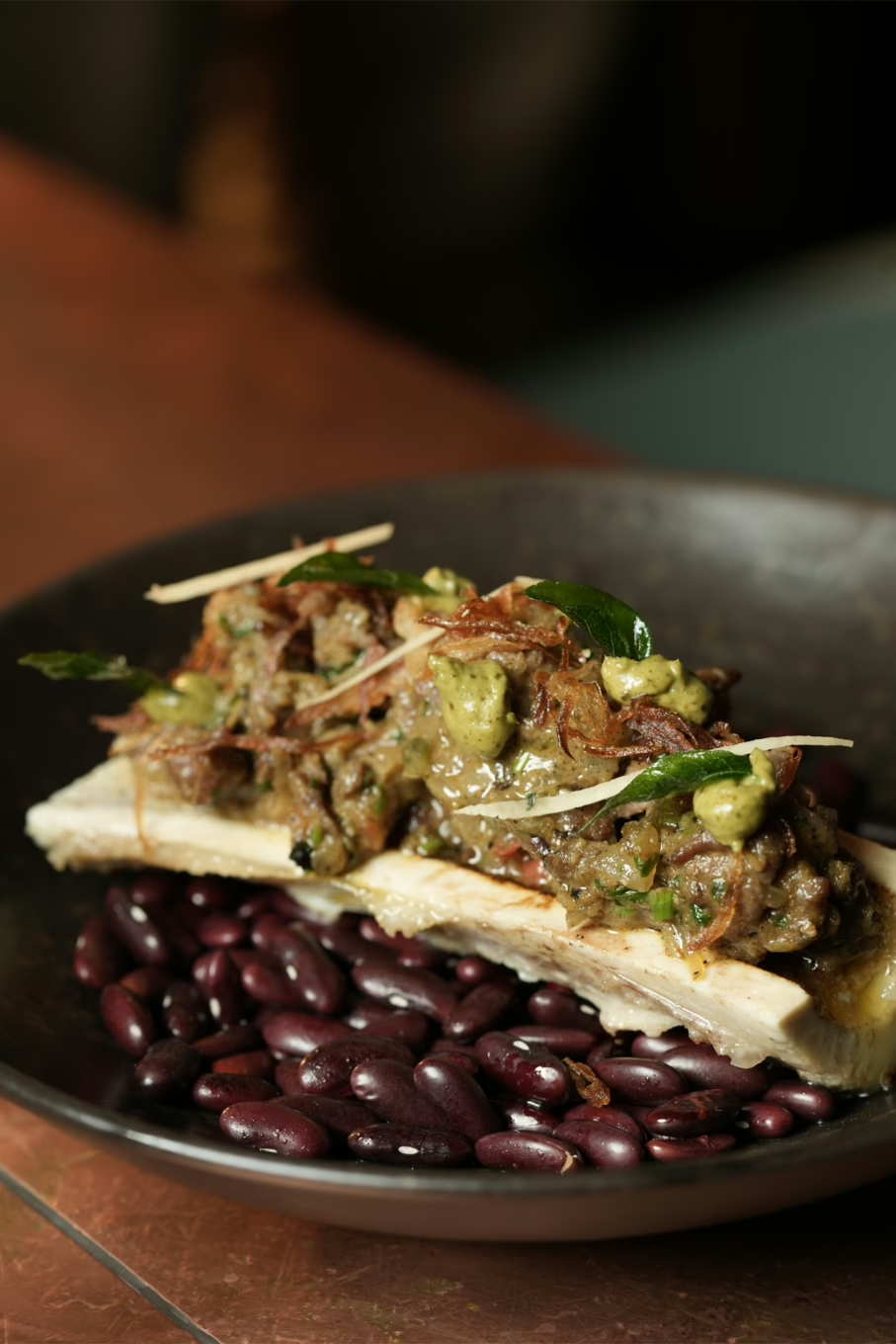

SOUTH INDIAN FLAVOURS SHOW UP at Madras Cocktail Company (or MadCo), designed in the spirit of Prohibition-era speakeasies, where guests receive a passcode and location via Instagram. Primarily a watering hole, with a starry-sky-like ceiling and meme-filled take-home coasters, diners also rave about the 60-seater bar’s food menu.
Chef Mathangi Kumar believes familiar flavours create comfort and draw people back. “We use regional ingredients and nostalgic pairings in subtle ways, so it instantly connects with people who grew up eating them,” she says.
The menu features dishes like Kerala beef roast on seared bone marrow; ghee coconut rice with spicy, aromatic Chettinad chicken – a traditional recipe of the Chettiar traders; and spring rolls stuffed with haleem (a thick meat stew popular in Hyderabad) served with raw mango and caramelised onion salad.
“Fusion isn’t something we are pursuing,” says Kumar. She explains that they want to stick to food that feels honest and anchored in its roots, even when presented in a contemporary way. The kitchen is also embracing sustainability, using homegrown produce and repurposing waste.
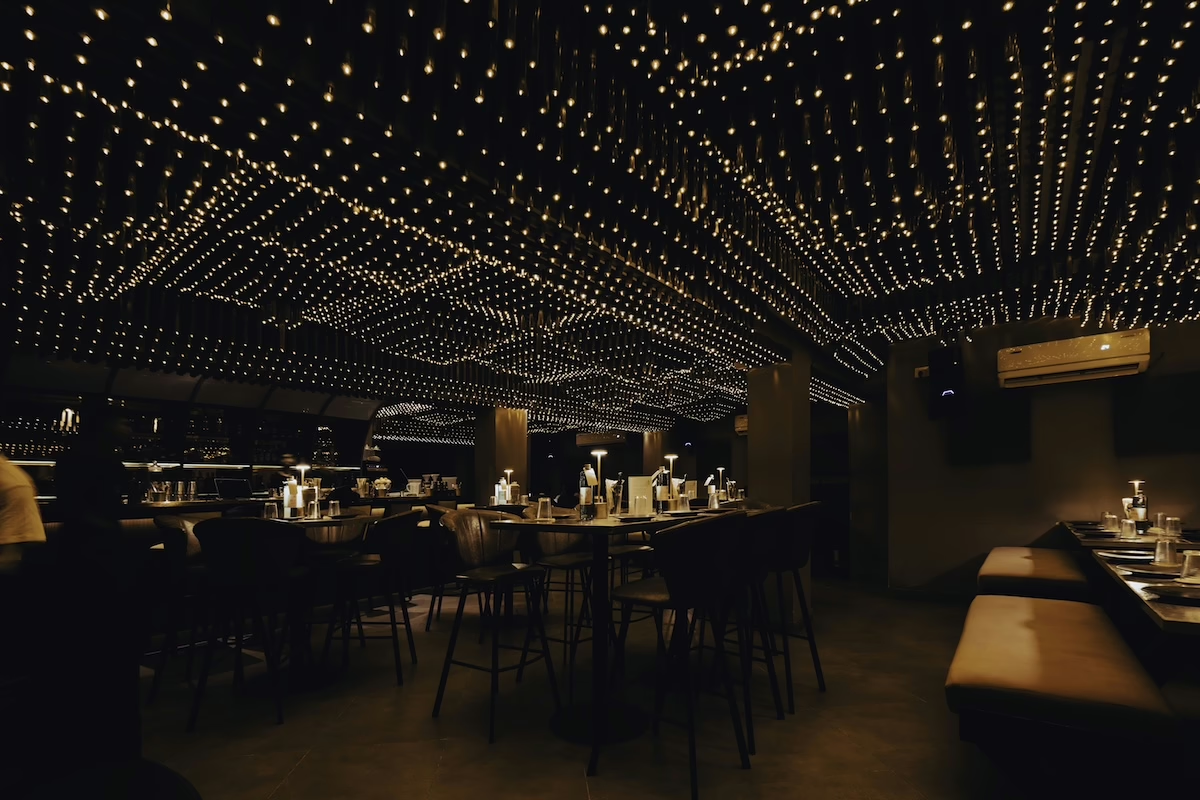
As Chennai’s dining culture grows more confident and experimental, Kumar attributes this to increased travel and cultural exposure. “The younger generation is extremely curious about food. They watch shows that spark interest in ingredients, techniques and cuisines that many of us didn’t even know about a decade ago,” she adds. This curiosity fuels the city’s evolving food scene, and births smaller, indie venues celebrating micro-cuisines.
These modern culinary establishments show that Chennai is keeping pace with industry trends seen in other major Indian cities. But as Kumar notes, “What makes Chennai truly distinct is how fiercely it protects its roots. It’s a beautiful duality.”
Luxury stays in the city
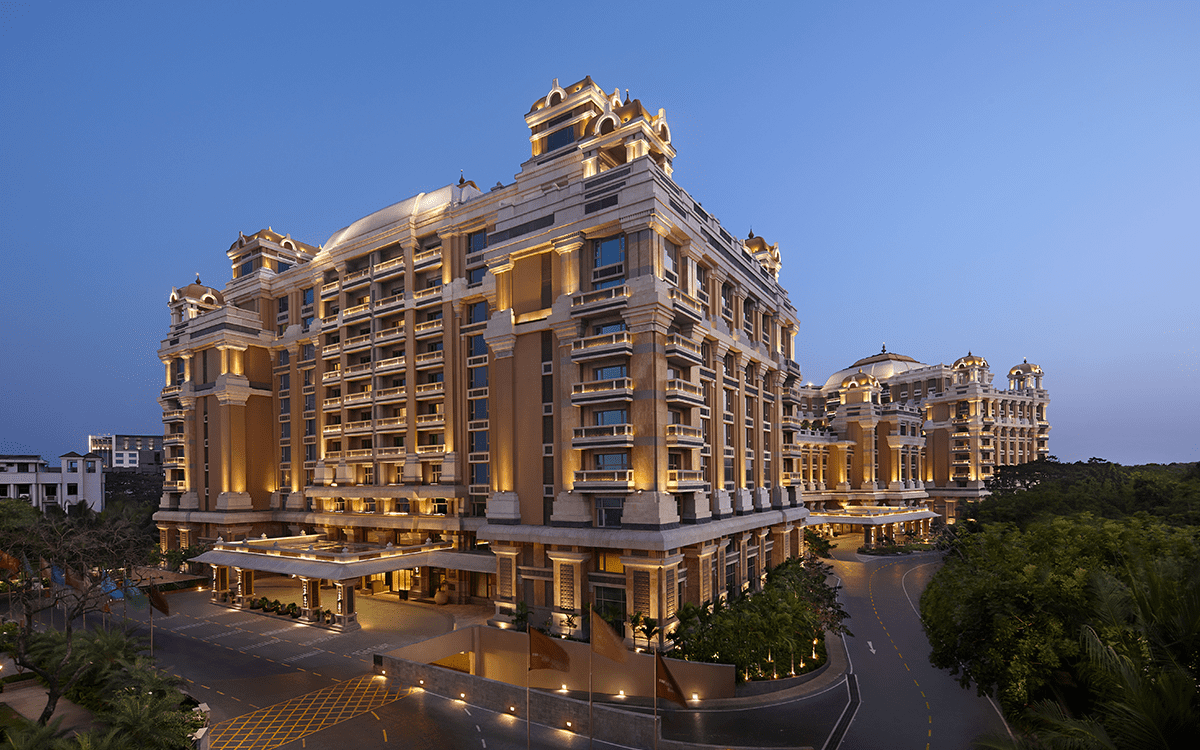
The 522-room ITC Grand Chola is inspired by South India’s Chola temples. The luxury hotel’s grand lobby and Dravidian pillars complement dining that spans modern South Indian, pan-Asian and royal vegetarian recipes. itchotels.com
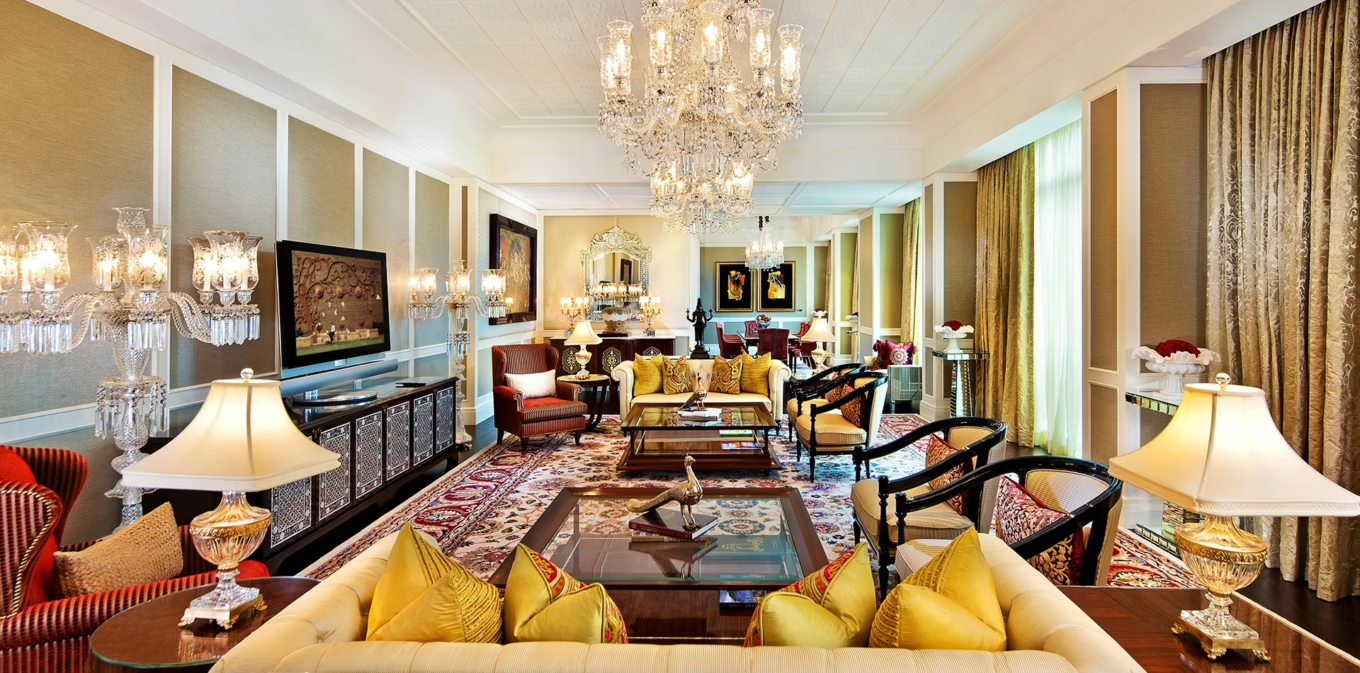
The Leela Palace Chennai, a modern seafront hotel in upscale Adyar, has 326 rooms and suites, some with sea views and private butlers. Dine at Cantonese restaurant China XO or unwind at Library Blu with tapas and sundowners. theleela.com

Sunlit courtyards and exquisite interiors define Taj Connemara‘s historic 147-room property. Dine at Raintree, set around a central pond, while enjoying South Indian dance performances and regional cuisine. tajhotels.com