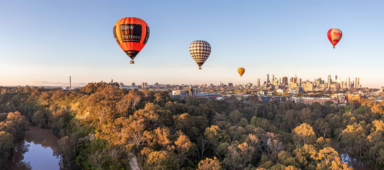

Most visitors flock to the annual Rainforest World Music Festival in June. But in Kuching, the real headliner is biodiversity, with moments of wonder and lush natural landscapes in its surrounding region
Photography Thinnesh Kumar
As the day cools and evening settles over Mount Santubong, a low, steady hum drifts through the forest. It feels elemental, like a heartbeat, but the source is human: the opening chords of the Rainforest World Music Festival. Returning from 26–28 June 2026, the festival plays out at the Sarawak Cultural Village, a 40-minute drive from Kuching, where thousands gather to see global fusion acts perform against a lush forest backdrop.
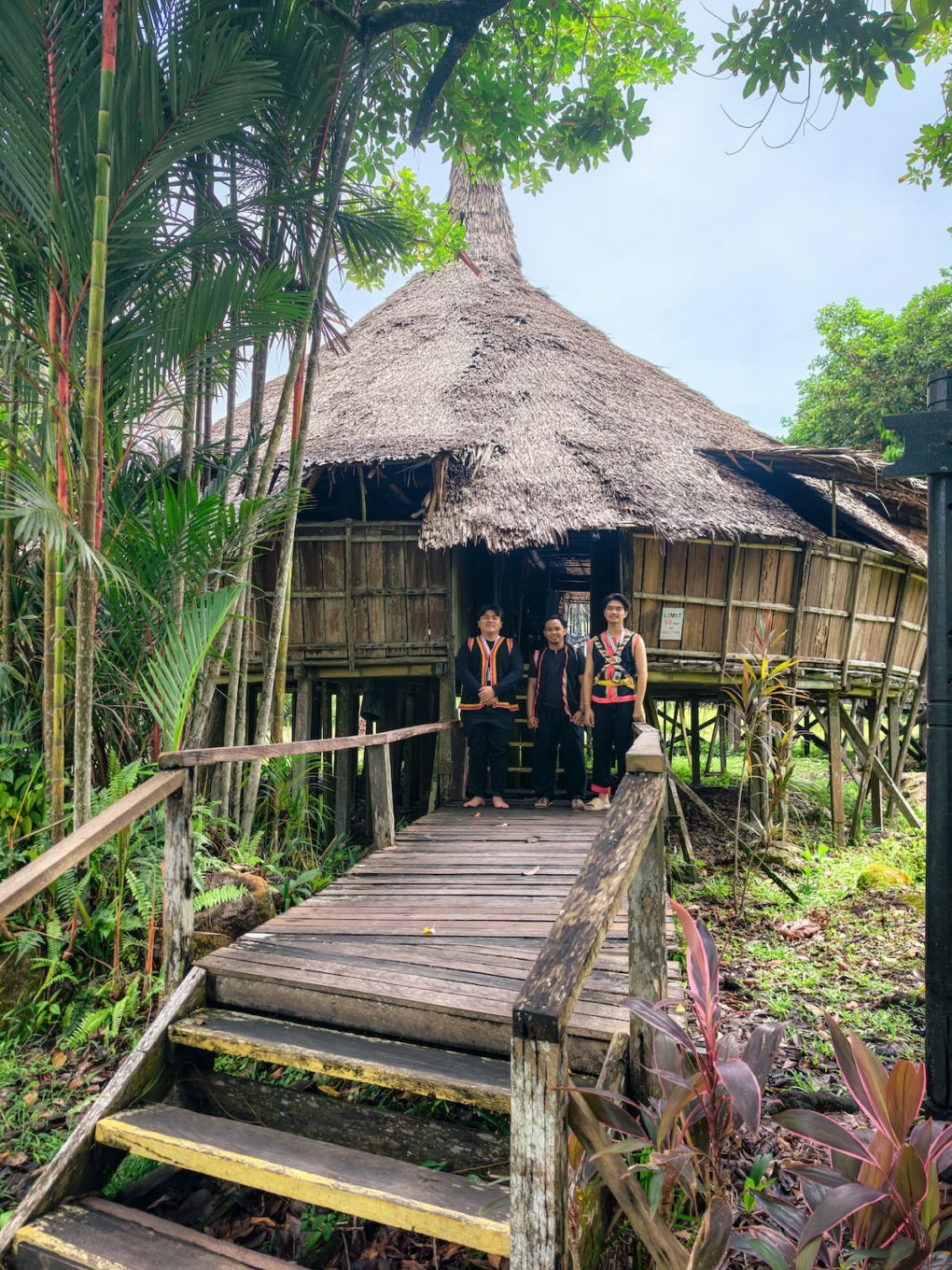
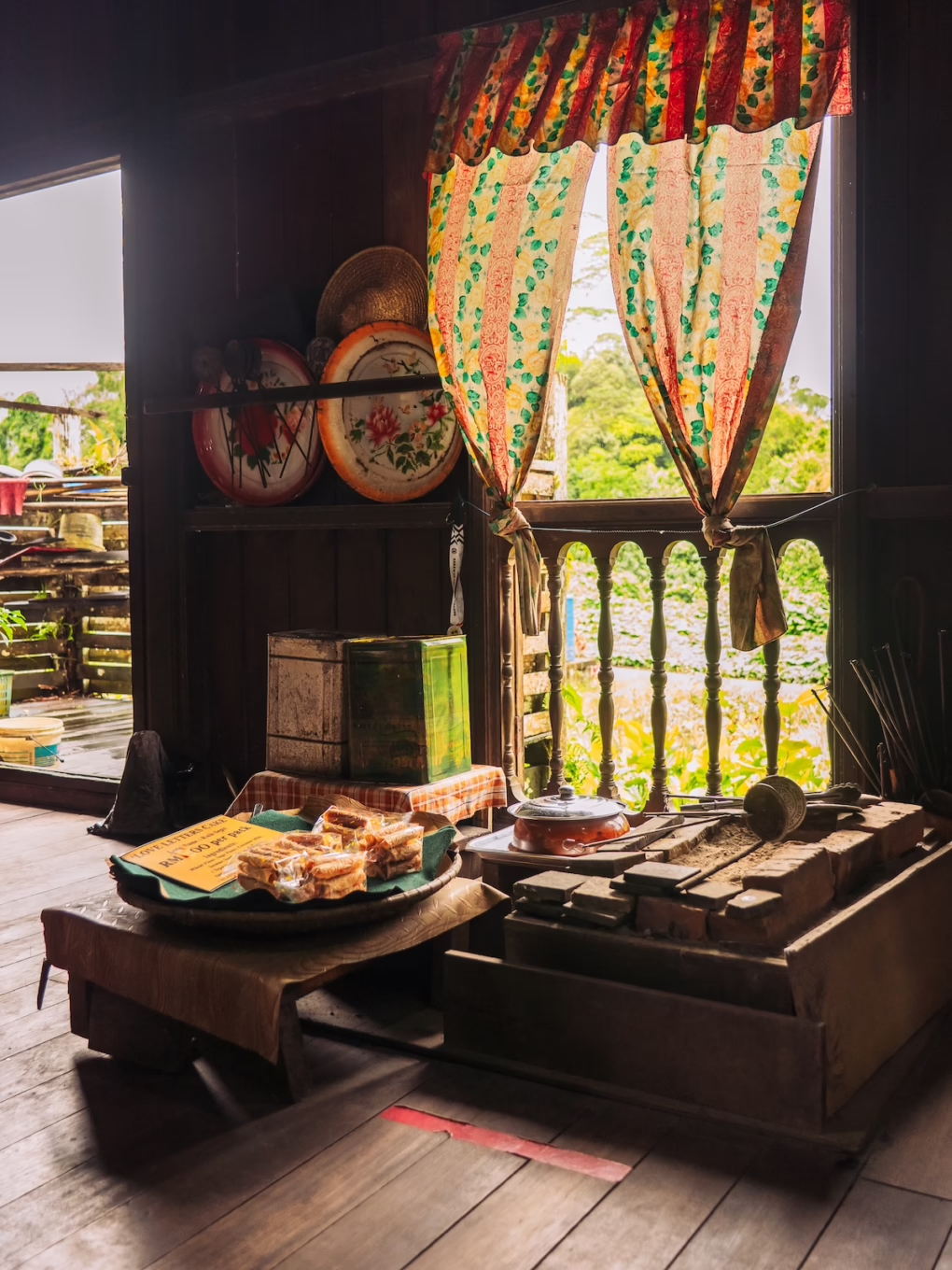
But the setting is as compelling as the music. By day, the same grounds offer a deeper introduction to Sarawak’s cultural and natural heritage. Skip the general stroll and head straight for the Bidayuh Baruk (headhouse). Inside, the air is thick with the scent of woodsmoke and penganan – traditional kuih available to taste for a small fee.
A few steps away, the main theatre stages cultural shows daily at 11.30am and 3.30pm. Don’t watch from the back; sit near the stage to hear the sharp twang of the sape and watch dancers move in sync. It’s here, amid the traditional dwellings of Sarawak’s seven major ethnic groups, that you realise this isn’t a static display of heritage but a living culture.
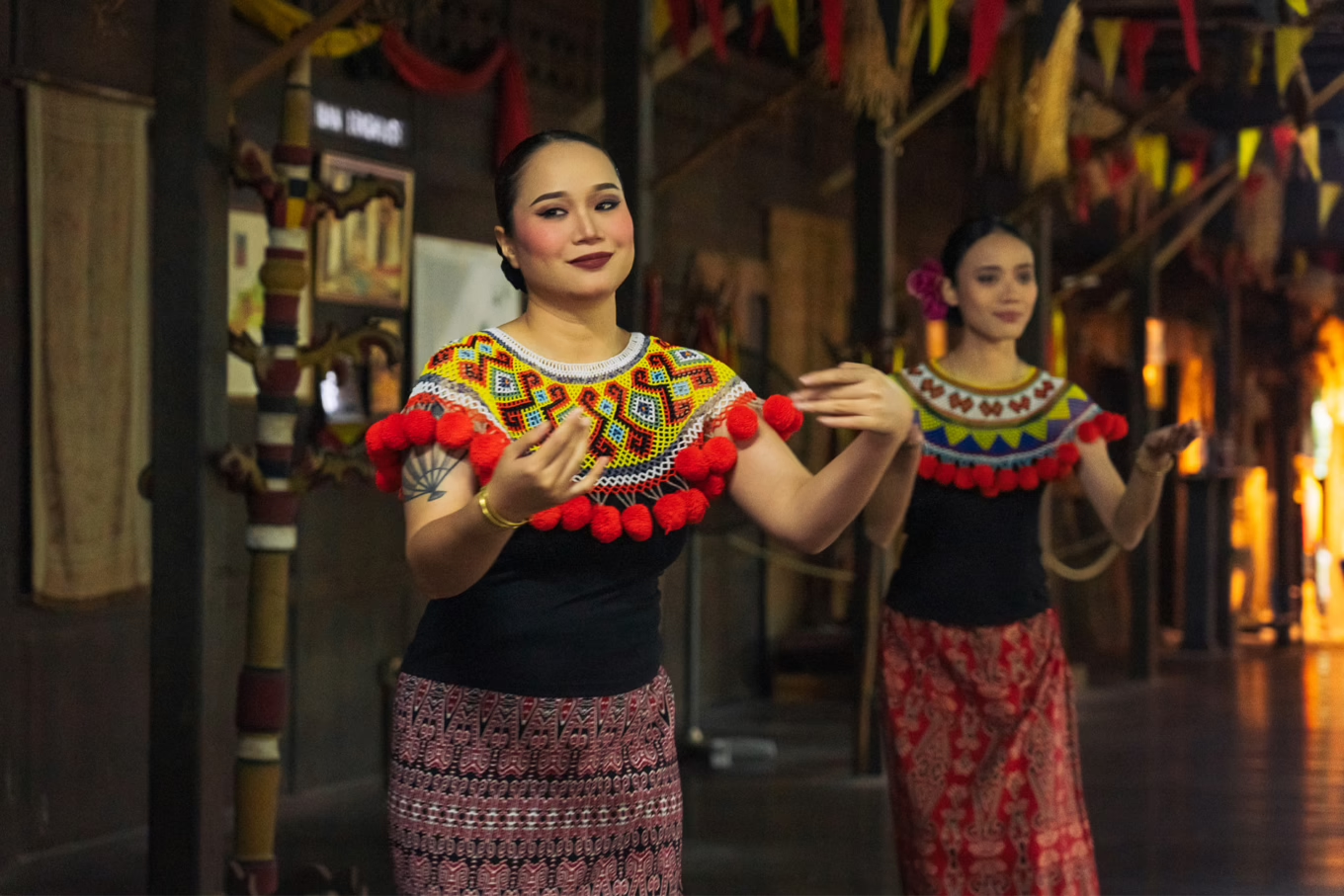
The annual music festival, meanwhile, offers a gateway to the rich biodiversity of Kuching and its surrounding landscapes.
Legacies of Santubong
Just beyond the festival grounds, the Santubong Archaeological Park reveals a deeper past. Recent excavations at Sungai Jaong have uncovered evidence of a 10th-century global trading hub that predates many known regional empires. Encompassing Sungai Jaong, Bongkissam, Bukit Maras and the Wallace Centre, these preserved sites offer insight into Santubong’s early days as an India-China trading port.
Stand before Batu Gambar at Sungai Jaong and look closely at the spread-eagle human figure carved into the sandstone – an eerie, tactile connection to a maritime civilisation that smelted iron here a millennium ago.
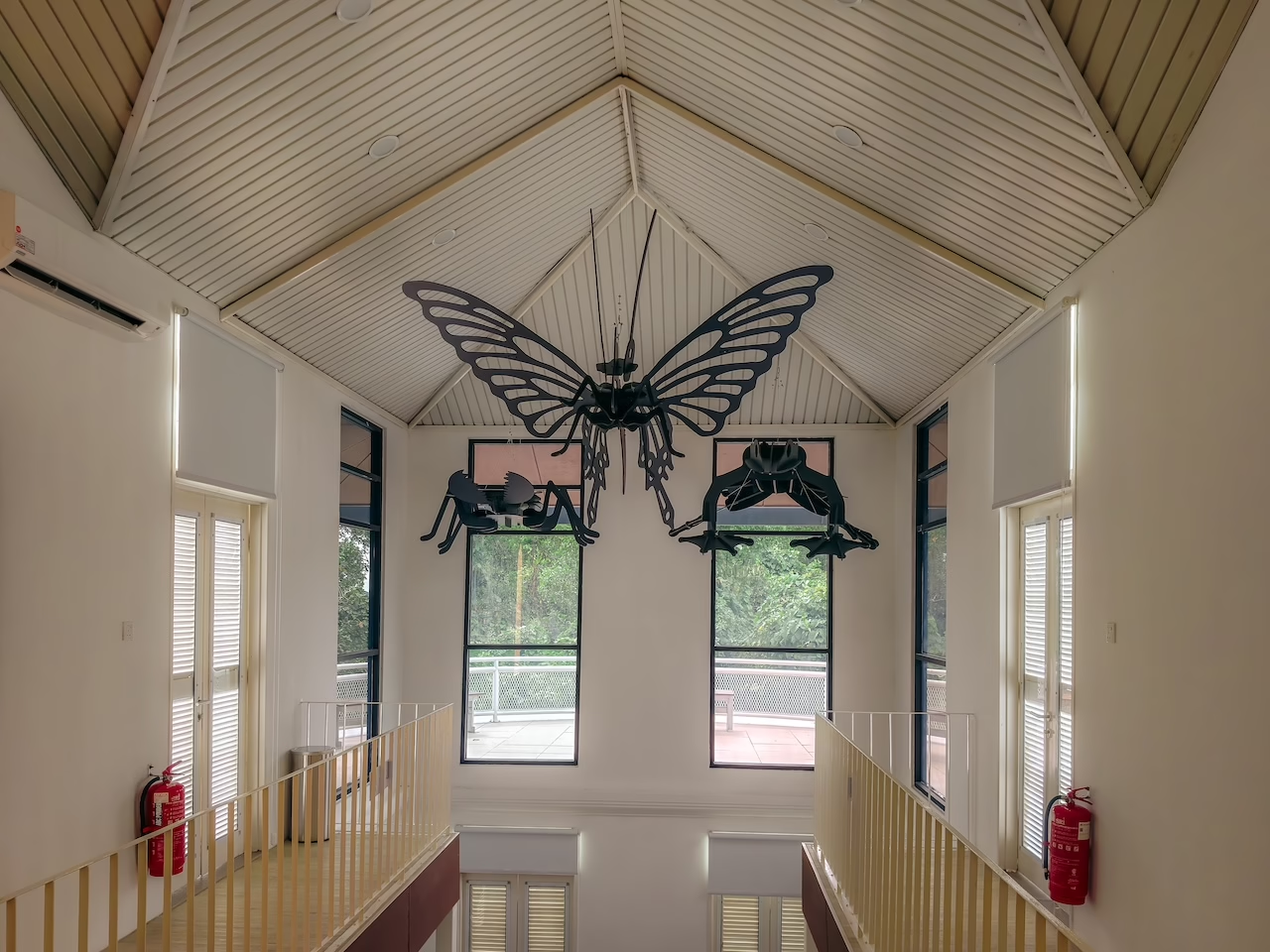
Nearby, the Wallace Centre, housed in a restored colonial bungalow, marks the spot where pioneering British naturalist Alfred Russel Wallace drafted his 1855 “Sarawak Law” paper. It’s a thrill for science buffs: Wallace beat Darwin to the punch on several key ideas of natural selection right here on this hillside! Pro tip: admission is free but go before 11am to beat the midday Santubong heat.
The silent waterways
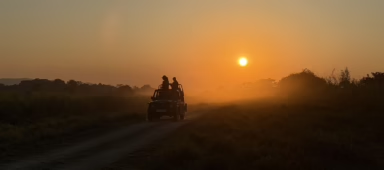
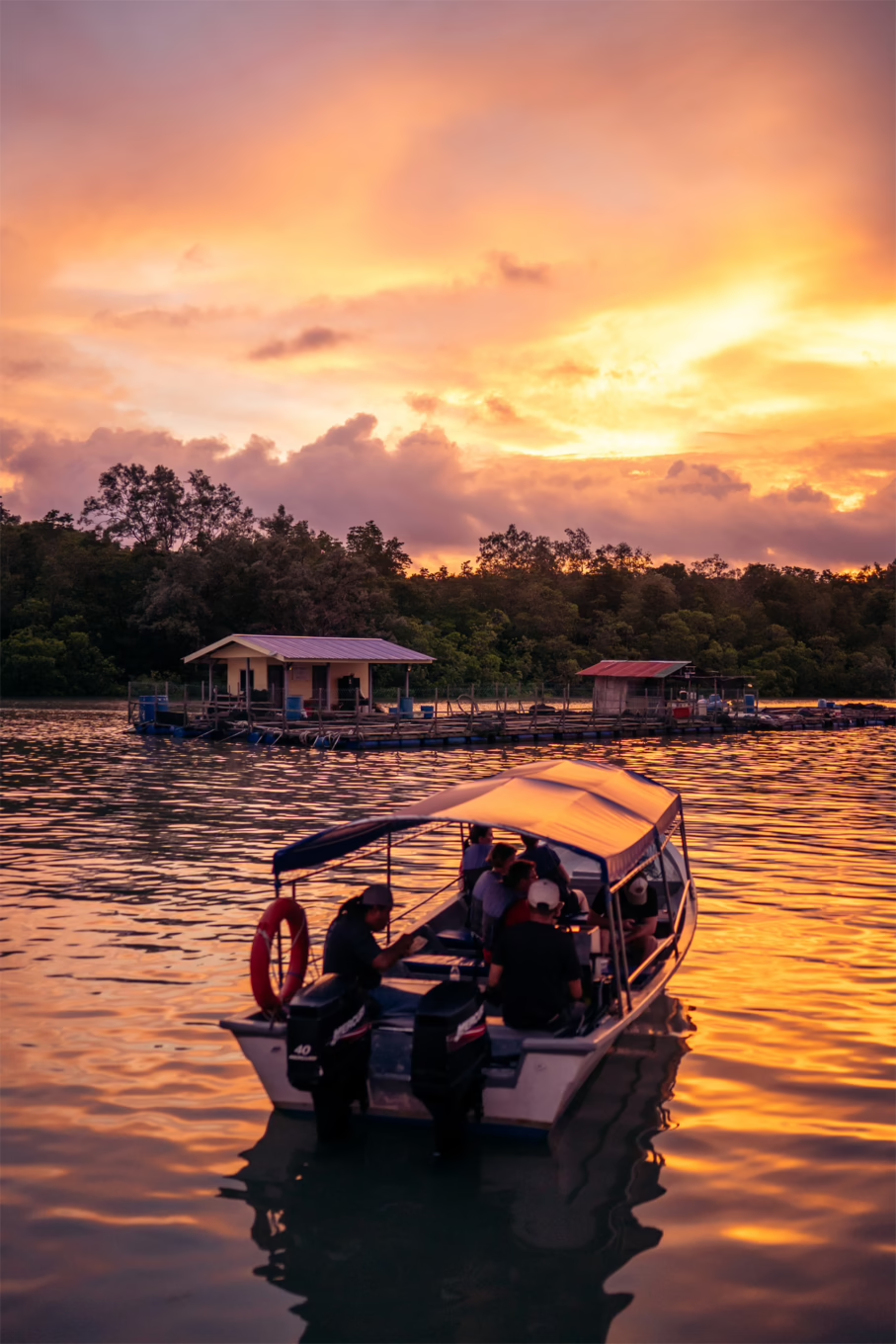
To see Kuching at its most elemental, head back towards Santubong’s coast. Sunset mangrove tours depart from the Santubong Boat Club, a small jetty 35 minutes from the city. Operators such as Borneo Adventure run 3–4-hour excursions in specialised, quiet-engine boats that glide through Kuching Wetlands National Park without disturbing wildlife.
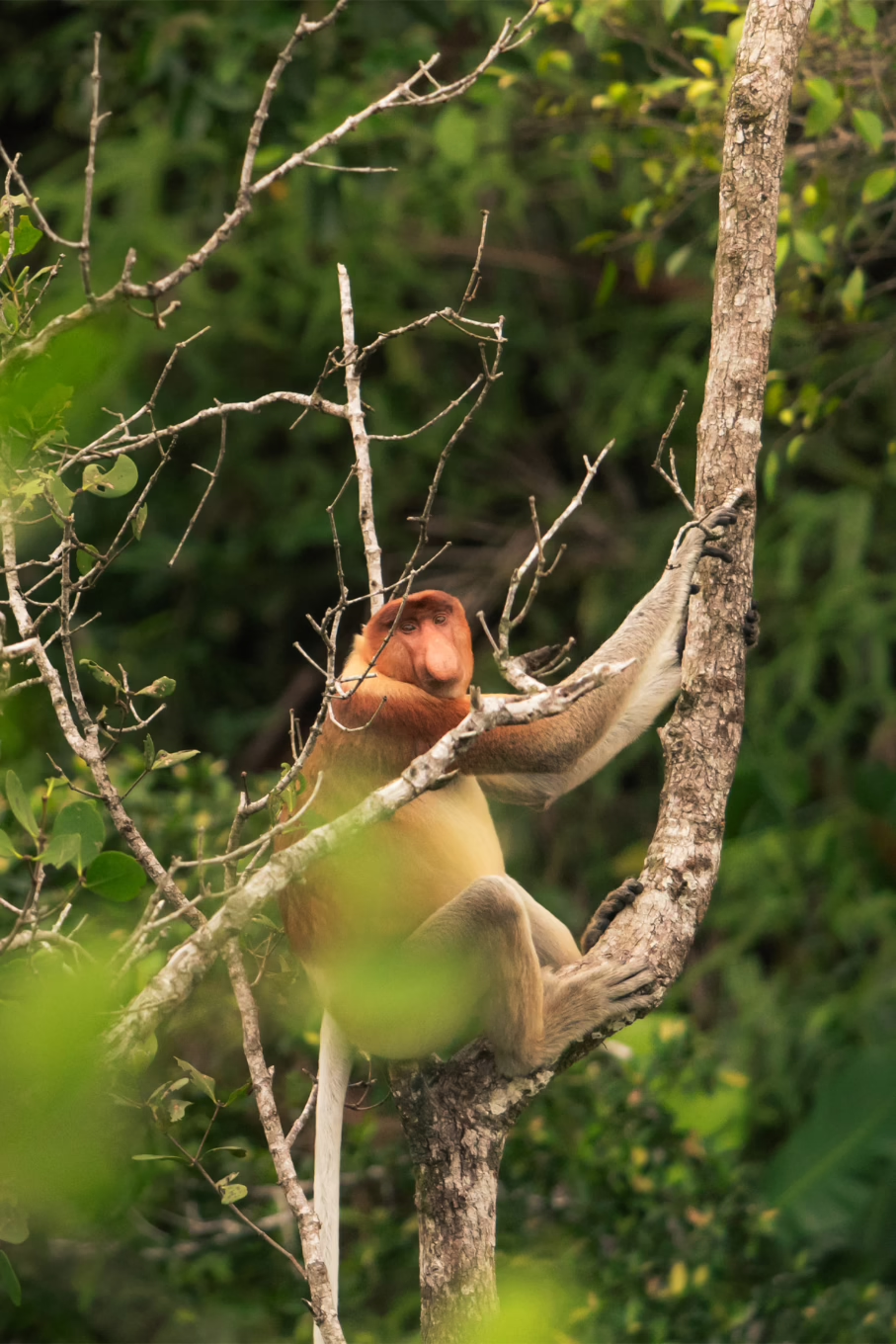
Watch the muddy banks for endangered proboscis monkeys and saltwater crocodiles. These waterways also provide sanctuary to the Irrawaddy dolphin – blunt-nosed, charcoal-grey and shy. You won’t see them leaping; instead, look for a subtle “rolling” break in the water. Spotting one is a rare privilege, as they tend to avoid boats and move in small, tight-knit groups of two
or three.
As dusk falls, the boatman cuts the engine near the berembang trees. This is when the fireflies begin their synchronised dance, a rhythmic pulse of green lights that makes the trees feel as if they are breathing.
Caverns of time
An hour from Kuching, the gold-mining town of Bau anchors one of the region’s most adventurous day trips. Here, rising from limestone hills, the Fairy Cave and Wind Cave – just five minutes apart by car – offer more than stalactites and stalagmites.
Fairy Cave begins with a steep stair climb into darkness before opening into a vast, cathedral-like chamber where filtered sunlight sustains a lush vertical garden. The interplay of light and humidity creates a rare, almost otherworldly microclimate. Wear sturdy shoes with good grip for a safer, more comfortable climb.
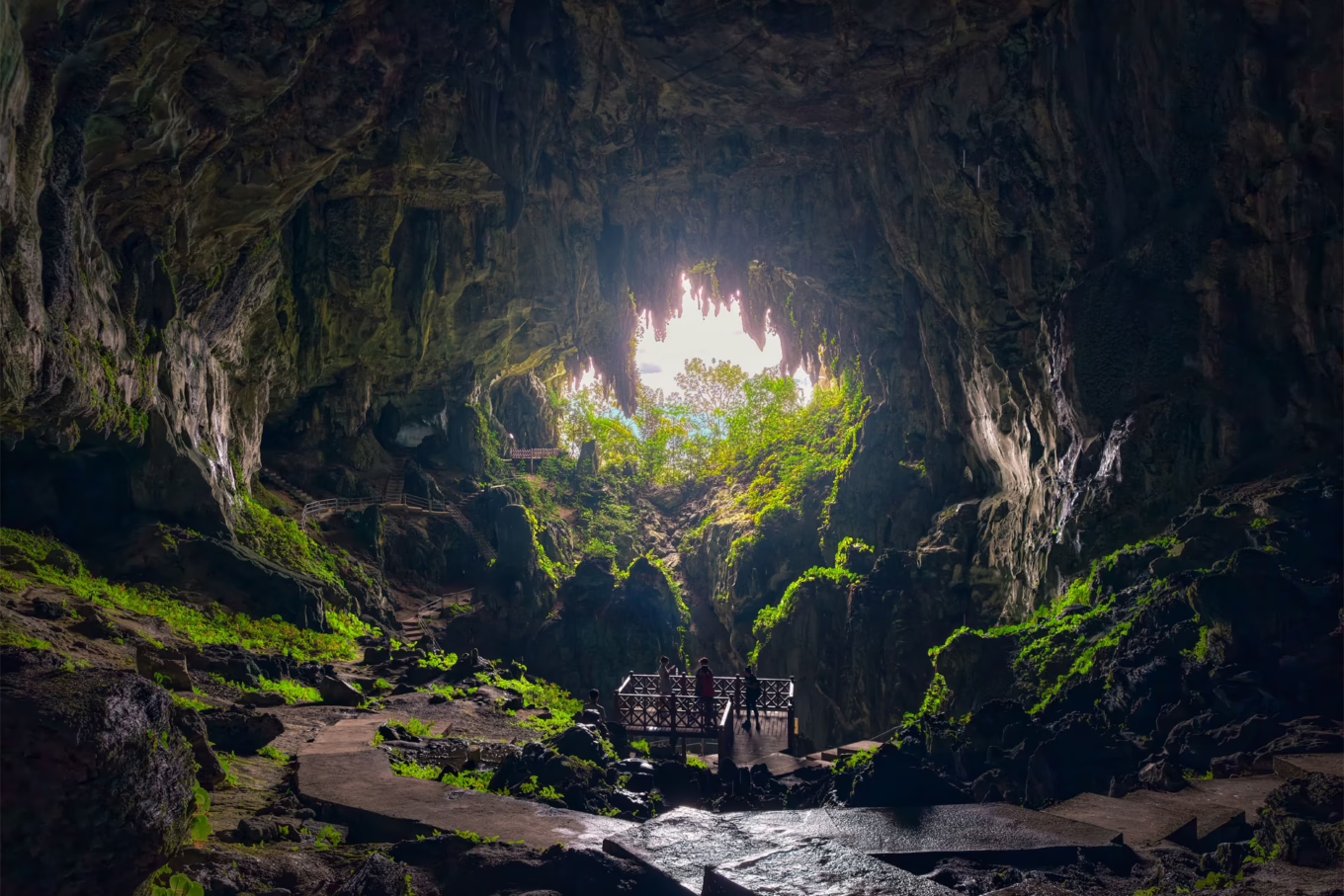
Wind Cave, by contrast, is cooler and enclosed. Named for the constant breeze flowing through its tunnels, it forms a subterranean labyrinth. While it lacks Fairy Cave’s dramatic light, its shaded entrance supports rare plant life, while swiftlets and bats inhabit the darker recesses. The paths eventually lead to riverbanks, offering an easy photo op.
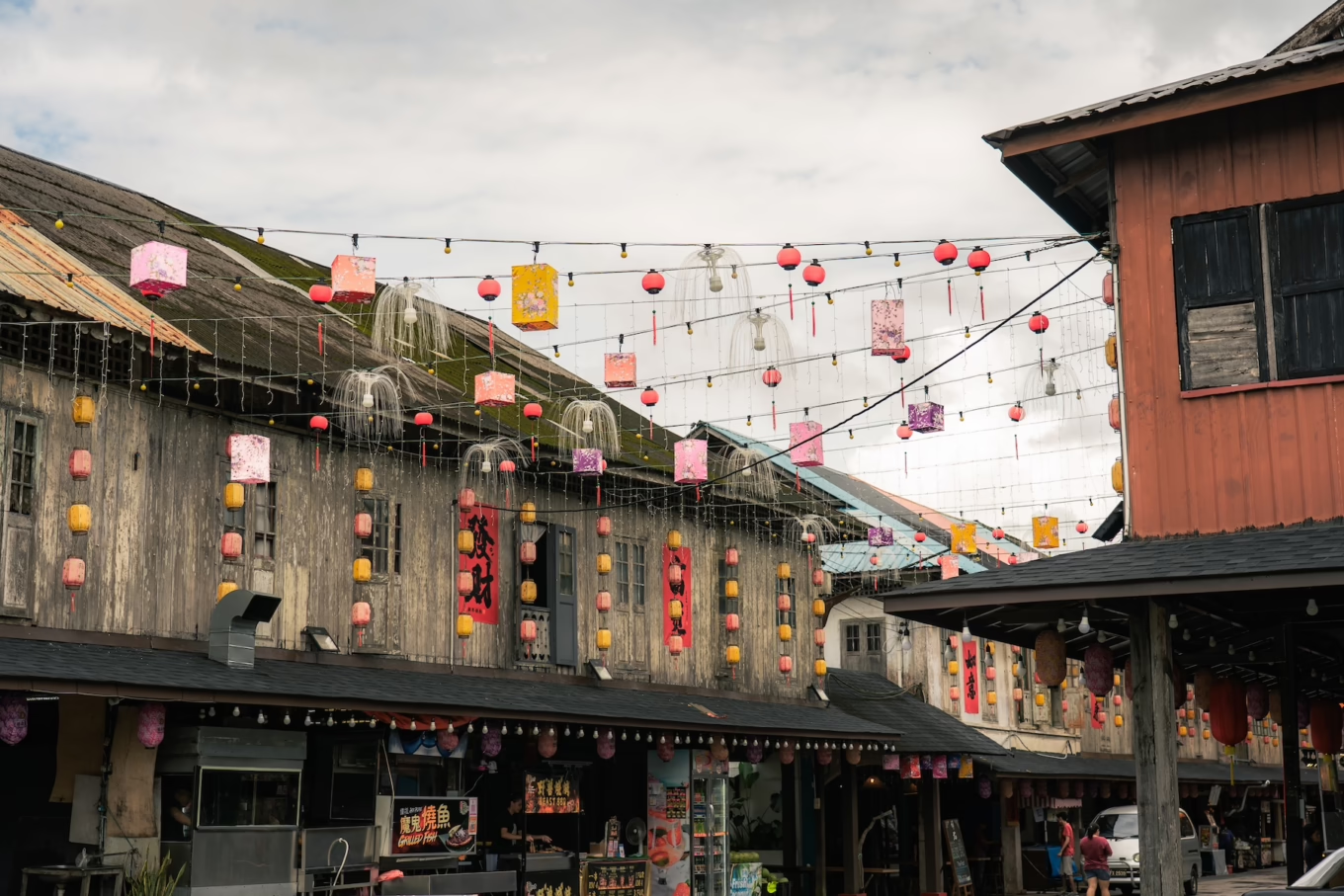
On the return, detour to Siniawan Old Town. By day, it’s a sleepy row of 19th-century wooden shophouses dating back to the 1840s; on weekends, it transforms into a lantern-lit street market with a faintly wild-west atmosphere.
Guardians of the forest
Around half an hour from the city, the Semenggoh Wildlife Centre offers a different kind of encounter. This is not a zoo, but a rehabilitation site for orangutans rescued from captivity or deforestation.
Arrive for the 9am feeding and listen closely to the ranger’s briefing; he often points out which “celebrity” resident is nearby. If Ritchie, the 140kg alpha male, appears, the forest falls noticeably still – even the birds go quiet.
Sightings aren’t guaranteed. “If they don’t come to the platform, it’s a good sign,” the ranger explains. During fruiting season (November to March), sightings drop by 50%, making any encounter feel like a hard-earned reward.
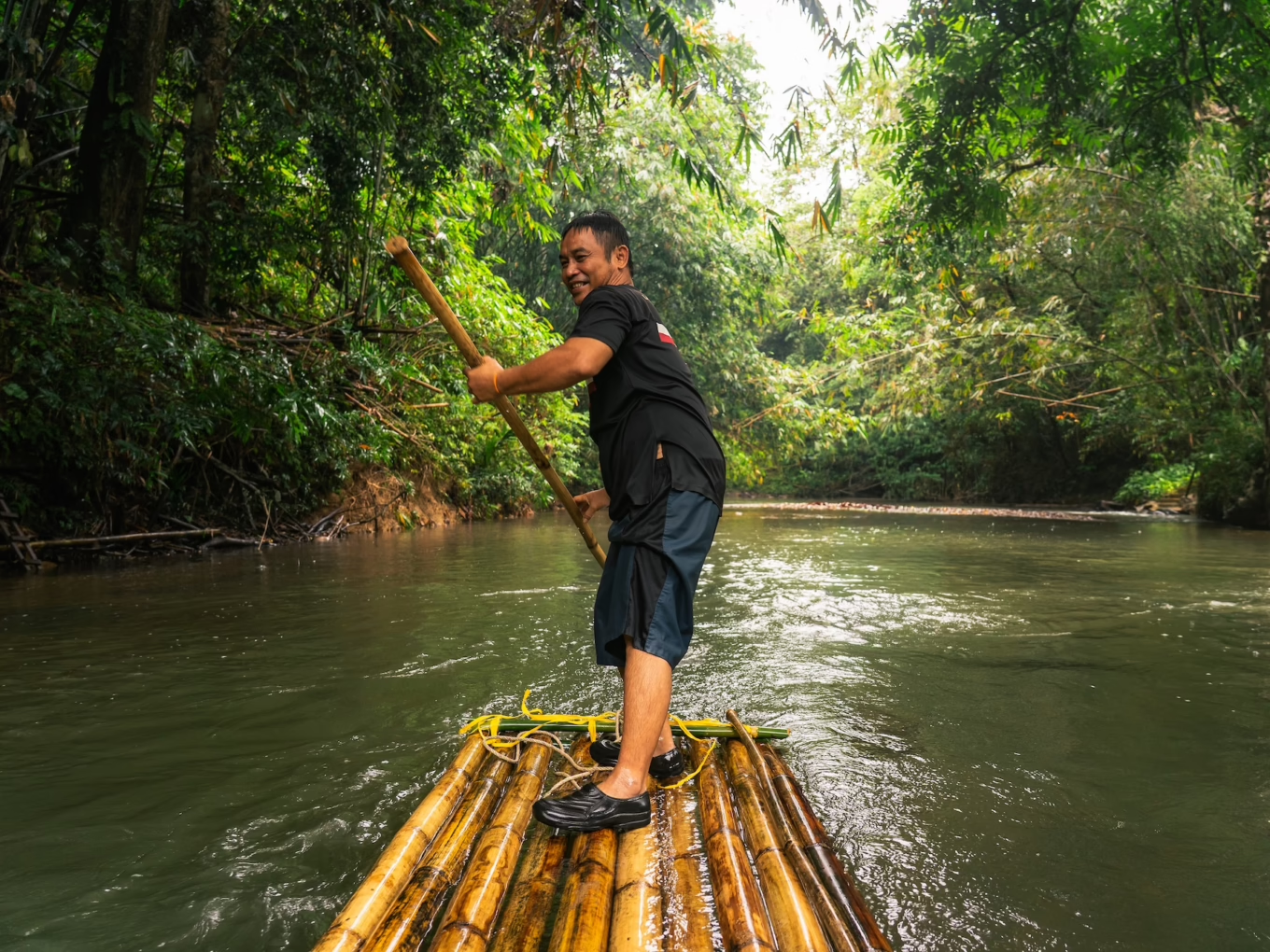
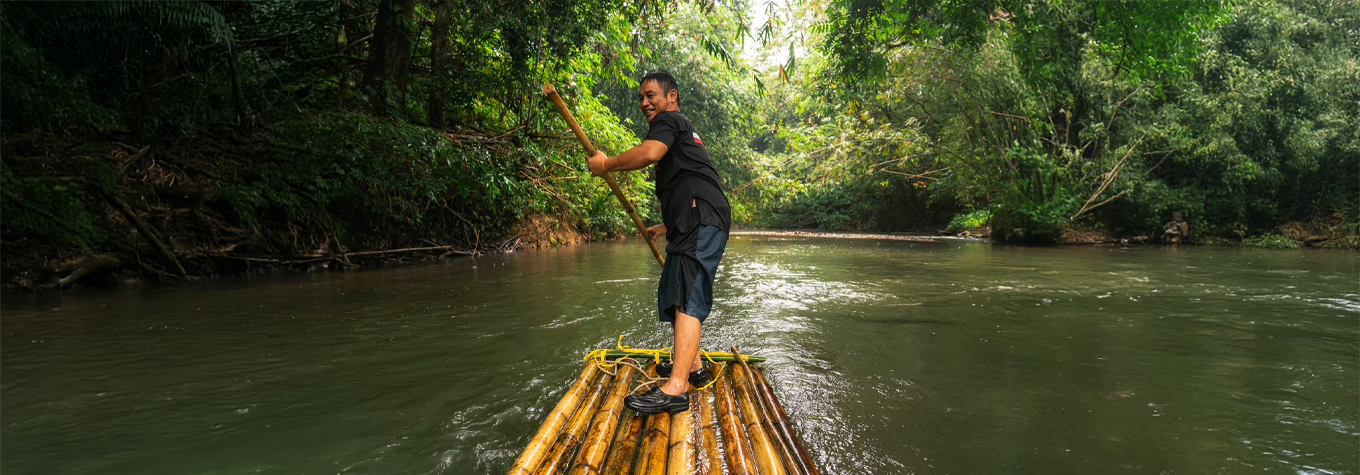
Another way to experience the jungle is to float down the Sirin River, near Peraya village, a limestone area surrounding Kuching about 45 minutes to an hour from Semenggoh. Bamboo rafts, made from 10 sturdy poles tied together, carry you through quiet rainforest and past local villages, just as they did in the old days. Over two hours, you navigate mild rapids and turquoise pools, pausing at a pebble bar for a Bidayuh jungle lunch. Guides stuff chicken, ginger and tapioca leaves into fresh bamboo tubes to make manuk pansuh, slow-roasted over a driftwood fire. The flavour is smoky, botanical and impossible to replicate in a kitchen.
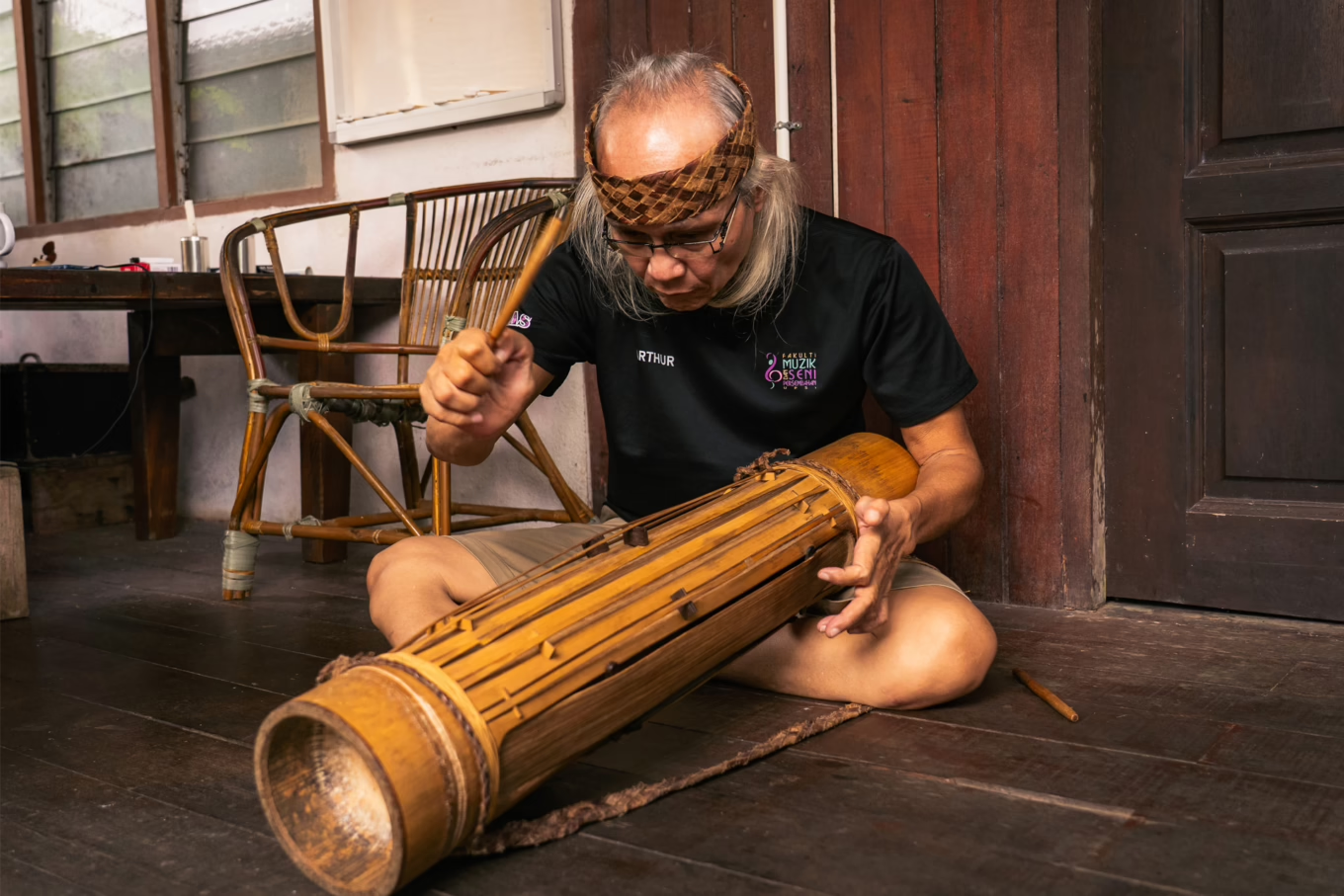
For true immersion, head an hour inland to Annah Rais Longhouse, where bamboo architecture blends seamlessly with the surrounding rainforest. This is a living Bidayuh longhouse where 100 families still reside. If you’re lucky, you may encounter Arthur Borman, a local musician and famed master of the pratuokng, a traditional Bidayuh bamboo zither crafted from a single piece of bamboo. Hearing his music is a profound reminder that the most beautiful moments aren’t planned but found in the simple sharing of culture.
Journey through history
Back in the city, Kuching’s heritage core is best explored on foot. Start at the Borneo Cultures Museum, where the third floor delves into Sarawak’s indigenous groups, anchored by a full-scale Bidayuh Baruk, complete with actual skulls on display.
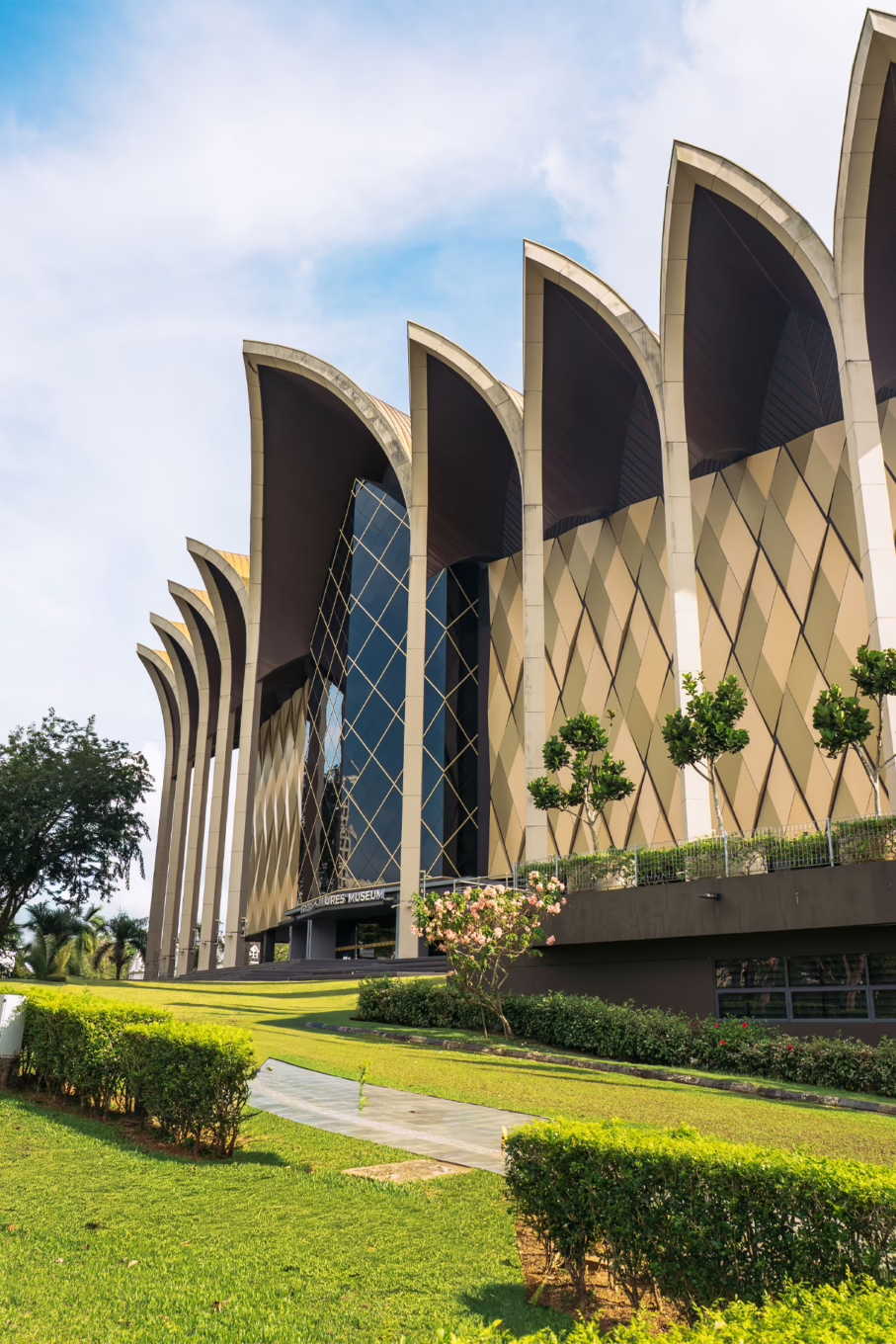
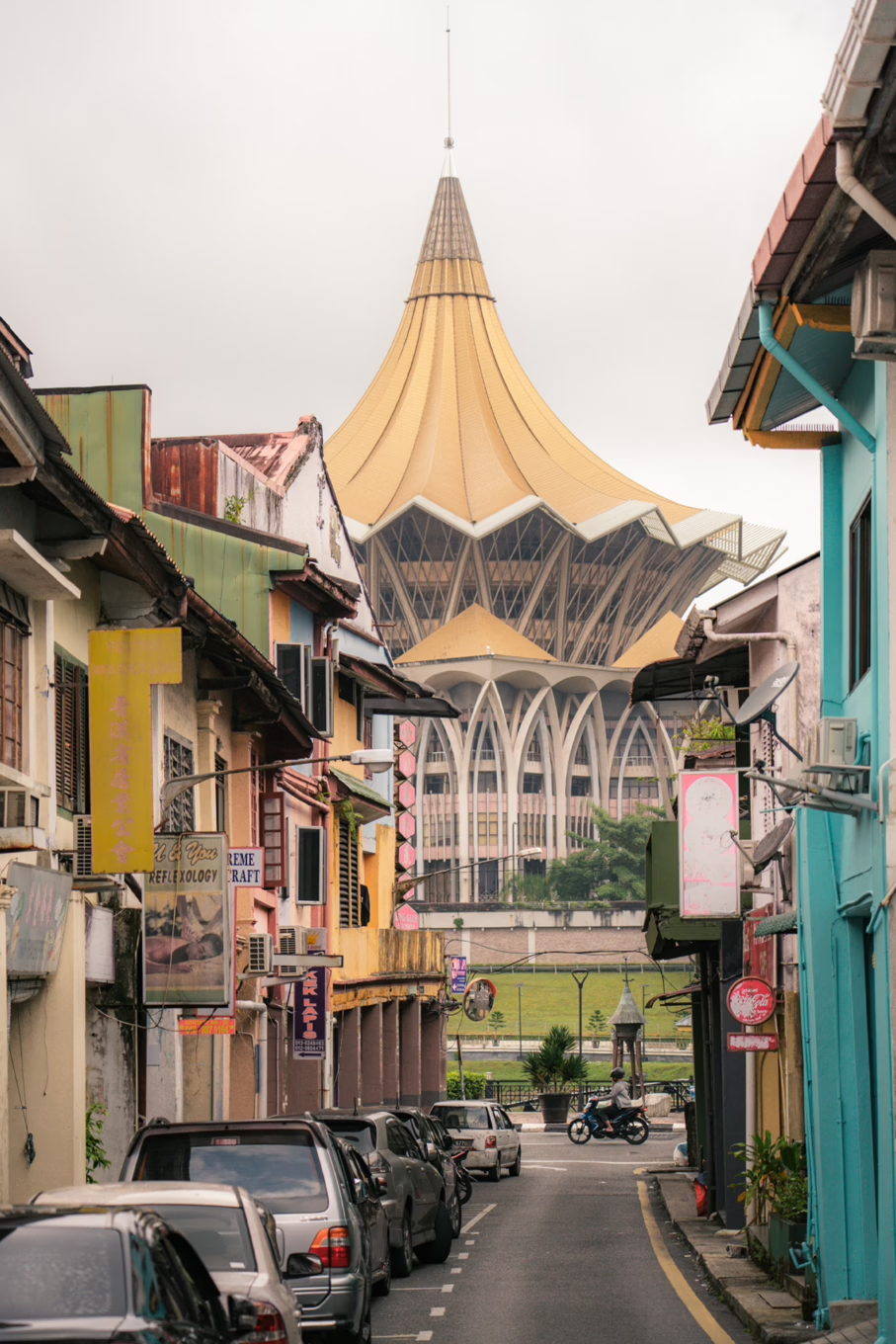
Continue on to the Ranee Museum at the Old Court House. Many know of the former Rajah of Sarawak Charles Brooke, but fewer are familiar with his wife, Ranee Margaret. Fluent in local dialects and a champion of Sarawakian weaving, she engaged deeply with local communities, whose traditions and craftsmanship remain central to Sarawak’s identity. Across the river, Fort Margherita offers a subtle reminder of this era.
From here, wander to the Kuching Waterfront, overlooking the Darul Hana Bridge, a venue for the Sarawak Regatta, first held in 1872, and the Sarawak International Dragon Boat Regatta. These thrilling races reflect unity, tradition and cultural pride, and draw paddlers worldwide.
Soulful bites in Kuching
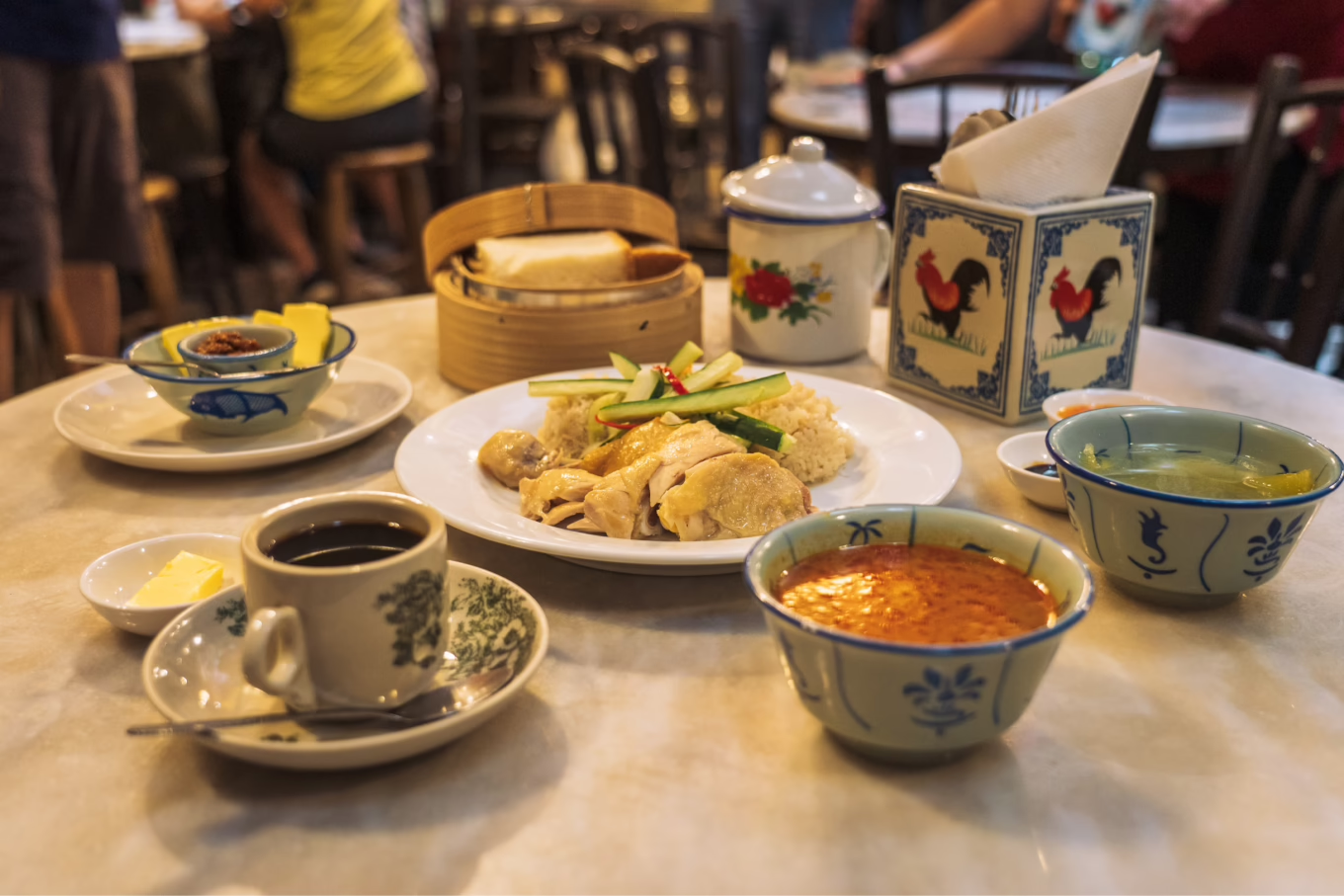 Little Hainan
On historic Padungan Road, husband-and-wife team Julian and Lynda’s vintage-styled kopitiam serves authentic Hainanese chicken rice and hearty dishes that honour family traditions. Each meal is a fragrant celebration of Sarawak’s Hainanese heritage. 207 Jln Padungan
The Lamin
At The Lamin, dishes like ayam pansuh, nasi goreng trio and local midin capture authentic Sarawakian flavours. Located in Telang Usan Hotel, it’s a warm spot for both traditional and vegetarian options. 345 Jln Ban Hock
The Junk
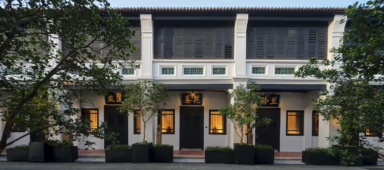
This award-winning restaurant feels like a step back in time, where colonial-era charm meets candlelit warmth. Its Western-Italian menu, from seared steaks to handcrafted pasta, makes each meal intimate and memorable. 80 Wayang St