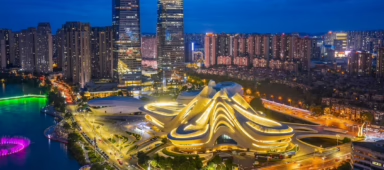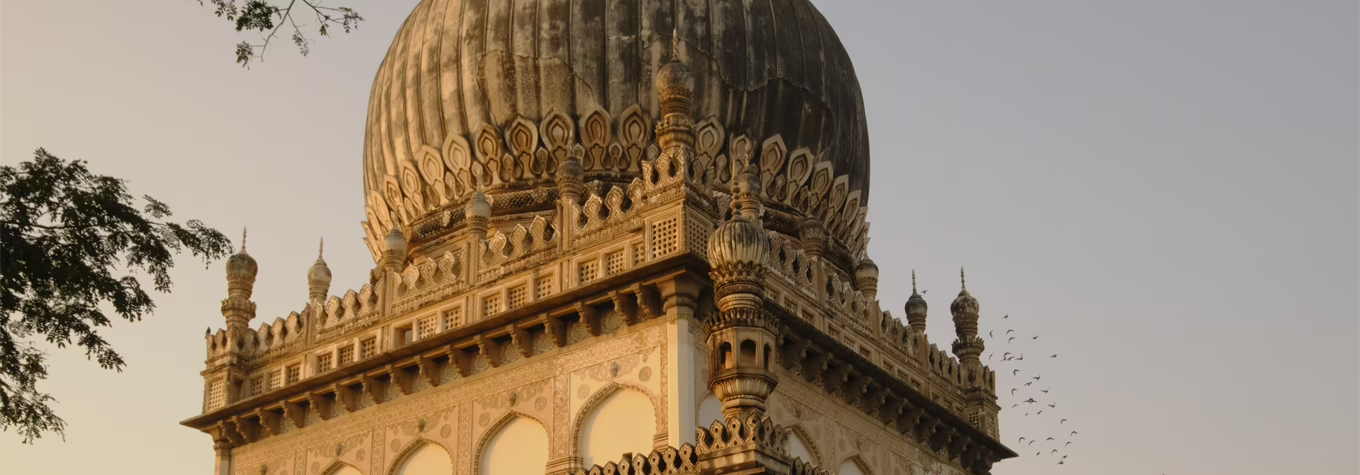

Rooted in history yet shaped by change, Hyderabad reveals its duality as new energy runs through its reimagined cosmopolitan spaces
Photography Athul Prasad
The “City of Pearls” has long held an undeniable charm. Over centuries, the Nizams – the ruling dynasty – cultivated a legacy of refined craftsmanship, rich culture and culinary prowess. I have been visiting Hyderabad for decades, and while it has surged into a bustling cosmopolitan hub, the city’s growth has done little to dampen its old soul. Today, it is a magnet for young professionals, ranking high for its livability and career growth opportunities.
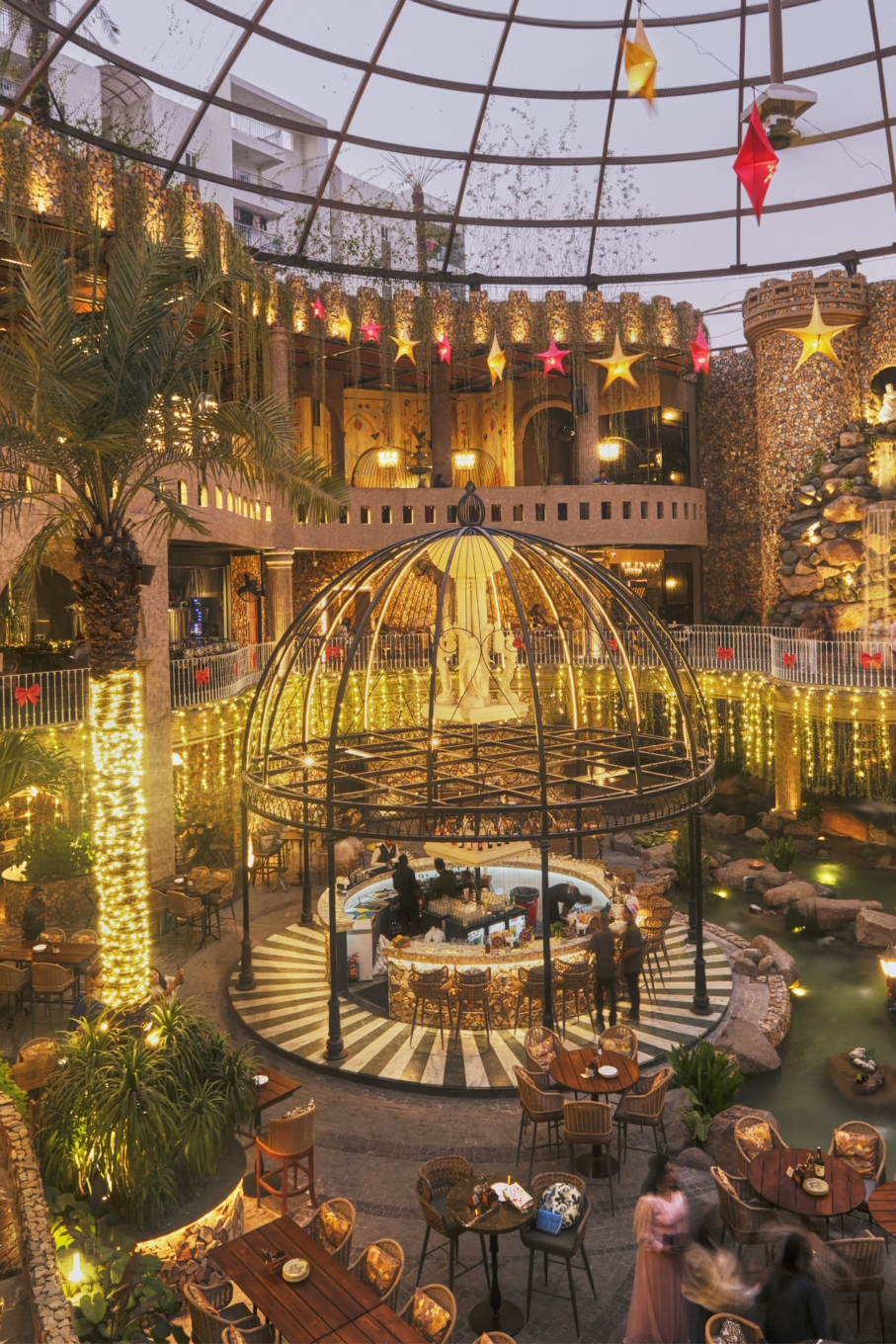
For the first-time visitor, the essence of Hyderabad lies in this duality: a centuries-old grace that persists even as the city embraces an ambitious modern façade. It is a city of stark, beautiful contrasts. In one corner, Irani cafés serve milky, aromatic tea and freshly baked biscuits in the shadow of historic domes and minarets; in another, sleek clubs and breweries showcasing brutalist architecture define the skyline.
Since my last visit, the city has seen the launch of exciting new F&B venues like Loqa, Oxymorons and Bar Kin-Rü. Hyderabad doesn’t just endure change – it embraces it with respect.
Navigating the rush-hour traffic from Rajiv Gandhi International Airport, my friend Rajveer Kaur points out the latest addition to the city’s skyline: the massive Babylon Brewery & Club. At Babylon 2.0, located in the financial district, nightlife is reimagined across a sprawling 100,000sqft destination. Diverting from the brutalist design of its predecessor, this new space features towering stone arches, cascading water features and colossal domed ceilings. “It’s a tribute to a city of ambition,” says Anil Bung, the visionary co-founder of Babylon.
Located in southern India, Telangana is an agriculturally rich state where the results of great produce can be seen aplenty in the capital. From mulberries topped with cream sold in Charminar Bazaar to modern restaurants like Terrāi, food is the language of love here.
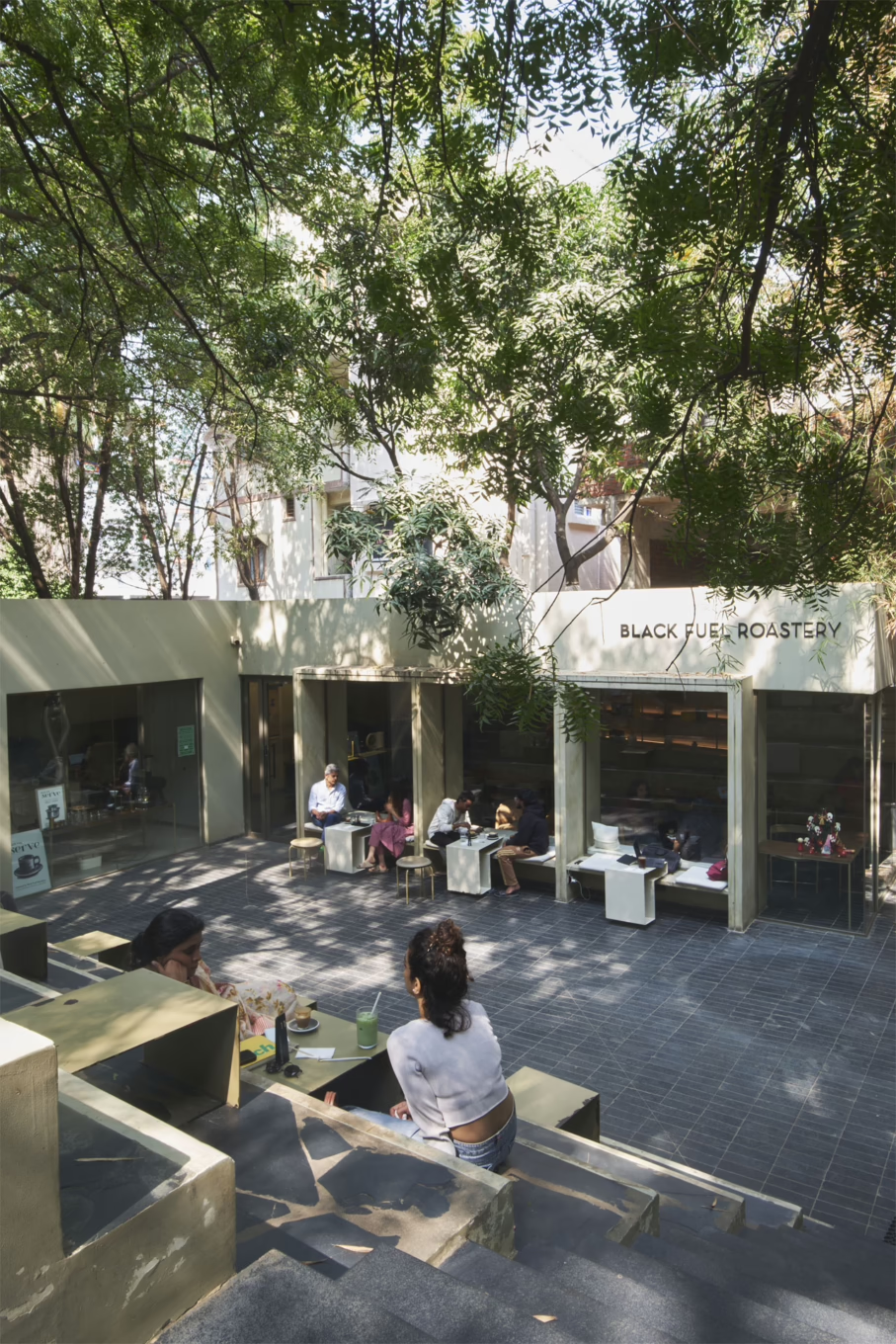
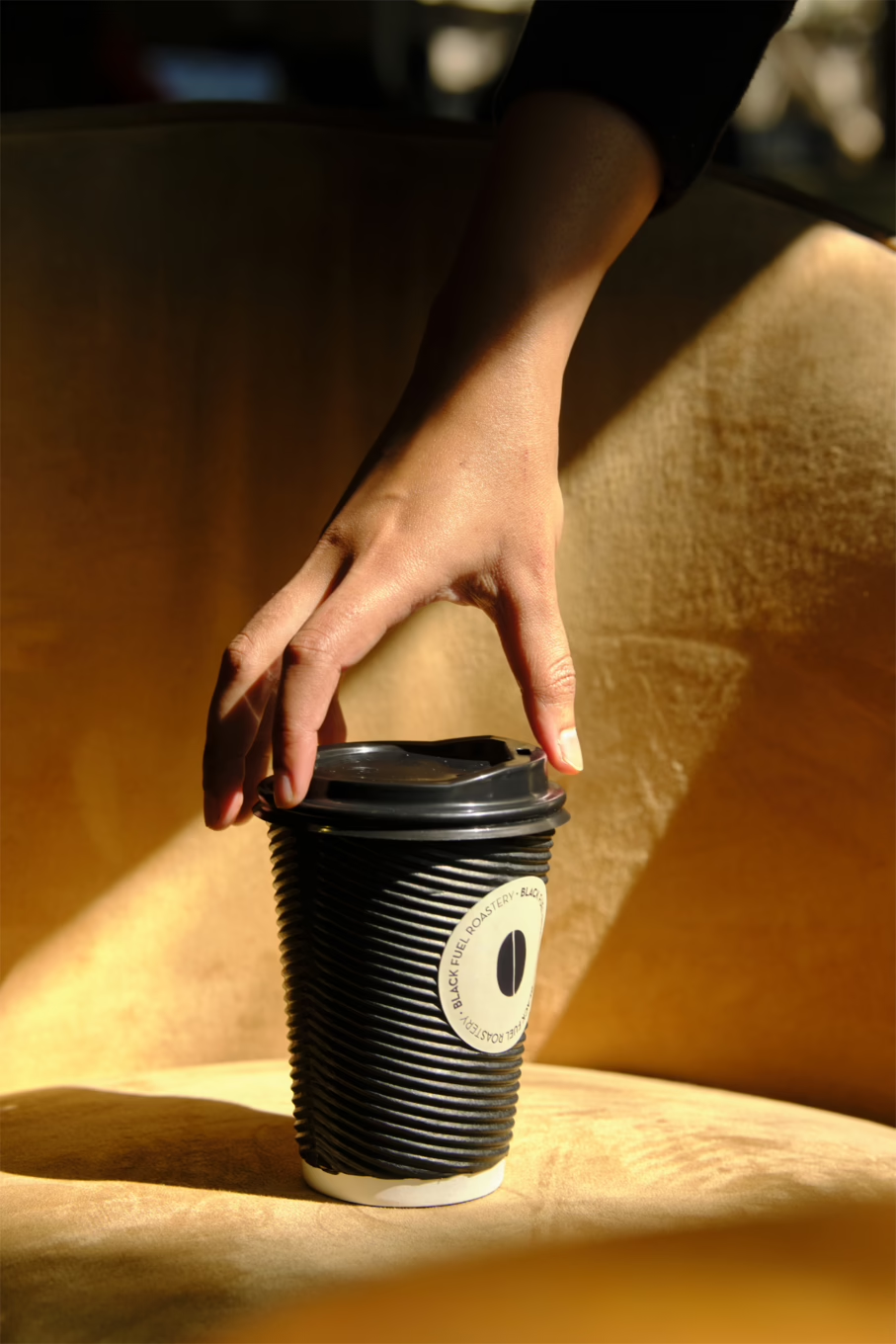
Rajveer and I head to Black Fuel Roastery, tucked away in a quiet lane in Jubilee Hills, a posh, must-visit neighbourhood. My friend insists I try their cold brew as she tells me about the city’s inaugural regional showcase of the India Art Fair, a city-wide cultural exchange that culminated in February, which blends art, architecture and culinary experiences.
Next, she drives me to chef Chalapathi Rao’s Simply South on Road No 10, where I take refuge in the comfort of Mamsam Charu, a flavourful mutton broth, and a plate of steaming rice paired with dishes highlighting the tangy sorrel leaves favoured by the Telugu palate. And just like that, it feels like coming home again.
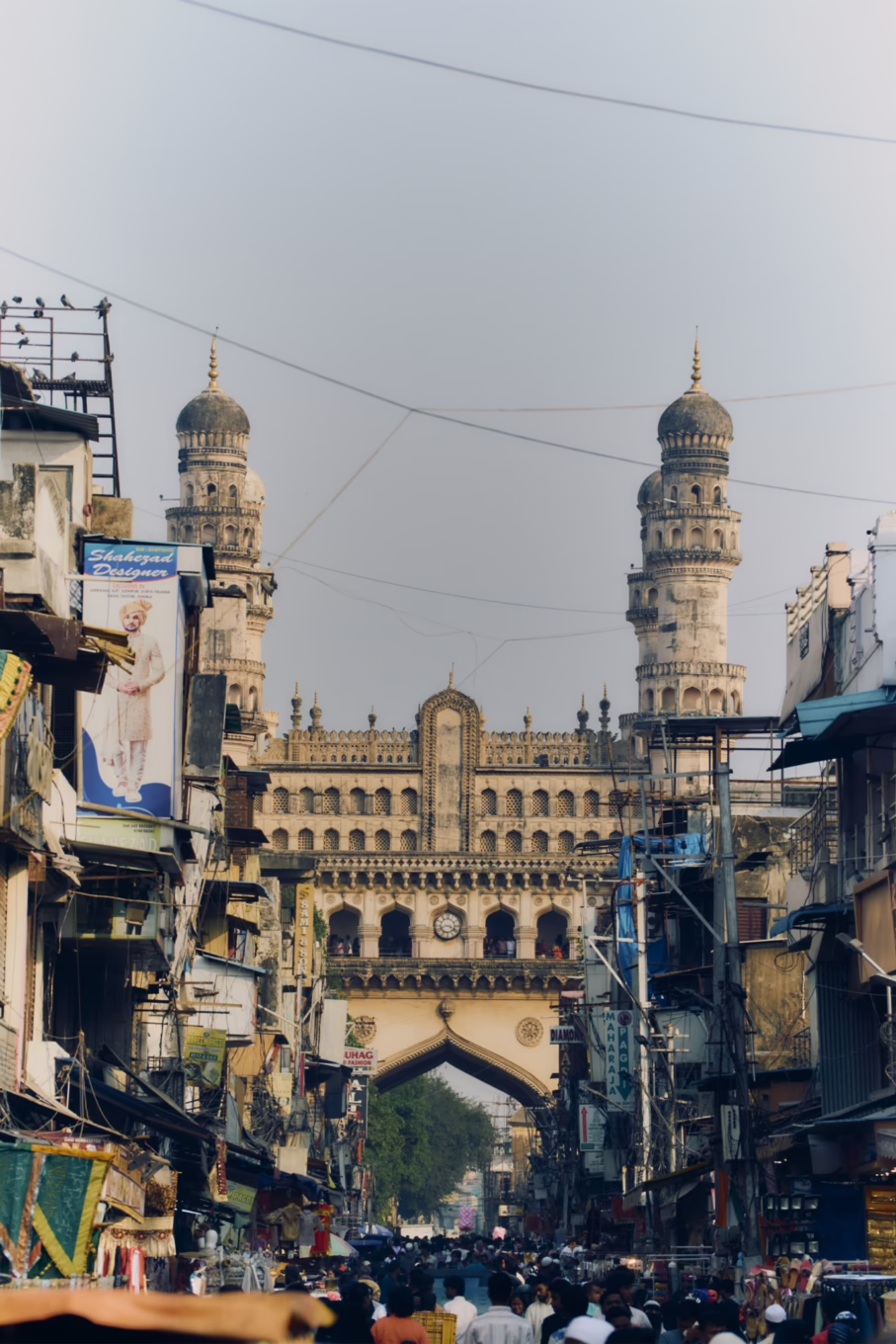
Despite its modern appeal, the heart of Hyderabad’s pride remains rooted in its history. It lives in the ruins of Golconda Fort, dating back to the 11th century and built atop a 120m-high granite hill surrounded by stunning ramparts; in the majolica-tiled tombs of the Qutub Shahi dynasty at the Ibrahim Bagh necropolis; and beneath the regal arches of Chowmahalla Palace, where the Nizams once lived.
Overlooking the old city, Falaknuma Palace remains one of Hyderabad’s most enduring landmarks. Built in 1894, its name translates to “Mirror of the Sky”, capturing its lofty ambitions accurately. A seamless blend of Tudor and Italianate design, the palace’s marble staircases, ornate chandeliers and frescoed halls speak of an era that prized intellect and elegance in equal measure.
For over a century, heads of state, scholars and diplomats have walked its Windsor-inspired library, polished parquet floors and ceremonial spaces. Today, as a Taj hotel, it still welcomes guests on horse-drawn carriages, with rose petals scattered underfoot, before they dine in the famed 101-seat dining hall, where even a whisper travels from one end to the other.
Revathi Kodalli, a local resident, feels the city is rapidly transforming into a cultural melting pot – reminiscent of what Bengaluru was two decades ago. “What makes Hyderabad so interesting is the balance between its Dakhni-Telugu traditions, from festivals like Bathukamma, and its Nizami heritage of palaces and monuments,” she tells me over a meal at Terrāi, a 12,000sqft restaurant in HITEC City’s Sattva Knowledge Park. Serving neo-Telangana cuisine, the Sona Reddy Studio-designed space showcases regional craft with ikat-inspired stone floors, terracotta walls, Dokra-influenced details and Bathukamma-inspired lighting.
Spaciousness has become a hallmark of Hyderabad’s new architecture, from sprawling breweries and cafés to expansive retail spaces. It is perhaps why Chaitanya Muppala didn’t hesitate to build Manam Chocolate, an evocative expression of craft confectionery made from cacao grown in the West Godavari region, just a few hundred kilometres from Hyderabad.
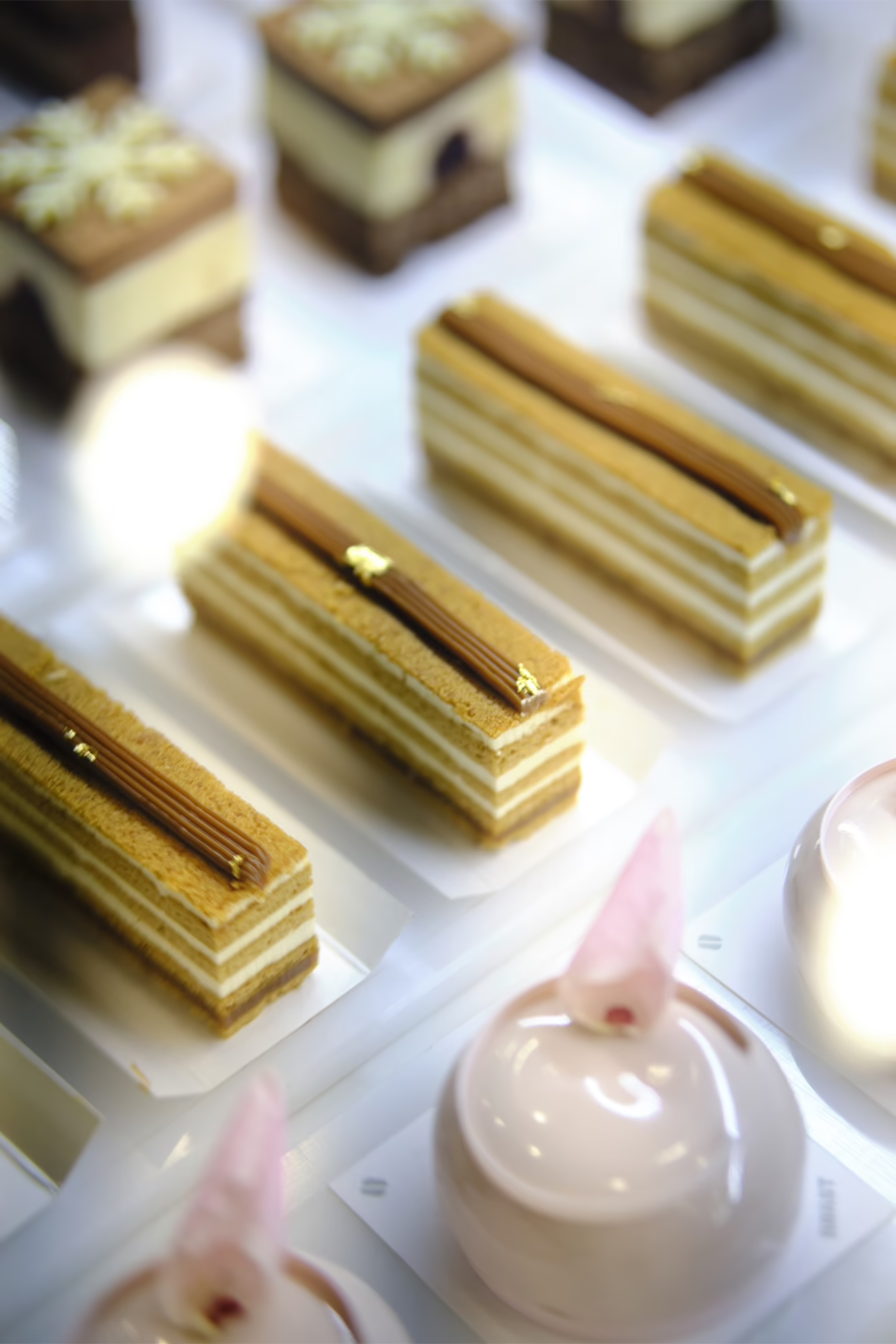
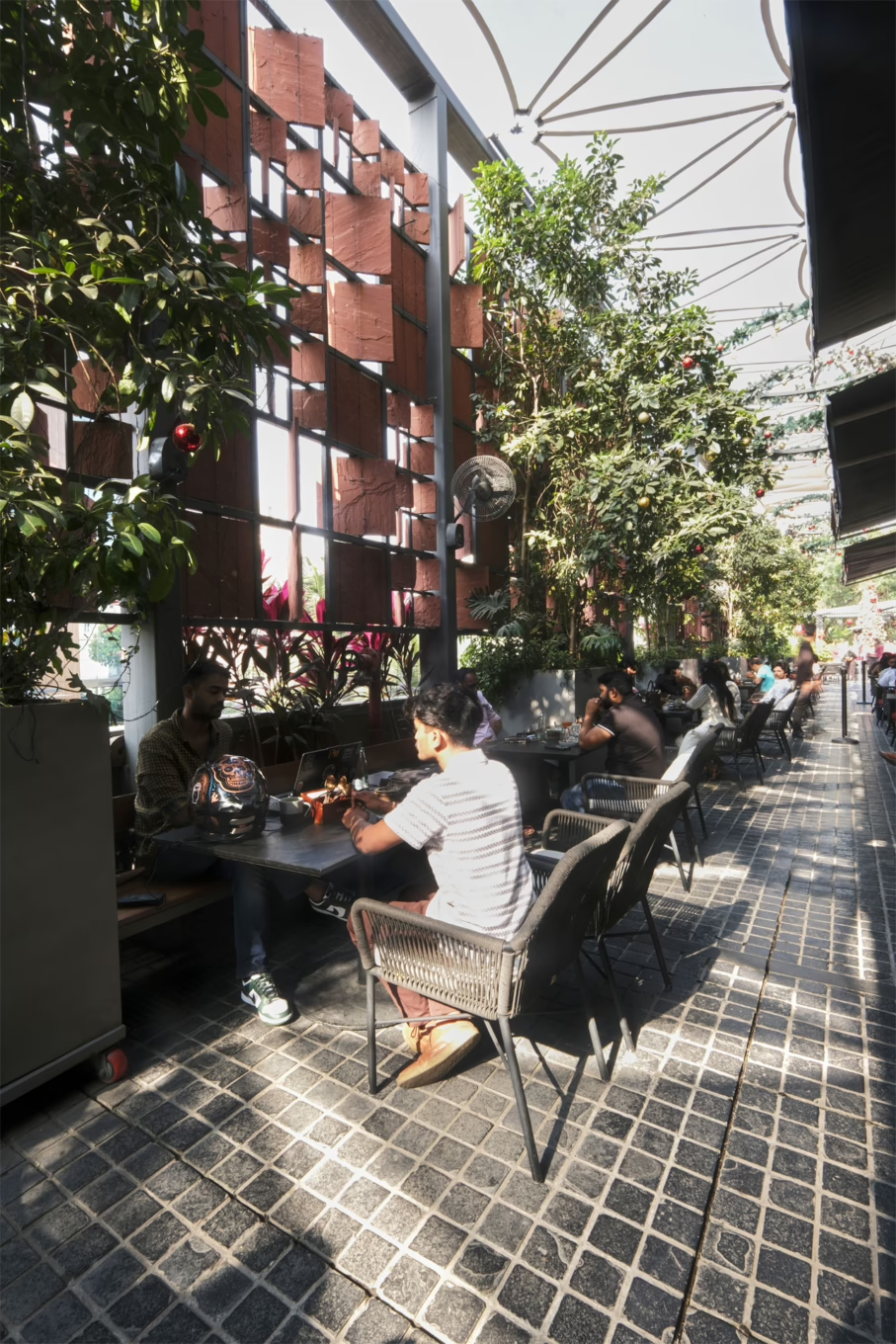
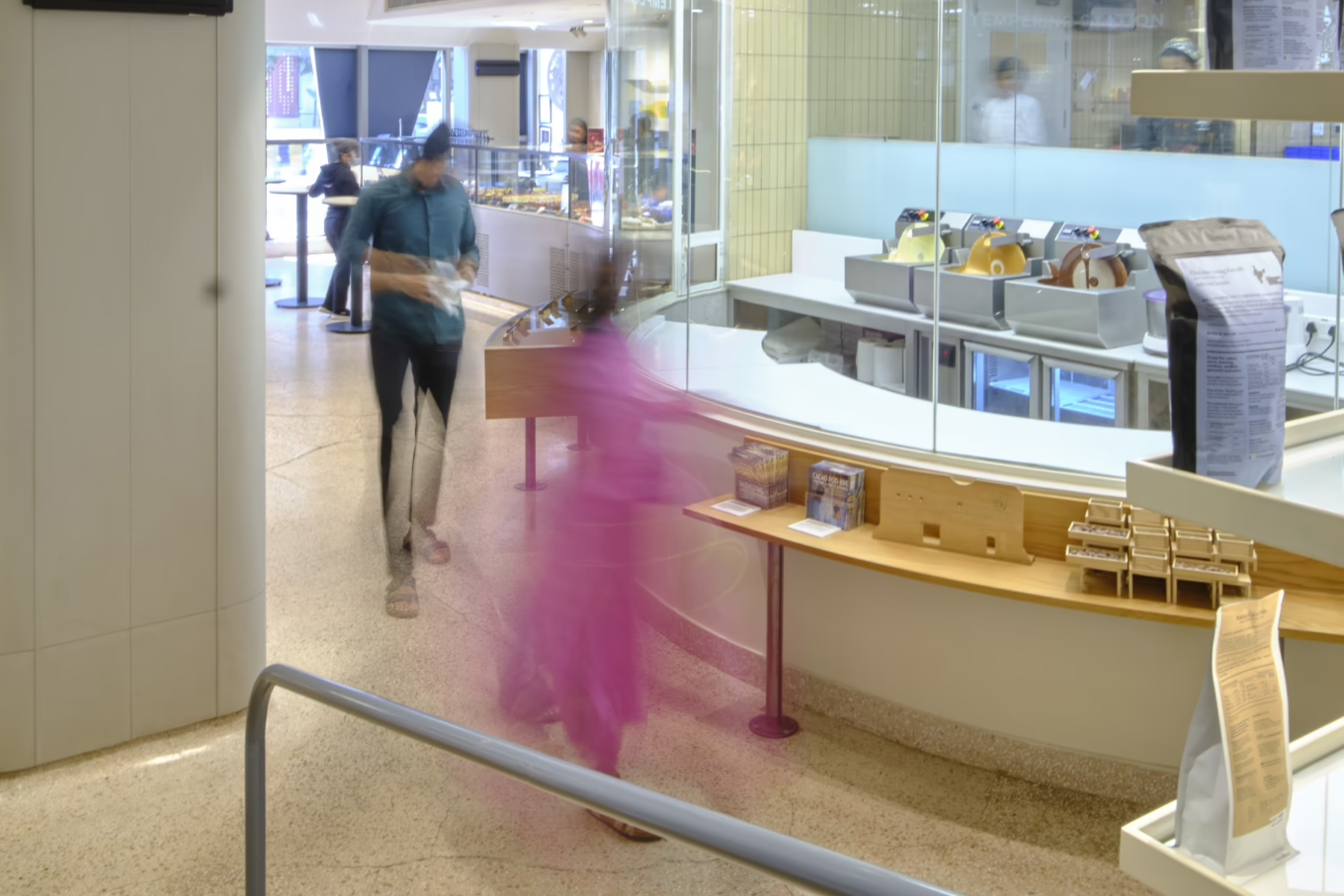
The karkhana (factory), sitting proudly on a busy Banjara Hills road, represents the city’s biggest success story of late. Behind an unimposing yet creative façade, the 10,000sqft experiential space invites guests of all ages to be curious about crafting exotic chocolate, made from traceable beans harvested by farmers working directly with the brand. Listed by TIME magazine as one of the World’s Greatest Places in 2024, Manam offers a vast array of over 300 products alongside tasting workshops, a DIY chocolate-bar counter, an all-day café and an interactive tour of the chocolate-making process.
Another business that perfectly captures the city’s innovative pulse is Roast CCX. With its artisanal coffee, inventive bakes, chef’s tables and a private screening room, the 60,000sqft space is frequented by entrepreneurs, artists and young professionals who treat it as both a work and social hub.
Kodalli notes that this buzzing atmosphere is what draws those coming to the city in search of a lifestyle, not just jobs. She points to Communitie, a people-driven organisation that hosts book clubs, cooking groups and pickleball meet-ups. “It’s like Reddit in real life,” she says. “A great way for newcomers to make friends and truly feel part of the city.”
Sporting green pockets around Jubilee Hills, KBR Park, the lakeside stretch of Hussain Sagar and the quieter corners of Banjara Hills, Hyderabad also offers soothing trails and open spaces to breathe. A growing fitness culture thrives here, with running clubs, cycling routes and community-led wellness groups shaping an active urban lifestyle. Beyond shopping at local bazaars for attar (natural essential oils) and pearls, visitors can browse the vibrant, year-round craft village at Shilparamam, showcasing ceramics, Kondapalli toys, textiles and artisan-made treasures from across the state.
Just like it has for me, let Hyderabad surprise you. In its seamless blend of heritage, warmth and vibrant new energy, the city reveals a version of itself that feels timeless and yet entirely its own.
Luxurious stays
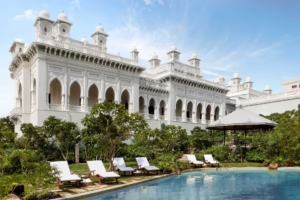 Taj Falaknuma Palace
One of the most storied and luxurious stays by the Taj Hotels, it offers a bird’s-eye view of the Old City in opulent settings. From historian-led palace walks to soulful Sufi nights, the experience here is distinctly memorable.
@tajfalaknuma
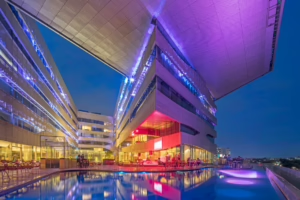 The Park Hyderabad
Blending lakeside luxury with contemporary design, the hotel offers chic rooms and a high-energy nightlife, complemented
by Mixology Studio’s cocktail menus – a stylish base for exploring the city’s modern pulse.
@theparkhyderabad
The Leela Hyderabad
Newly opened, the hotel pairs heritage charm with modern ease. Under the renowned Leela brand, it features global culinary experiences at Raen’s Studio and inventive mixology at The Library Bar.
@theleelahyderabad