
This southern port city is more than meets the eye, where historic streets, lively yatai food stalls and scenic views make for a destination rich with flavour and charm
When it comes to Japan, most people picture Tokyo’s neon buzz or Kyoto’s serene temples. But don’t overlook Fukuoka, a relaxed, ever-evolving port city on Kyushu’s northern coast. With an appealing blend of old-school craftsmanship, food culture and urban revitalisation, it’s no wonder Fukuoka is one of Japan’s fastest-growing cities.
To get the lay of the land, I asked three locals where they’d take a first-time visitor. They began with an important geography lesson: Fukuoka is both the prefecture and the city, and many locals still refer to the city’s historic side as Hakata.
In 1889, the city of Hakata, Japan’s largest trading port from the 12th to 16th centuries, merged with the former castle town Fukuoka to form the capital city it is today.
“The actual culture is Hakata culture,” explains Bruce Haendel, a long-time resident and food tour guide. It is this culture, not a specific landmark, that defines Fukuoka.
“I think our biggest attraction, and I hope we never lose this, is we’re a mid-tempo city,” says Luis Matos, owner of Fukuoka’s first foreign-style bar, Off Broadway. It’s a city meant for exploring, not conquering.
For Mitsuko Atsusaka, a government-licensed guide with Kyushu Journeys travel agency, the perfect day showing a friend around Fukuoka sounds less like sightseeing and more like savouring the distinct flavours and traditions of Hakata’s 2,000-year history.
Hakata heritage
A perfect first day in the capital might begin with a visit to Kushida Shrine, where the Hakata Gion Yamakasa festival takes place every July. Teams hoist one-ton floats and charge through Hakata’s streets as part of a 15-day celebration that draws around three million visitors.
In town for the festival? “Wake up at 4.30am,” Atsusaka advises with a laugh. “If you arrive at 5am, you’re too late.”
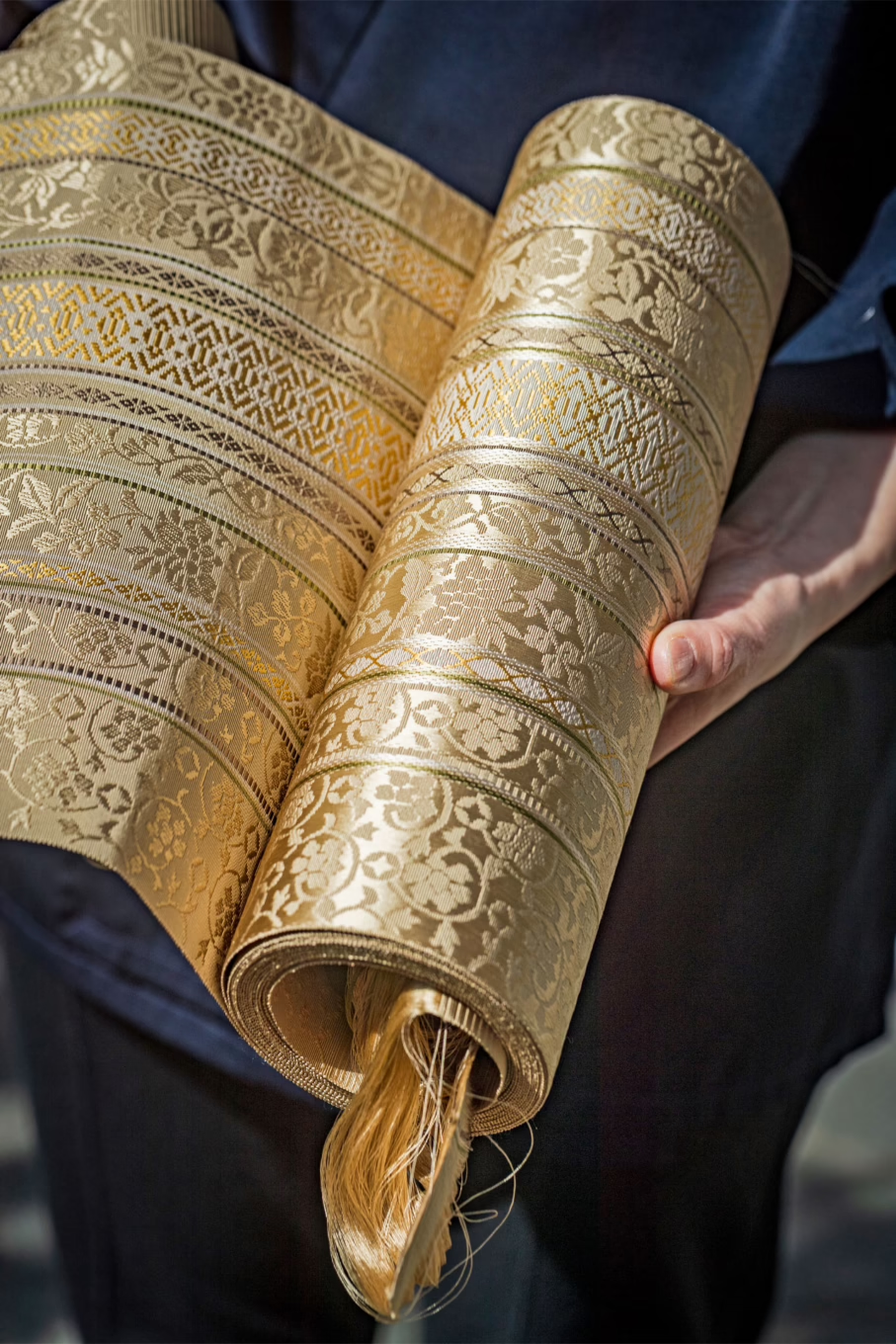
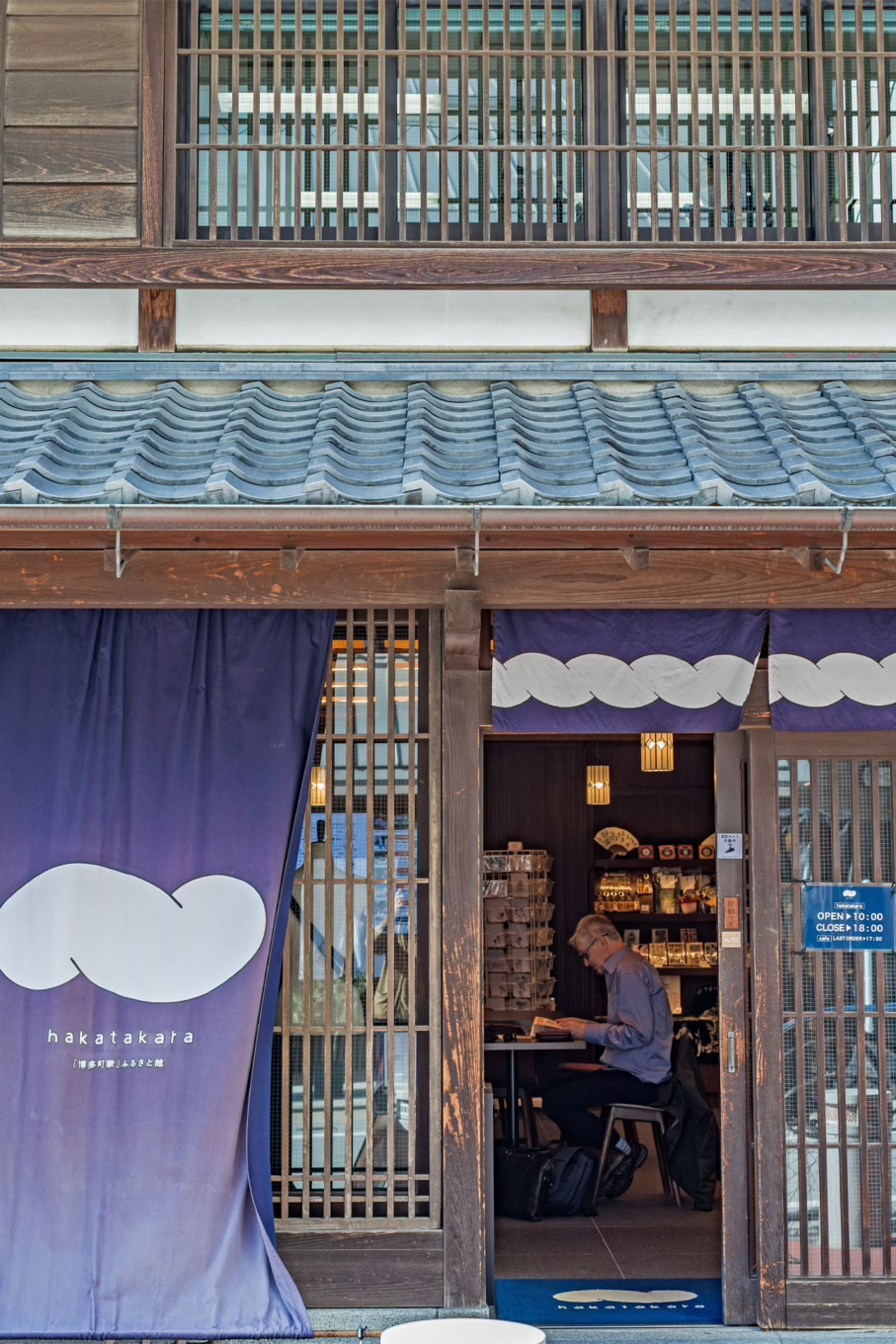
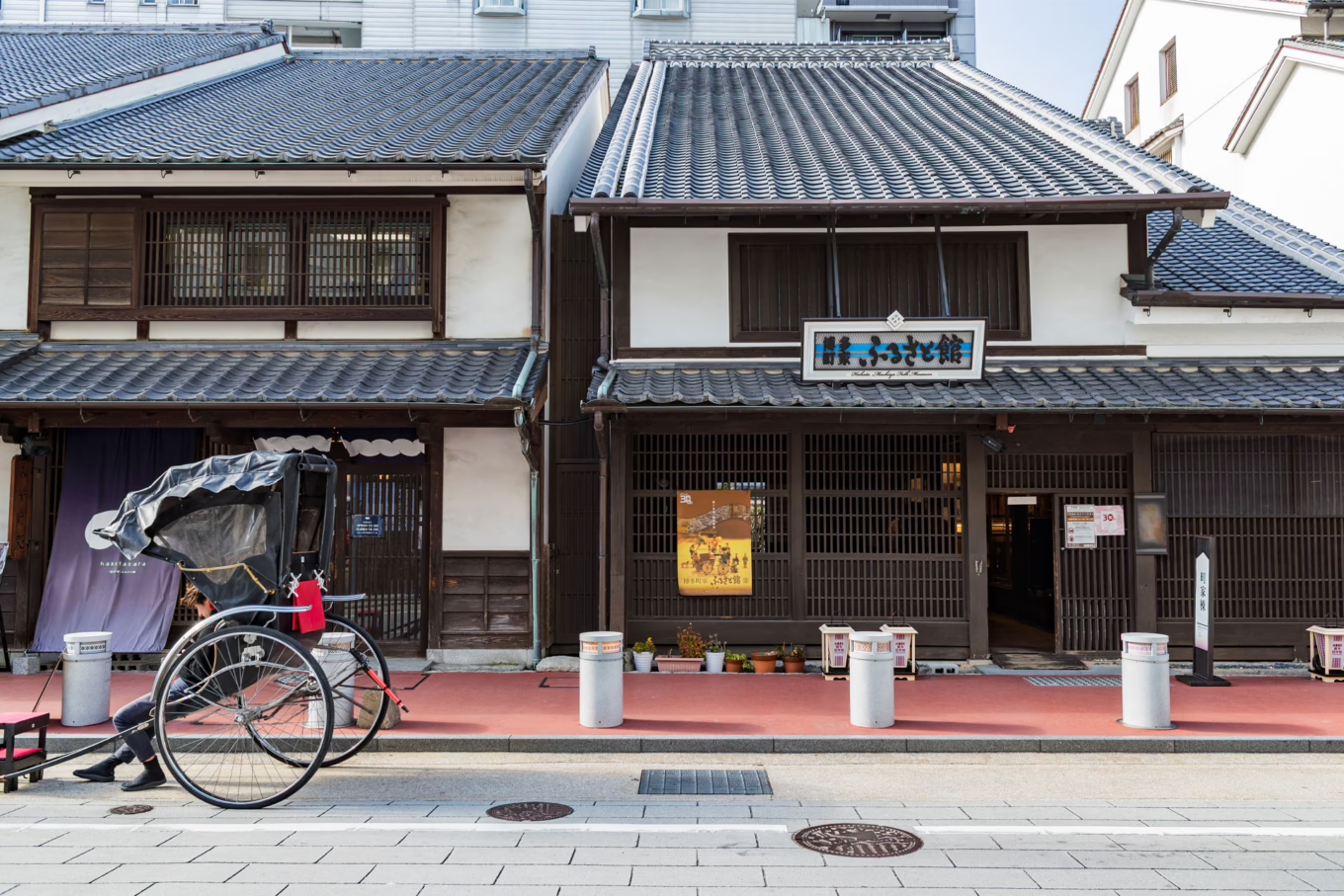
If you miss the festival, the nearby Hakata Machiya Folk Museum offers footage and exhibits on daily life in historic Hakata. Its shop is one of the best places to buy items made from authentic Hakata textiles. “It’s thick and striped,” Atsusaka says of the pattern once reserved for feudal lords.
Next, wander towards Kawabata Shopping Arcade, Hakata’s oldest retail street. Here, you “feel the lives of ordinary locals,” Atsusaka says. Don’t miss a shop called Kadota Chouchin-ten, where artisans still make traditional paper lanterns.
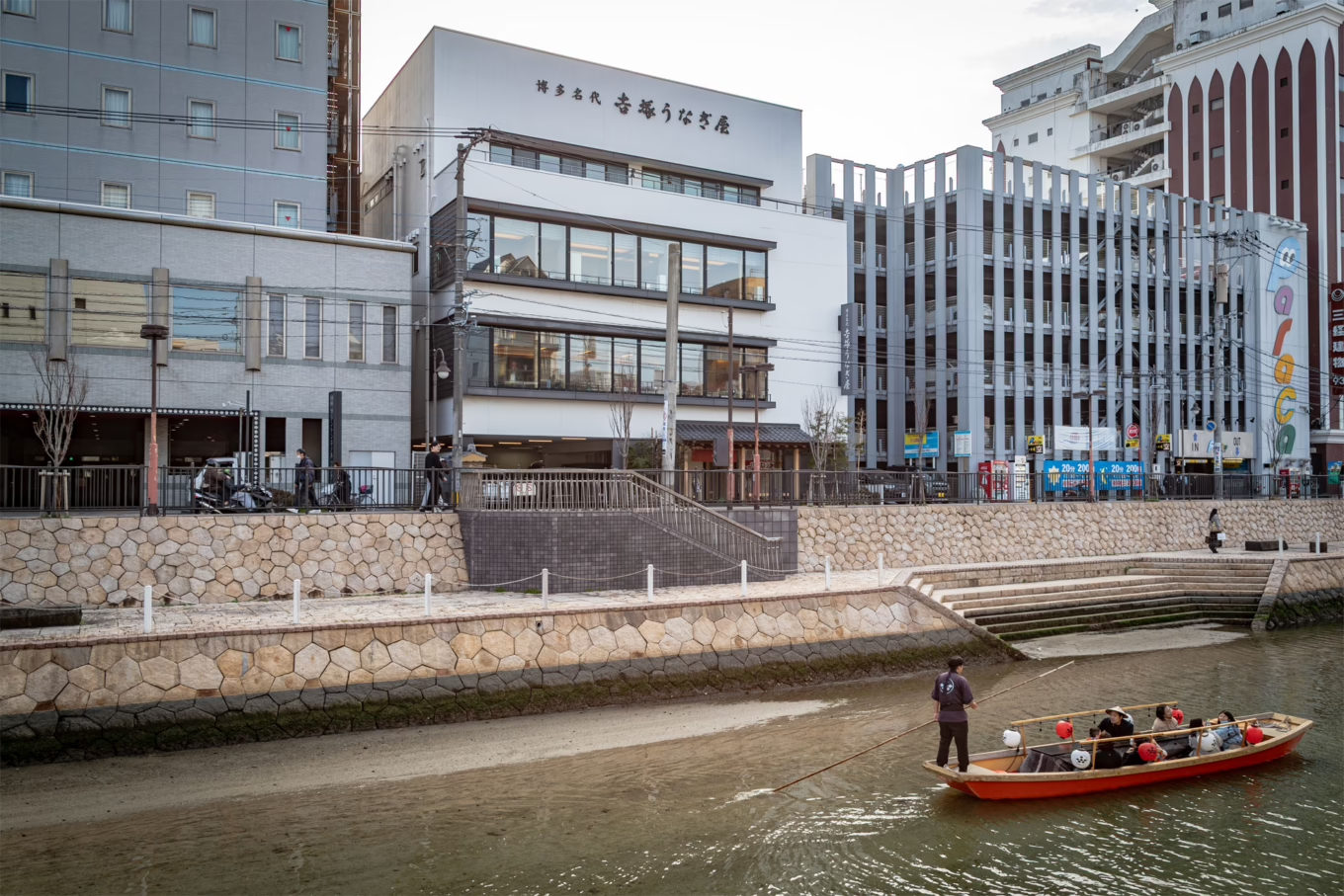
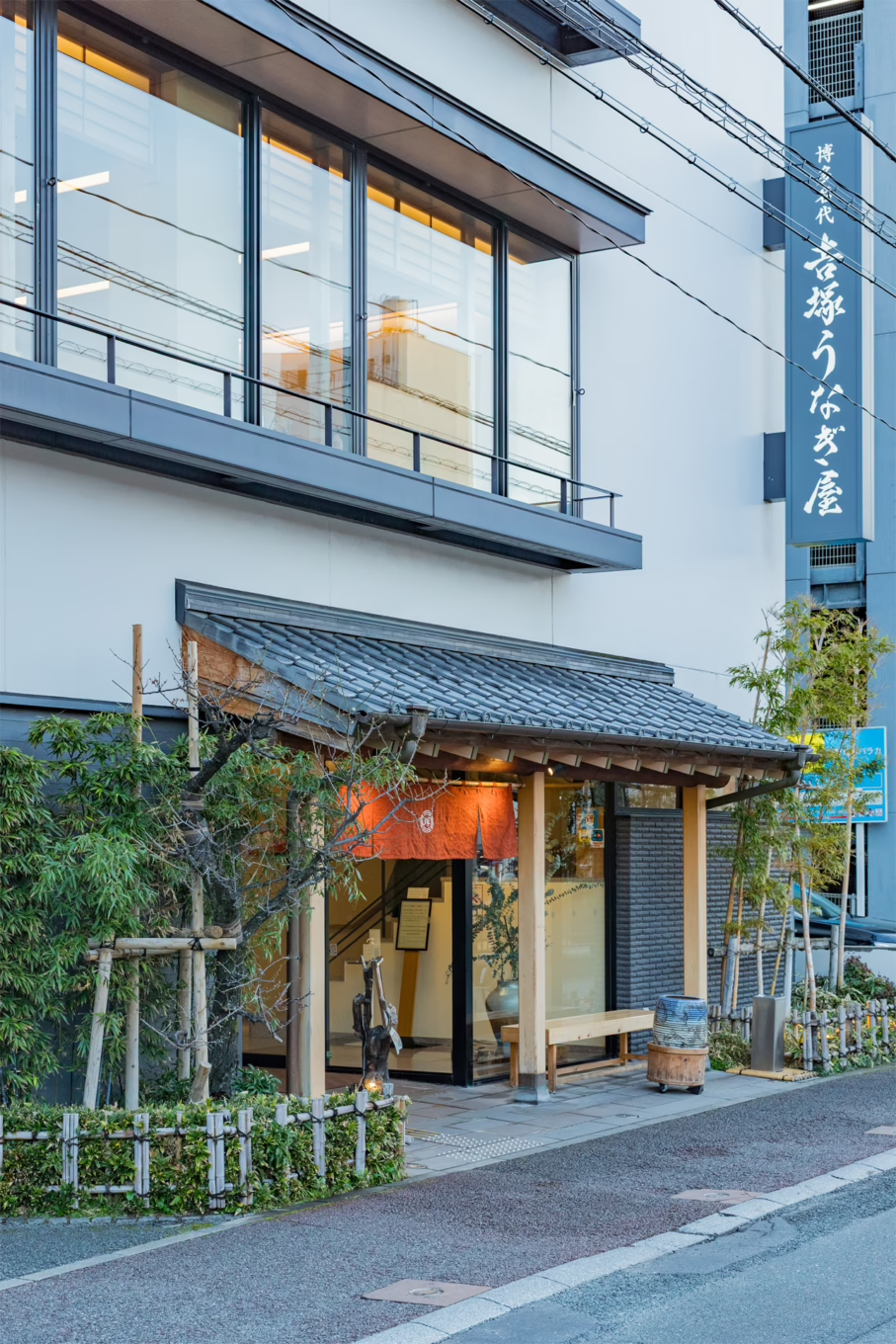
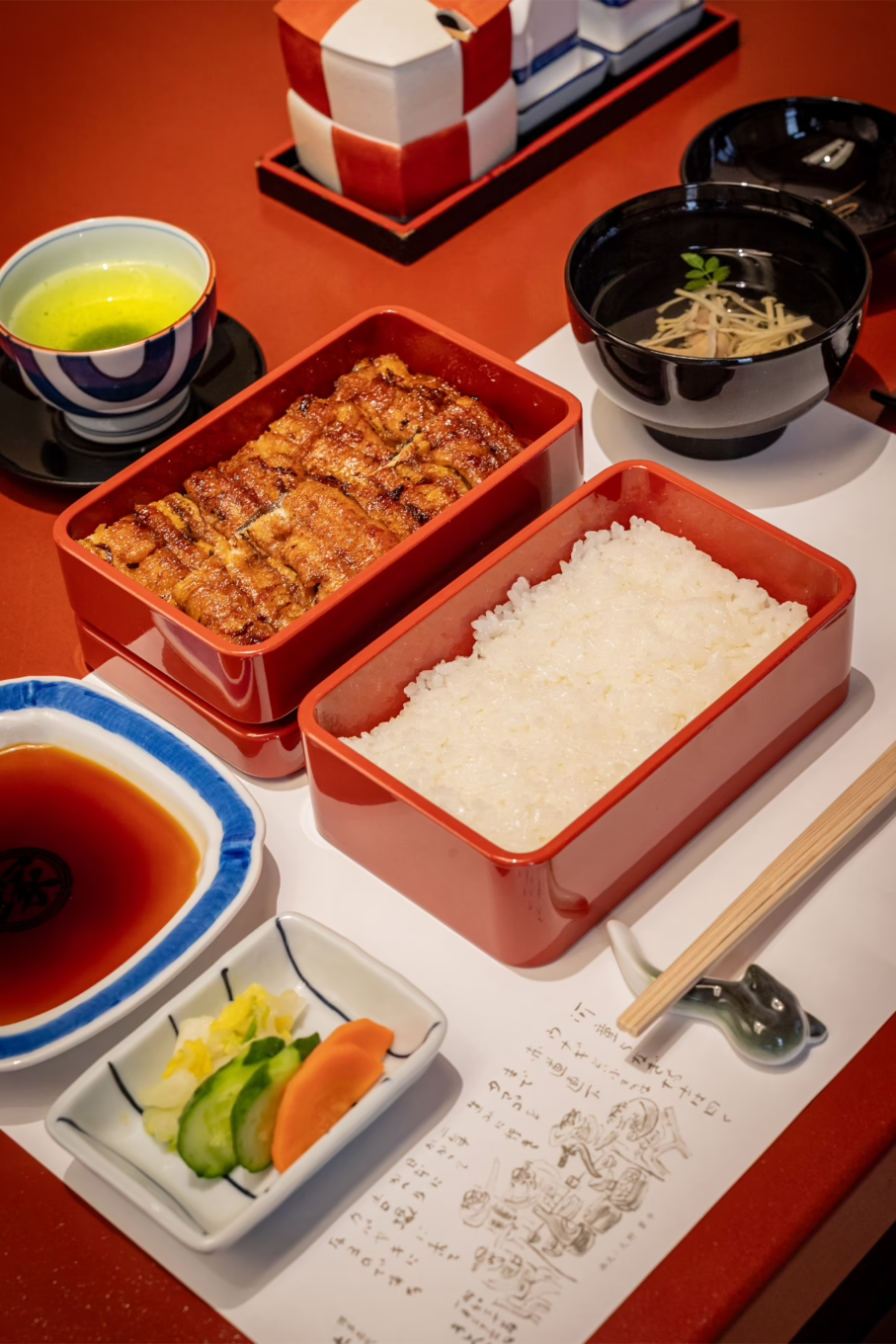
For lunch, tuck into regional specialities: tonkotsu ramen at Hakata Noodle Street, connected to JR Hakata Station; grilled eel at the 150-year-old Yoshizuka Unagiya; or goma-saba – mackerel sashimi – at a neighbourhood eatery.
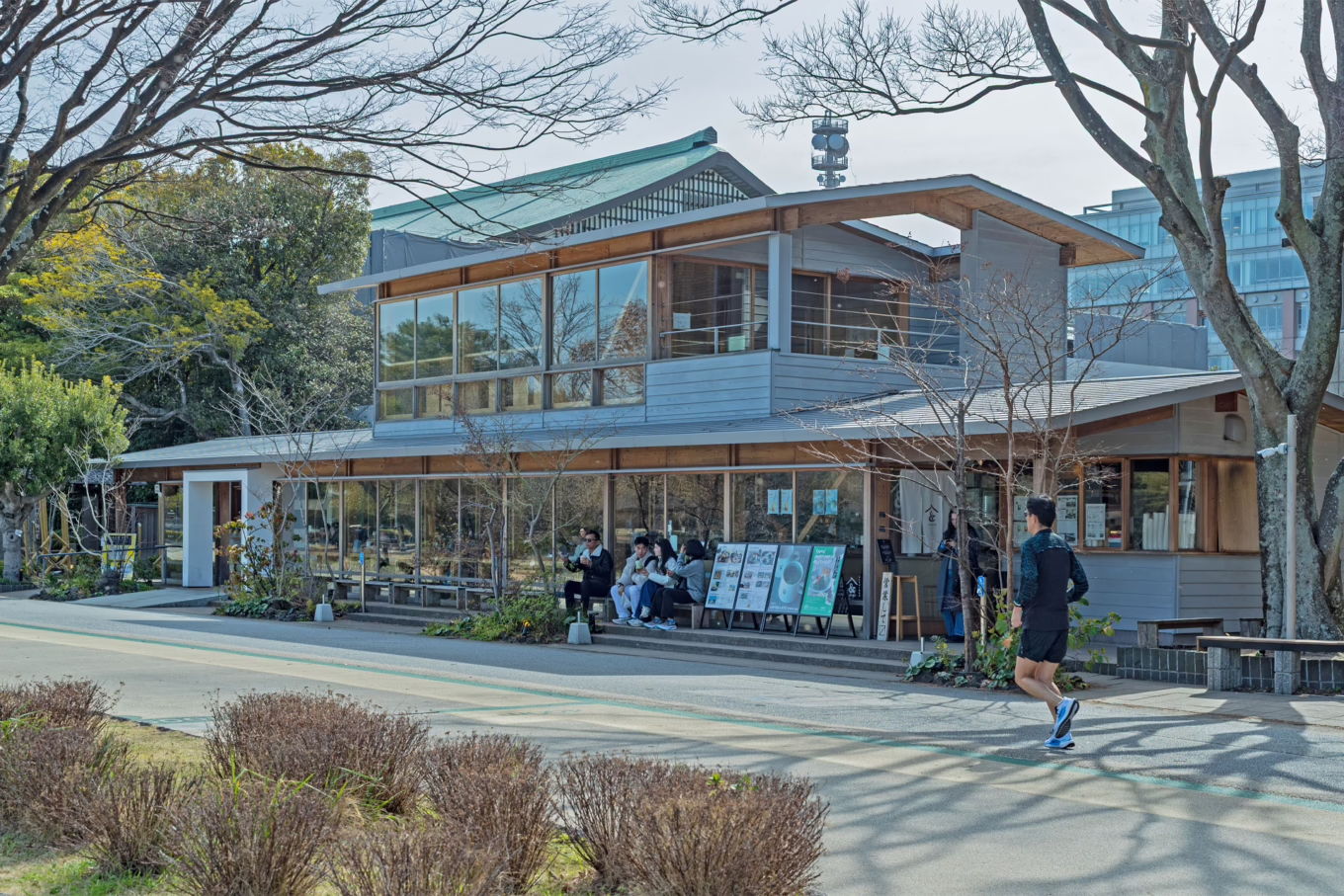
After filling your belly, head to Ohori Park. Locals jog around the lake, visitors row swan-shaped boats and all gather under cherry blossoms in late March or admire autumn leaves in November. The park’s Japanese garden offers a quiet pause. Grab a matcha at &Locals Ohori Koen at Ohori Terrace before heading towards bustling Tenjin for Fukuoka’s old-school flavours and trendy nightlife.
Fukuoka rising
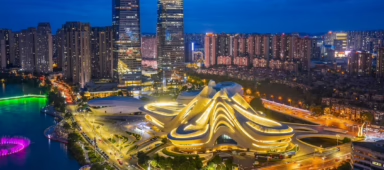
Two decades of redevelopment, dubbed “the Big Bang”, have reshaped Fukuoka’s skyline.
“There is an avenue called Meiji-dori, and that’s where the renaissance is most visible,” Matos says. He loves introducing his visitors to what he calls “sky-hopping”: think pub crawling, but with bird’s-eye views from chic rooftop bars. These days, non-alcoholic options flow freely too.
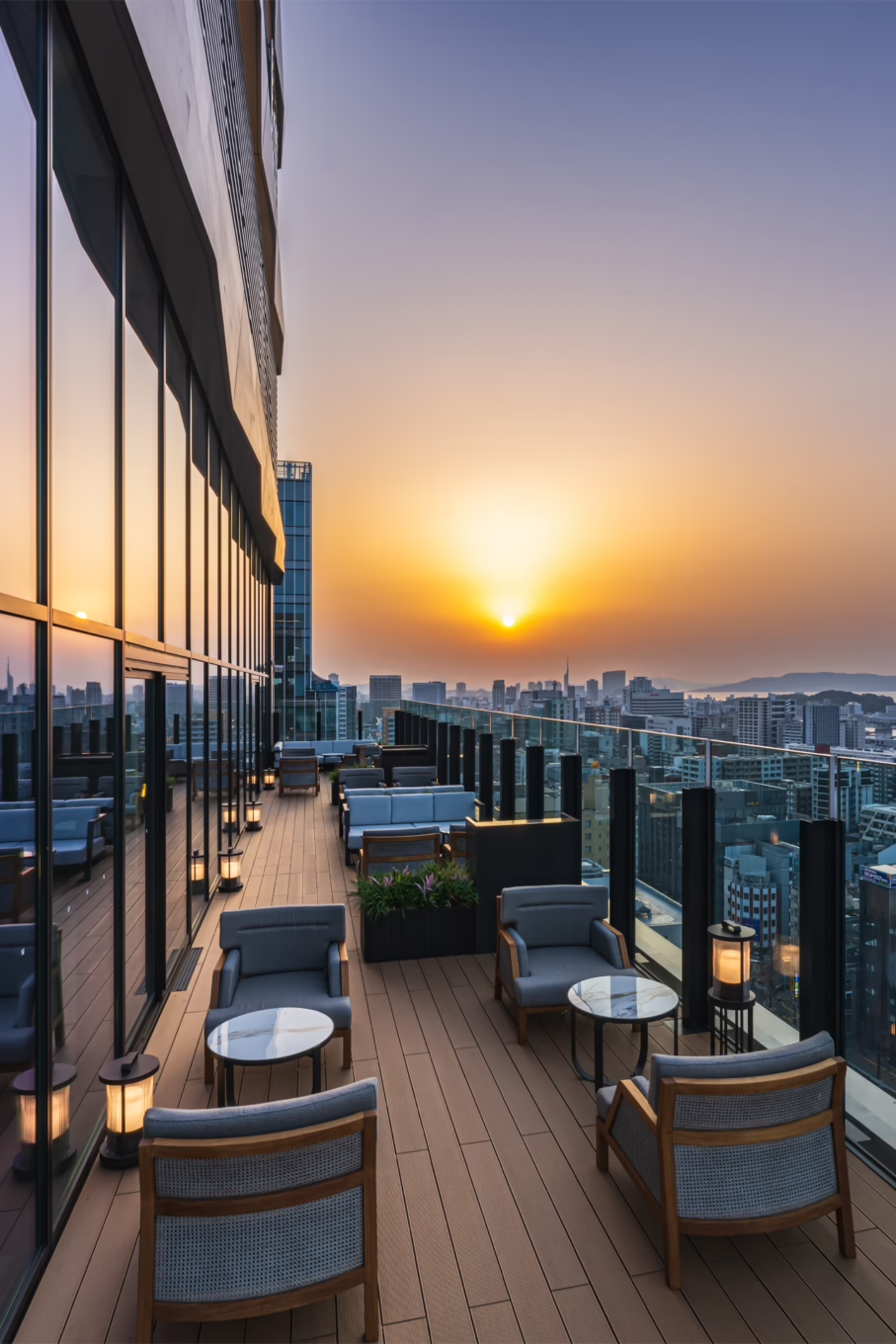
Begin at The Roof, an open-air café and bar perched atop the One Fukuoka Hotel, before heading to the rooftop of the Gate Hotel by Hulic. At the Ritz-Carlton Fukuoka, Bay offers unparalleled panoramas of Hakata Bay. “It’s the tallest building in town right now,” Matos says. “They have a DJ every night rocking the house.”
“After happy hour, we bolt – we’re getting the munchies,” he adds, suggesting we head back down to street level to discover why Fukuoka is considered the yatai capital of Japan.
Street food heaven
By evening, Fukuoka performs a magic trick: more than 100 food stalls, called yatai, appear, filling the air with the aromas of simmering ramen, grilled chicken and other mouthwatering dishes. They can be intimidating – tight quarters, limited English menus – so consider a local guide on your first night.
Haendel, aka the “Hakata Foodie”, says each yatai is “an individual world”, seating no more than 10 people eating shoulder-to-shoulder. Some yatai are casual; others feel like speakeasies, with staff in bow ties. No matter the vibe, Haendel says they’re clean, cosy and serve amazing food.
First up, squeeze into Takachan, a beef-forward yatai Haendel has frequented for decades. The chef is great at accommodating dietary requests, including meatless and halal options. “I would take my own mother there,” Haendel says. Nearby is Genkai, the second-oldest yatai in Fukuoka, if not the country, where you can get expertly fried seafood tempura.
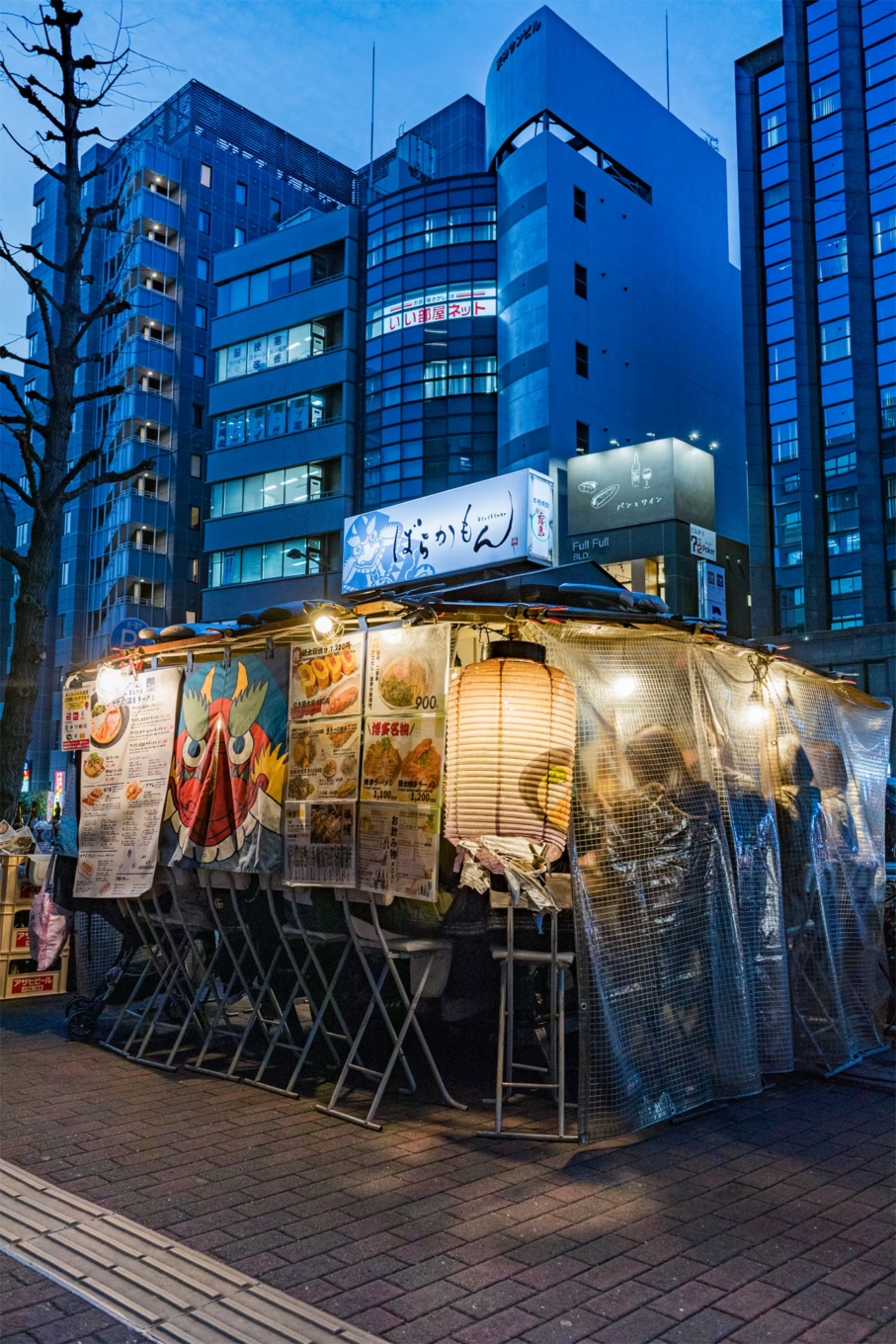
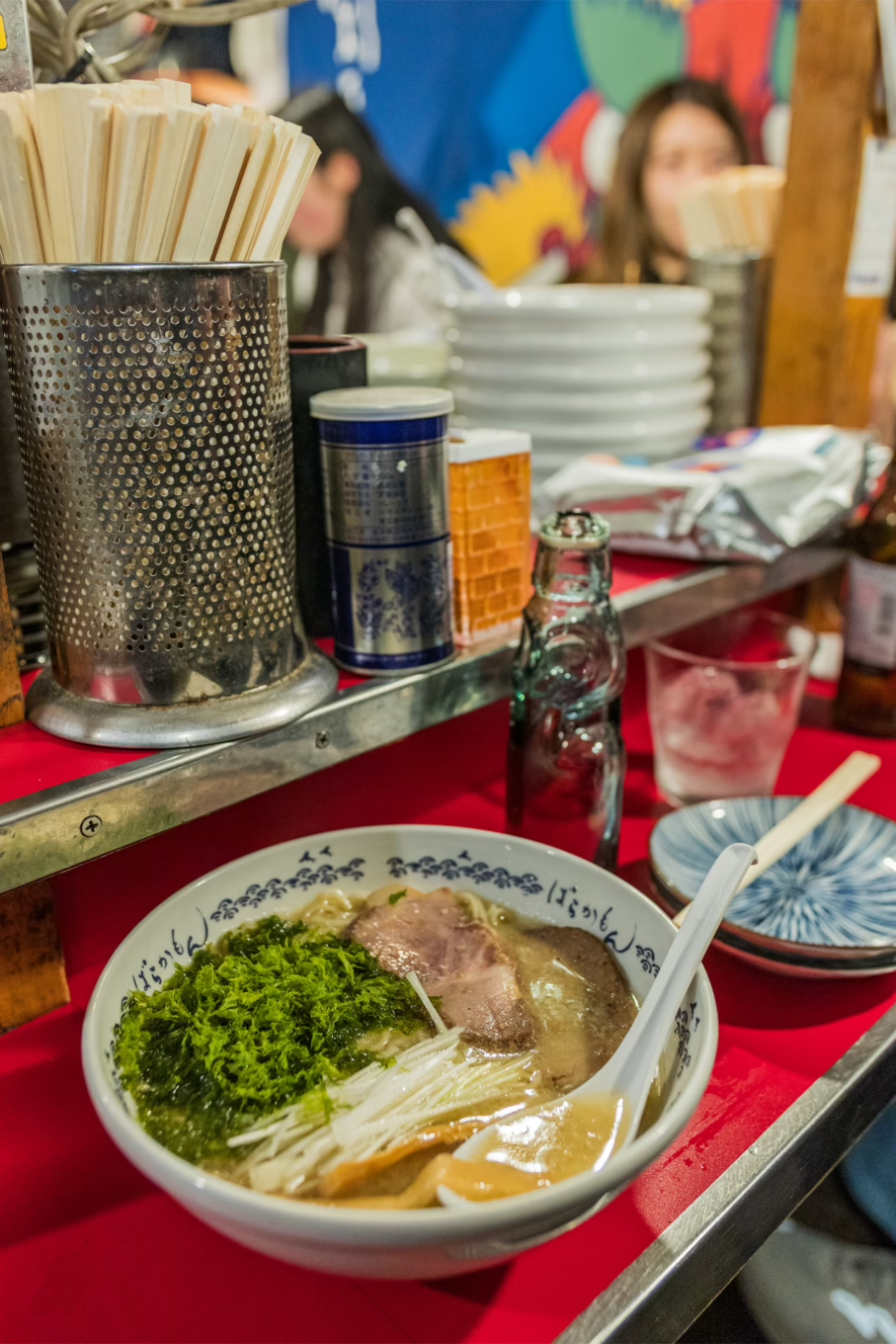
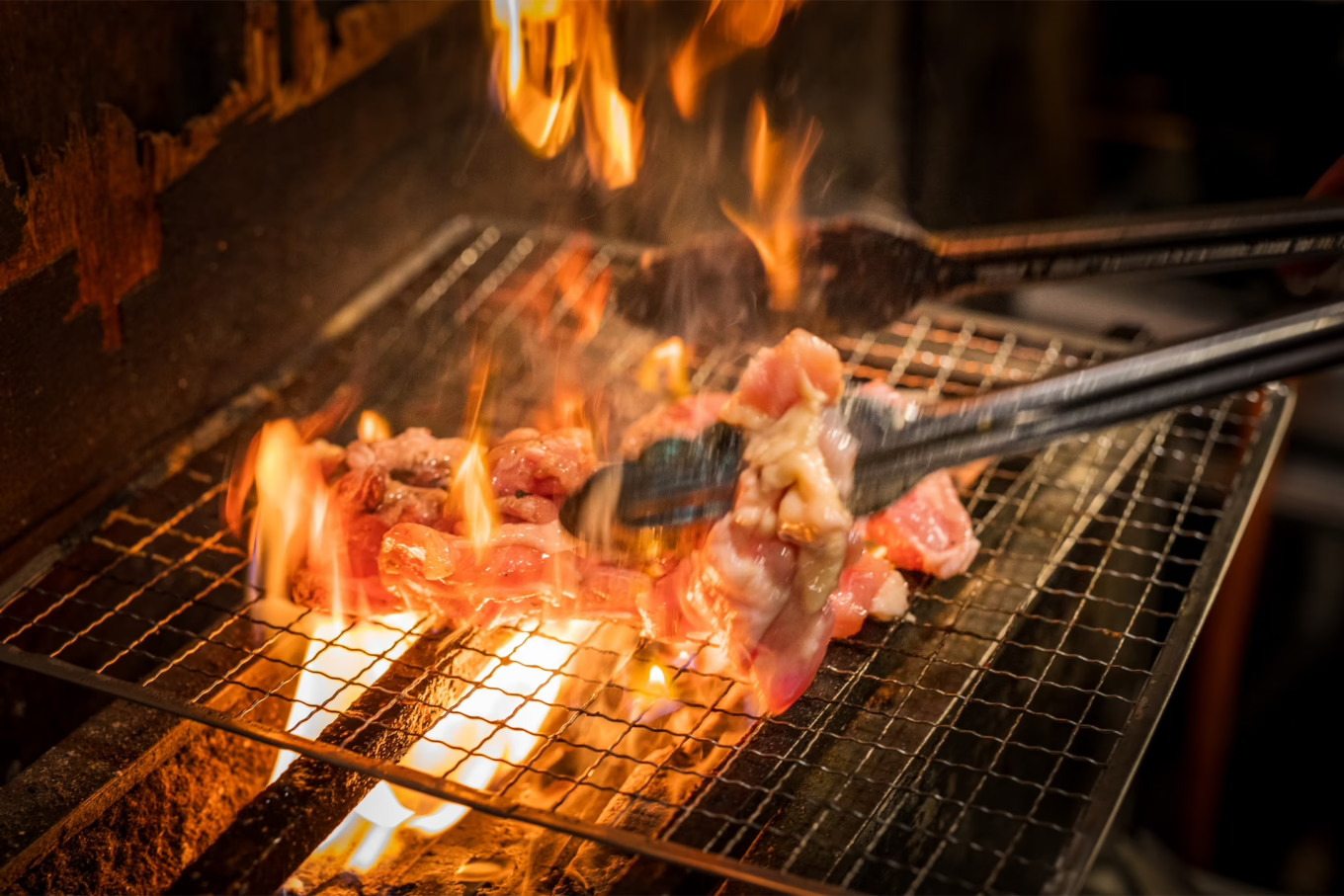
At the more traditional Barakamon, diners slurp Hakata ramen with flying fish broth or sink their teeth into glistening meat skewers. Telas & Mico helmed by Kensuke Kubota, a former Nobu chef, offers a more contemporary spin: the bright teal stall serves gourmet bites such as ratatouille bruschetta and Basque cheesecake.
Then there’s Yatai Keiji, an atmospheric “one-man show” run by a former shrine carpenter – and one of the few stalls that accepts bookings.
Once you snag a seat, remember that yatai are social spaces. Order a drink – soft or hard – and say hello to your neighbour. It’s the only place in Japan where you’re supposed to talk to strangers, Haendel says.
It’s also worth noting that the Nakasu riverside yatai row is Insta-famous, but it’s not where locals eat. Atsusaka calls it a “picture-only” place.
Kyushu calling
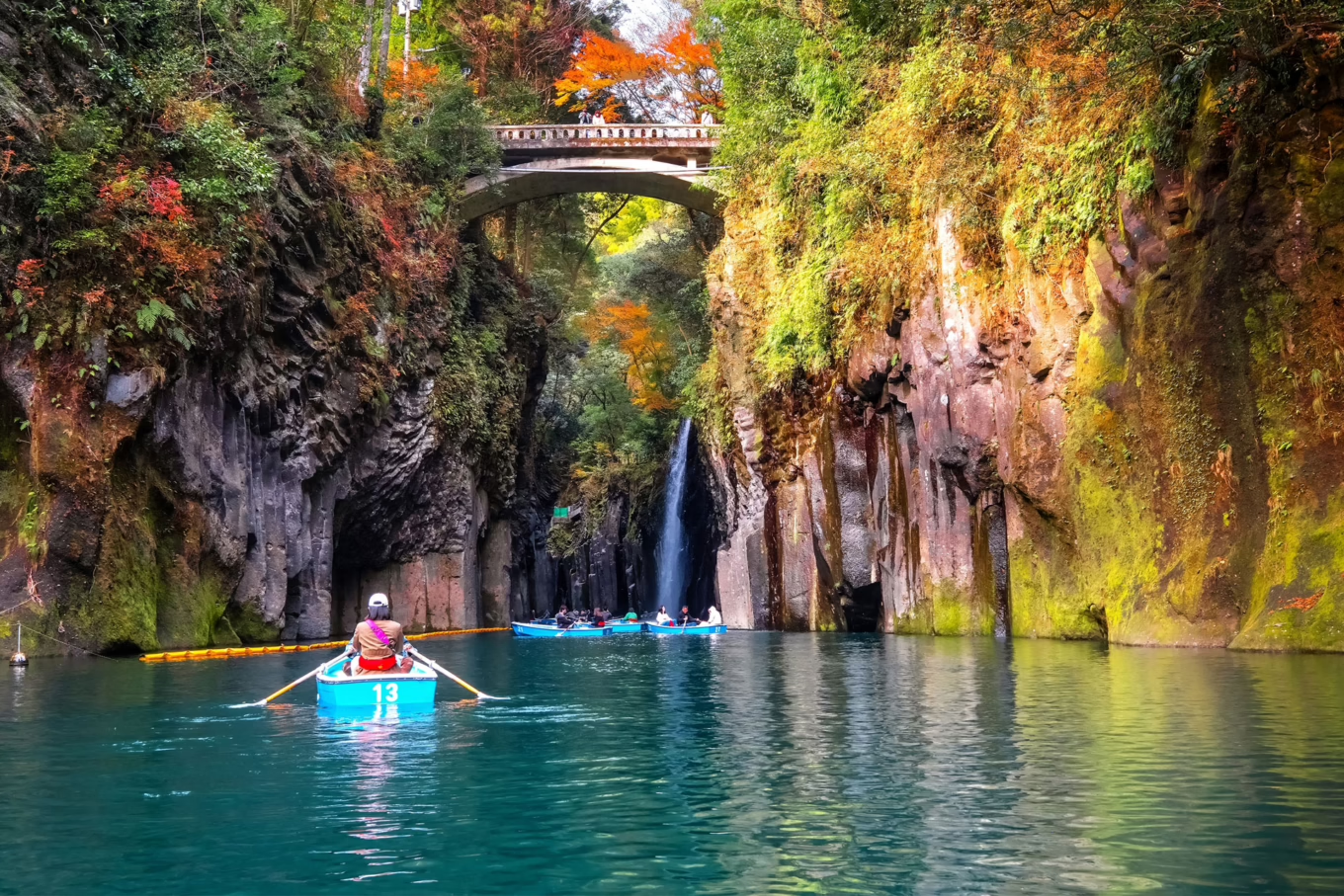
Fukuoka City is no island unto itself. Locals say that in many ways, it’s a gateway to the rest of Kyushu, Japan’s southern island best known for Beppu’s scalding hot springs, serene coastal stretches and the rugged cliffs of Takachiho Gorge, a volcanic chasm carved by the Gokase River.
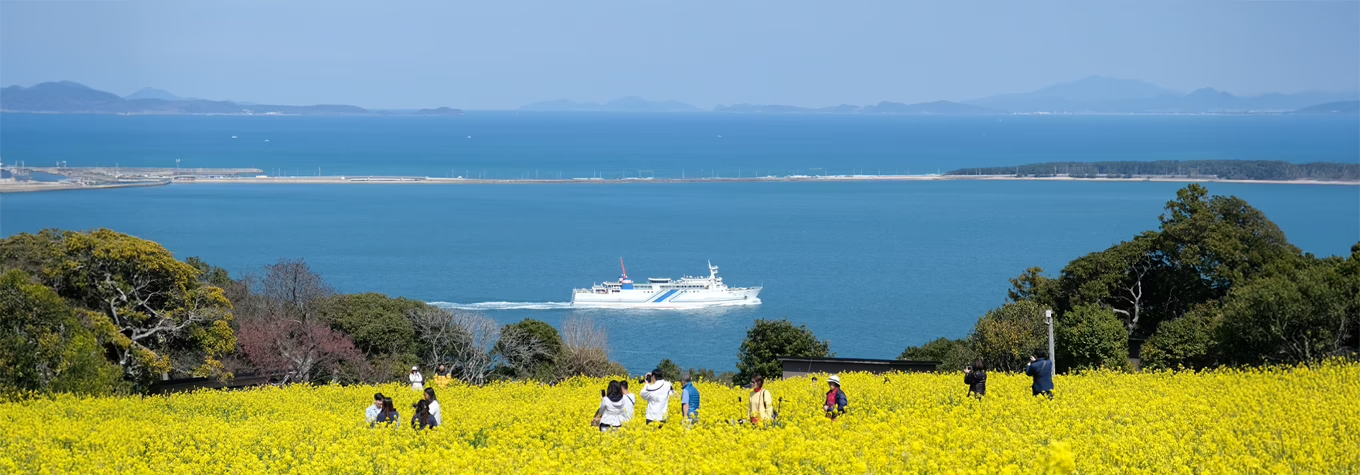
If there’s no time to explore the broader region, Matos suggests at least a day on Nokonoshima Island, a quick ferry ride from Fukuoka. “You’re a world away,” he says. “Immediate beauty.” Barbecue with a view of the sea, explore Shimaya, a Meiji-era shop with authentic traditional crafts and amble towards Nokonoshima Island Park, famous for its sprawling flower fields. Visit in autumn when the park blooms with about 30,000 cosmos flowers.
At dusk, check into an overnight villa to watch the stars come out or take the ferry back for one more night wandering from yatai to yatai. Whatever you choose, it’s clear that the old and new Hakata coexist in harmony. Maybe next time there will be a new high-rise, or a new chef hanging their shingle at a new yatai. But if locals have their say, Fukuoka’s spirit will stay the same. “We like being mid-tempo,” Matos says. “The pace is nice.”
Where to stay in Fukuoka prefecture
 The Ritz-Carlton, Fukuoka
Fukuoka’s first five-star hotel offers a sleek 24-storey tower with bay and skyline views.
Elegant rooms and suites pair with top-tier dining, impeccable service and a refined spa experience. ritzcarlton.com
 Nishitetsu Grand Hotel
Established in 1969, the city’s landmark hotel exudes classic ambience. Spacious rooms,
six restaurants, a hair salon and concierge services ensure comfort, and its central Fukuoka location is a bonus. grandhotel.nnr-h.com
Daimaru Besso
Open since 1865, this cosy ryokan is a 30-minute drive from Hakata Station. Hot spring baths, tatami rooms and seasonal multi-course dining create an authentic stay just outside the city. daimarubesso.com