
In Taipei, where city streets meet forested trails, the outdoors has become part of Taiwan’s everyday life
Photography Ernie Chang
The trail at Jiantan Mountain – known locally as Jiantanshan – starts with a jolt.
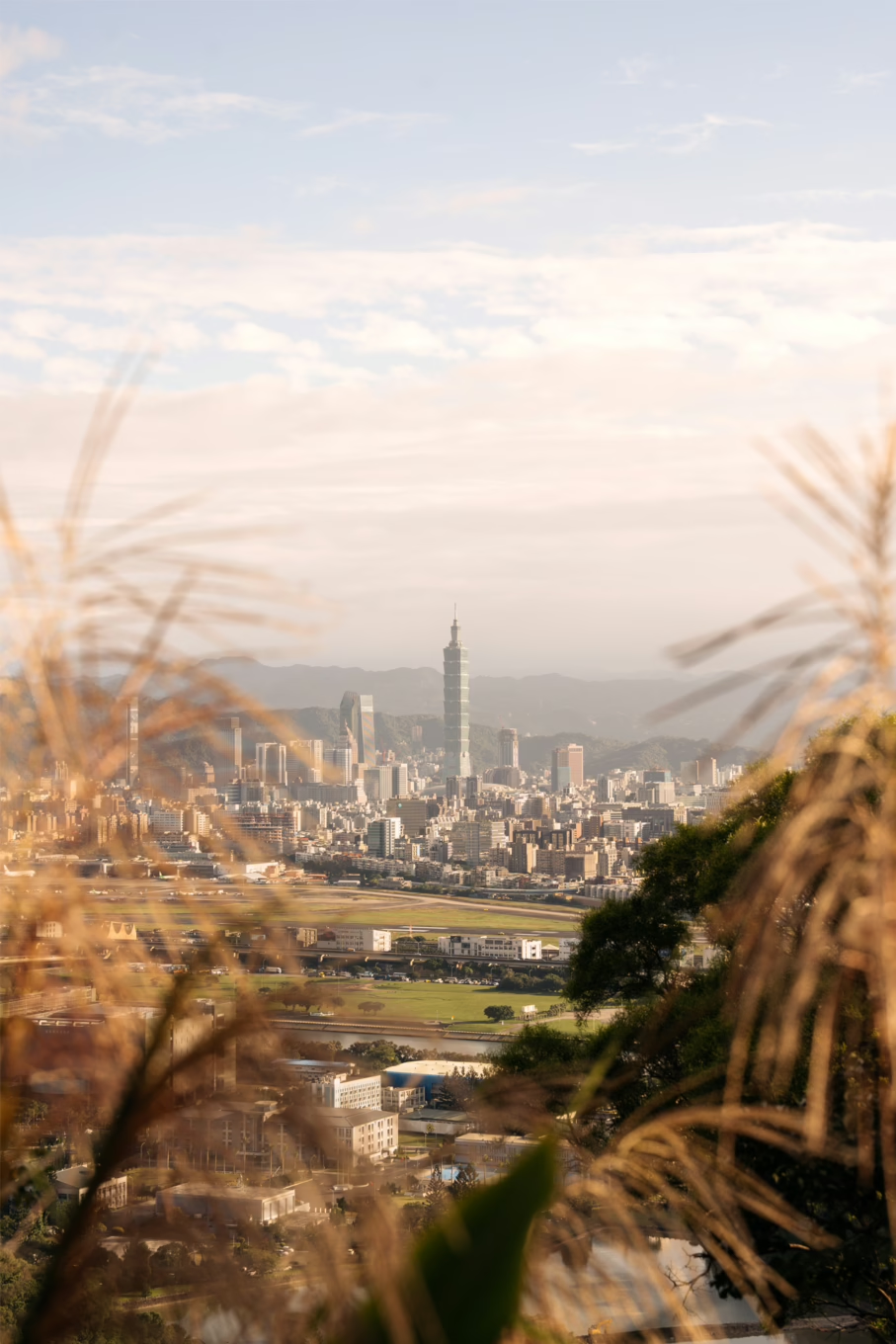
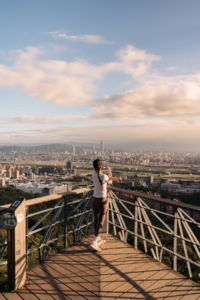
The climb shoots straight up an outdoor staircase under a small canopy of trees and overgrown ferns, past a temple off to the left, and keeps rising for roughly 400m. It burns the calves and spikes the heart rate, but the payoff is instant: sweeping views of Taipei at the very top. Most visitors pause at one of Jiantan’s many viewing platforms to snap photos or watch a plane landing at Songshan Airport. Hikers and trail runners tend to keep moving, following the markers for Section 5 of the Taipei Grand Trail.
Taiwan is widely celebrated for its food, but as a long-term resident, I find its natural beauty to be its finest feature, whether it’s the central mountain range, subtropical evergreen forests or the rocky surf beaches along the east coast. The island is laced with off-road trails carved out by hiking groups over the years, intersecting with government-managed routes and country roads. Some trails are even older, once used as transport routes during the Qing Dynasty or as indigenous hunting trails dating back hundreds of years.
The Taipei Grand Trail is a 92km network that winds from the foothills of Yangmingshan Mountain through Yangmingshan National Park and down to the start of the Nangang Mountain Range in southern Taipei. Named in 2018 by the Taipei City Government, the trail connects a patchwork of pre-existing paths into an eight-section loop around the city, spotlighting Taiwan’s fast-growing outdoor culture.
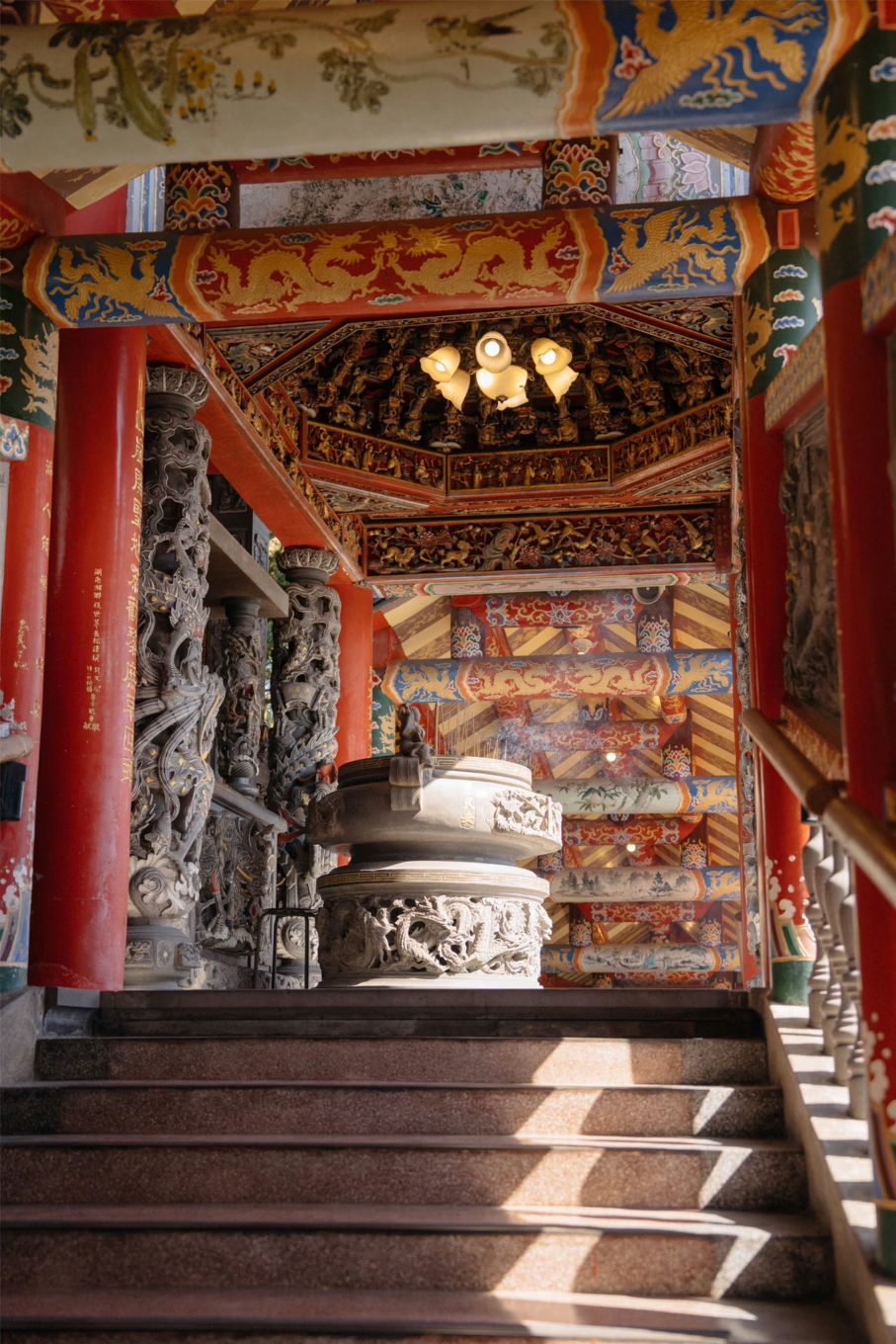
Section 5 is one of my favourite routes because it offers a little bit of everything. The trail starts near the famed Shilin Night Market and climbs into the hills north of the city, where you’ll catch views of Taipei and the Keelung River on one side and Yangmingshan on the other. It ends in Neihu, a sleepy district on the north bank of the Keelung River that is home to several well-known temples like Bishanyan Kaizhang Shengwang and – season permitting – strawberry farms.
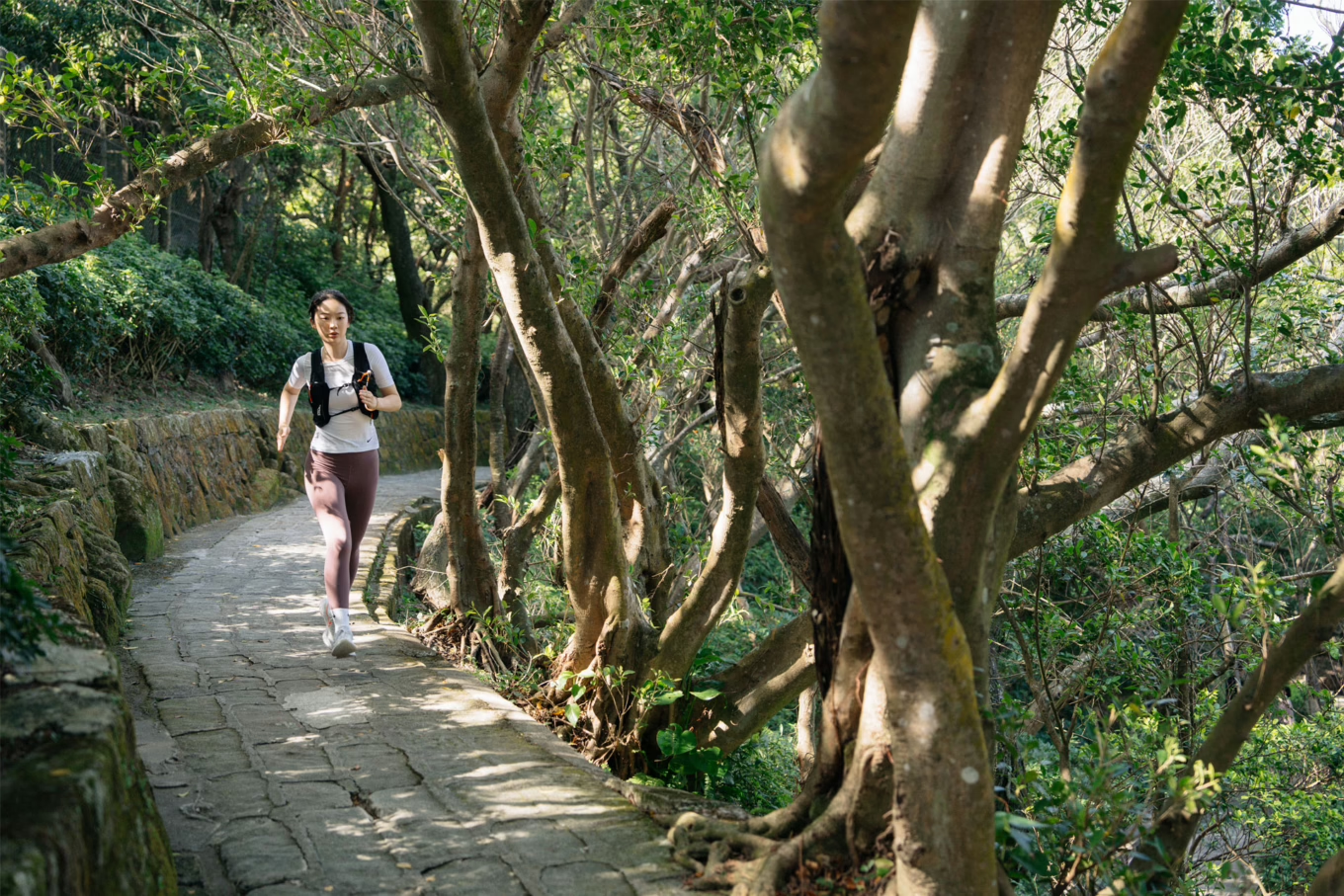
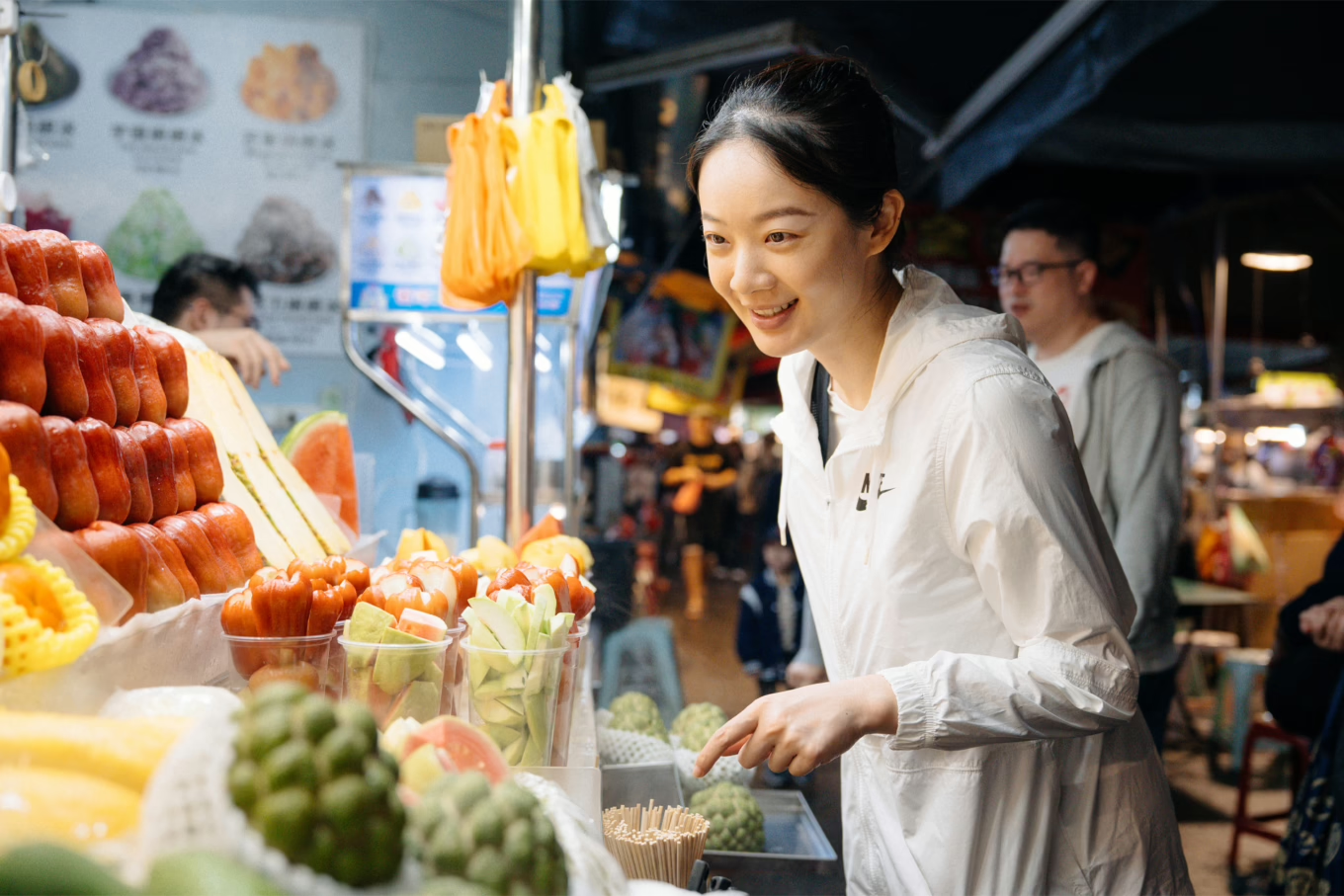
Along the way, Section 5 runs through the forest but also passes community gyms, small farms, Daoist shrines, Buddhist temples and even traditional Chinese-style graves, offering a glimpse of Taiwanese culture and daily life alongside its natural beauty. And once you’ve finished the trail, it’s an easy hop across the Keelung River to one of Taipei’s many night markets – Raohe being a favourite – for a well-earned treat.
Section 5 is also one of the easiest parts of the Taipei Grand Trail to access. It begins and ends at an MRT station (Jiantan and Dahu Park) and is served by several bus routes. It’s an ideal starting point for beginner hikers or trail runners because it isn’t particularly technical, which means it’s not filled with obstacles that require extra focus and energy. Much of the route is paved with stone, though parallel side trails often cut through the forest for anyone wanting more natural terrain.
These aspects make it a friendly entry point to trail running, a close cousin of hiking that involves running on off-road paths. The sport covers the same ground as hiking but the goal is to move as fast as possible, terrain and weather permitting. On weekends, it’s common to see groups out for a run, easily spotted by their running vests and shorts.
As a relative newcomer to trail running, I often do something closer to fast hiking on Taiwan’s challenging routes, but I always come back to Section 5 because its smooth paths make it easy to pick up speed. I usually walk the uphills, including the stairs, but switch to a jog on the flatter or downhill stretches. Carrying a lighter pack helps, so I usually bring only water, a couple of energy-boosting running gels, my phone and a little cash.
I typically cover the first 9km of Section 5, ending at Bishanyan Temple before veering down a road to catch a bus or the MRT. Some days, I exit even earlier – easy enough with all the side trails that branch off the mountain. Whether I tackle all of Section 5 or just a portion of it, I still get a full-body endurance workout.
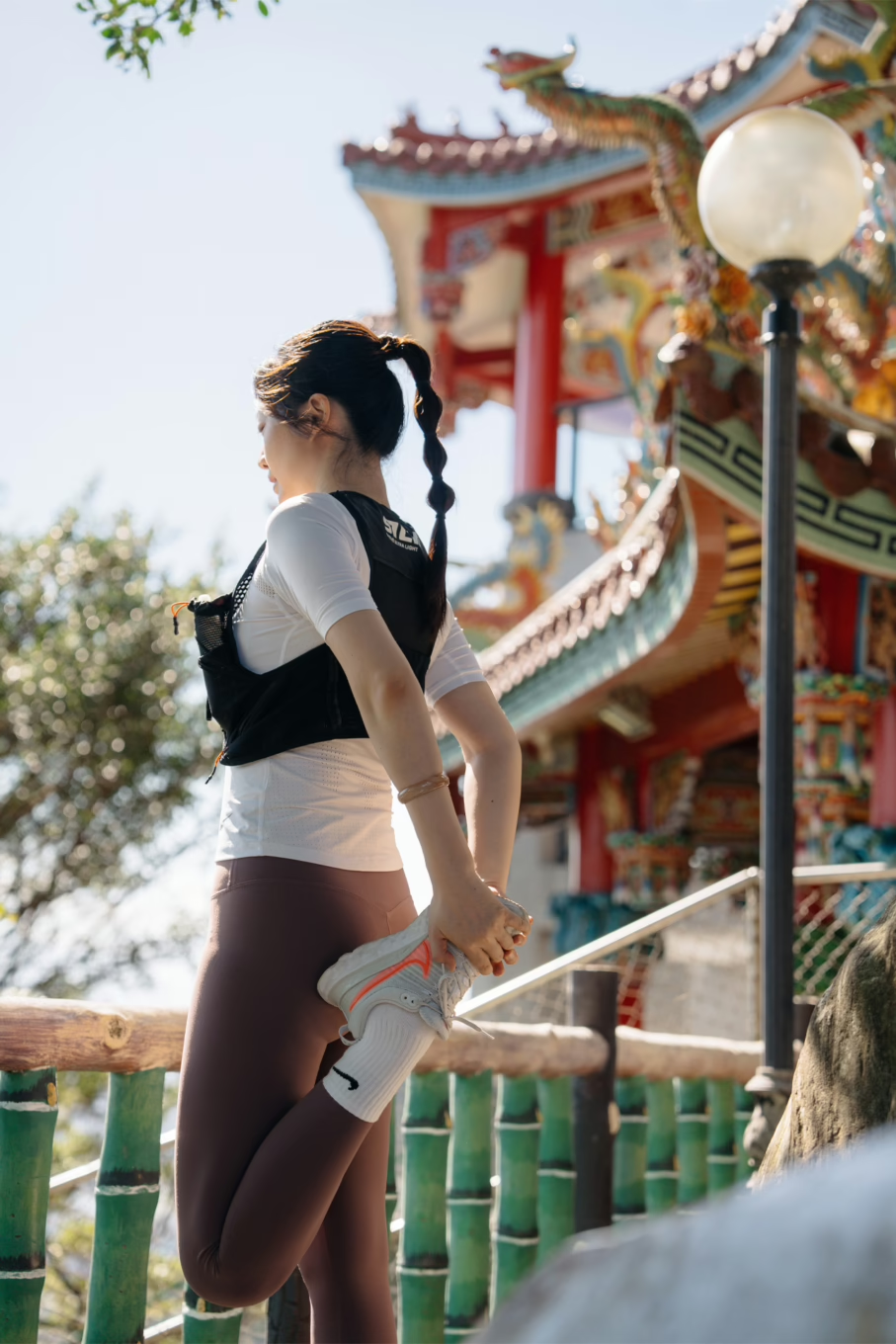
Hiking can be a meditative experience as you let the trail conditions wash over you, from the creaking sounds of bamboo in a sudden breeze to buzzing cicadas stirring in the early afternoon.
Trail running offers those same sensations but in shorter, more intense spurts because your body is filled with adrenaline. Most runners prefer not to listen to music because it can feel like a sensory overload when you combine the sounds of the forest and the thrum of your own breathing and racing heart rate.
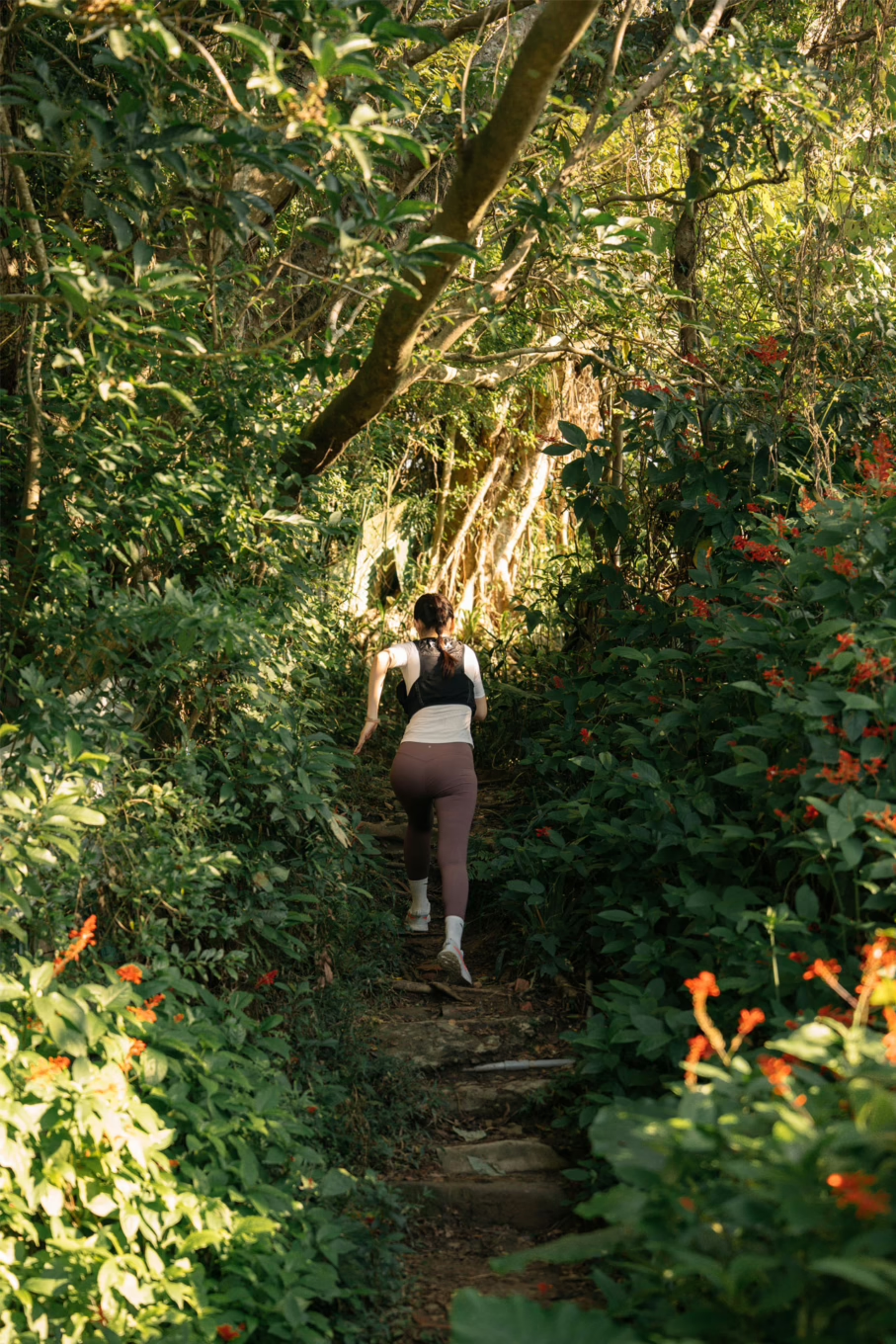
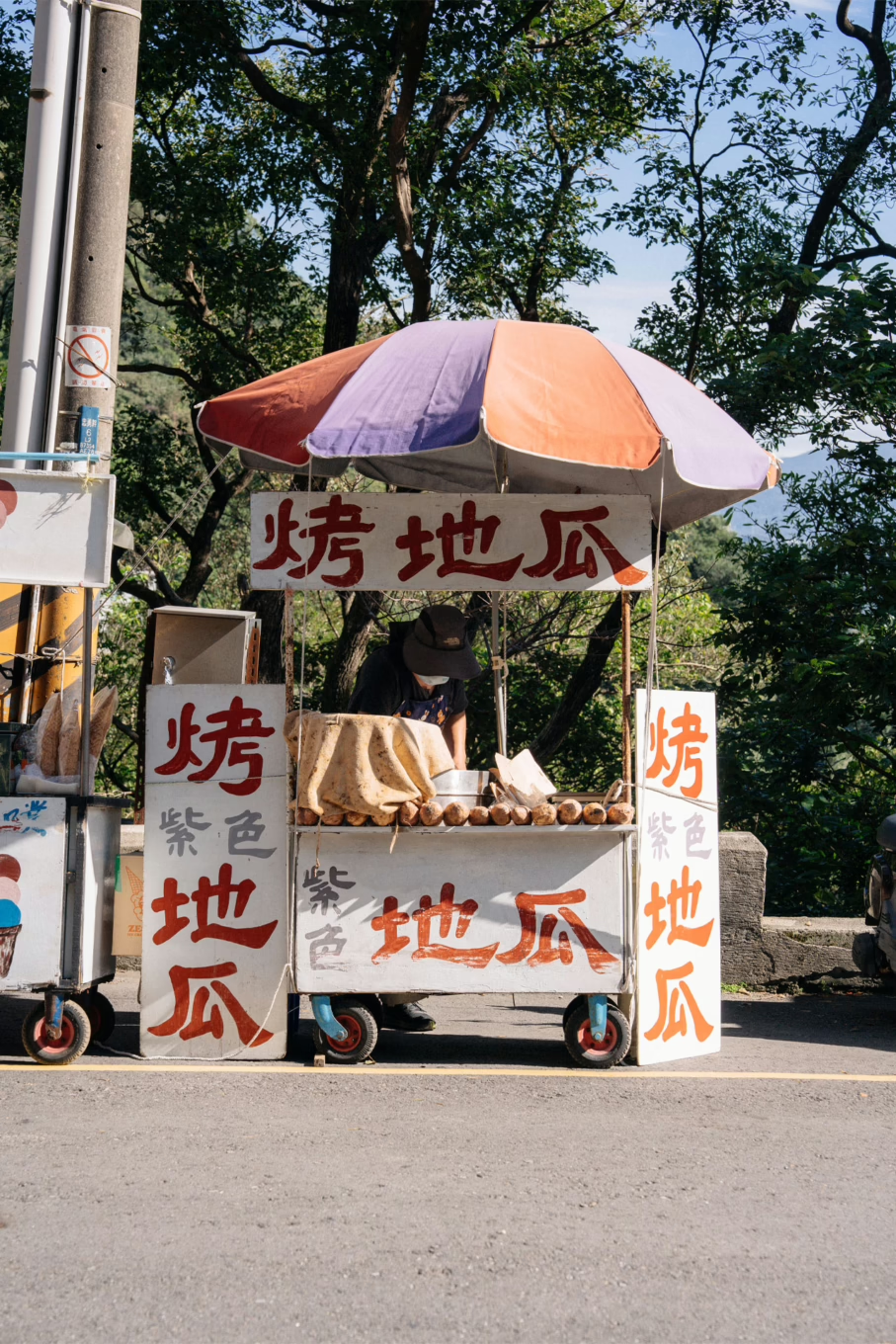
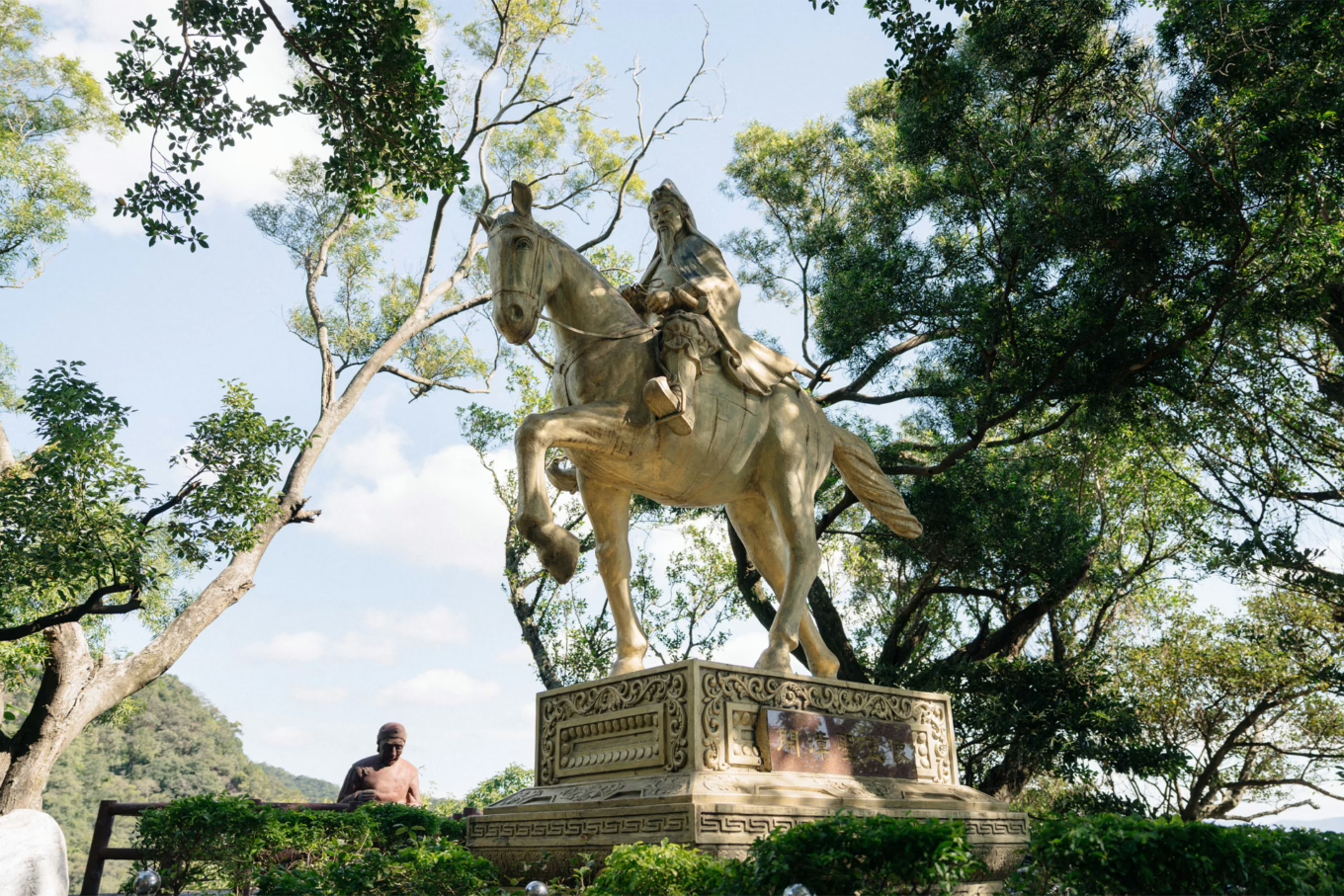
For anyone wrestling with stress or anxiety, the mental health effects of trail running can be profound. While I enjoy road running, my mind sometimes slips into rumination, particularly on long, unbroken stretches. On the trail, you can’t get lost in your thoughts – you’re too focused on the moment, navigating steps, stones, roots and the sudden changes in terrain. The focus is grounding, almost therapeutic, amplified by a burst of endorphins from the exercise. I always end my trail run with a sense of peace, even on days when my “run” resembles a slow jog or hike.
Section 5’s proximity to the city offers one final bonus – there’s always a 7-Eleven or Family Mart within 500m of wherever I finish. No matter how tired or sweaty, I can push through my run knowing that water, snacks and air conditioning are close at hand, offering a moment of rest and reflection before I step back into the rhythm of daily life.
Where to relax after
Every Taipei trail runner knows that the best place to recover after a tiring run is at one of Beitou district’s many hot spring hotels. Beitou lies north of Taipei and is accessible via the MRT’s red line. At Beitou station, transfer to the pink Xinbeitou branch line to cut down on walking.
 Beitou Public Hot Spring
Set to reopen February 2026 following extensive renovations, the Beitou Public Hot Spring is the best option for travellers looking to save money. Each entry gives access to several outdoor hot spring pools. Bring a swimsuit and your own towel. The public hot spring is very popular so you may need to squeeze in among the locals. Price: NT$40.
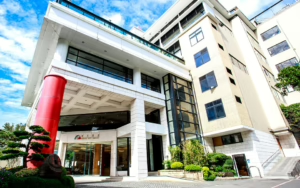 Spring City Resort
If you want an outdoor hot spring with more comfort, Spring City Resort offers an elevated experience, featuring family-friendly outdoor pools at varying temperatures and optional bubbles for extra fun. You can also relax on heated rocks or reclining chairs if you need a break from the water. Price: NT$800 for adults and NT$550 for children.
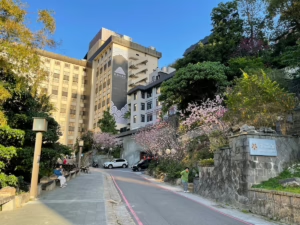
Waterhouse
A short walk from Xinbeitou station, Waterhouse is ideal for tired legs if you want hot springs without hiking uphill. This Japanese-inspired hot spring hotel offers private rooms by the hour or unlimited access to its traditional gender-segregated public bathhouse. Price: Public bathhouse from NT$780; private spa rooms from NT$1,980.
Trail running 101
What to bring or wear:
- Always bring a fully charged phone, government ID, a little cash and a power bank if you have space.
- Water is essential. You can carry a bottle in your hand or keep it in a small backpack, waist pouch or running vest.
- Running shoes are a must, but trail running shoes are even better, offering extra grip. They work well for hiking too.
- Candy or running gels can help you push through the energy slump that typically kicks in after
60 minutes. - In winter, pack an extra layer. Your body temperature can drop quickly after finishing a run, and it may take longer than expected to get home.
- If you want to try trail running in Taipei, most MRT stations have lockers. Store a change of clothes there for after your run. In summer, bring sandals to change into.
- If you don’t want to carry cash, charge your MRT Easy Card. It can be used like a debit card at convenience stores.
- Avoid wearing cotton while running in Taiwan. The humidity, even in winter, can make it feel heavy and damp quickly.
- MRT stations, police stations and many temples, like Bishanyan, have public water fountains
and bathrooms. - If you run alone, always tell someone your route and text them when you’re done. Apps like Strava let you share your real-time location with a trusted contact via Beacon.