
Step beyond Auckland’s marina to explore the Hauraki Gulf’s most storied islands – the birdsong of Tiritiri Matangi, the gardens of Kawau’s Mansion House and the creative calm of Waiheke – all ideal spots for a family adventure
Photography Jamie Bowering
Previously a working dockyard filled with fishing boats and warehouses, Auckland’s Viaduct Harbour was reinvigorated in the late 1990s to prepare for the 2000 America’s Cup. Today, it’s one of the city’s most popular waterfront spots, with a lively mix of restaurants and yachts.
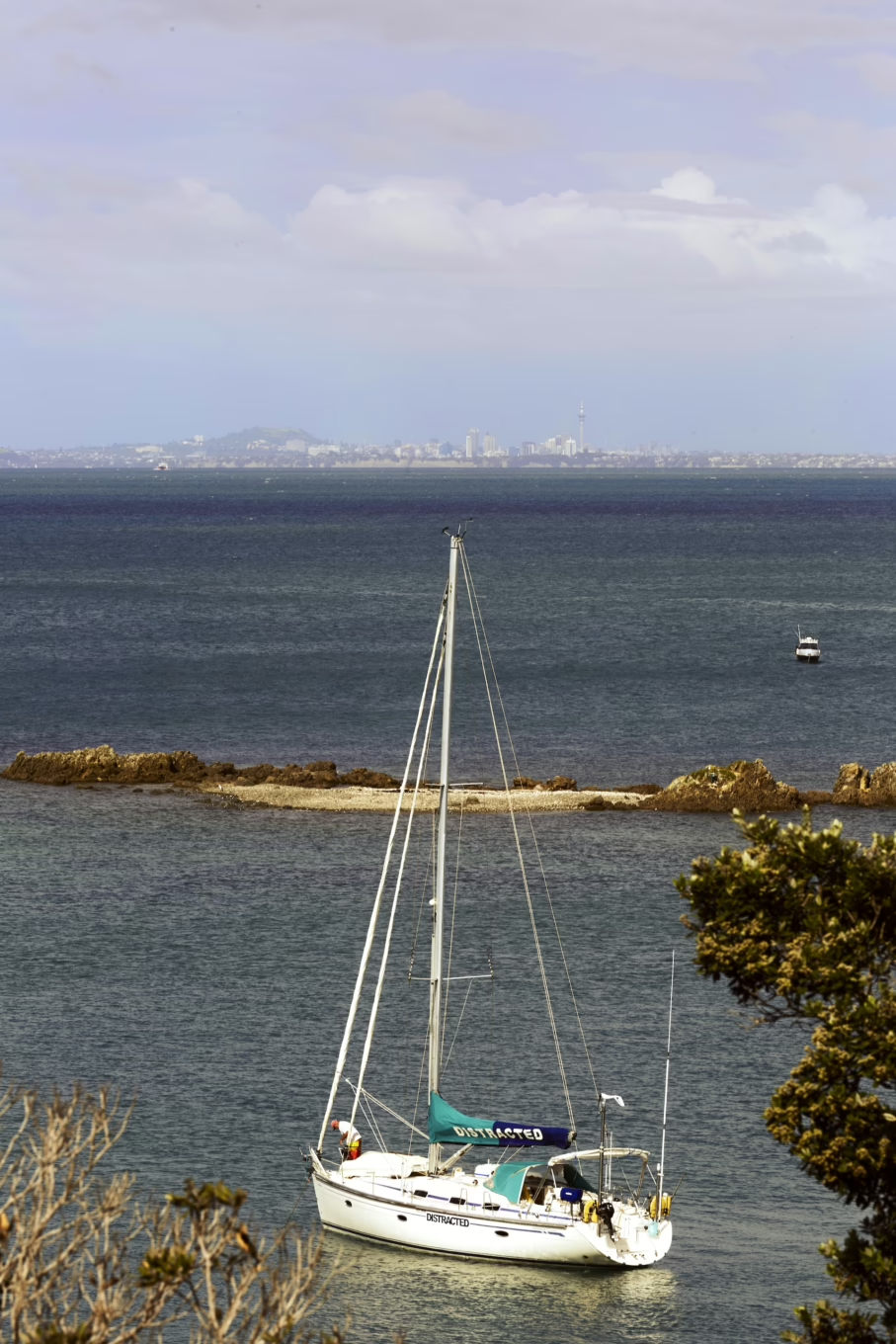
But look past the marina and out towards the water, and you’ll see Auckland’s true beauty. The Viaduct opens into the Waitematā Harbour, a sheltered waterway that flows east into the Hauraki Gulf, a vast marine park with over 50 unique islands to explore.
My husband and I have spent years sailing around these waters and keep finding ourselves drawn back to three in particular: Tiritiri Matangi, Kawau and Waiheke. Maybe it’s the clear turquoise waters, the enchanting forests or the chance to see rare wildlife. Whatever it is, these islands always pull us back, with loved ones in tow, and every visit is filled with exciting adventures and precious memories.
The best part? They’re all just a short ferry ride from the mainland, yet each offers a different experience, perfect for a day trip where families of all ages can explore and connect.
Tiritiri Matangi: feathered paradise
It’s hard to imagine that Tiritiri Matangi was once a barren farmland. Today, it’s an island sanctuary where there are more birds than people. As the Tiritiri Matangi Island Ferry pulls up to the jetty after an 80-minute ride from the Viaduct Harbour, you can already hear the chatter of birds carried over the water, a hint of what waits ashore.
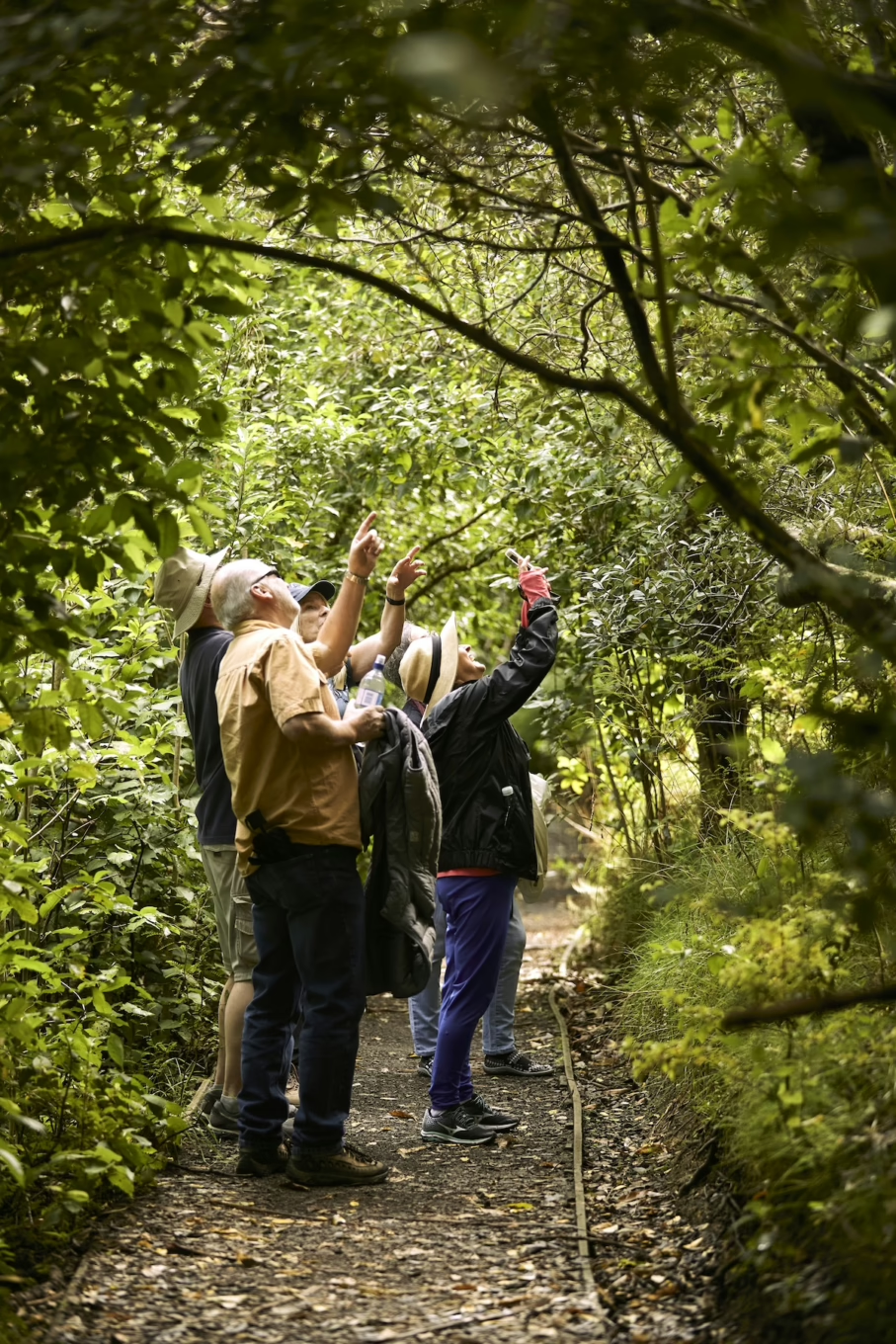
Strolling beneath a lush forest canopy with a constant bird concerto echoing around us, Tiritiri feels like entering another world. It’s the perfect place for families to unplug from screens and reconnect with nature – not only because Wi-Fi coverage is limited but because there’s so much to see in real life. The walking trails are well marked with benches along the way for older family members to rest and take in the views. Toilet facilities are available at Hobbs Beach, the Visitor Centre and the wharf.
For the best experience, head up to the Visitor Centre beside the historic 1864 lighthouse and join a guided walk with the Supporters of Tiritiri Matangi. Mosey along gently winding forest trails and look out for the pōhutukawa trees (known as New Zealand’s Christmas tree) which bloom with red flowers in summer, from December to February.
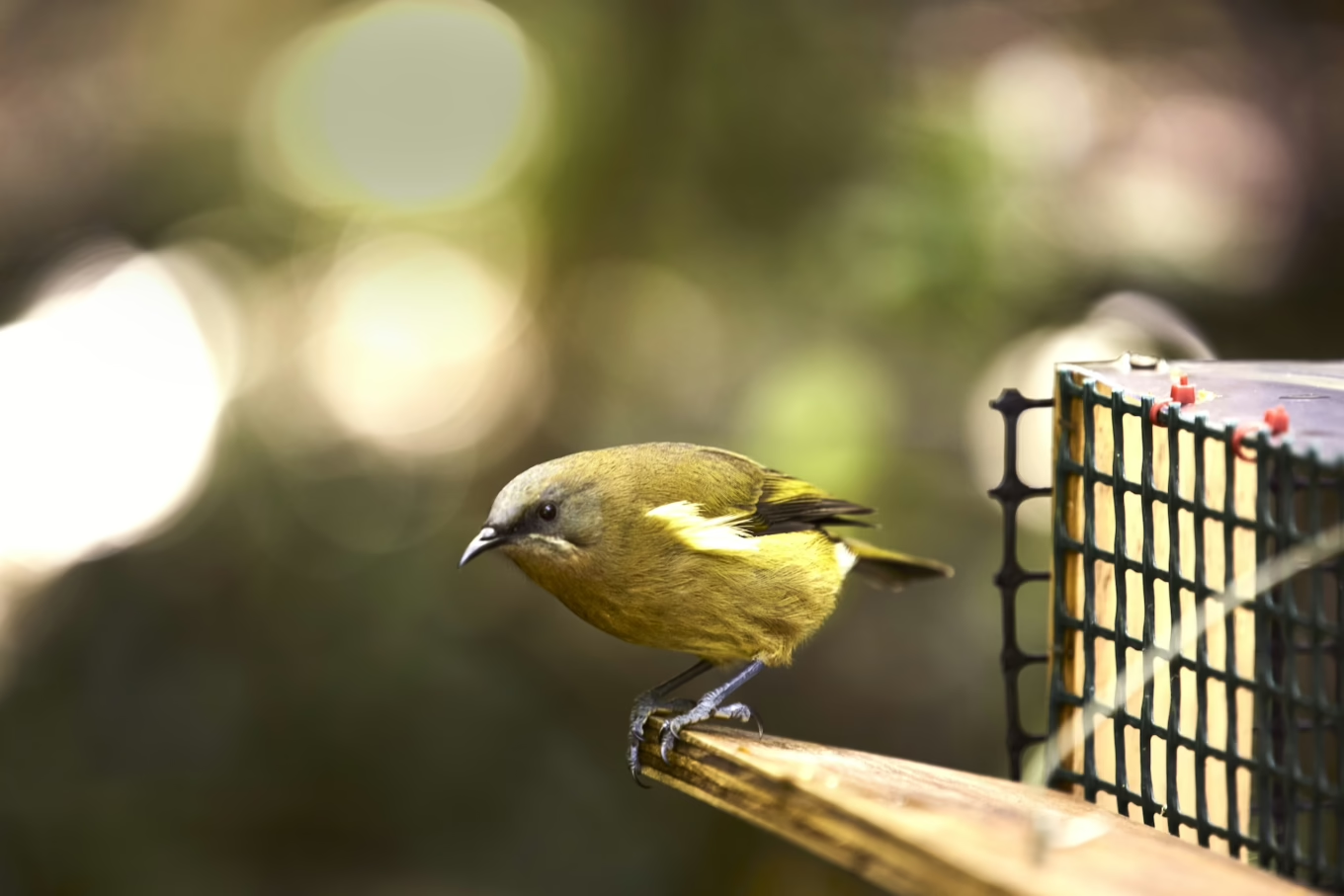
Grandparents will love learning how to identify bird calls and hearing stories of how this land was brought back to life. Once a Māori settlement blanketed in dense native forest, Tiritiri Matangi was cleared for farming by the Europeans in the mid-1800s – a move that drove away much of its wildlife. But in 1984, the Department of Conservation and hundreds of volunteers launched a reforestation project on the island, planting 250,000 trees and reintroducing endangered bird species such as the tīeke (saddleback), hihi (stitchbird), little spotted kiwi and korimako (bellbird).
Parents will want to keep their cameras ready – this is one of the best places in New Zealand to photograph native birds up close, particularly the elusive kōkako (also known as the “ghost of the forest”) and the endangered takahē, a large, flightless, jewel-coloured bird. Kids will be beside themselves if they’re lucky to spot the reptilian tuatara sunning itself on a rock – a real-life “dinosaur” with a third eye that dates back 250 million years.
There’s no café or food service on the island, so it’s best to pack food in sealed bags or containers. The island has a strict Pack In, Pack Out rule – whatever you bring, you take back with you. The Visitor Centre offers complimentary tea and coffee and sells cold beverages and bird-themed souvenirs in the gift shop.
Kawau: island of Victorian curiosities
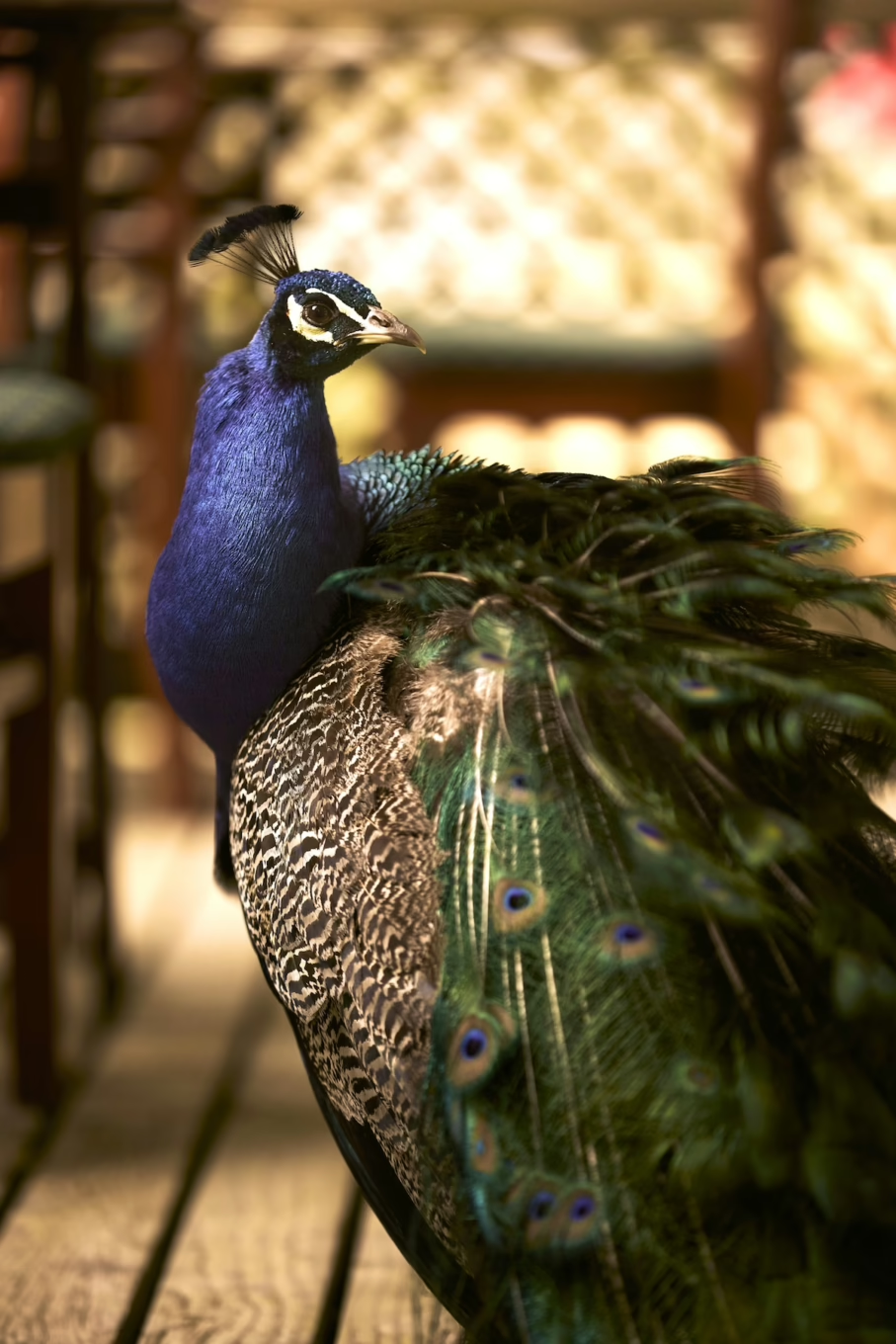
Just a short trip north of Auckland, this island once belonged to Sir George Grey, who served twice as governor of New Zealand. In the mid-1800s, Grey purchased Kawau as his private retreat, envisioning it as a living menagerie. He brought in exotic plants and trees and imported animals such as wallabies, peafowl, kookaburras and monkeys to bring his dream to life.
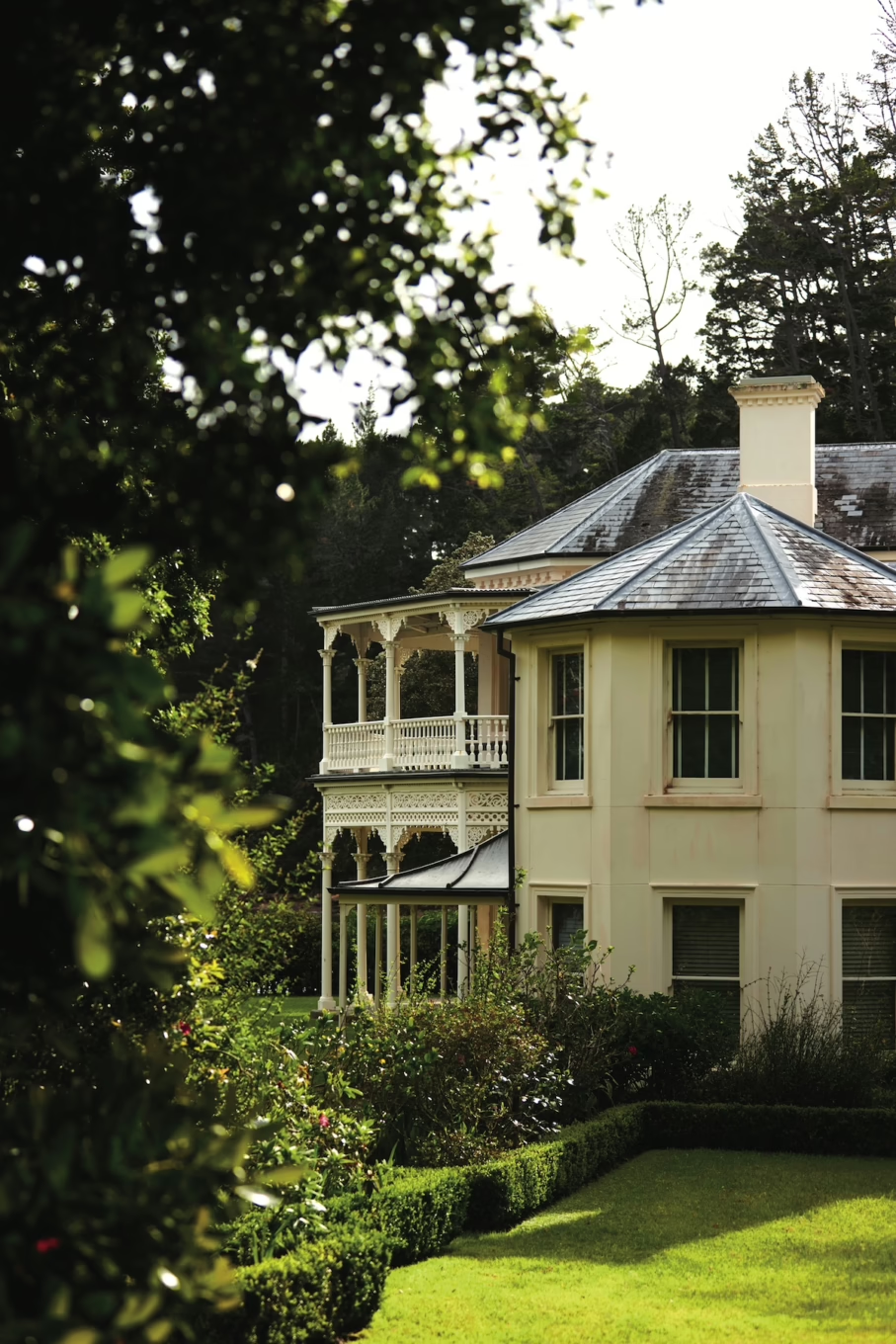
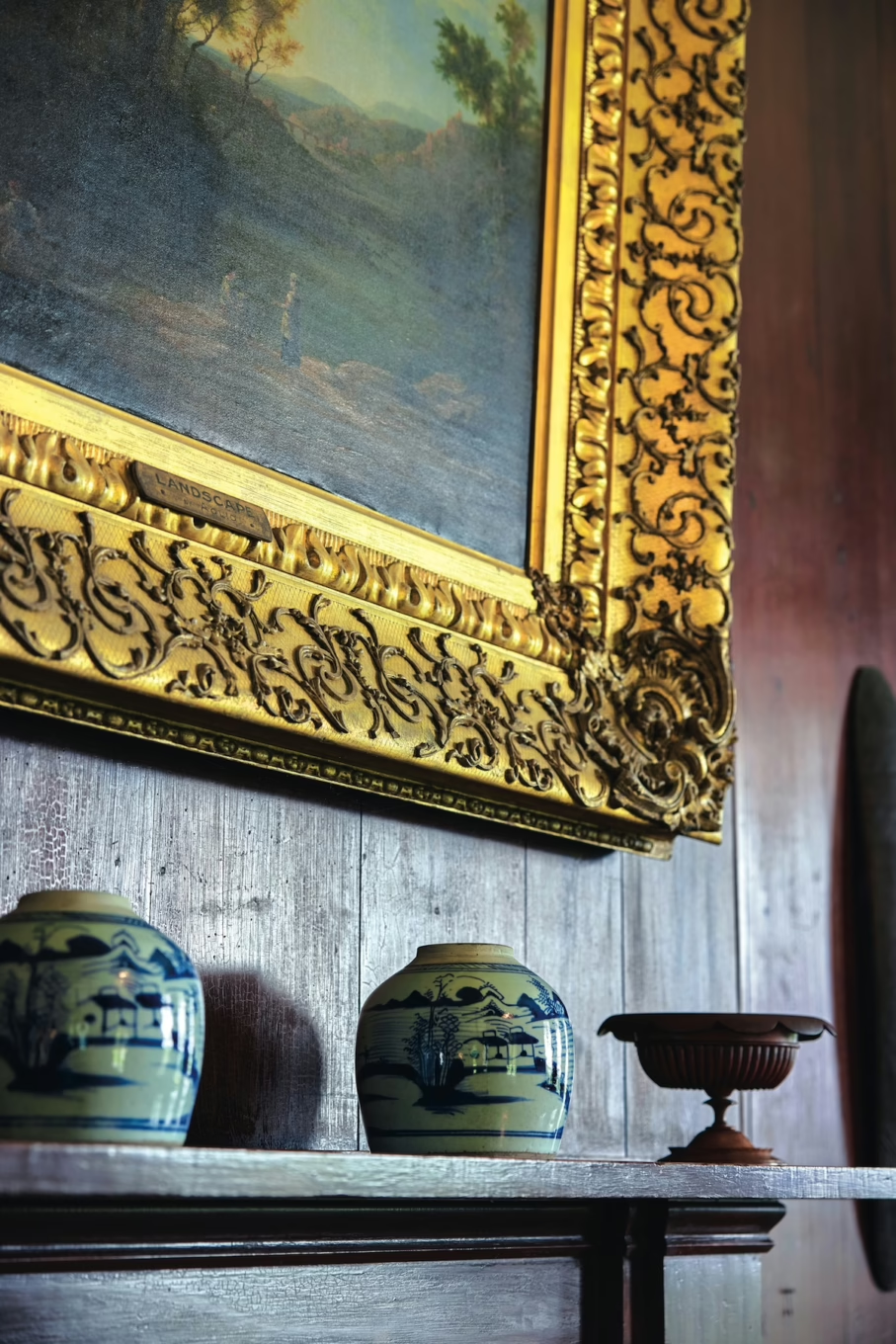
Today, that eccentric vision remains. Arriving here in the summer feels like you’ve wandered onto the set of a period film, with the Victorian-era Mansion House at its heart. Surrounded by camellias and hydrangeas in full bloom, and with peacocks strutting across the lawns, it’s hard not to be charmed. For a small entry fee of NZ$4, you can wander through the beautifully restored parlours and dining spaces furnished with Victorian décor, filled with curiosities that hint at Grey’s fascination with nature and the exotic.
Comfortable shoes and a sunhat are a must when exploring the island. From the Mansion House gardens, follow the shoreline trail on a 20-minute walk through native bush to Lady’s Bay, a secluded beach cove
perfect for a family picnic or a refreshing swim. Tell the kids to keep an eye out for wallabies, the smaller hopping cousins of kangaroos, or the cheeky weka – curious, flightless birds that often loiter for scraps under picnic tables.
For parents and older kids seeking a bit more adventure, the Coppermine Track to the stone engine house ruins is a two-hour return walk rich in history, with native bird sightings of tūī, pīwakawaka (fantail), kererū (New Zealand wood pigeon) and sweeping ocean views. Grandparents who prefer a gentler pace can wander through the Victorian gardens around the Mansion House, enjoy the flowers and watch for peacocks.
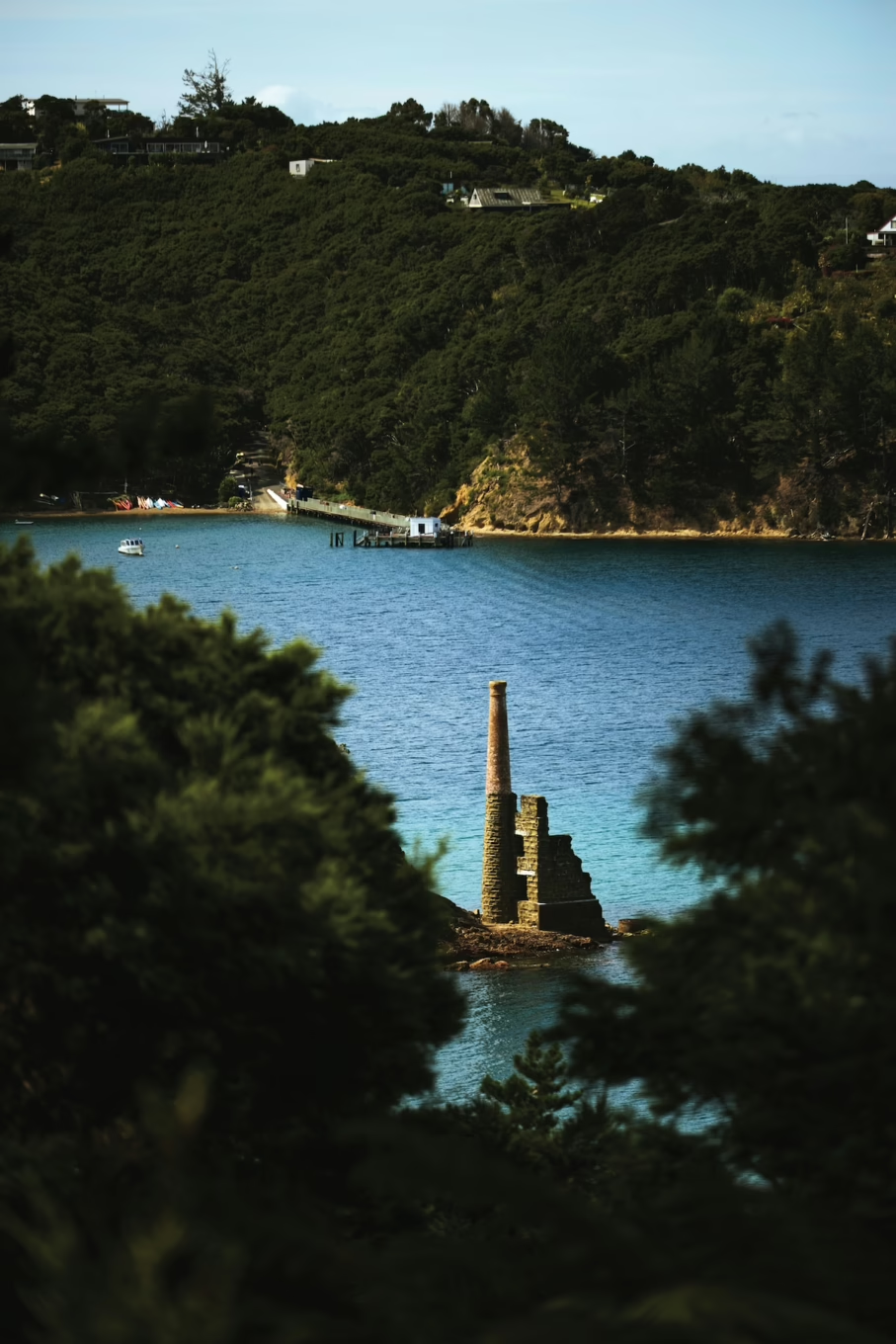
When it’s time for a bite, the whole family can regroup at the Mansion House Café. Open during the summer months from 10am to 4pm, the café serves lunch along with coffee, salads, sandwiches and Maree’s scones, a local favourite.
Getting to the island is easy and a scenic experience. From Auckland’s city centre, drive about 50 minutes north to Sandspit Wharf, where you can park and board a ferry to Mansion House Bay. Kawau Cruises operates a quick 20-minute ferry with five departures throughout the day during summer. For a more scenic journey, the Royal Mail Run Cruise takes a longer 40- to 50-minute route and offers the chance to spot gannet birds diving for food and the occasional penguin or dolphin along the way. Check the website for timetables and book your tickets at least two hours ahead.
Waiheke: art and behold
A place where laidback beach life meets artistic flair and a taste for the finer things, Waiheke Island is just a 35-minute ferry ride from downtown Auckland. Once a bohemian haven for struggling artists and dreamers in the 1970s, it now boasts a prominent art scene and some of New Zealand’s best boutique wineries and restaurants.
Getting around the second-largest island in the Hauraki Gulf is simple, even for families with young children or older relatives. Most areas are stroller- and wheelchair-friendly, with paved paths and easy access to buses and taxis. Oneroa Village, the island’s main township, is just a 15-minute stroll from Matiatia Wharf. The main street, Ocean View Road, is lined with cafés, art galleries and boutique shops selling everything from handmade jewellery to home décor by local artisans.
Start with a leisurely brunch at Wai Kitchen while admiring sailboats anchored on Oneroa Bay. Packed a picnic basket? Follow the sloping path from Ocean View Road down to Oneroa Beach, where kids can build sandcastles and paddle safely in shallow waters while parents unwind on a blanket under shady trees.
The Waiheke Community Art Gallery is a five-minute walk from Ocean View Road, where local talents exhibit their work. If you’re there between 5 December 2025 and 1 February 2026, buy and collect a piece of original Waiheke art to take home from the “Jostle-Waiheke Small Things” exhibition. Summer is also the best time to go on the Oneroa Art Trail, an easy 3km walk past public art installations and local art galleries.
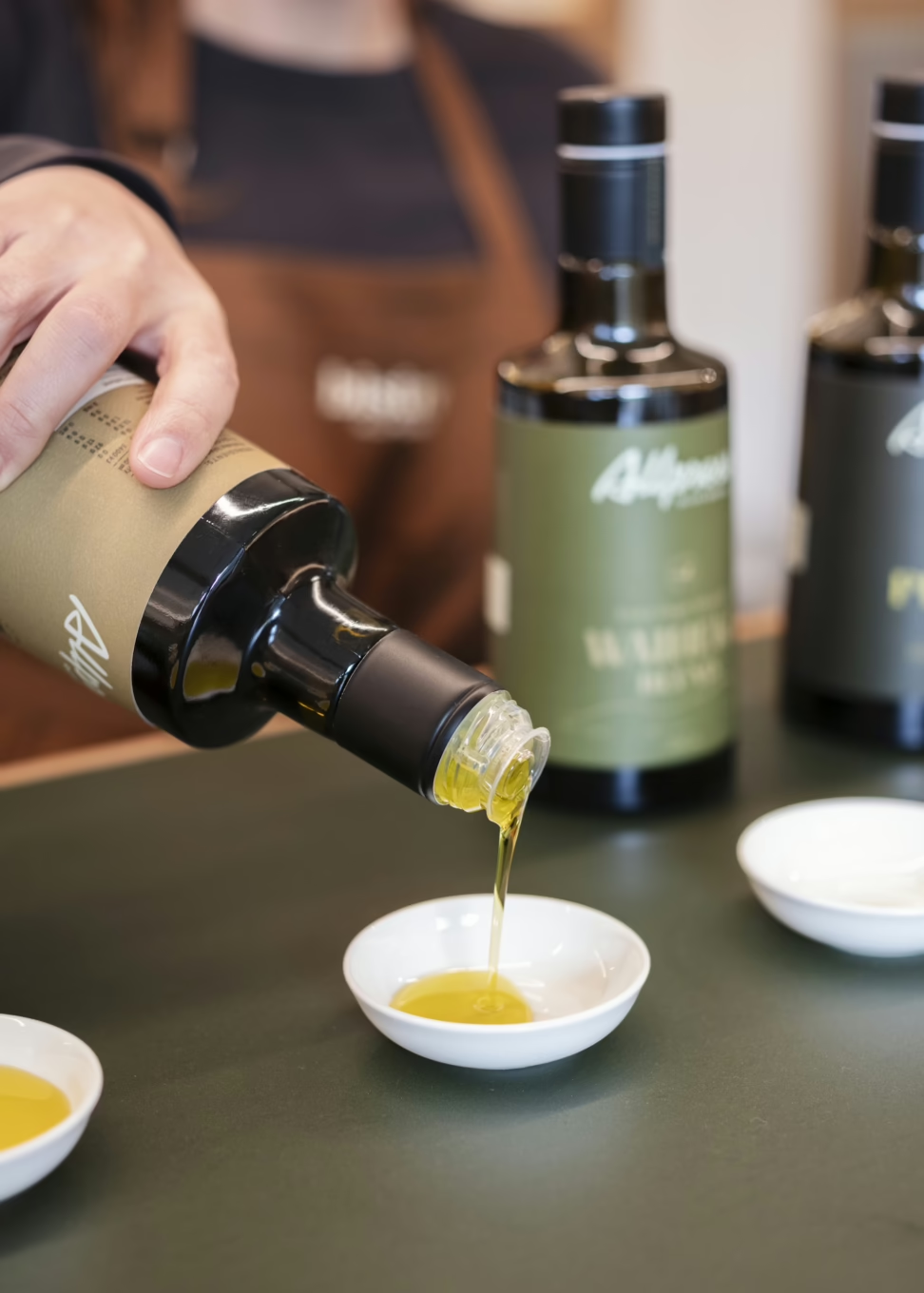
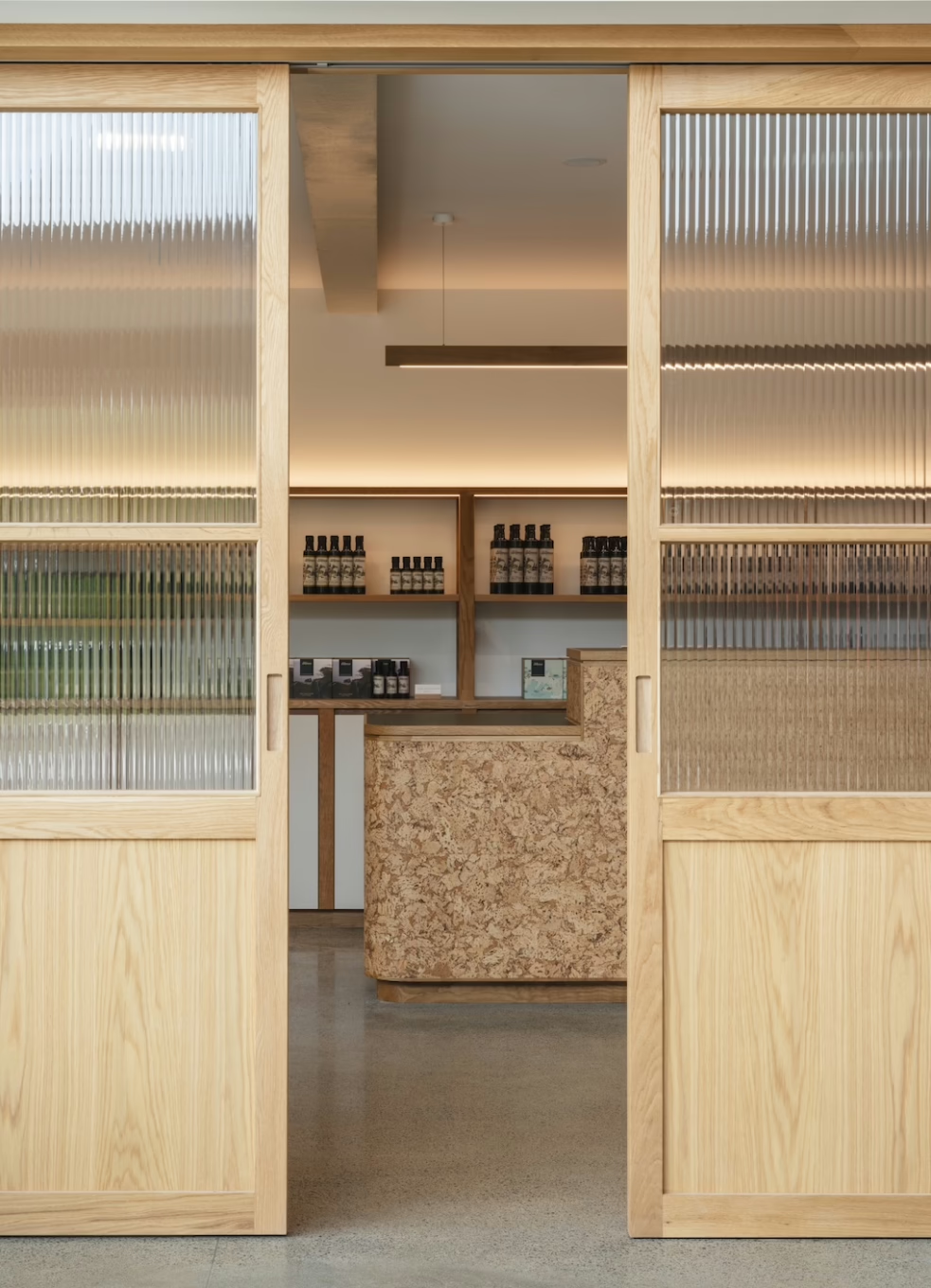
Waiheke’s Mediterranean-like climate makes it ideal for vineyards and olive groves, and even those who don’t drink will find plenty to appreciate. Foodies can head to Allpress Olive Groves on Gordon Road for a NZ$10 tasting session that lets them sample a selection of extra virgin olive oils, learn about the milling process and even pick up a bottle or two to take home.
If you prefer something more thrilling, EcoZip Adventures offers an unforgettable way to see the island from above. After a quick pick-up from the Matiatia ferry terminal, the three-hour experience will have you soaring over treetops and vineyards.
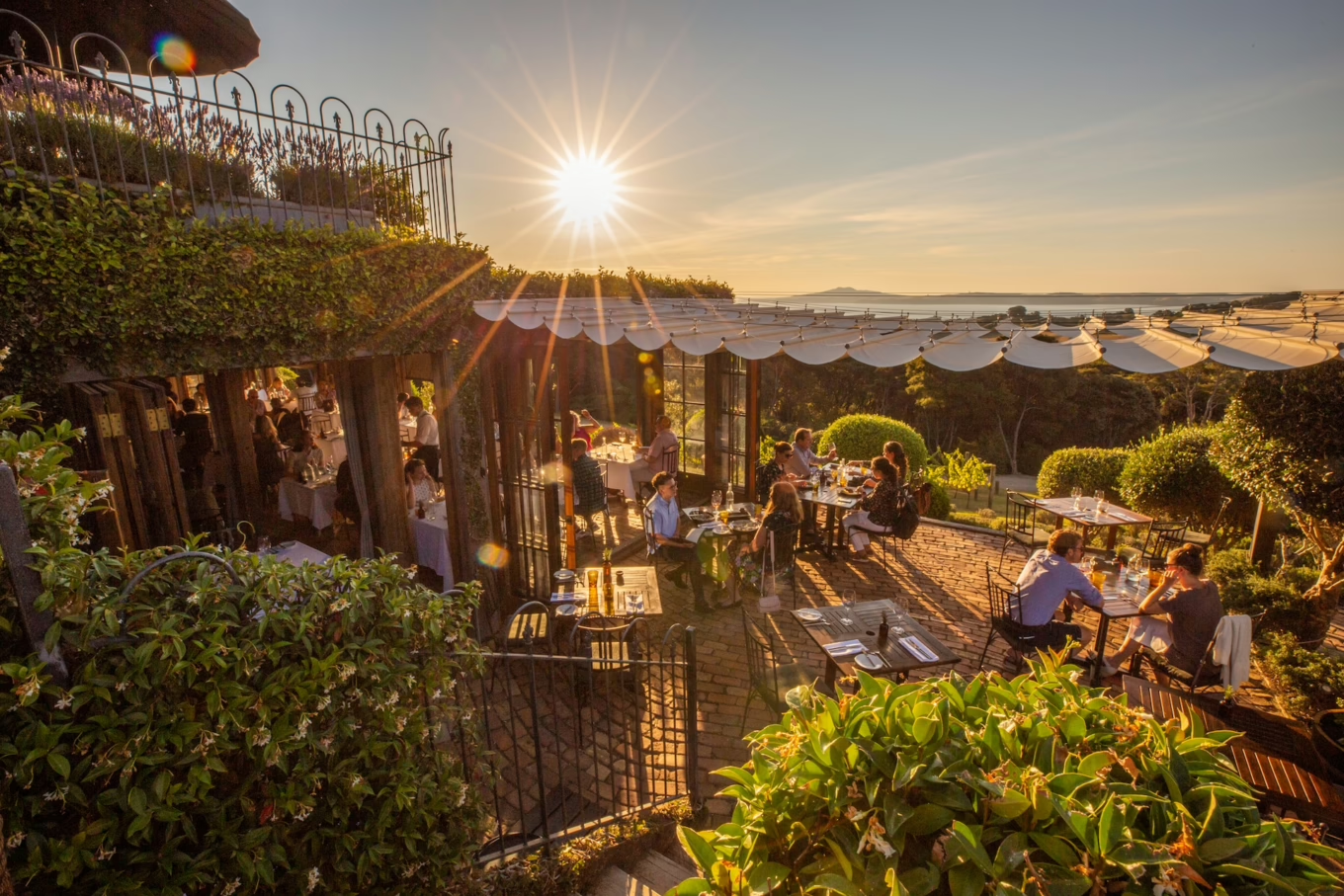
Cap your island adventure at the iconic Mudbrick Restaurant on Church Bay Road, a three-minute taxi ride from Oneroa’s main street. Order light bites – perhaps flatbreads, crispy calamari or shiitake mushrooms – sit back and admire views of the water and Auckland city in the distance.
To get here, board the Fullers360 ferry for a 40-minute trip to Matiatia Wharf from Auckland’s Downtown Ferry Terminal at Pier 2 on Quay Street, within walking distance of the Viaduct Harbour. You can purchase tickets at the terminal on the day itself, but it’s best to book ahead during summer.