
Through waterfalls, reefs and rivers, Chandra Joshua rediscovers the untamed wonders of her home island Cebu
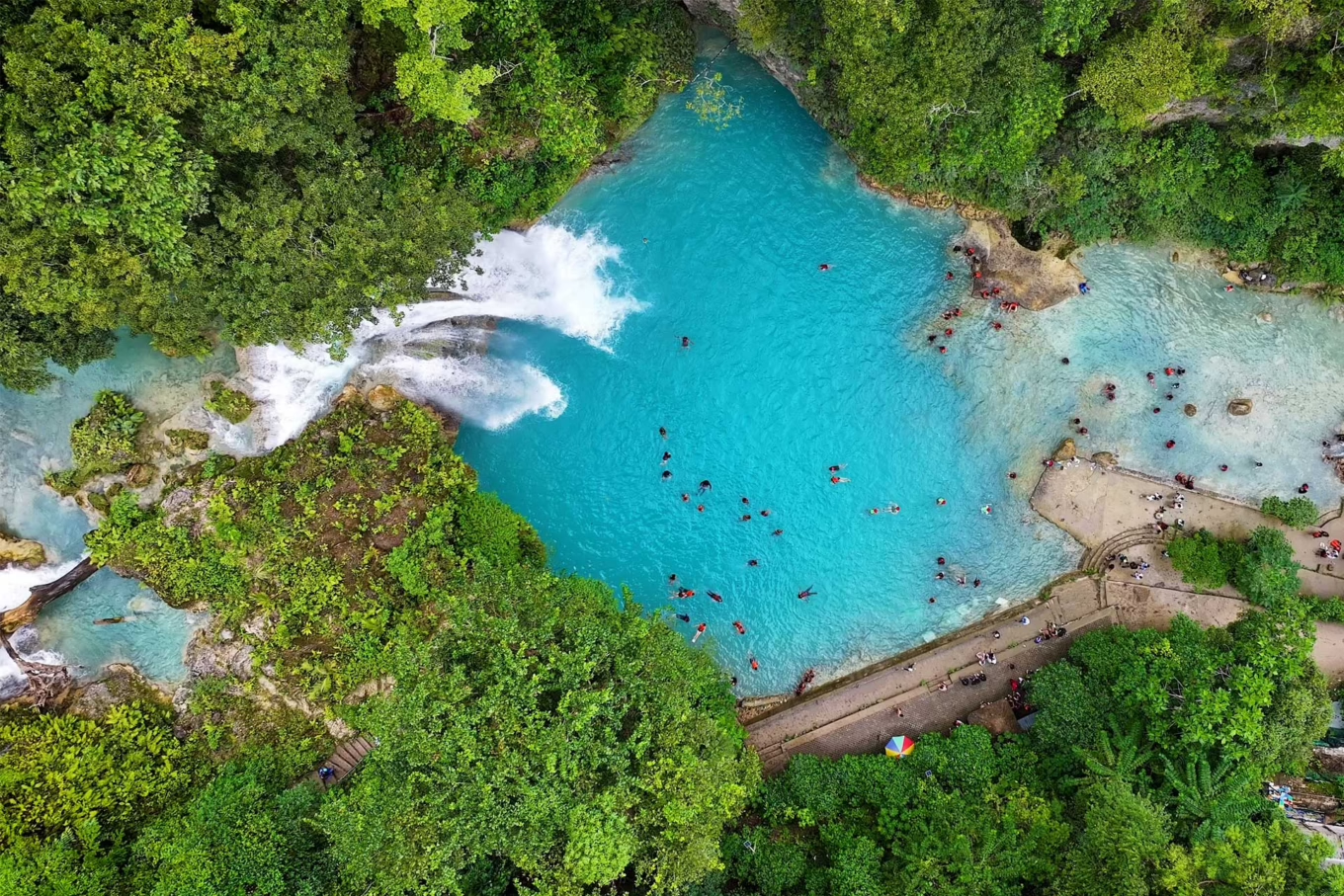
When I found myself on the precipice of a 10m waterfall, every instinct told me to freeze – but that, our tour guide reminded us, is precisely when you jump.
At Kawasan Falls in Badian, Cebu, the only way out is through. Navigating its rugged gorges and cascading cliffs demands surrendering to the flow, because Cebu was shaped by forces like these: currents, tides and ripples that always required a leap of faith.
Situated at the centre of the Philippine archipelago, Cebu – derived from sugbó, or “to wade into the water” – is the long, narrow island that pulses like a central artery. It’s my birthplace: the site of the country’s oldest street, the cradle of Christianity in the region and the early seat of Spanish rule.
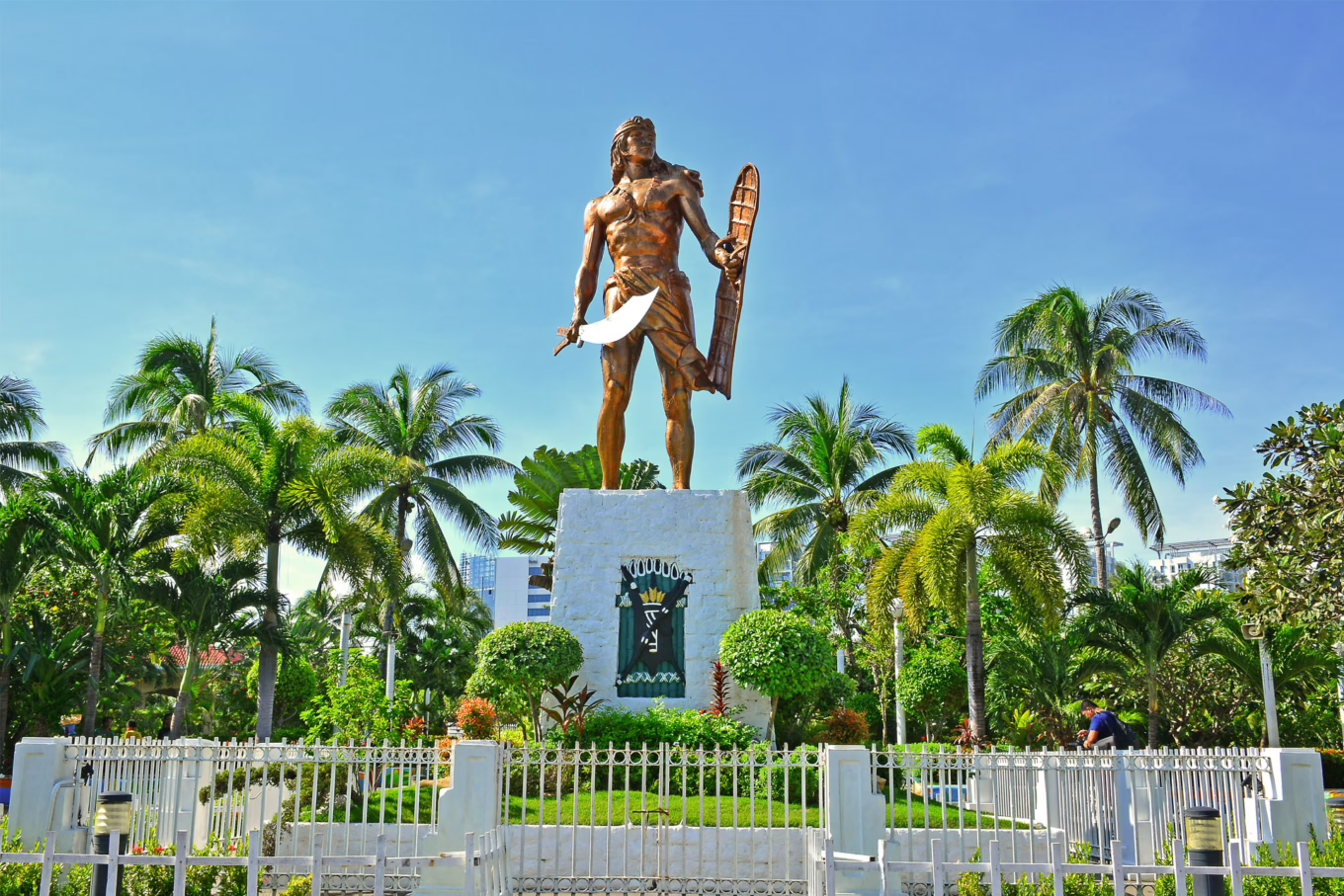
But long before colonisation, in 1521, it was on Cebu’s Mactan Island that my ancestors brought down Ferdinand Magellan, leader of the first expedition to circumnavigate the world. Spanish boats tried to intimidate the natives into submission with muskets and cannons fired from offshore, but the surrounding natural reefs blocked their artillery. The people defended the island, and the island protected its people. In nearly every depiction of Magellan’s death, he stands ankle-deep in water, felled by a final blow from Lapulapu, the defiant Cebuano chieftain and the Philippines’ first national hero.
Rey’s voice, one of our guides, snapped me back to the present. “This first jump is just 3m,” he shouted over the roar of rushing water. The pool was the brightest, most impossible shade of blue. “Be brave, they get higher from here!”
This was my first real adventure since moving back to the island where I was born and raised. After 15 years in landlocked corporate ennui in Manila, being surrounded by water again felt jarring. I felt incapable, exposed. My companions, Auntie Jethel and Uncle Uyclird – both certified lifeguards – were already well ahead of me. When other tourists began gathering for their turn, I shut down my thoughts and leapt. Water shot up my nostrils as I plunged into the deep. Panic seized me for a second, and then I remembered: even with a life vest, I had to kick myself back to the surface.
That first jump was only the beginning. The four-hour canyoneering route swept us onward, pulling us through a shifting mix of terrain – sliding backwards into natural basins, swinging from ropes, wading through rock caverns – my nervous system perpetually on edge. By the time we reached the final 10m drop, I chose to stay at the foot of the waterfall instead, my journey done and dusted. The water swashed against me, as if to pat me on the back.
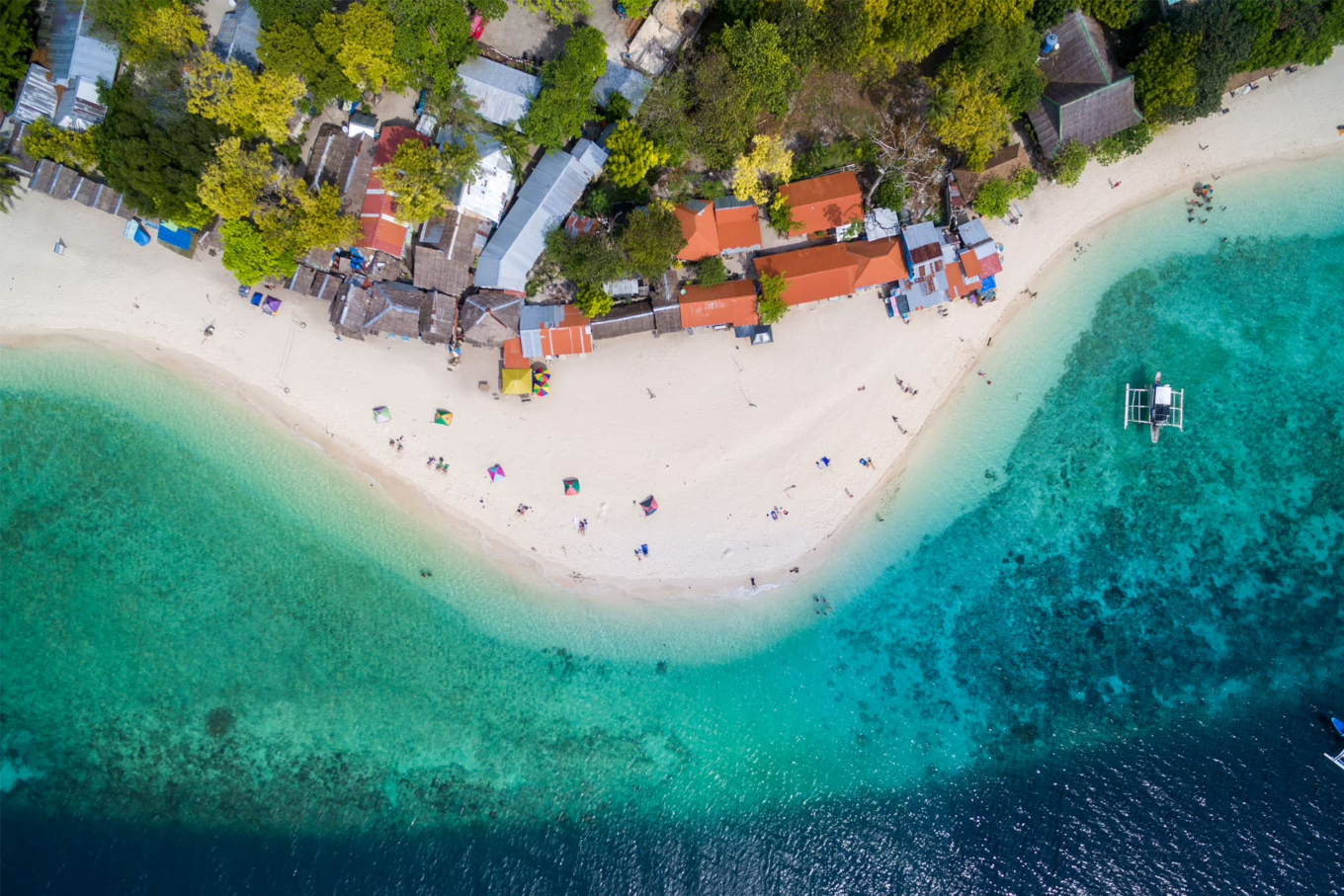
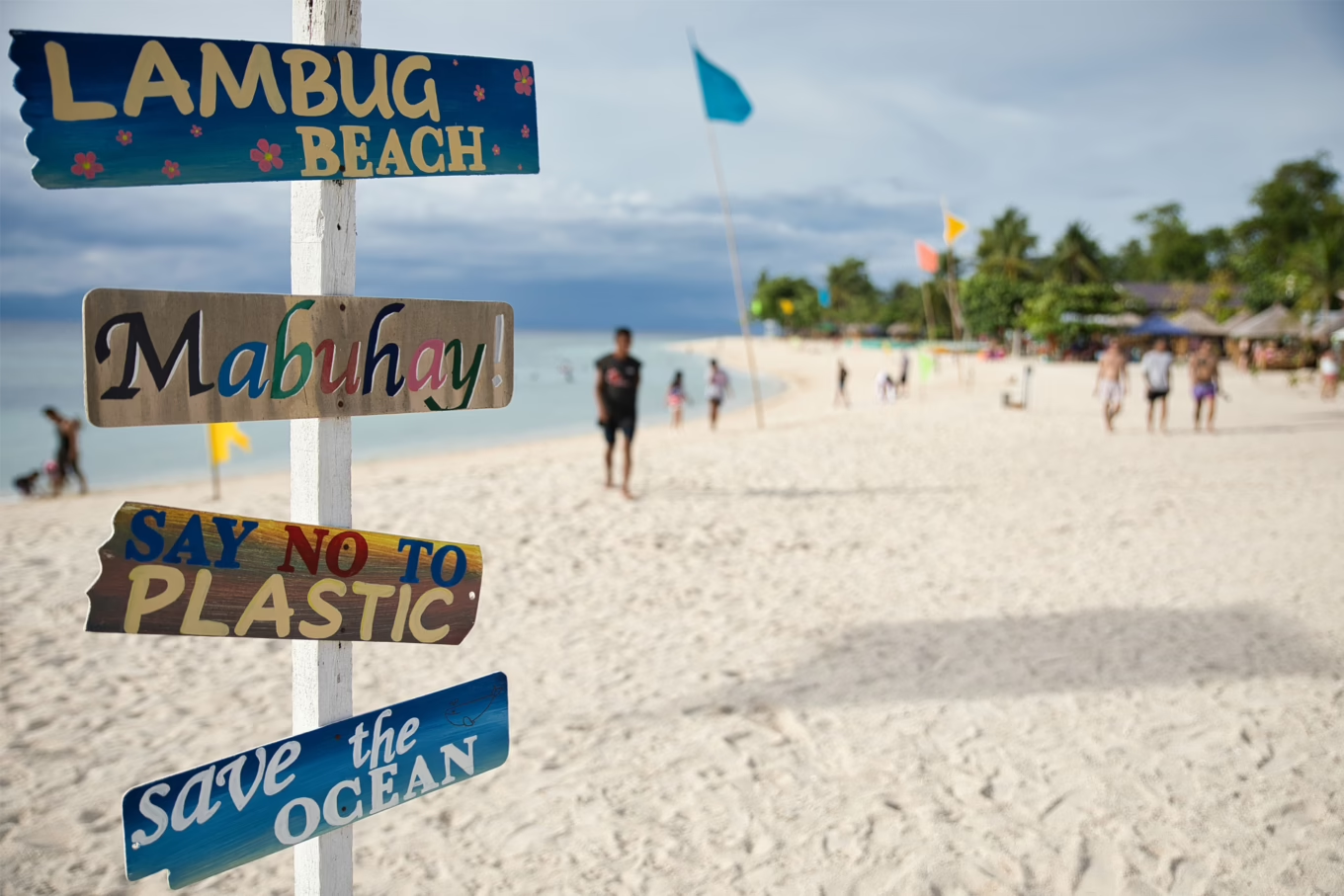
My family’s 1960s ancestral home is in Malabuyoc, a quiet municipality in Cebu’s southwest region. Set within easy reach of the island’s many highlights, it became a natural base for exploring this side of Cebu. One morning, my husband and I set off early for Moalboal, a once-sleepy fishing town that has grown into an energetic seaside hub filled with cafés, dive shops and weekend adventurers.
On the motorcycle ride there, I realised how much of my own island I had yet to see, after years of visiting only long enough to be with family. Now that I was here for good, I was determined to change that.
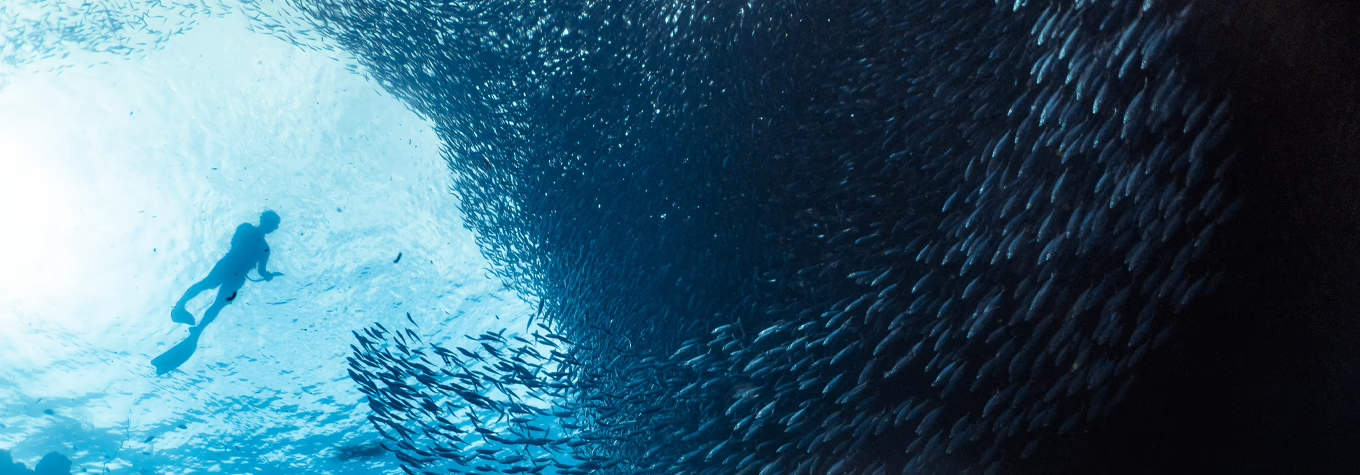
Moalboal’s biggest draw is its famed sardine run, an astonishing, year-round spectacle of thousands of shimmering fish swirling in a massive bait ball. Found just off Panagsama Beach, it’s one of the few places in the world where you can swim up close to the fish, no freediving experience required. Our guide, Kian, assured us we’d come at the perfect time as sardines prefer the colder morning water; it’s also when they tend to stay closest to shore.
Expecting a boat, I was surprised when Kian handed us a lifebuoy and simply towed us to where he knew the fish would be. Breathing through the snorkel didn’t come naturally, but once I stopped overthinking it, everything became easier. We’d been in the water for what felt like only a minute when I heard humming to my left. Before my brain could register it, a cloud of sardines enveloped us, their scales catching the morning light, their movement fluid and electric.
Suspended above that shifting silver mass, everything felt still. In that moment, I was reminded of how small we are in a world so dense with life. In that pocket beneath the surface, where I should have been holding my breath, I found the space to finally exhale.
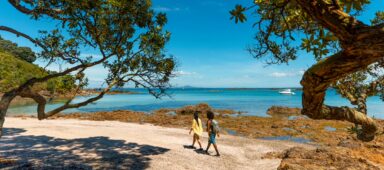
From Bangcogon, a barangay (administrative unit) near Cebu’s southern tip in Oslob, I joined cousins and family friends on a small boat cutting across calm waters toward Sumilon, a tiny island tucked against the southeastern coast. Famous for its white sandbar that appears and shifts with the tides, my companions – well-versed in moon phases and tide levels from consulting old-school paper calendars – knew exactly when the sandbar would emerge long enough to walk.
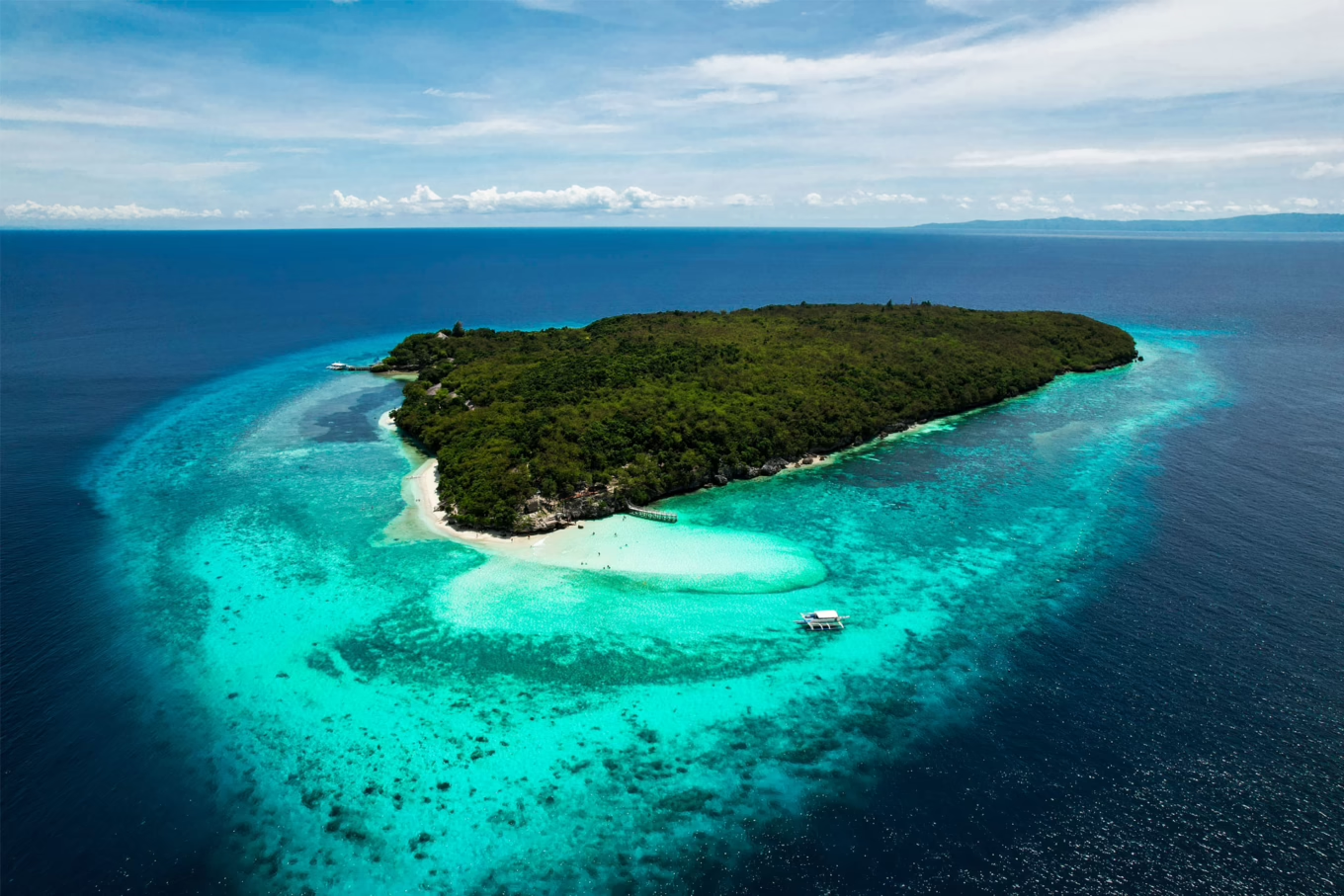
When we reached shore, two boatmen steadied a bamboo pole between them, creating a makeshift handrail as we stepped off the gangplank. Moments later, the sandbar came into view. I took off my slippers and wiggled my toes as my feet sank into the grains, the shallow water lapping at my ankles. How could something be here one hour and gone the next?
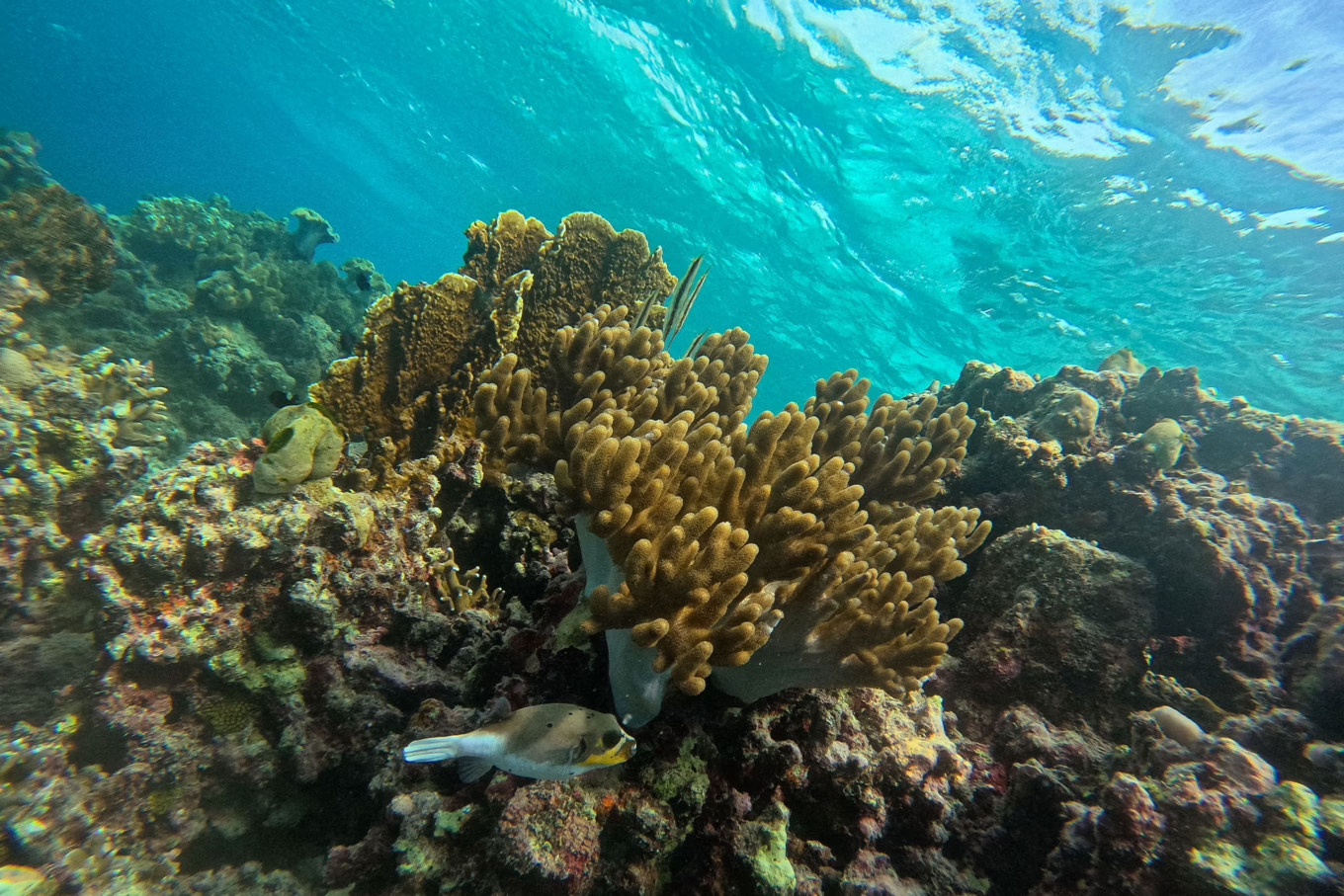
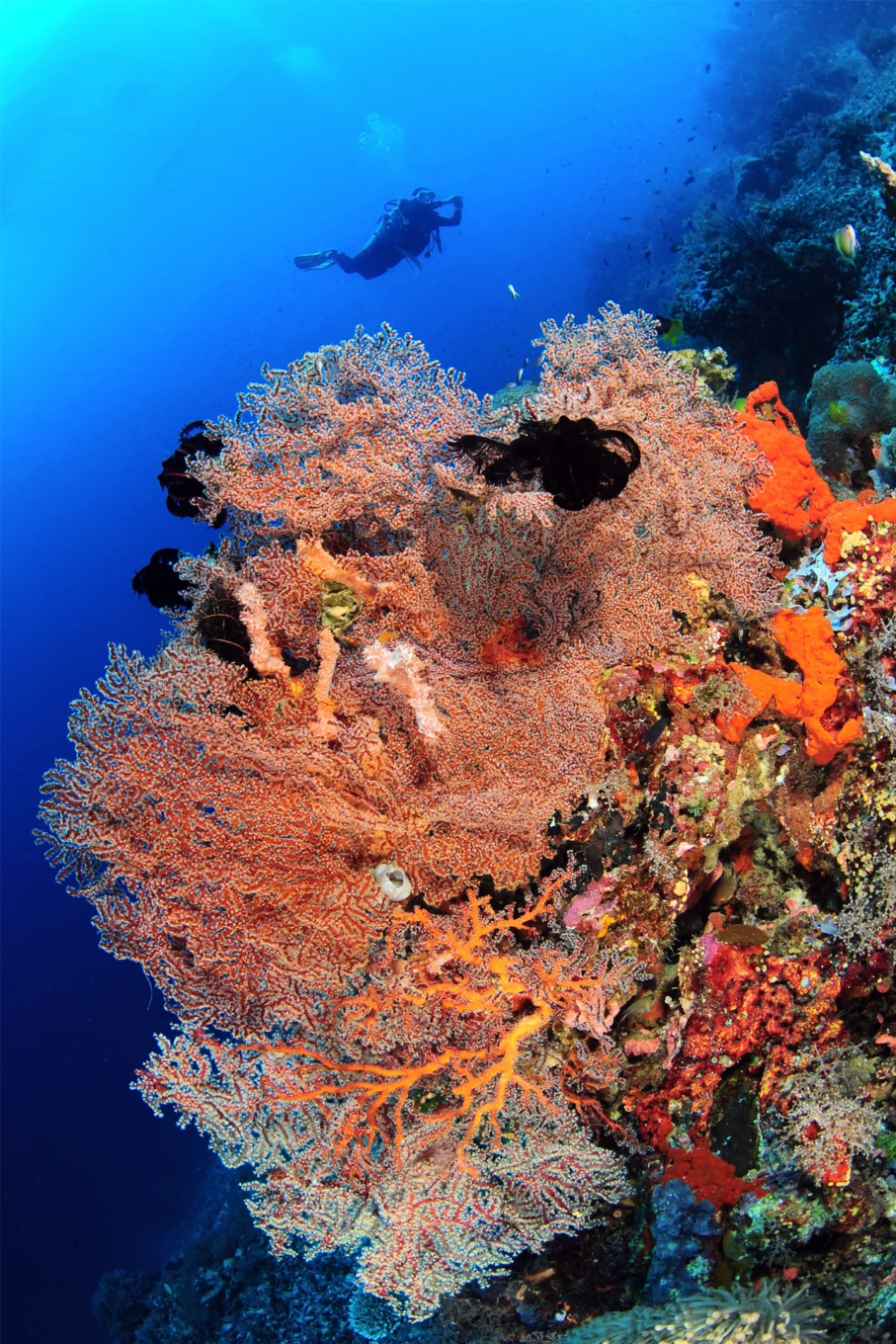
As if on cue, snorkels and goggles were handed out. At the designated exploration zone, we glided into turquoise water above coral gardens alive with lionfish, clownfish, angelfish and countless others I couldn’t name. Laughter rippled each time someone pointed out a particularly silly-looking fish. I flinched when a sea snake slithered past. We drifted for what felt like ages, scanning in every direction, unwilling to miss a single moment.
By the time we returned to the main island, we were starving. We pried open packed containers of grilled tanigue (Spanish mackerel) and puso (rice wrapped in palm leaves), eating with our hands, our fingers still salty from the sea.
My ancestors were isog – fierce, strong and formidable. Surrounded by sea, they built generations and weathered every storm that came their way. In these same waters, I wasn’t nearly as brave. But I felt myself softening, as skin does during prolonged submersion. The water had reclaimed her daughter, reminding me that courage isn’t the absence of fear, but the choice to press forward, leap and swim in spite of it.
Island paradise resorts
The Shangri-La Mactan
This five-star resort has a private beach, luxurious rooms and Ocean Wing Panorama suites overlooking Mactan Channel. Chi Spa reflects its mythical paradise namesake, and between treatments you can take a dip in the pool and relax in the garden. shangri-la.com
 Turtle Bay Dive Resort
This Mediterranean-inspired resort sits across Moalboal’s reef, home to the eponymous turtles. Follow dive instructors to the town’s top dive spots or simply relax in plumeria-scented gardens, away from the town’s bustle. turtlebaydiveresort.com
 The Nustar Hotel
In the heart of Cebu City, this premier integrated resort lets you soak in ocean views from a freestanding bathtub. Explore designer boutiques at The Mall and dine at the award-winning Mott 32 by the casino. nustar.ph