
Malaysia’s banknotes are more than cash. They carry the country’s history, heritage and identity in every note
Photography Law Soo Phye
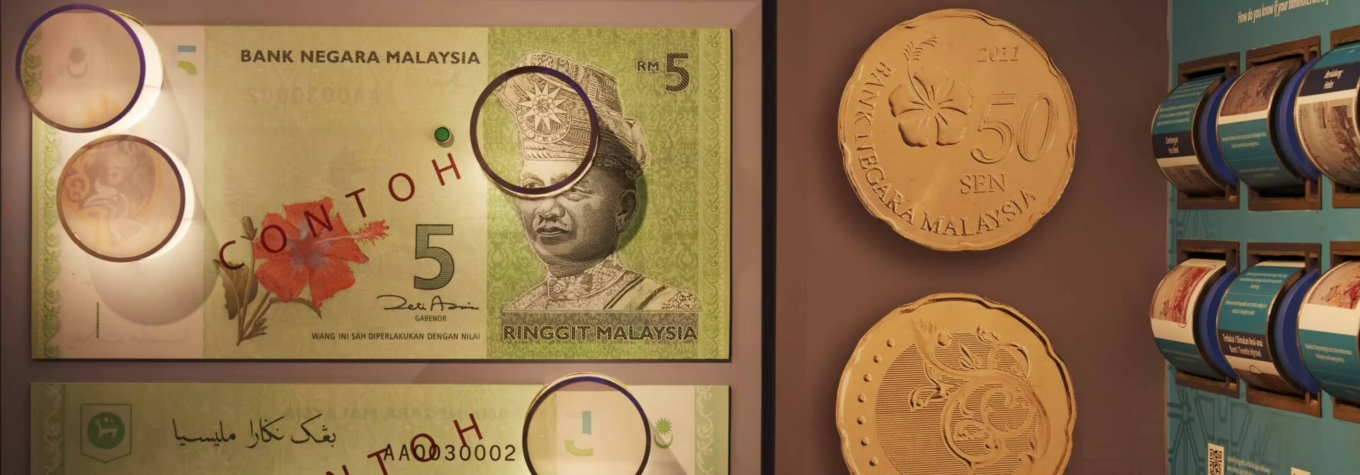
Long before a single word is spoken, a Malaysian banknote serves as a cultural ambassador to every visitor. Holding a Ringgit means holding a piece of Malaysia. From the proud gaze of the first Yang di-Pertuan Agong to the striking crimson of the national flower Bunga Raya, every element tells a story of deep-rooted heritage.
Yet the Ringgit is also a modern visual map, showcasing the country’s rich biodiversity, innovation and economic progress. As these banknotes pass from hand to hand at markets, cafés and travel counters, they do more than settle a bill; they reassure every traveller that they have arrived where timeless tradition and a confident future coexist.
A masterclass in nation-building
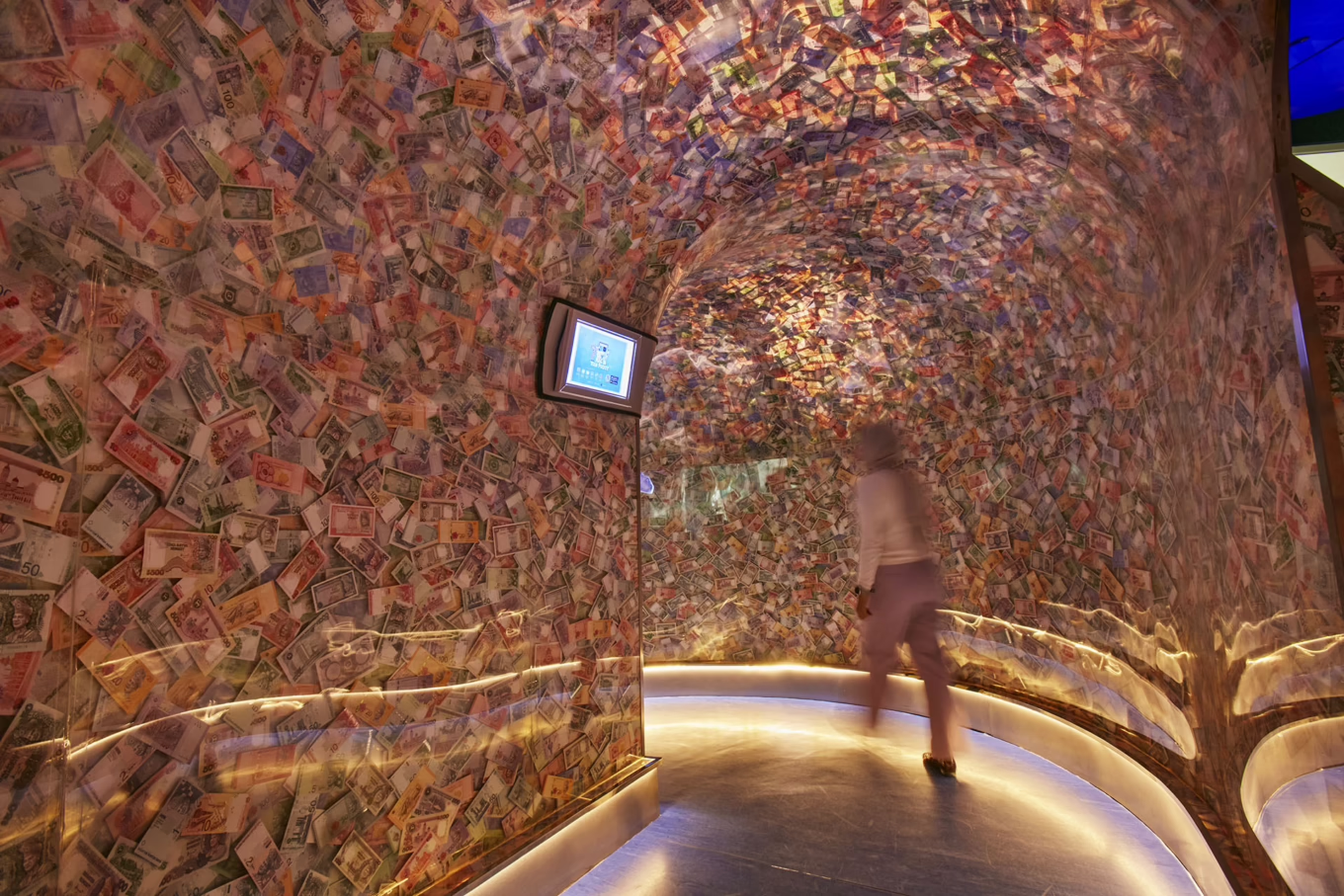
According to Bank Negara Malaysia (BNM), banknotes are evolving beyond simple currency into keepsakes that capture Malaysian history. Despite living in an era of instant taps, QR codes and soaring e-payments, the physical Ringgit is far from fading away.
As the country’s sole authority responsible for issuing Malaysia’s currency, BNM ensures each banknote remains secure and widely accepted. Motifs are carefully selected to reflect geographical breadth, celebrating the biodiversity and cultural tapestry of both Peninsular Malaysia and East Malaysia.
Each note is a distinct chapter of Malaysian identity. On the front, you will see intricate songket-inspired geometric grids, the Bunga Raya and the portrait of Tuanku Abdul Rahman, Malaysia’s first Yang di-Pertuan Agong. It is the back, however, that is unique per denomination. For instance, the RM1 features the traditional wau bulan (moon kite) while the RM20 features hawksbill and leatherback sea turtles.
Malaysia’s banknotes serve three distinct roles: daily circulation notes, limited commemorative pieces and the Kijang Emas gold bullion coins for investment. While daily notes are made to be spent, commemorative issues are collectors’ keepsakes – pocket-sized pieces of history that locals and foreign visitors alike can appreciate.
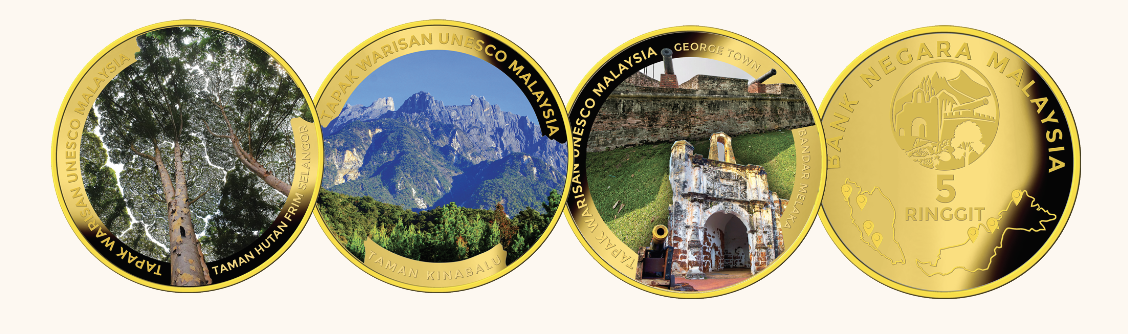
Over the years, BNM has issued commemorative currency to celebrate the nation’s achievements and significant events. Among the latest issuances are the ASEAN-Malaysia Chairmanship 2025 and Malaysia’s Treasures to the World series, celebrating the country’s Unesco World Heritage Sites, launched this year.
A piece of living art
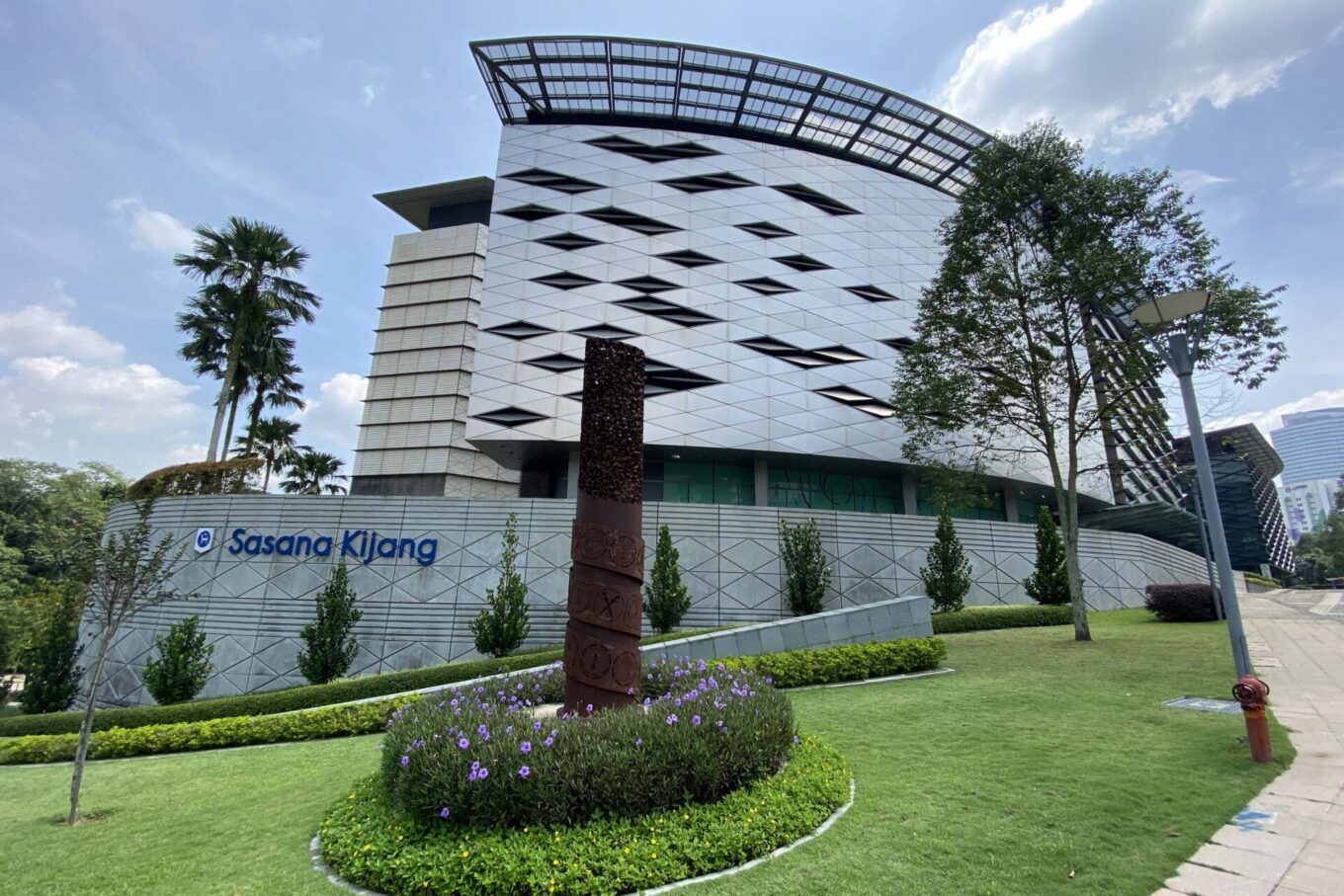
For a deeper understanding of Malaysia’s banknotes, head to the Bank Negara Museum and Art Gallery (BNM MAG) in Kuala Lumpur, in Sasana Kijang on Jalan Dato’ Onn. Free to enter and worth an unhurried hour, the museum helps visitors see money as art and history rather than just cash to spend.
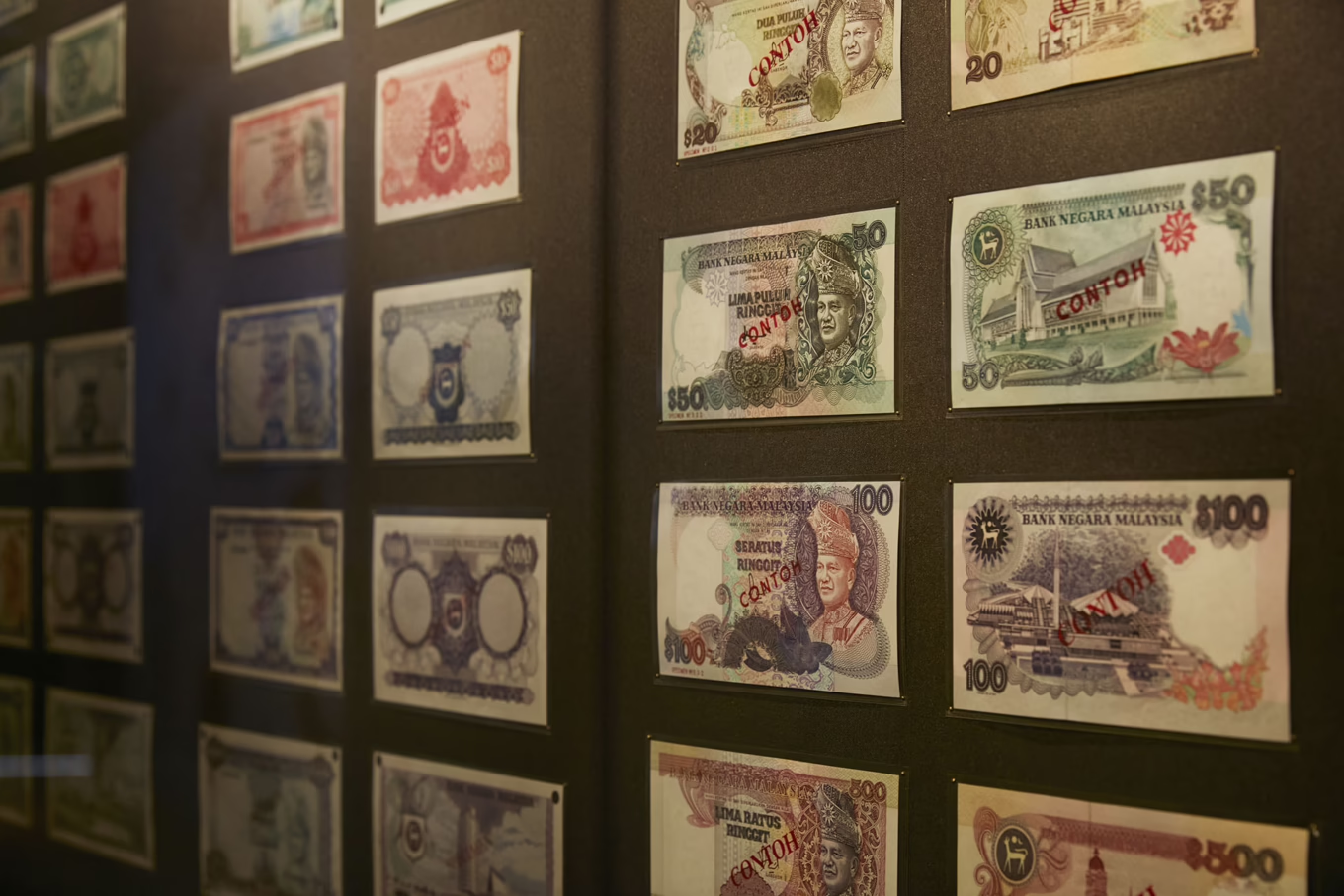
The best place to experience this is the Numismatics Gallery, one of six main areas within the museum, where commemorative issues are displayed alongside coins and notes from across the ages.
“The gallery presents Malaysian and world currencies alongside contextual explanations of their design, materials, symbolism and evolution. This encourages visitors to view currency with the same care and attention usually reserved for fine art,” says Wan Muhammad Danial Wan Omar, curator of the Numismatics Gallery.
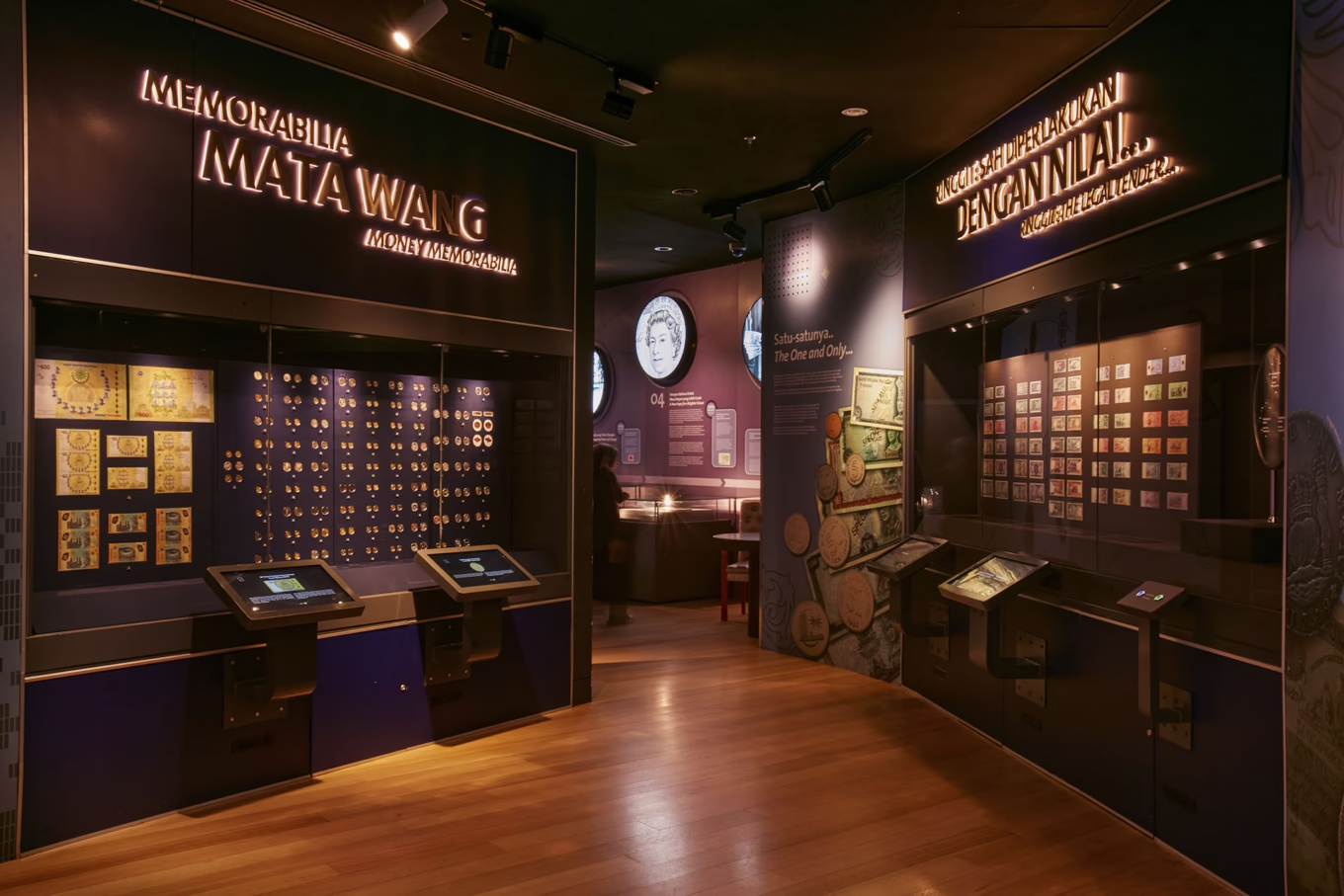
He shares that international visitors are frequently amazed by Malaysian banknotes, describing them as visually rich, mini masterpieces. “Many are drawn to the elegant songket patterns and detailed background designs, praising how traditional crafts are transformed into a modern aesthetic that stands out against the world’s currencies,” he says.
“Each note is like a small canvas that tells the story of who we are,” he adds. “By printing our rainforests, shared values and history onto every note, our money proves that national pride lives in the most ordinary objects.”
According to him, these banknotes are also symbols of unity. The front bears the portrait of Malaysia’s first King, a steady reminder of where the nation began. Turn it over and you find its greatest aspirations: a bright future, rare wildlife worth protecting and living crafts worth preserving. BNM MAG helps us see everyday cash for what it truly is: a visual diary of a nation.
Did you know?
It’s common for banknotes to become worn or damaged through daily use. This does not necessarily mean it has lost its value. Here’s how to tell if your banknotes are still usable:
• At least two-thirds of the original banknote is intact.
• The portrait of the Yang di-Pertuan Agong is not defaced or marked.
• The banknote does not carry political messages or other defacing writings.
When these conditions are met, commercial banks are generally able to process the replacement immediately and the exchange is carried out free of charge. Some banknotes may require closer inspection and will be sent to BNM for verification.