
In Kirtipur, a hilltop town outside Kathmandu, ancient Newar traditions still thrive

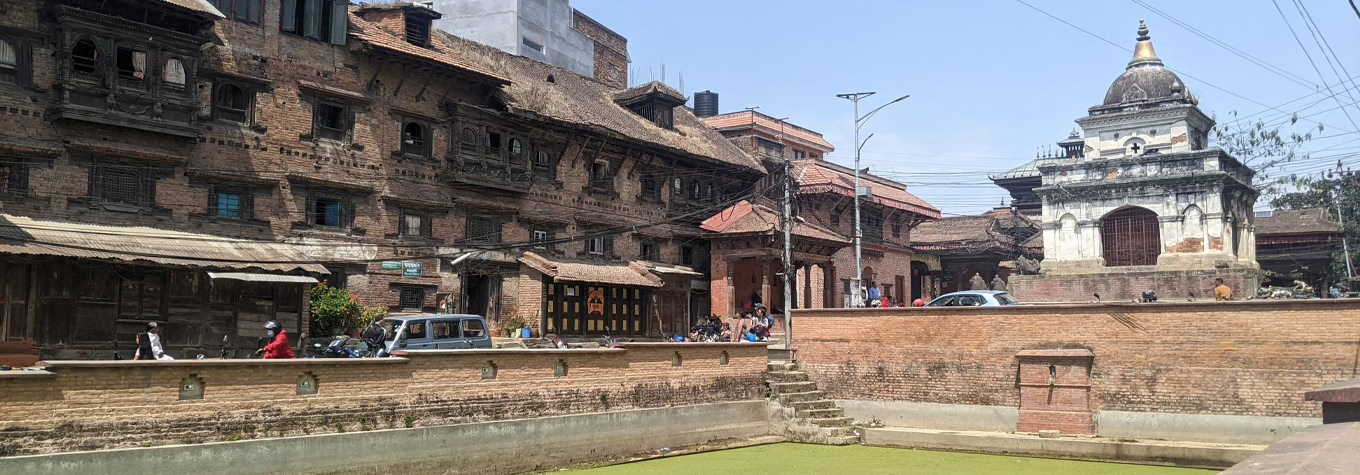
Kirtipur – the “City of Glory” – sits on a ridge southwest of Kathmandu, just a 15-minute drive away. Founded between the 11th and 12th centuries, this ancient Newar settlement is a living showcase of indigenous culture. Its red-brick houses, tiled roofs and carved wooden windows echo stories of the past.
To peel back the layers of time, join a heritage walk with Duluwa Outdoors (duluwaoutdoors.com), through Kirtipur’s coexisting Hindu and Buddhist shrines.
The journey begins at the hilltop Chilancho Stupa, one of Kirtipur’s oldest monuments. Local tradition holds that it was founded by the Mauryan emperor Ashoka in the 3rd century BCE. Look for its large central white dome and gilded spire topped with 13 concentric rings symbolising the heavens leading to enlightenment.
Nearby stands Lon Degah. Built in the 17th century in the sikhara style – a curving form that tapers like a mountain peak – it contrasts with Kirtipur’s tiered wooden structures.
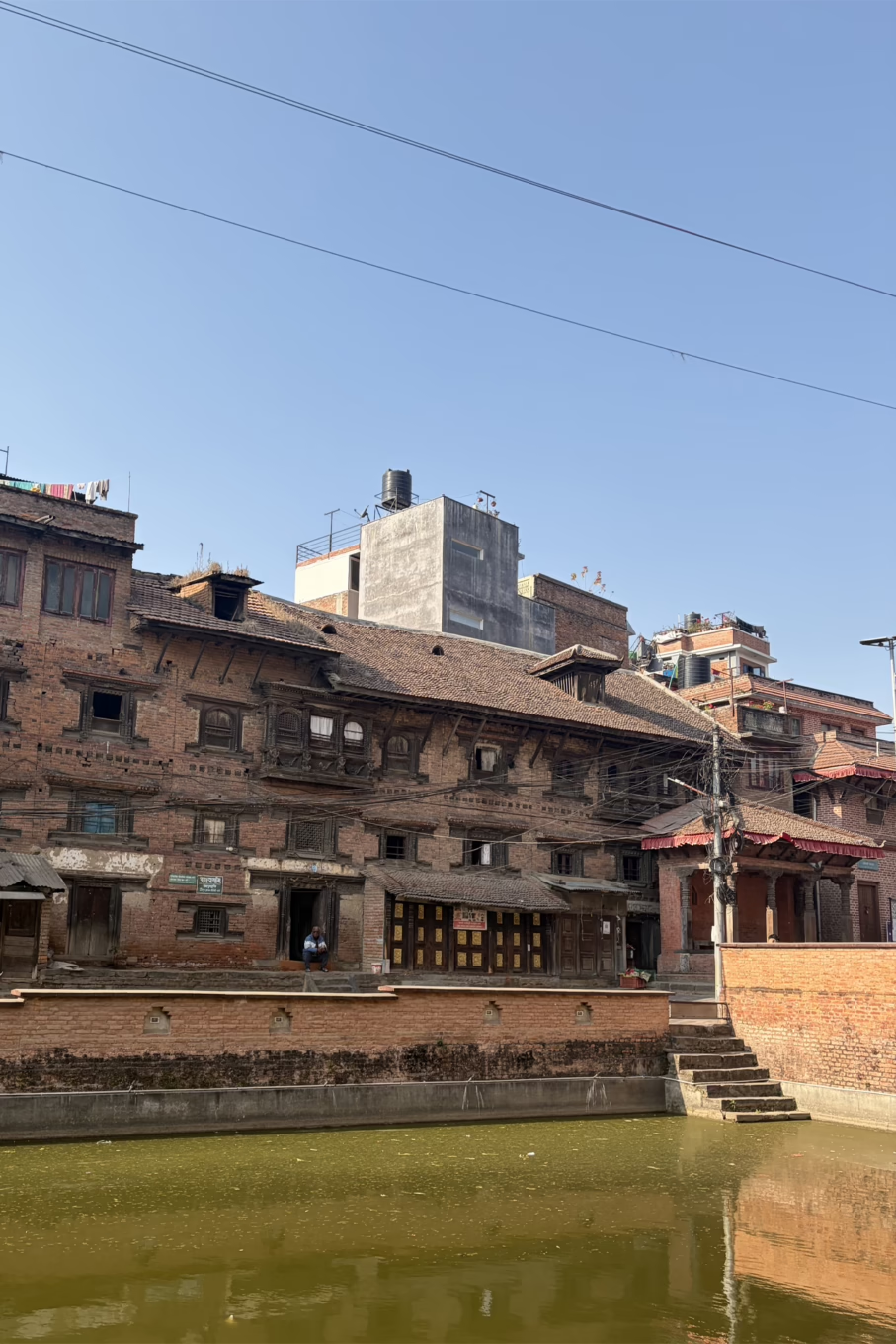
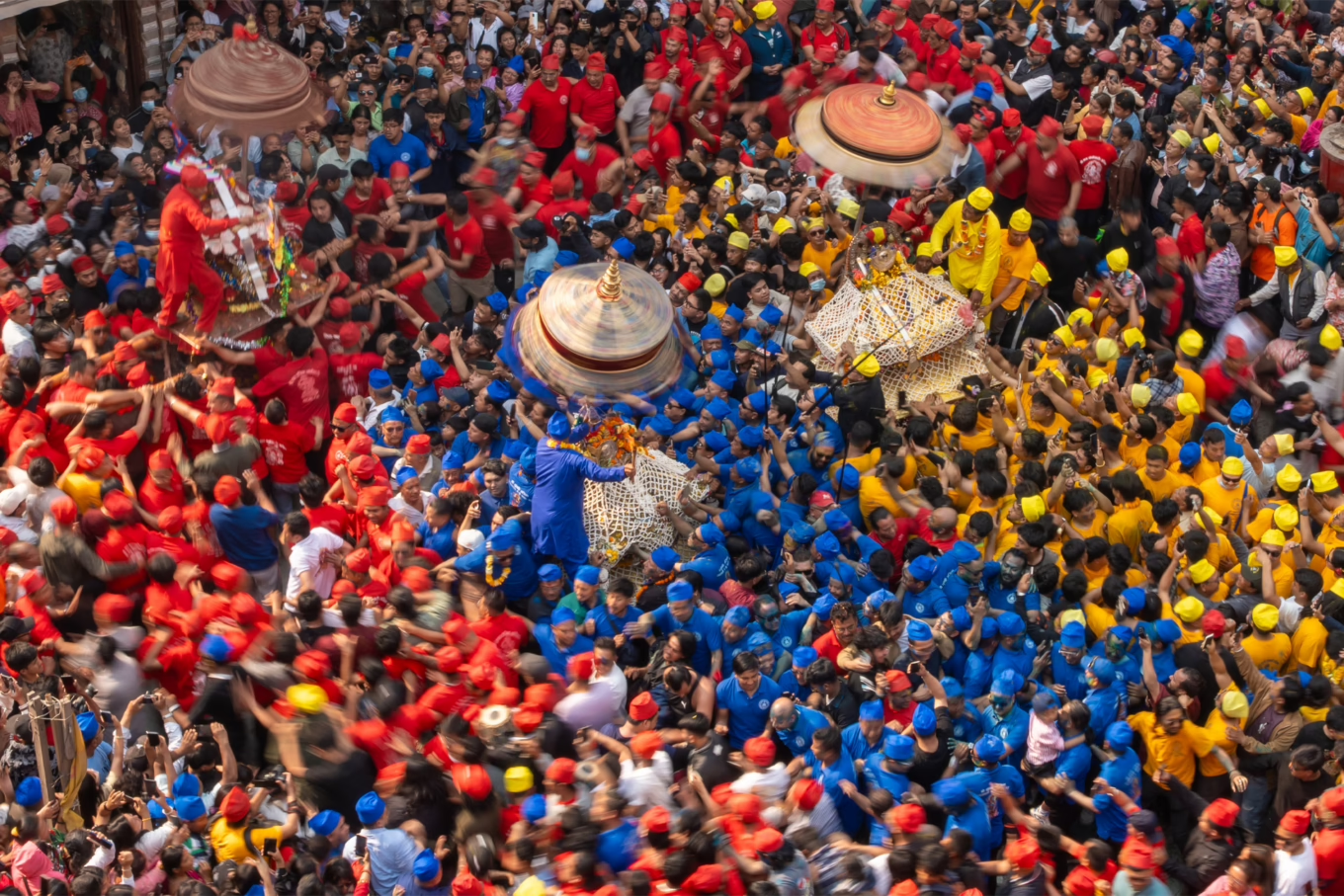
At the town’s heart is De Pukhu, a greenish rain-fed pond that comes alive during Kirtipur’s chariot festivals: Bagh Bhairab Jatra in August and Indrayani Jatra in November and December.
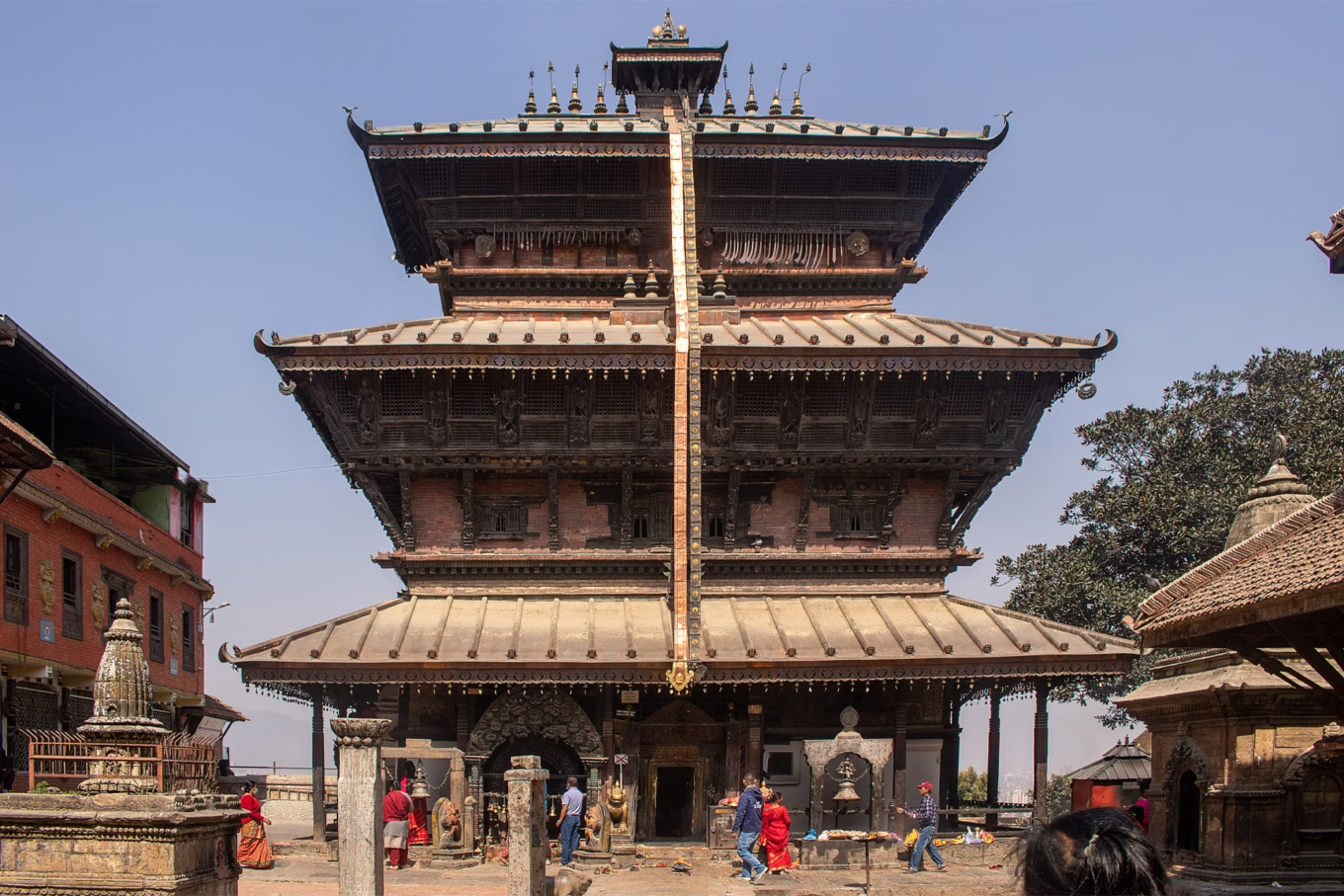
The Bagh Bhairab Temple is Kirtipur’s main draw. Look closely at the upper tiers of this three-storey structure to spot knives, swords and shields captured from Prithvi Narayan Shah’s army during the 18th-century siege of Kirtipur. For panoramic views of the Kathmandu Valley and surrounding peaks, visit the 17th-century Uma Maheshwar Temple, a classic three-tiered pagoda.
End your walk with Newari gastronomy. At Newa Lahana (Thambahal-1; @newalahana), a community-run eatery, try samay baji, a traditional platter of beaten rice, egg, soybeans, greens and grilled meat. Pair it with aila, a local fermented spirit poured from a height into clay cups. For a more rustic setting, Sasa Twa (Sagal Tole Kirtipur Ring Rd; @sasatwa) features mud-and-brick cottages and serves meals in traditional brass dinnerware.
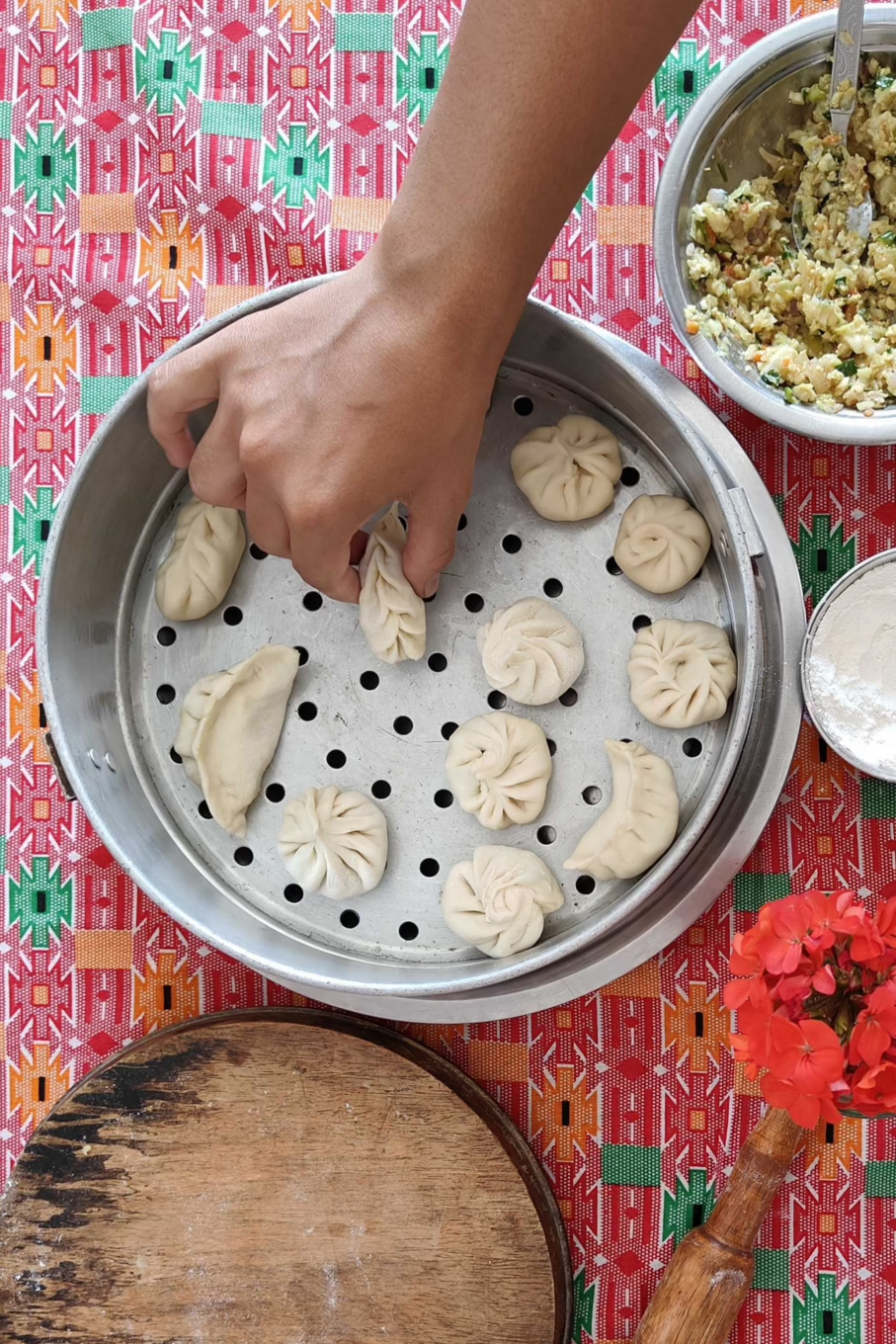
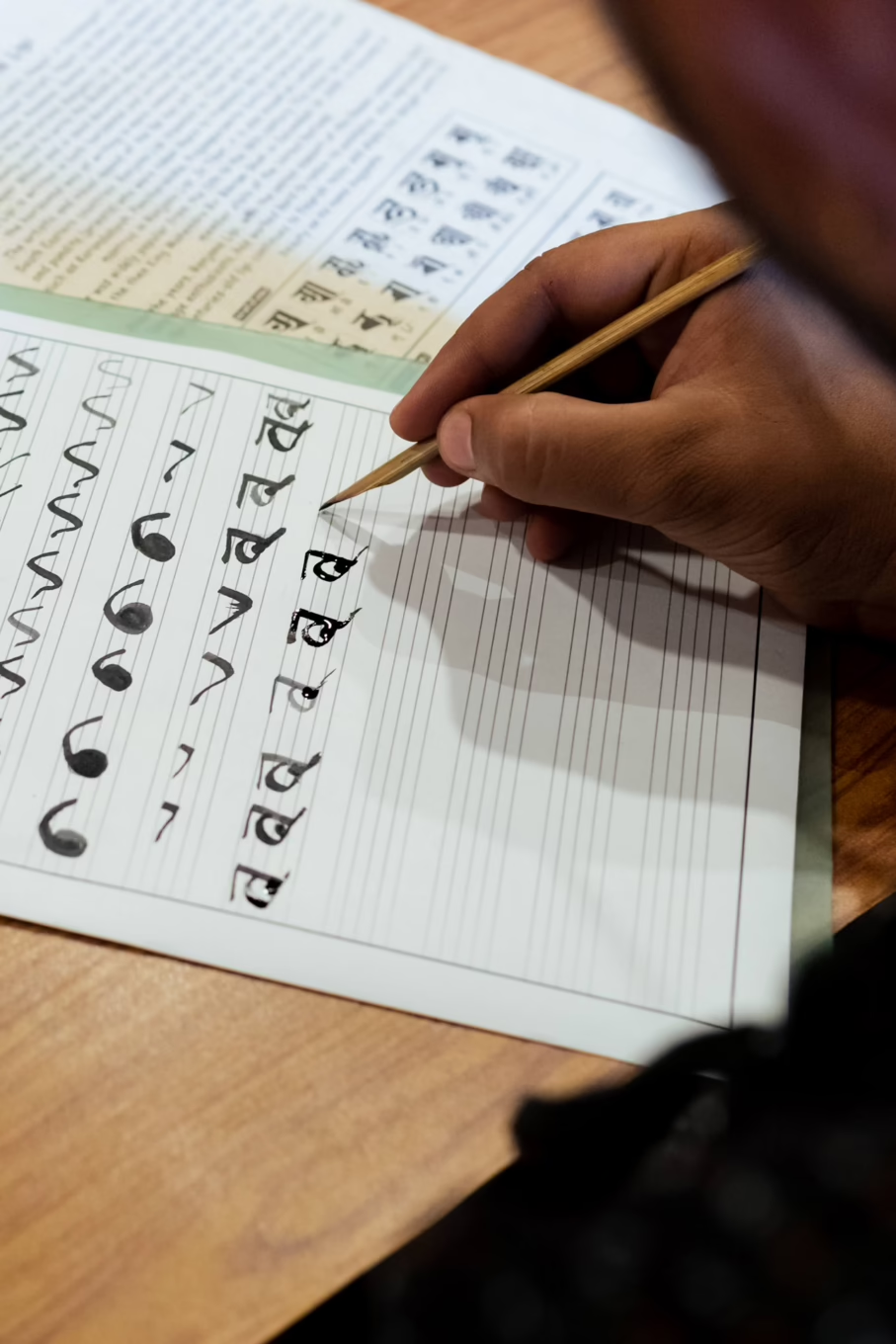
Afternoons in Kirtipur are the perfect time for hands-on cultural experiences through Community Homestay Network. At a Ranjana Lipi class, where you learn the indigenous script of the Newars, try writing your name with bamboo pens and frame it as a keepsake. Alternatively, join local women for a momo-making class to learn the art of folding dumplings, then dress in a haku patasi, the traditional black-and-red two-piece ensemble.
As the sun sets, head to Taudaha Lake. This ancient water body attracts over 100 species of migratory birds from Siberia and Mongolia, offering a tranquil end to a day in the City of Glory.
Pro tips
Best time to visit
September to November, when the weather is pleasant and Kirtipur’s lively chariot festivals take place.
How to get there
Kirtipur is about 12km (about a 30-minute drive) from Kathmandu’s Tribhuvan International Airport. Cabs can be booked via the Pathao or inDrive apps.
Where to stay to live like a local
Kirtipur Community Homestay offers accommodation across a network of six local homes. Run by a community of more than 22 women, the programme provides authentic cultural experiences while directly supporting local livelihoods. communityhomestay.com
Joshi Nani Heritage Home is a 100-year-old house that blends historic wooden architecture with modern comforts, offering four rooms (double and triple occupancy) for a unique stay amid the iconic surroundings of the Chilancho Stupa. Facebook/joshihomes