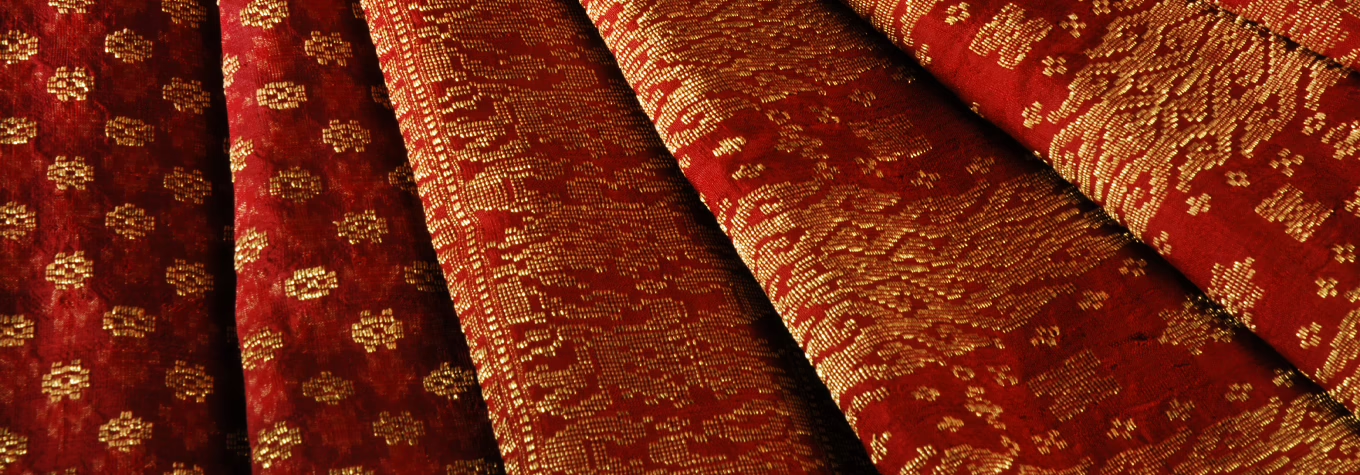

The threads of our past are the fabric of our future. Discover how Malaysian songket is proof that true artistry never goes out of style
In a world dominated by fast fashion, the timeless art of weaving stands as a testament to cultural heritage and artisanal craftsmanship, with songket as a living example.
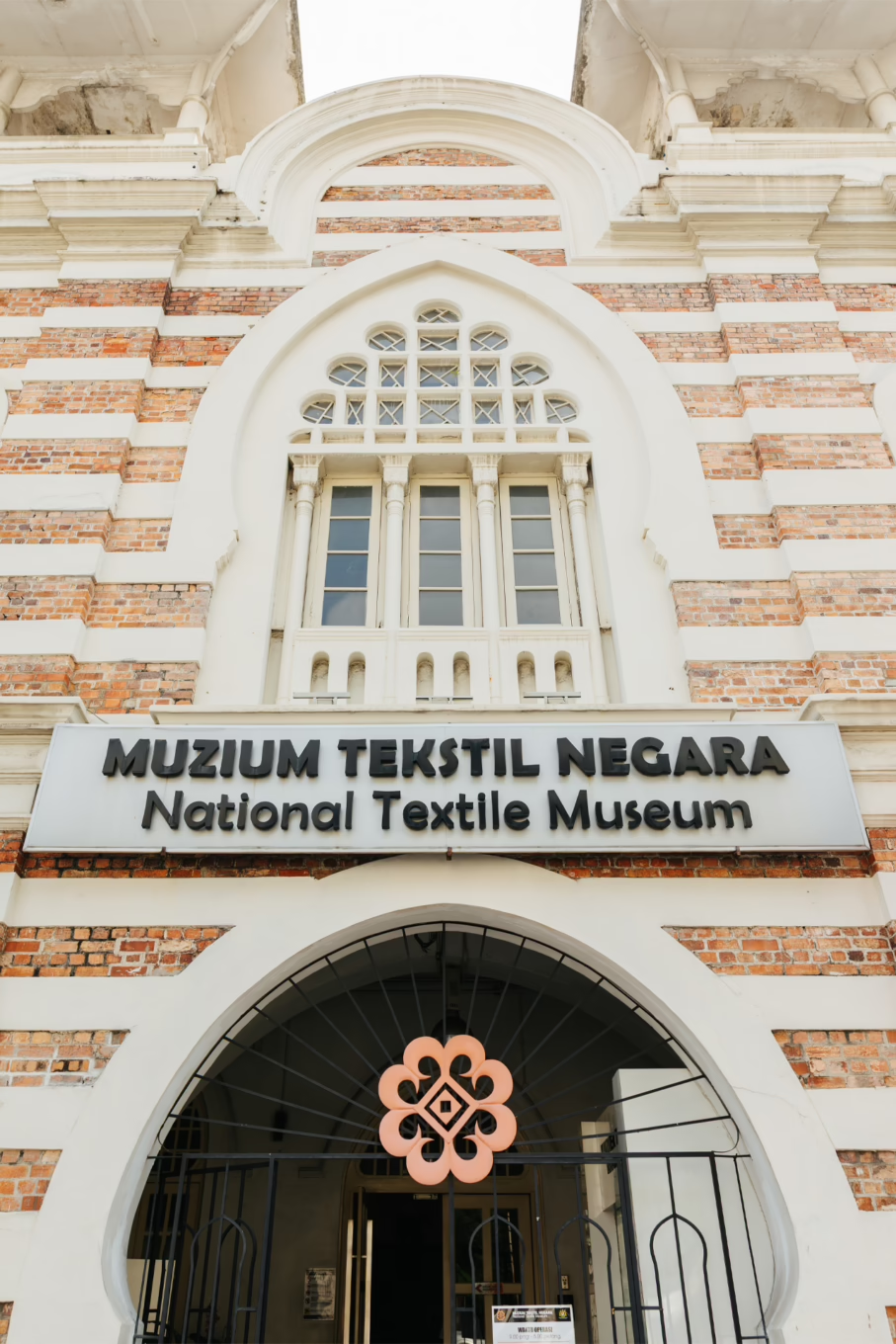
A masterpiece of patient hands and historical reverence, it is the preeminent symbol of Malay cultural identity. According to Tengku Intan Rahimah Tengku Mat Saman, director of the National Textile Museum in Kuala Lumpur, songket achieves its signature radiance through gold or silver threads painstakingly woven on a silk or cotton warp.
“The technique is an act of meticulous dedication,” says Tengku Intan Rahimah. “Metallic motifs – often inspired by local flora and fauna – are individually inserted, which demands focus and skill far beyond plain weaving. Historically linked to royalty and ceremonial grandeur, songket embodies power, status and the textile traditions of the archipelago.”
“To wear this beautiful fabric is to carry a piece of heritage,” she adds. “It is a tangible narrative of craftsmanship preserved across generations from different states of the country.”
A masterpiece in motion
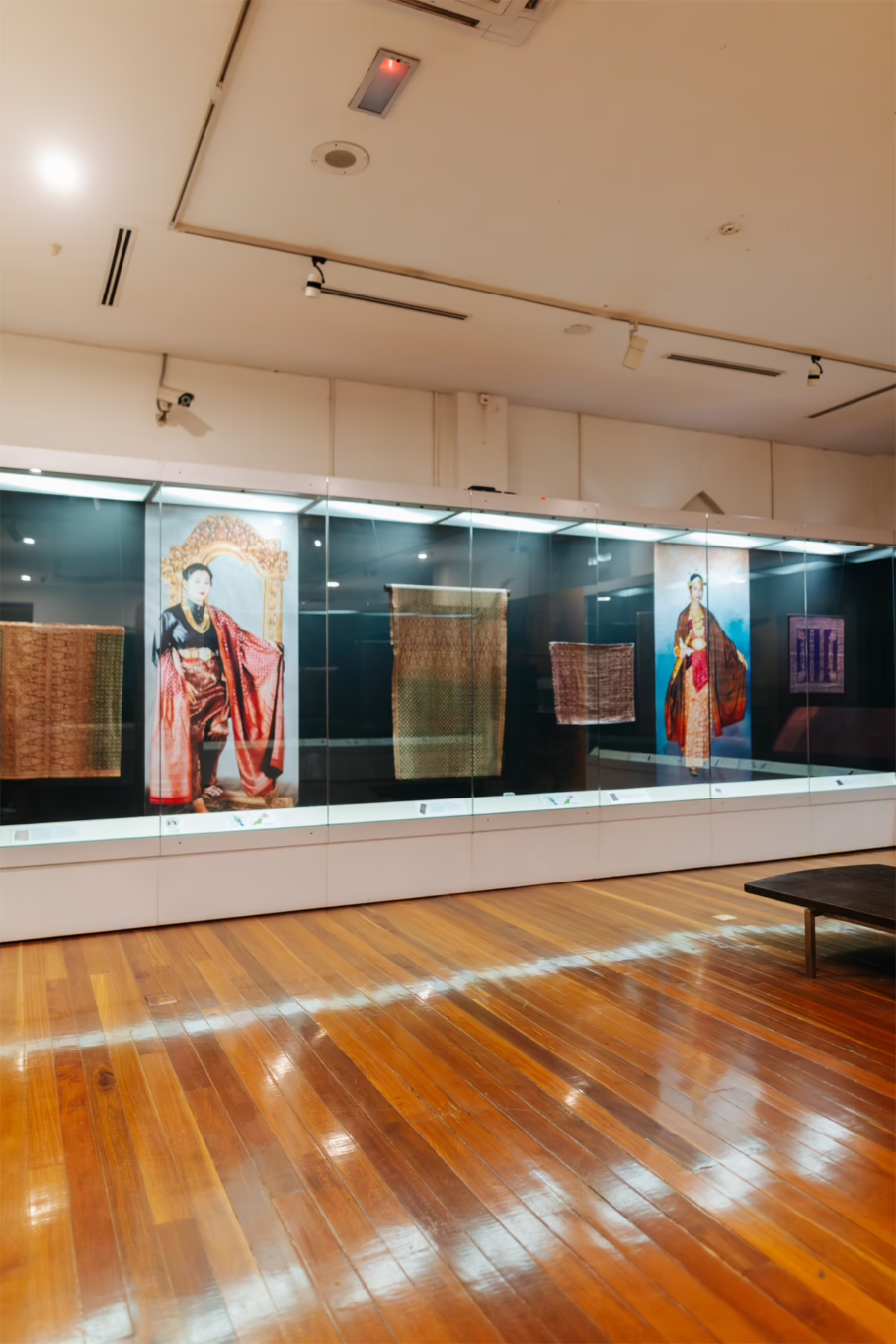
Each Malaysian state weaves its own story into songket, and the looms of Terengganu are renowned for their delicacy. According to a spokesperson from Terengganu State Museum, artisans distil nature into a visual language, transforming fruits like mangosteen and persimmon into the exquisite tampuk manggis and tampuk kesemak motifs.
The true beauty lies in the dyes. Some vintage masterpieces glow with the soft, enduring hues of the natural world. Using ancient recipes – turmeric for gold, indigo leaves for midnight blues and kesumba seeds for fiery reds – the weavers of old captured the essence of the earth.
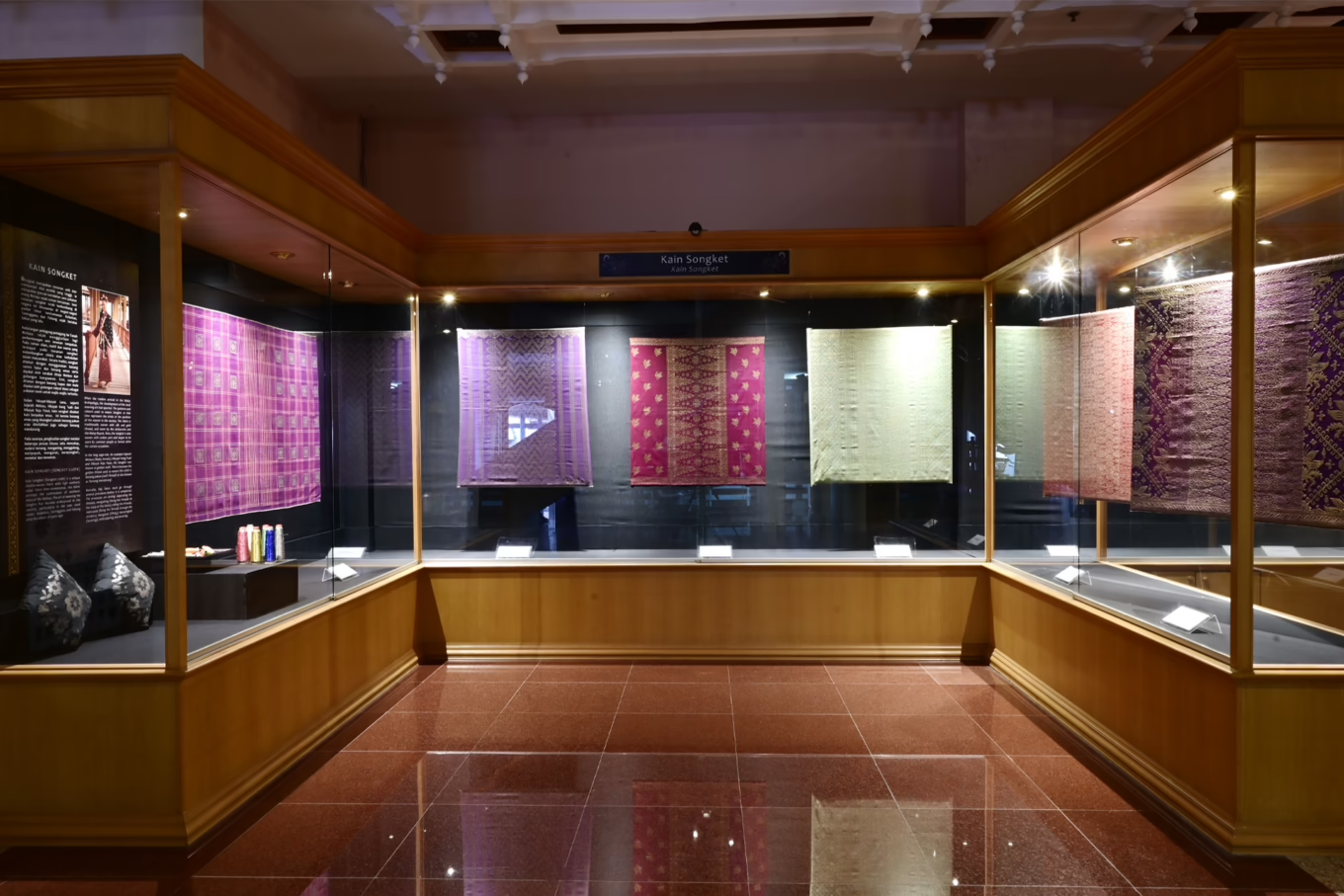
A traditional songket tells its own narrative, rooted in the diverse communities that create it. Tengku Intan Rahimah notes that the value lies in its “woven stories” – from the structural precision of the kepala kain (head panel) to the deliberate elegance of the pengapit (flanking border). “The structural design composition of the fabric, even in how you wear it, shows the best of its design,” she says. “This isn’t just fabric; it’s a visual language of identity.”
Survival, however, requires more than admiration. Jacqueline Fong, founder and CEO of Tanoti, has spent 13 years transforming Sarawak’s songket weaving from a fading cottage craft into a platform for rural empowerment. “From the start, we insisted weaving be a career, not just a hobby,” she says. By institutionalising the craft, Tanoti has moved artisans out of isolated villages and into a structured professional environment.
With 99% of artisans lacking formal education and many working alone, the industry needed systemic support. “We do a lot of advocacy and engage in policy-making to ensure these women aren’t just seen, but heard,” Fong explains.

Today, Tanoti has worked with over 800 artisans across 30 villages in Sarawak and Sabah, expanding their expertise far beyond songket. Alongside GMBB Mall in Kuala Lumpur, another retail store will open at Merdeka 118 in late 2026. Fong’s goal is bold: “I want them to experience real commercial returns. Most artisans operate below the poverty line. My intention is for them to earn enough such that they can start paying taxes.”
Teaching tradition to the next generation
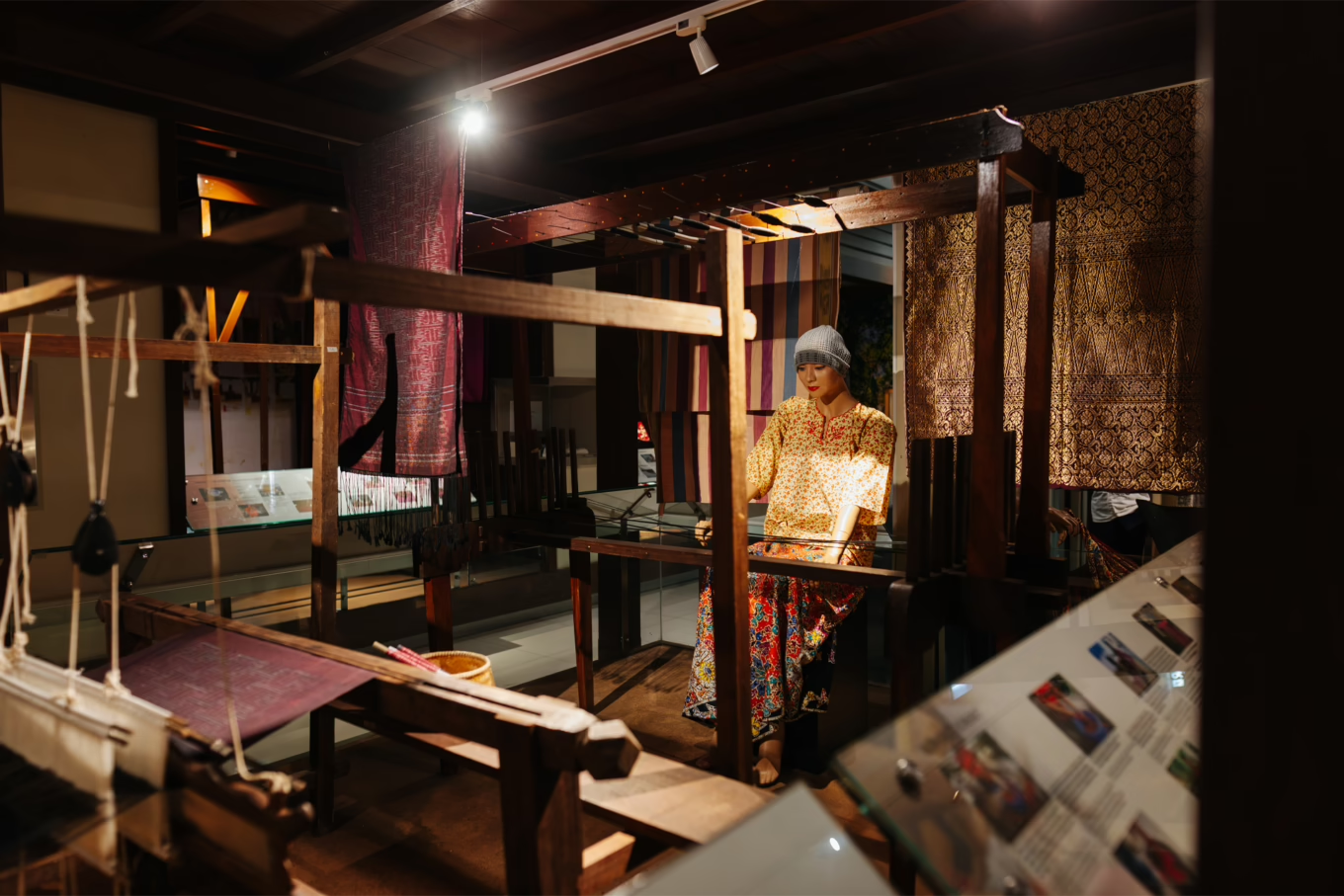
Traditional weaving is often seen as a relic rather than a career. At the National Craft Institute (Institut Kraf Negara) on Jalan Ipoh, the rhythmic clack of the loom is being re-tuned for the 21st century. Since 2001, its Diploma Programme in Weaving has nurtured a new generation of artisans. The stakes were raised with the integration of the Sijil Kemahiran Malaysia (SKM) Level 3 for Songket and Daster alongside the introduction of the National Occupational Skills Standard (NOSS) for Heritage Weave Production.
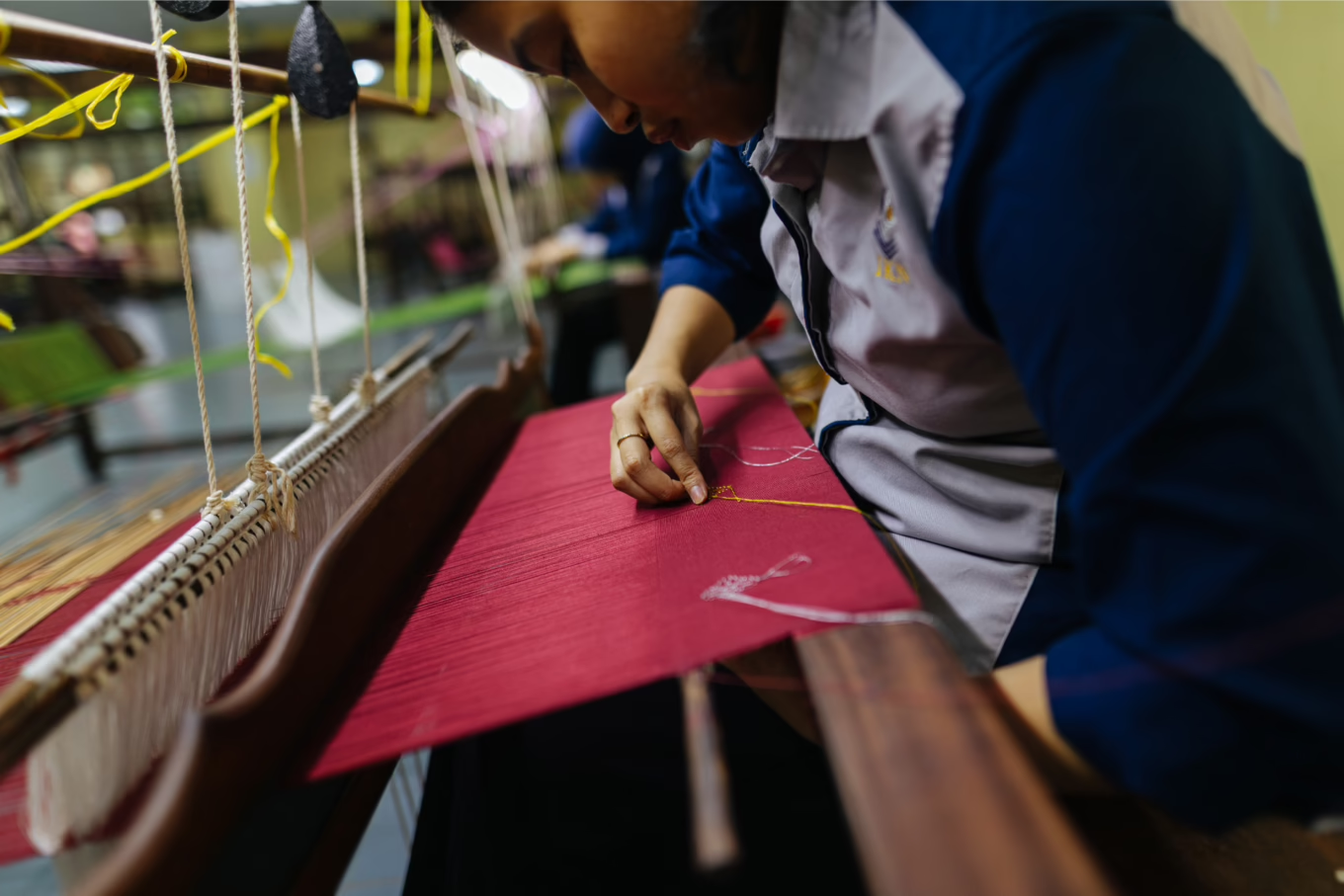
This official competency framework recognises the weaver as a vital part of the economy. By formalising these skills with professional standards, heritage fabrics like songket are no longer just “village crafts”. As the institute sharpens its students’ marketability, it proves that being an artisan isn’t just about preserving the past – it’s about owning the future.
Mixing heritage with a fun twist
Traditional craft is breaking out of the museums and onto retail shelves, proving that heritage can be both high-brow and highly accessible. Take the Boh Seri Songket tea series, widely available at groceries across the country. By pairing exotic fruits and spices with songket-inspired packaging, it turns a simple cup of tea into an introduction to Malaysian art.
Last year, premium beverage brand Chagee introduced its Songket Series, a limited-time postcard collection with Loka Made, a creative brand celebrating local culture. More than a collaboration, it was a tapestry of shared values, blending the artistry of tea-making with traditional motifs, from Rafflesia and wau to the Iban shield. Each woven postcard – and even embroidered keychains shaped like Chagee cups – offered a tangible connection to Malaysia’s rich heritage.
Whether through rigorous professional certification, institutionalised reforms or a trendy cup of tea, Malaysia’s weaving heritage is being reimagined. It’s no longer just about looking back; it’s about weaving these stories into the fabric of modern life.