
Through contemporary characters, pop culture and multimedia, Fusion Wayang Kulit has taken Kelantanese shadow puppetry into new territory, while keeping its traditional foundations alive
Photos courtesy of Fusion Wayang Kulit
Fusion can be a great lifeline for tradition or the point from which tradition begins to lose its identity. The challenge is knowing where innovation ends and dilution begins.
Fusion Wayang Kulit (FWK), the award-winning Malaysian creative collective founded by Tintoy Chuo and Take Huat, has managed to gracefully walk this line. Since 2012, the duo has pushed wayang kulit, a traditional Malaysian form of shadow puppetry, into unexpected territory, blending contemporary characters, stories and multimedia with an art form rooted in centuries-old conventions.
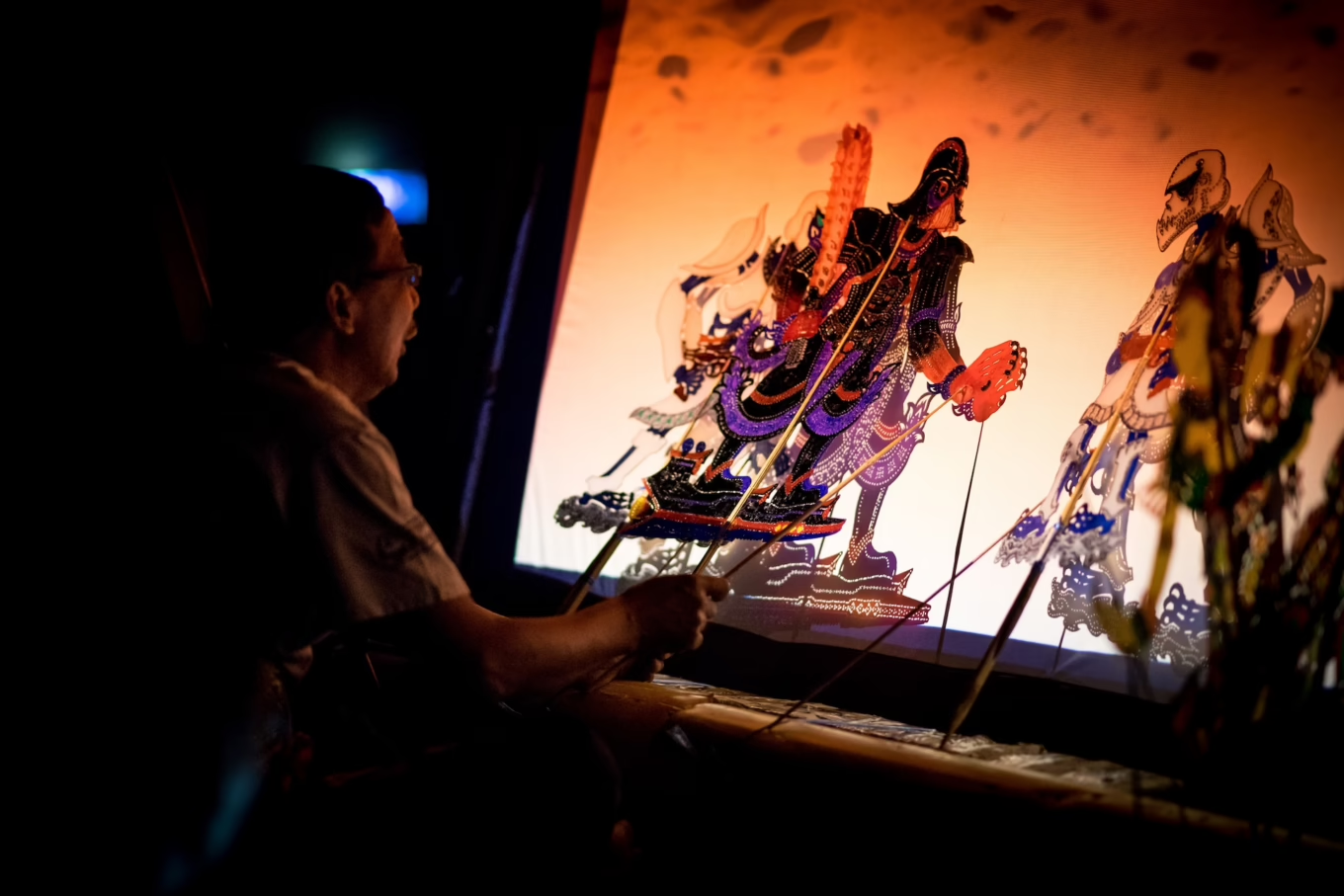
For the uninitiated, wayang kulit is a form of theatre in which a Tok Dalang, or master puppeteer, manipulates intricately carved leather puppets behind a screen using light, movement and storytelling to bring the characters to life, while live musicians create rhythm and atmosphere.
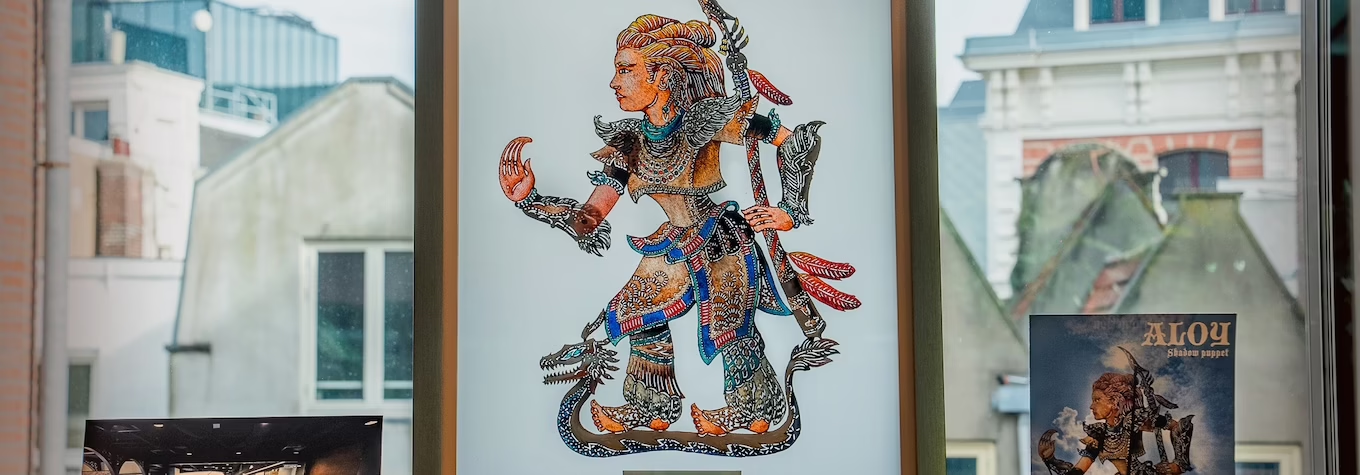
FWK’s repertoire ranges from Star Wars and DC superheroes to PlayStation characters and Japanese mecha, including what is believed to be the world’s first transformable wayang kulit, inspired by the Macross anime series. Its Valkruda Seta puppet can shift between two forms using the thin wooden rods that support it: a fusion of the anime’s Valkyrie concept and Garuda, a mythical bird in Kelantanese folklore.
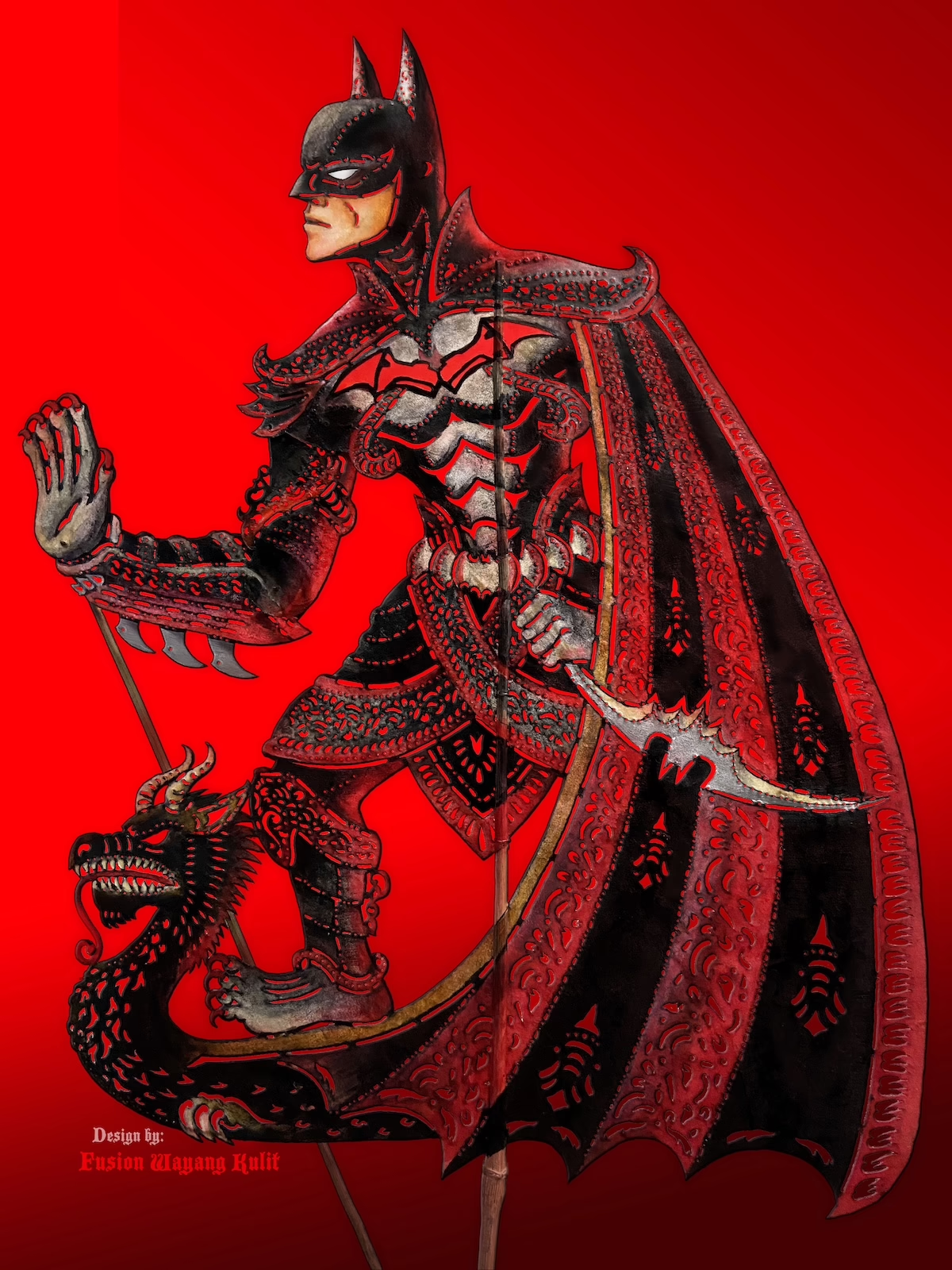
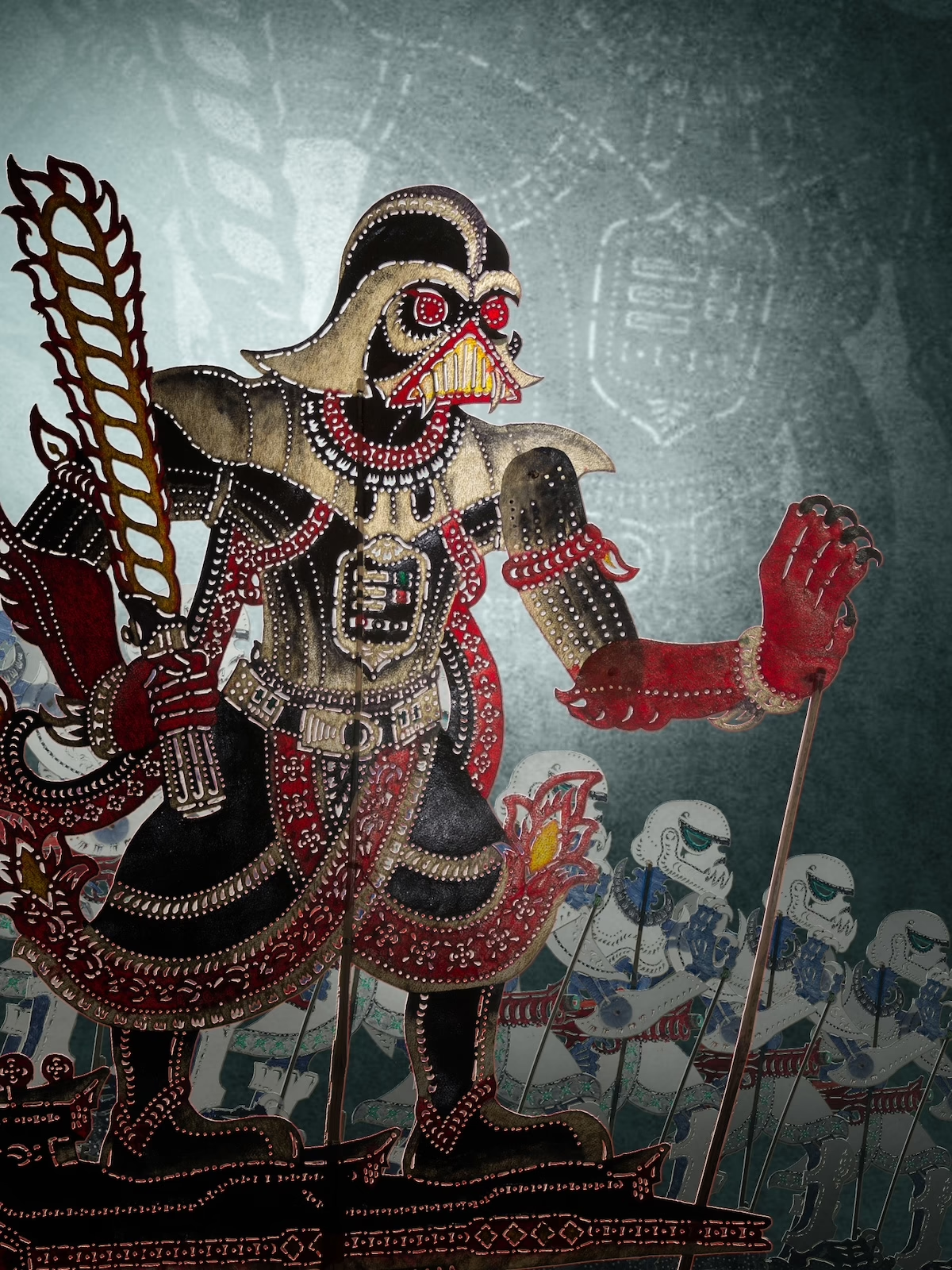
Chuo would never have imagined that he would one day be championing a fading art form. The sought-after character designer admits he knew little about Malaysian wayang kulit when he first began exploring it in 2012.
The idea surfaced when his good friend and art curator Si Juan invited him to participate in an art exhibition at Publika Shopping Gallery. Chuo returned to a concept he had shelved in 2007, this time wondering if he could use the visual language of wayang kulit to tell stories through a universe he knew intimately.
A lifelong sci-fi fan, he started with Darth Vader and a Stormtrooper. The rest of the Star Wars cast soon followed.
In the beginning
There was, however, one small problem: Chuo had no formal training in wayang kulit.
Pressed for time, he turned to art director Take Huat. Together, they began learning the tradition together through whatever they could find, from YouTube and Google to a book they discovered at Kompleks Kraf Kuala Lumpur.
“That became our blueprint,” Chuo says. The book gave them their first real understanding of the visual language, construction and distinctive identity of Malaysian wayang kulit.
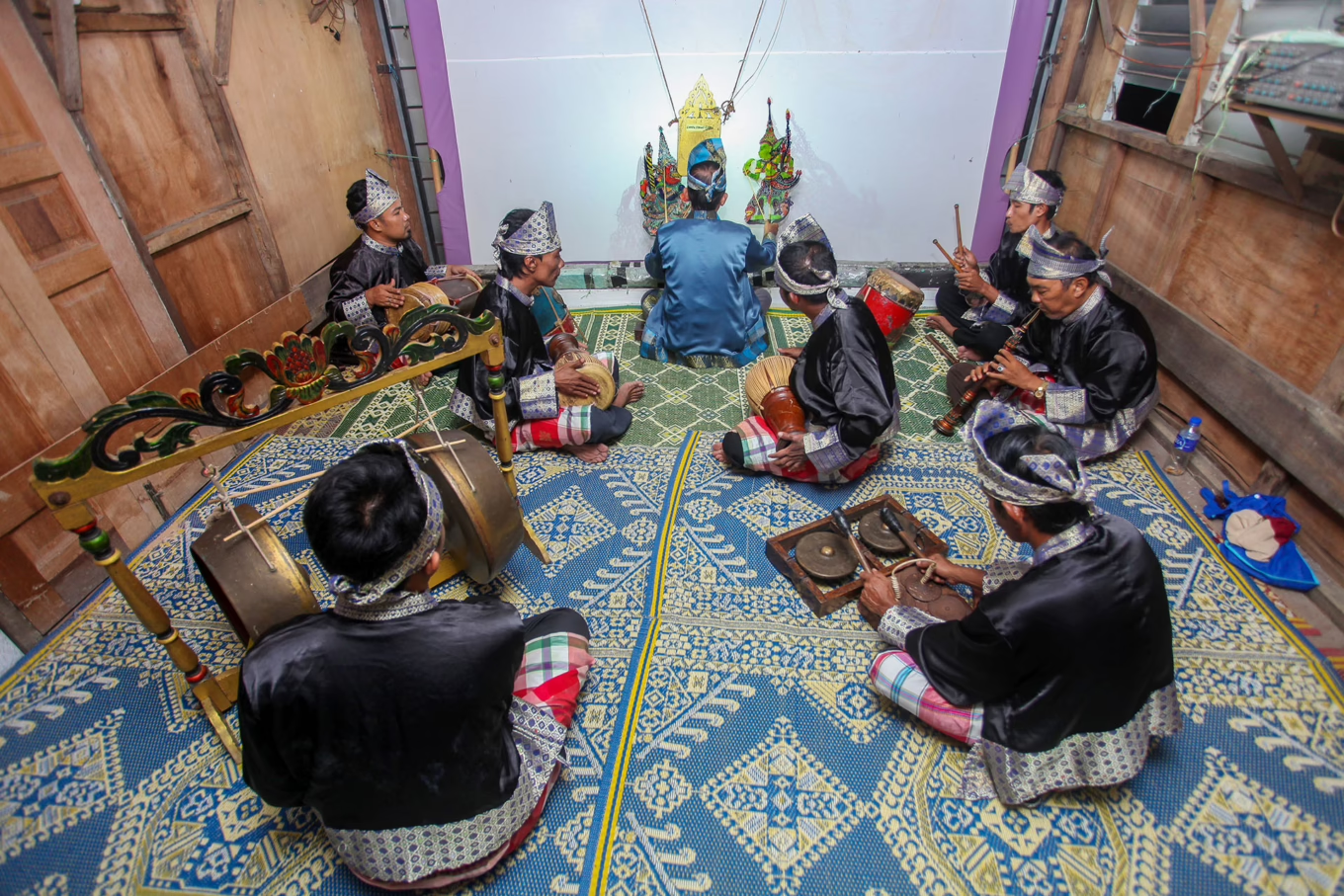
Their search eventually led them to Muhammad Dain Othman, better known as Pak Dain, a 13th-generation accredited Tok Dalang of traditional Kelantanese wayang kulit. He became FWK’s main master puppeteer, advising and approving the crafts and stories the collective produces. “I’ll say he is the most important person in our team,” says Chuo.
Cool culture
For Chuo, understanding that tradition was essential before he could begin pushing its boundaries.
He says, “The fundamentals of traditional wayang kulit must be maintained, such as design and costumes, how the puppet stands and moves, how the performance is conducted and how the storytelling is done.”
That foundation has allowed FWK to take the art form somewhere few had attempted before. Chuo’s choice of contemporary characters is deliberate: his primary audience has always been younger people familiar with science fiction and pop culture. This familiarity gives them a way to access an art form they might otherwise find distant.
The same idea has carried wayang kulit beyond Malaysia, giving international audiences a point of connection even when they know little about Malaysian culture.
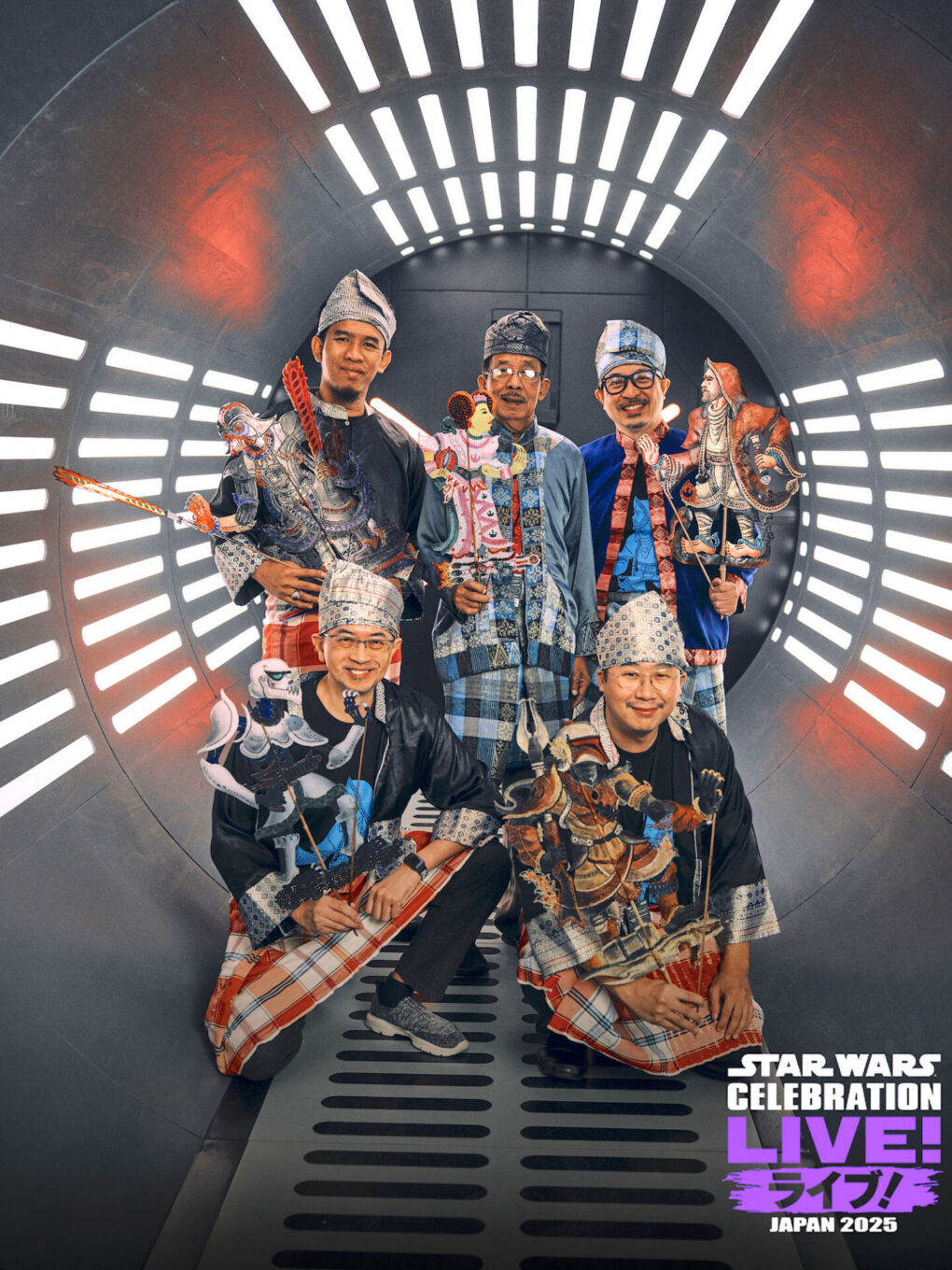
“I’ll say Pak Dain is the most important person in our team,” says Chuo.
“Nobody had really done shadow puppetry this way before. We were crazy enough to try it. It wasn’t easy because we didn’t have much references to look at. We were creating something unique, and in a way, we have become a reference for others,” says Chuo.
But experimentation still has its limits. “Whenever we introduce something new, we ask ourselves: Does it break the rules? Does it go against the principles of wayang kulit? If it doesn’t, we can explore it. But there are lines we don’t cross,” says Chuo.
Into the light
FWK was in Melbourne in August for Tourism Malaysia’s Visit Malaysia Year roadshow dinner before returning home for a special Merdeka Day performance at the new Ombak KLCC mall. The collective is also continuing its long-term collaboration with Sony PlayStation Studios, having already created a number of wayang kulit puppets based on its game characters, with more currently in development.
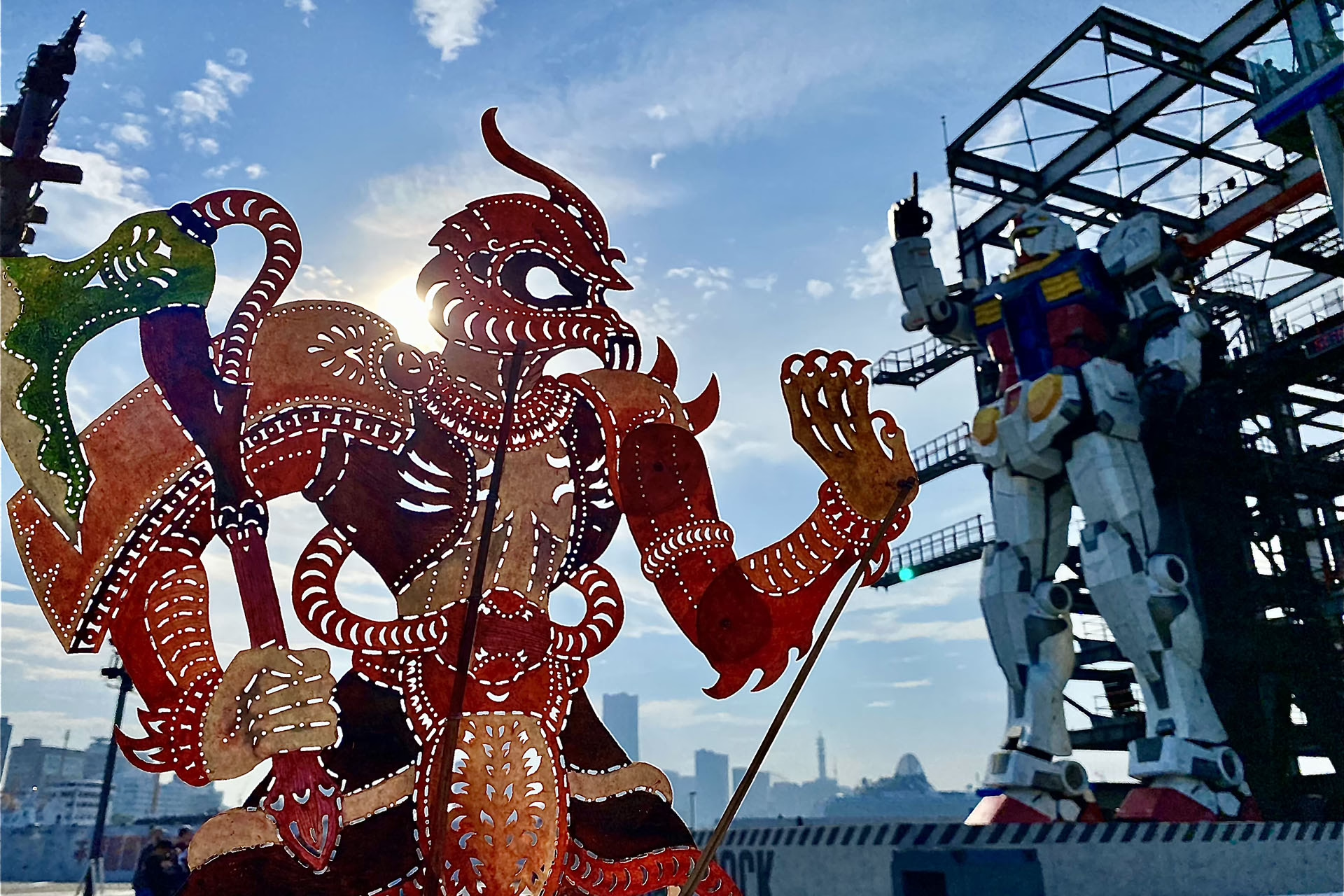
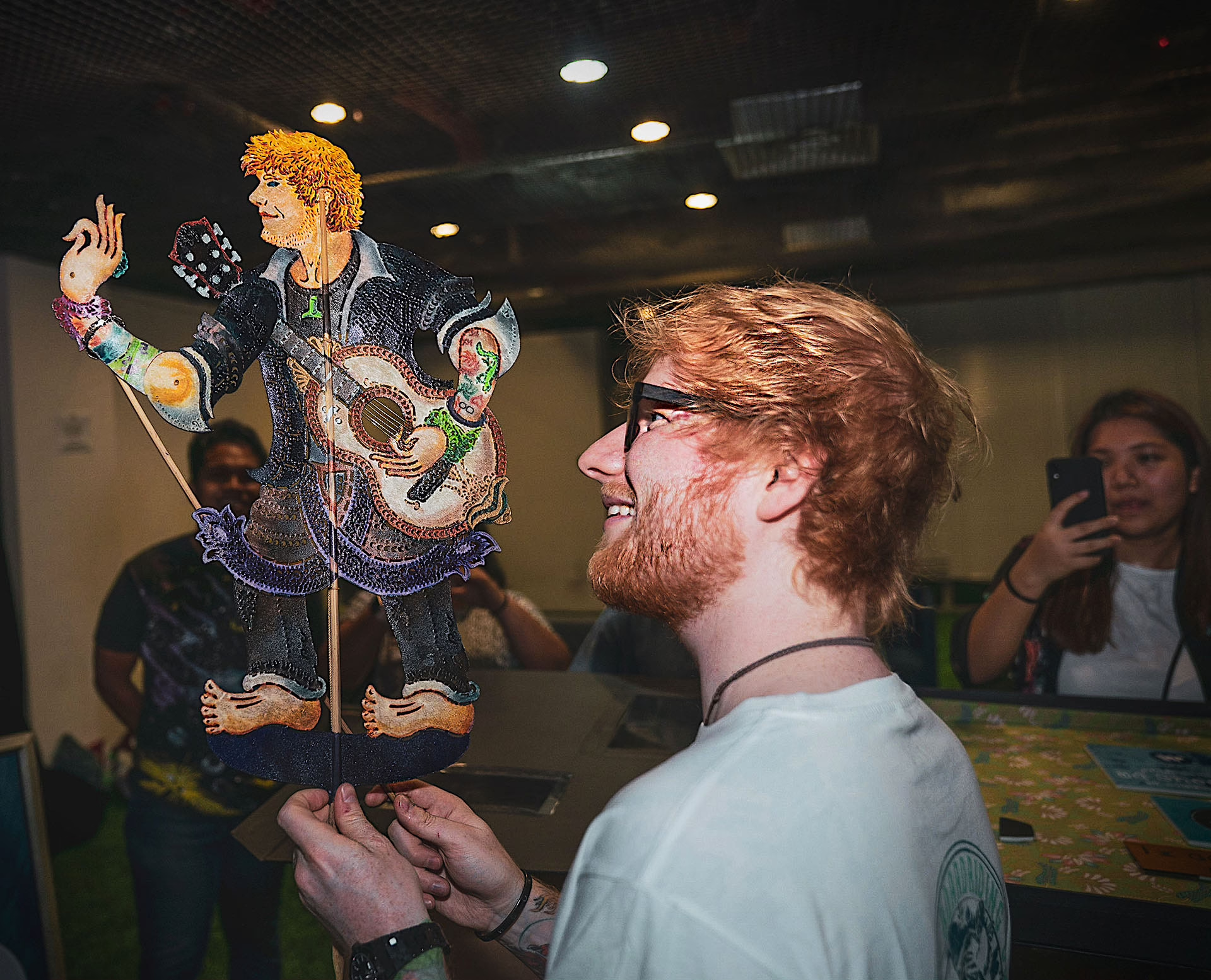
Its growing list of collaborators – including Hermès, Telekom Malaysia, OPPO and National Geographic – suggests that the art form is finding relevance far beyond the traditional stage. “These local and international brands see the value and potential in what we do. They come to us for projects, from Merdeka Day and Hari Raya campaigns to new product launches. To me, this shows that wayang kulit has a promising future and I want the next generation to understand and appreciate it.”
There are about 20 countries around the world with traditions of shadow puppetry, each with its own distinct forms and styles. “I really hope more Malaysians will learn to recognise the differences and take pride in our culture,” says Chuo.