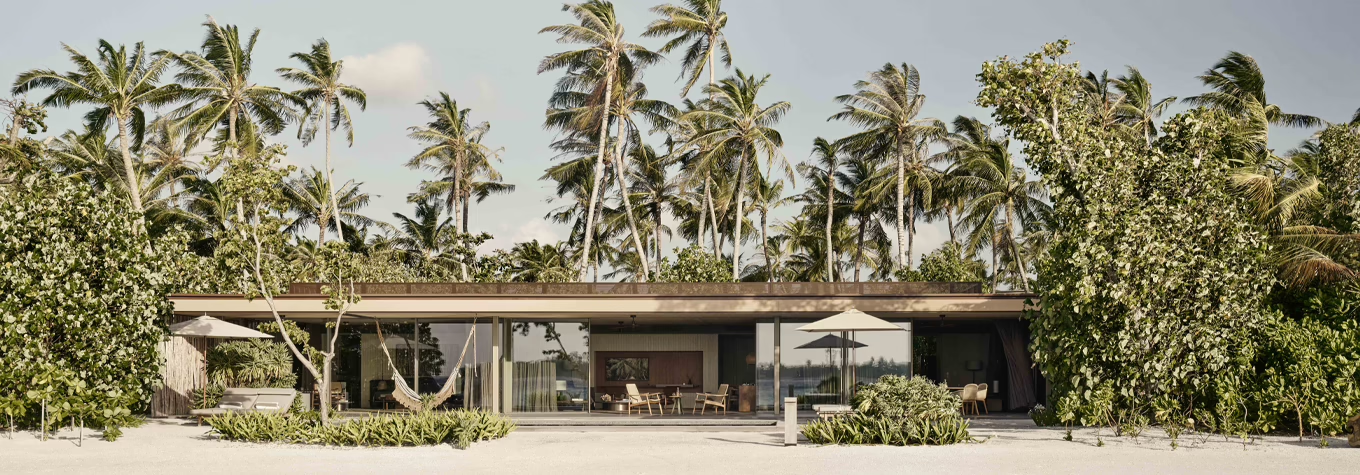

In an always-on world, a growing number of travellers are choosing to log off. From remote island hideaways to ocean-led wellness immersions, the Maldives is at the forefront of unplugged travel
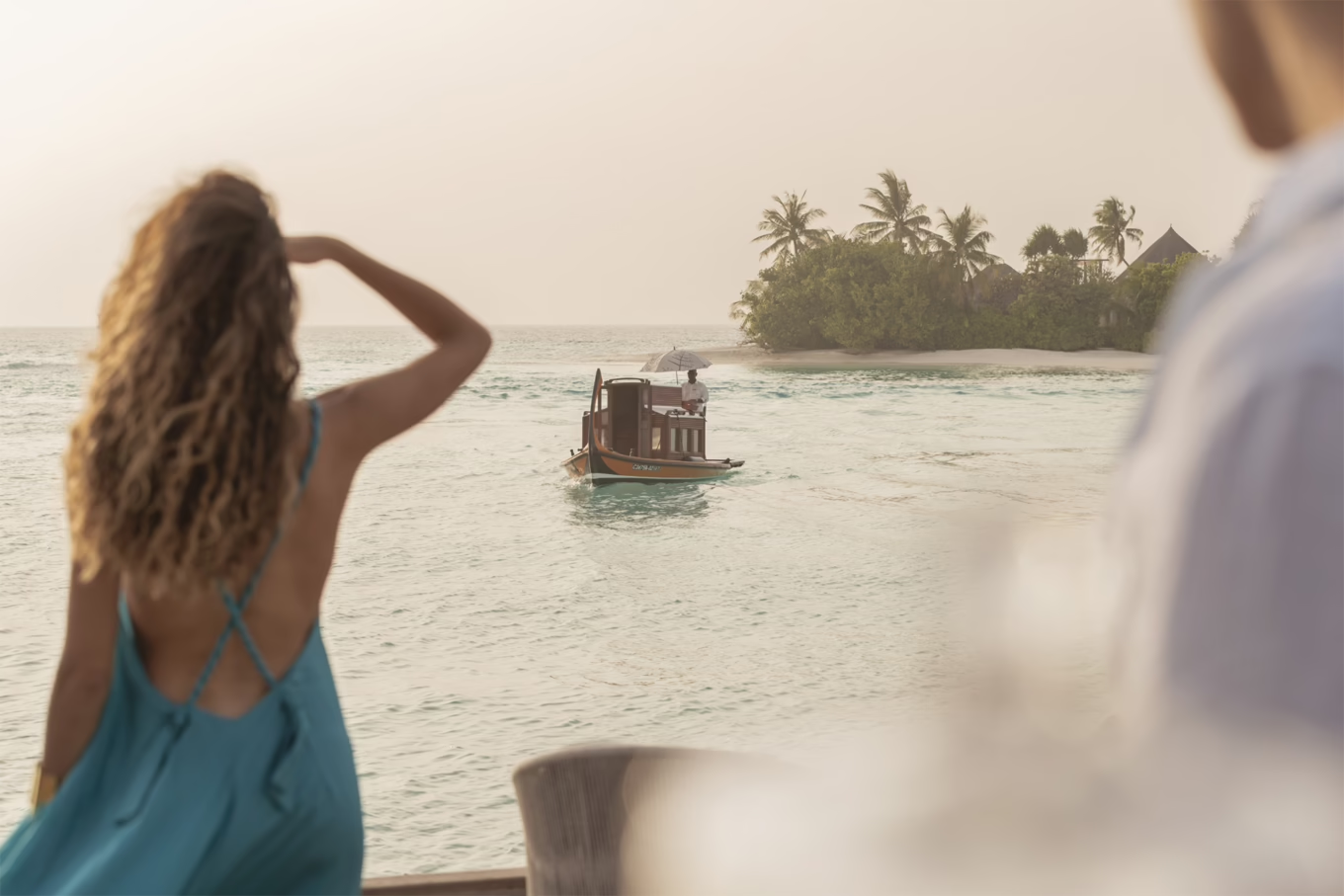
Imagine the velvety sand beneath your feet, the slow wade into sun-warmed waters, then the natural surrender of floating in the middle of the sea – your body slack as the gentle waves lull you into complete relaxation. Experiencing this blissful scene is what makes the Maldives one of the most popular destinations in the world, and why it welcomed over two million travellers in 2025.
While the archipelago nation is synonymous with the classic fly-and-flop holiday, more travellers are heading to this slice of paradise for one reason: to unplug. In a hyperconnected world, luxury is increasingly defined by the freedom to opt out.
This explains the rise of unplugged travel – the conscious decision to step back from screens and become more attuned to oneself and one’s surroundings. Instead of documenting every moment or doomscrolling in a hammock, the focus is on limiting the use of devices and practising “appstinence”. With 26 atolls scattered across the sparkling Indian Ocean and tropical weather all year round, the Maldives offers an ideal setting to untether from both the real and digital world.
“Across Asia Pacific, and particularly in markets like Singapore, luxury travel is increasingly defined by wellbeing rooted in nature. Our Intentional Traveller Report shows that 90% of high-net-worth travellers now cite wellness as a key booking driver, with 80% planning to spend more on wellness-led journeys,” says Oriol Montal, regional vice president of Luxury, Asia Pacific (excluding China) at Marriott International. “Importantly for our region, 67% are choosing to travel within Asia, where access to oceans, jungles and remote natural landscapes allows wellness to feel instinctive rather than prescribed.”
Yet anyone who has tried to leave their phone untouched for a day knows that disconnecting is easier said than done. “Digital addiction is real,” says Dervla Louli Musgrave, founder of the wellness travel platform Compare Retreats. “Withdrawal is real and it takes three to four days until many people stop reaching for their phone out of habit.”
A balancing act
Many guests who arrive in the Maldives are hyper-connected, high-performing individuals. Here, their goal is not just to switch off, but to recalibrate – to reconnect with nature, their bodies and with loved ones.
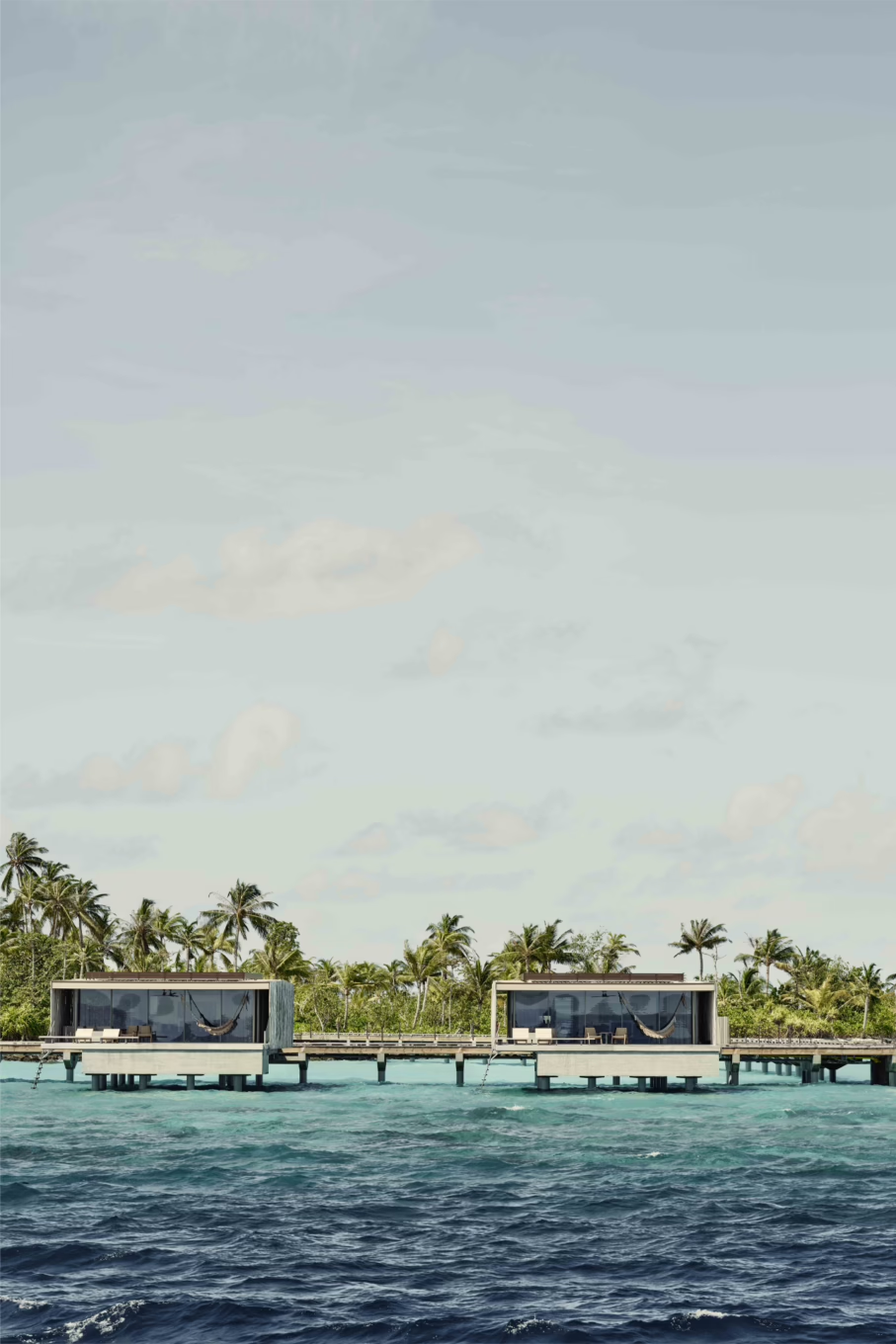
“Unplugged travel is less about removing technology and more about rebalancing attention. Guests are choosing moments where phones naturally disappear – sunrise breathwork, art immersion or simple water activities – because those experiences are compelling enough to hold them,” says Kushal Kejriwal, associate director of marketing & communications at Patina Maldives, Fari Islands. “The most meaningful disconnection happens when guests are deeply engaged, not when they’re told to disconnect.”
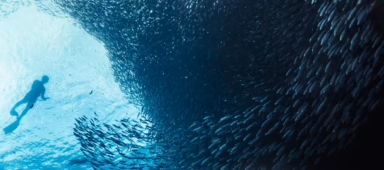
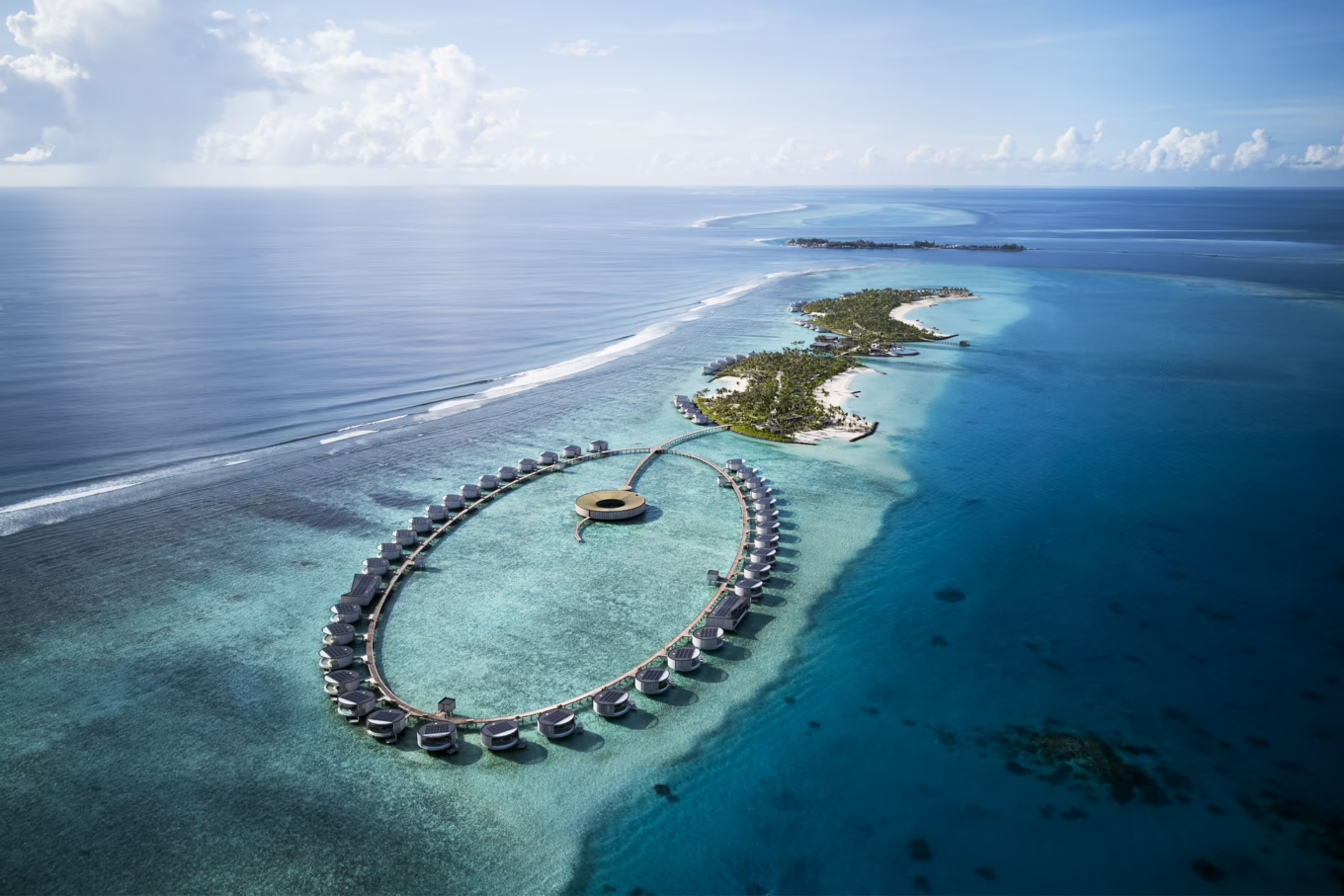
At neighbouring resort The Ritz-Carlton, Fari Islands, water facilitates this detachment. Their Deep Blue Prescription programme draws on the restorative effects of being near or immersed in water, a concept popularised in Blue Mind by Dr Wallace J Nichols. The wellness initiative features tailored ocean-based experiences, from spa treatments to snorkelling excursions, designed to bring guests to a state of calm and clarity.
Disconnect to reconnect
Fatigue from constant stimulation often drives guests to seek a slower pace – and it’s not just wellness purists. “We see families, couples, founders, creatives and younger travellers all valuing time that feels unstructured and genuinely restorative. Lengths of stay are increasing, with guests prioritising sleep quality, time in nature and meaningful shared moments over packed itineraries,” says Abhishek Sharma, chief operating officer of Soneva.
It’s no wonder there’s an enduring demand for remote islands that give travellers that much-needed distance from daily life. One such place is Soneva Secret, a private island resort 30 years in the making. A 75-minute seaplane ride from Malé brings guests to Makunudhoo Atoll, a marine life sanctuary in the Maldives.
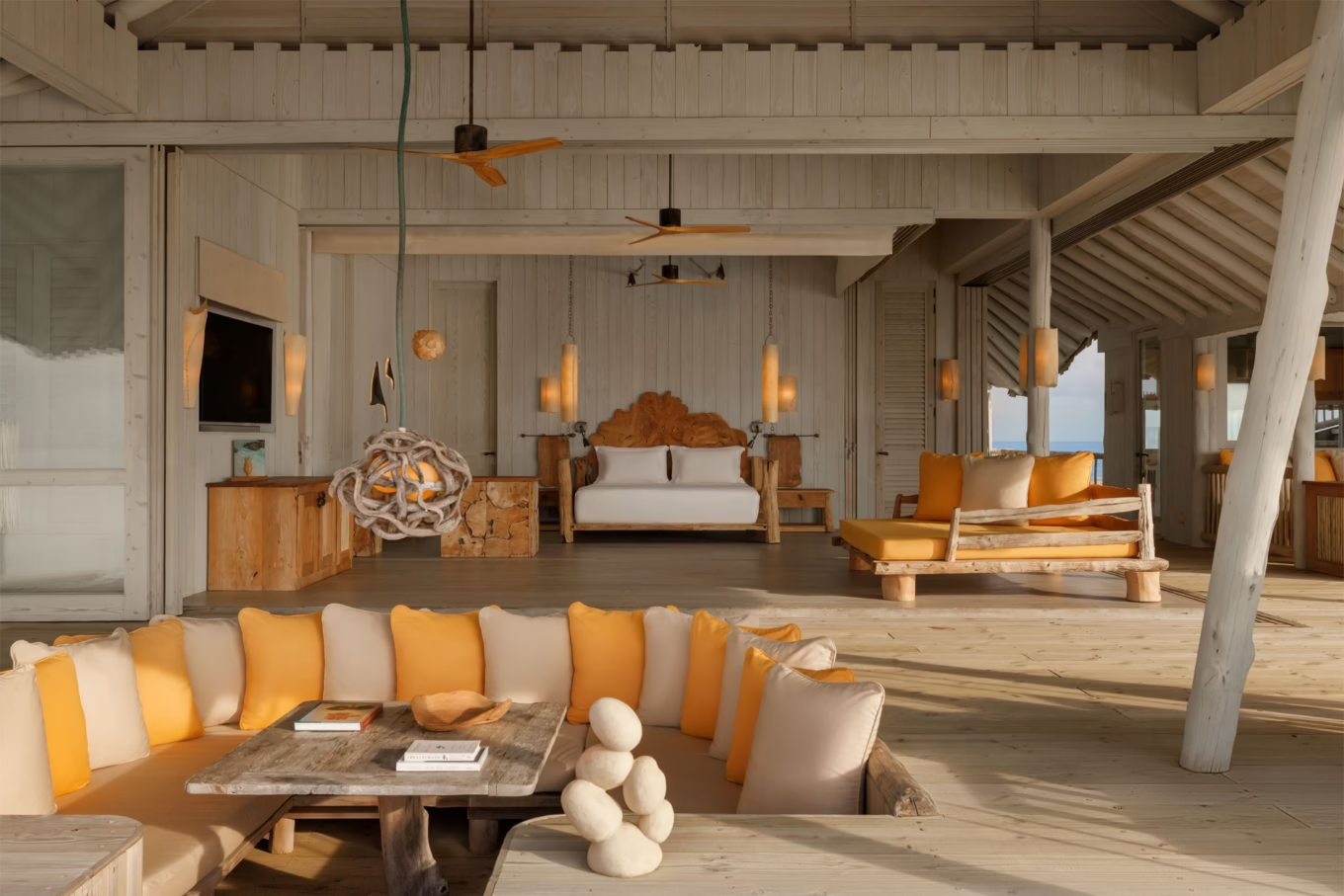
Here, guests can retreat to standalone overwater villas, especially the Crusoe-style residences set apart in the lagoon and accessed only by boat. By day, they can go off-grid with castaway island picnics; by night, an in-house astronomer maps out constellations in the sky. The resort’s resident marine biologist also leads snorkelling excursions where guests may encounter manta rays and dolphins.
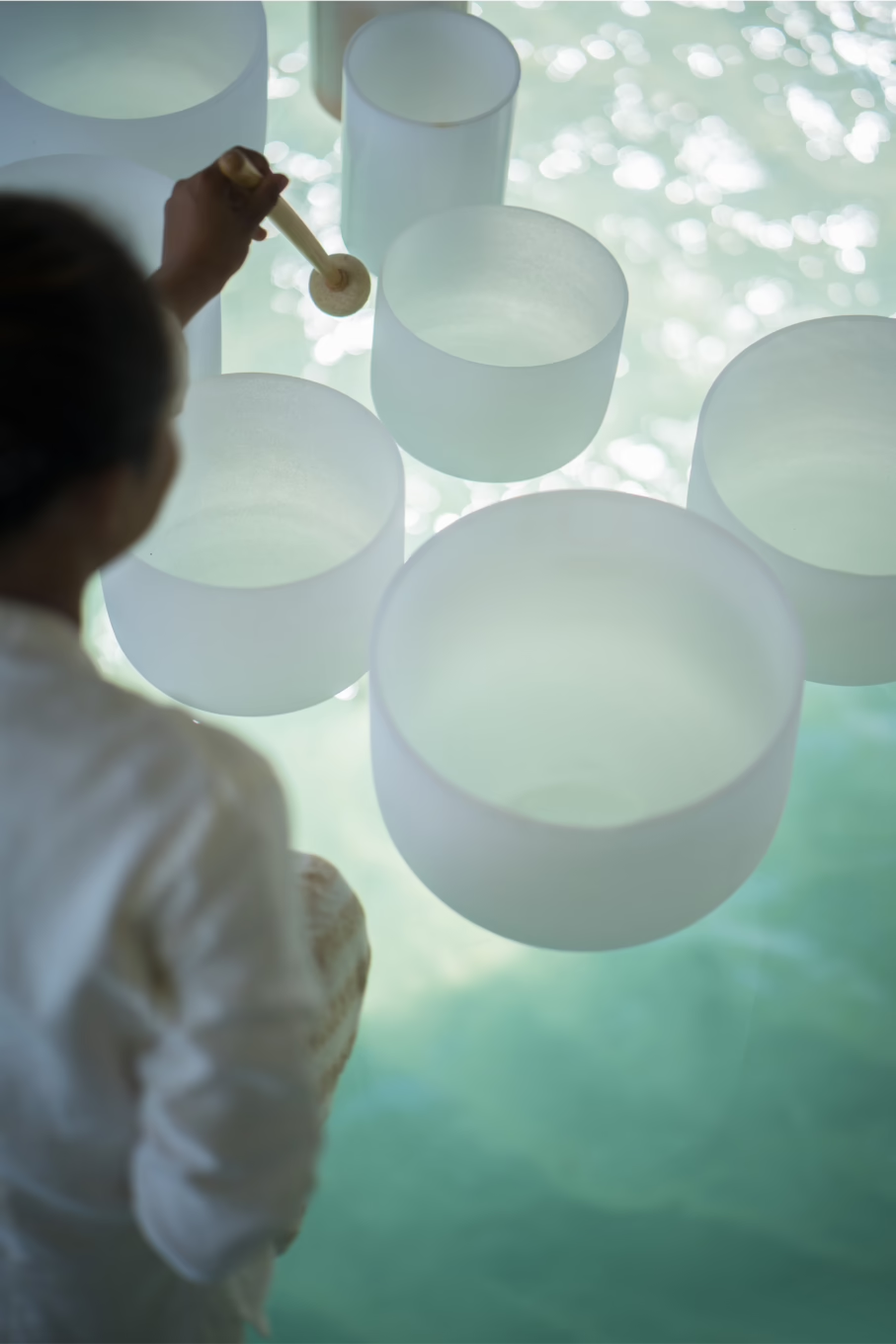
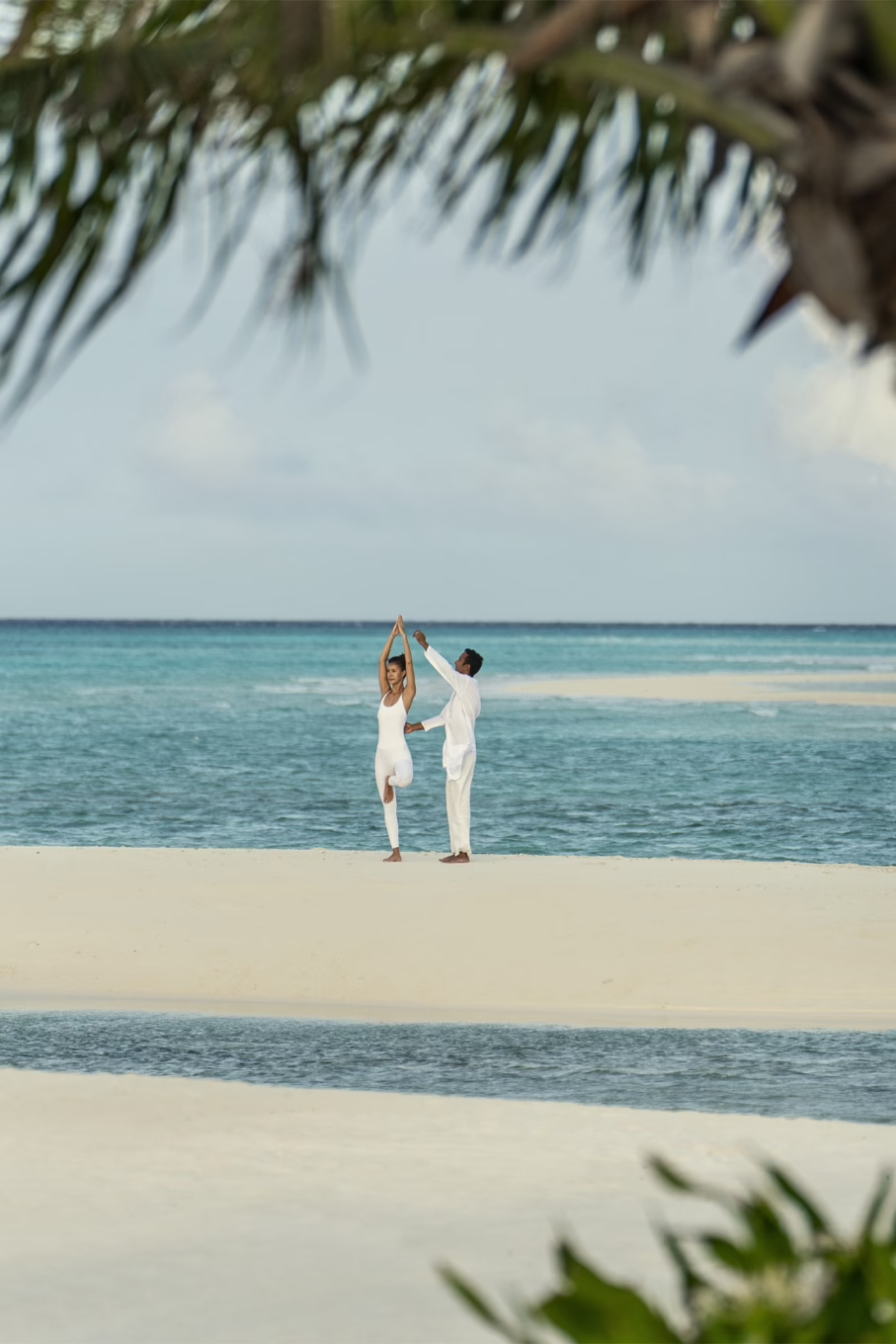
A similar ethos shapes Four Seasons Maldives at Landaa Giraavaru in Baa Atoll, a Unesco Biosphere Reserve. Since opening in 2004, the hotel has pioneered luxury wellness through its in-house spa AyurMa. “Overseen by Ayurvedic physicians and yoga doctors, guests commit to seven- to 14-night stays that include dosha diagnostics, Panchakarma detoxification, yoga therapy for structural or emotional imbalances and longevity-focused nutritional planning,” says Dr Arun Tomson, senior director of AyurMa.
A short boat ride away is Four Seasons Voavah, a 5-acre private island with seven bedrooms, its own beach house, a 19m yacht, a fully equipped dive centre and The Ocean of Consciousness Spa. “It’s perhaps the most radical evolution of the unplugged concept. Previously positioned as a celebratory private island [for milestone parties and reunions], Voavah is increasingly being used as a fully bespoke wellness enclave,” adds Tomson.
A quiet place
For Louli Musgrave, unplugged travel is about memorable experiences that bring a deeper sense of transformation. “At Compare Retreats, we take a more inventive approach for clients who need a break from digital devices. Polo holidays, ski and spa breaks, equine retreats and horseback safaris are exciting alternatives for our fit clients.”
Whatever the pursuit, hotels and resorts are no longer mere backdrops to unplugged travel. “Luxury properties will become custodians of mental and emotional space, not just physical comfort,” says Kejriwal. “The most successful destinations will be those that curate environments where guests can recalibrate without sacrificing sophistication or cultural richness. Travellers are telling us that this is no longer a niche desire, it is becoming a universal expectation.”
Now, who ever said you can’t buy peace of mind?
WELLNESS, UNPLUGGED
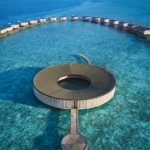 Deep Blue Prescription, The Ritz-Carlton, Fari Islands
The restorative power of water, long recognised across cultures, entered the mainstream with Blue Mind by Dr Wallace J Nichols, which shows that proximity to water induces a lightly meditative state. “Blue mind retreats” now embrace water’s ability to relax, regulate the nervous system and boost wellbeing. This philosophy underpins Deep Blue Prescription, a curated four-night wellness programme designed to ease stress through immersive, ocean-based experiences. ritzcarlton.com
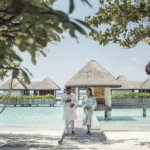 PraMā at Ayurma Spa, Four Seasons, Landaa Giraavaru
Exclusive to AyurMa, PraMā is an evidence-based screening programme that builds a detailed picture of each guest’s health before any treatment begins. Conducted over a two-hour consultation, it includes Ayurvedic assessment (pulse, gut, allergies), postural and joint mobility review; naturopathic evaluation (iris and tongue diagnosis, analysis of lifestyle habits) and biomarker testing. The result is a personalised blueprint for optimal wellbeing, grounded in data and traditional practice. ayurma.life
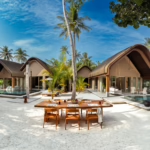 Tranquil Sleep Programme, Joali Being
Spanning five to 10 days, this wellbeing programme aims to regulate and restore healthy sleep patterns by addressing the underlying imbalances that disrupt rest. The focus goes beyond short-term improvement, aiming to help guests sleep better during their stay and long after they return home. As deeper, more consistent rest takes hold, body and mind begin to heal – bringing a renewed sense of lightness that becomes the ultimate holiday souvenir.
joali.com