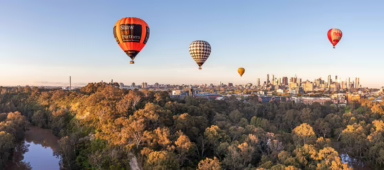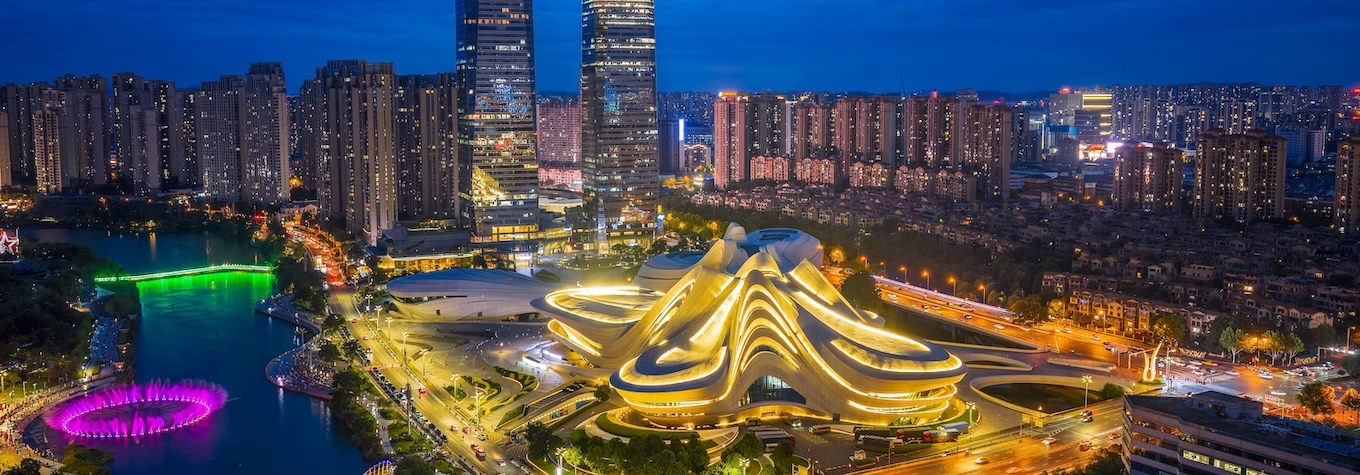

Changsha has long shaped China’s future – first as the launchpad for a young Mao Zedong’s political awakening and now as a place where modern youth are rewriting the meaning of “Chinese cool”
Photography Raul Ariano
Red, yellow and green; stout, smooth and slim. They arrive in relentless succession.
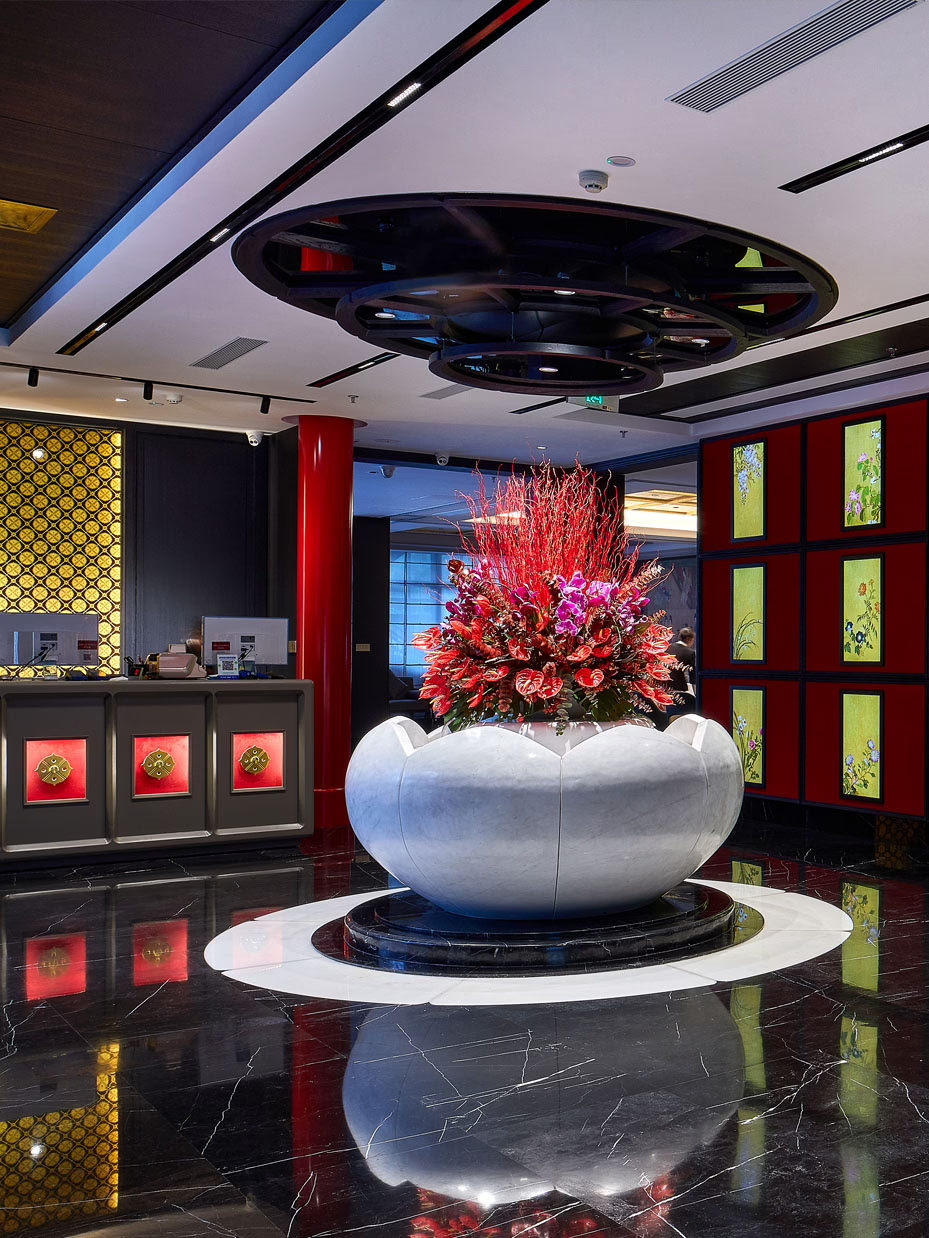
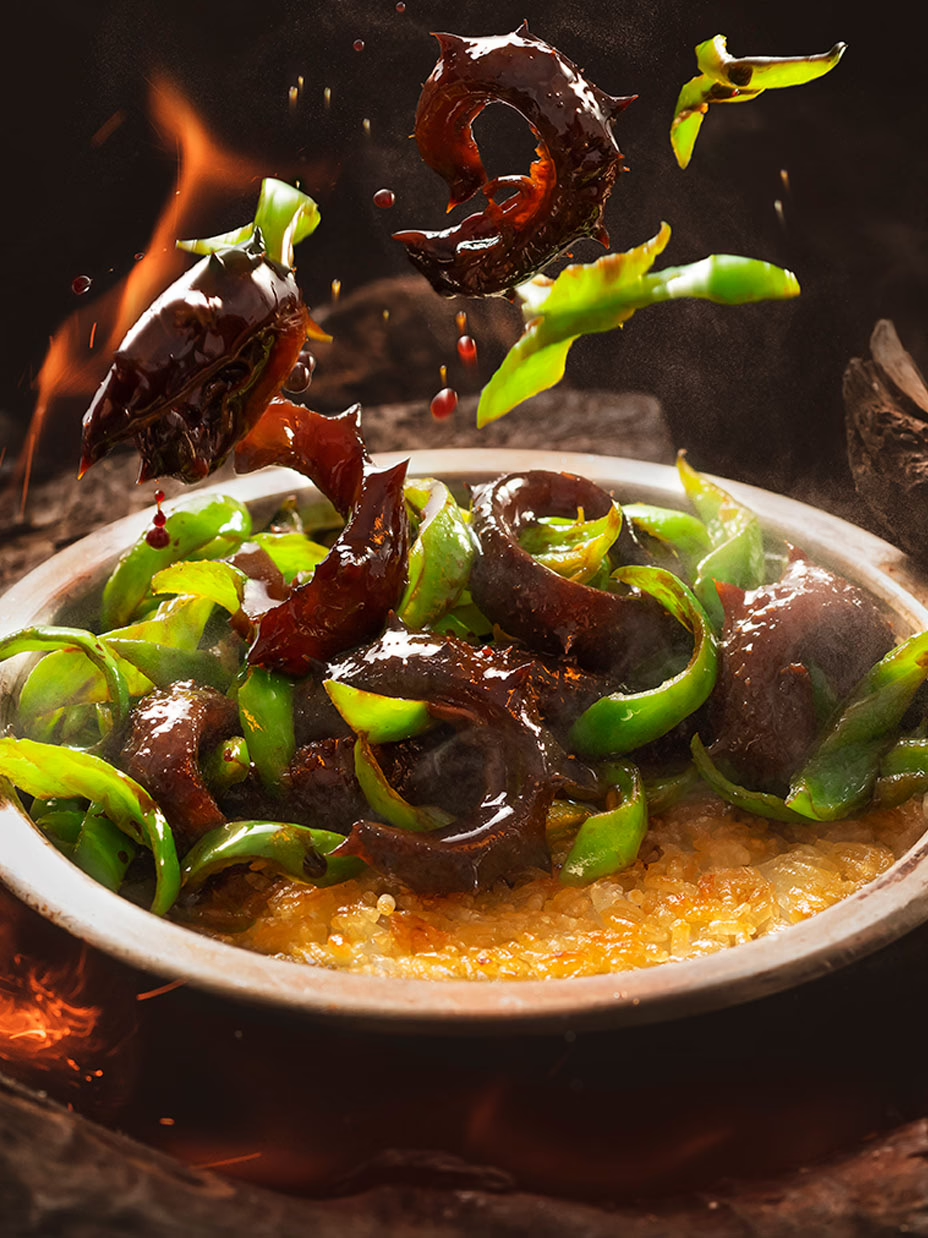
Chillies of every conceivable shade and shape are woven into dish after dish at fine-dining restaurant Xinchangfu in Changsha, Hunan. Moreover, smartly dressed servers constantly emerge with platters of different chillies in their raw form, all the better for guests to appreciate Changsha’s most cherished commodity.
Timid diners might tap out upon seeing the sheer quantity of chillies on the menu, but not this Malaysian, for whom Hunan – or Xiang – cuisine strikes many familiar flavour notes, from smoky wok aromas to the unmistakable fragrance of garlic. If anything, each ensuing dish laced with peppers – whether fresh, fermented or pickled – further awakens my senses.
Just 28 years old, executive chef Duan Xiaoguang is a wunderkind who lives and breathes Xiang cuisine. He confirms something I had long suspected: although chillies are deeply embedded in Hunan cooking, their ancestral homeland is, in fact, South America.
“They first arrived in Hangzhou before spreading westwards to Hunan,” explains Duan. “At first, the chilli plant was purely ornamental. It wasn’t until the early Qing Dynasty that people began cooking with it. It took hold because Hunan’s climate is humid and chilli helps dispel dampness, which causes all kinds of ills in Traditional Chinese Medicine.”
Acclaimed author Fuchsia Dunlop’s 2019 cookbook The Food of Sichuan mirrors this sentiment: “The best way to restore a healthy equilibrium is to eat foods that drive out moisture and dispel the cold.”
It is this very equilibrium that I find myself chasing on my very first trip to Hunan’s spice-laced capital.
Timeless Changsha
Predating the arrival of chillies in China, the Changsha Kingdom (202 BC–AD 33) was among the Han Dynasty’s largest and most enduring realms. I enjoy experiencing a place chronologically, so I start at the Hunan Museum (previously the Hunan Provincial Museum) in Kaifu District, wandering among spectral mummies and poring over silk manuscripts from the Changsha Kingdom. Some cite the nearby Mawangdui Mausoleum as an essential archaeological attraction, but most of its treasures are now housed in the museum.
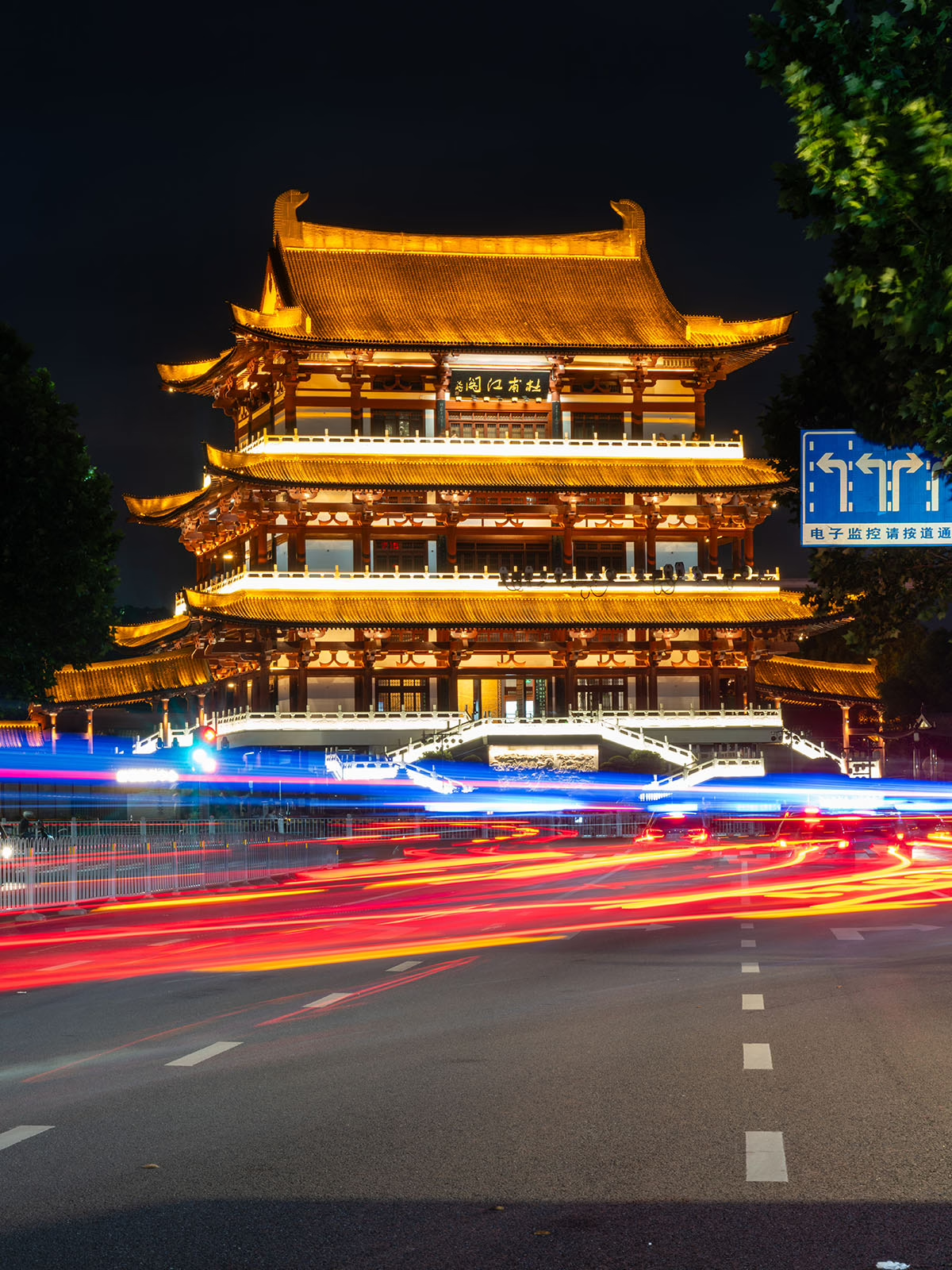
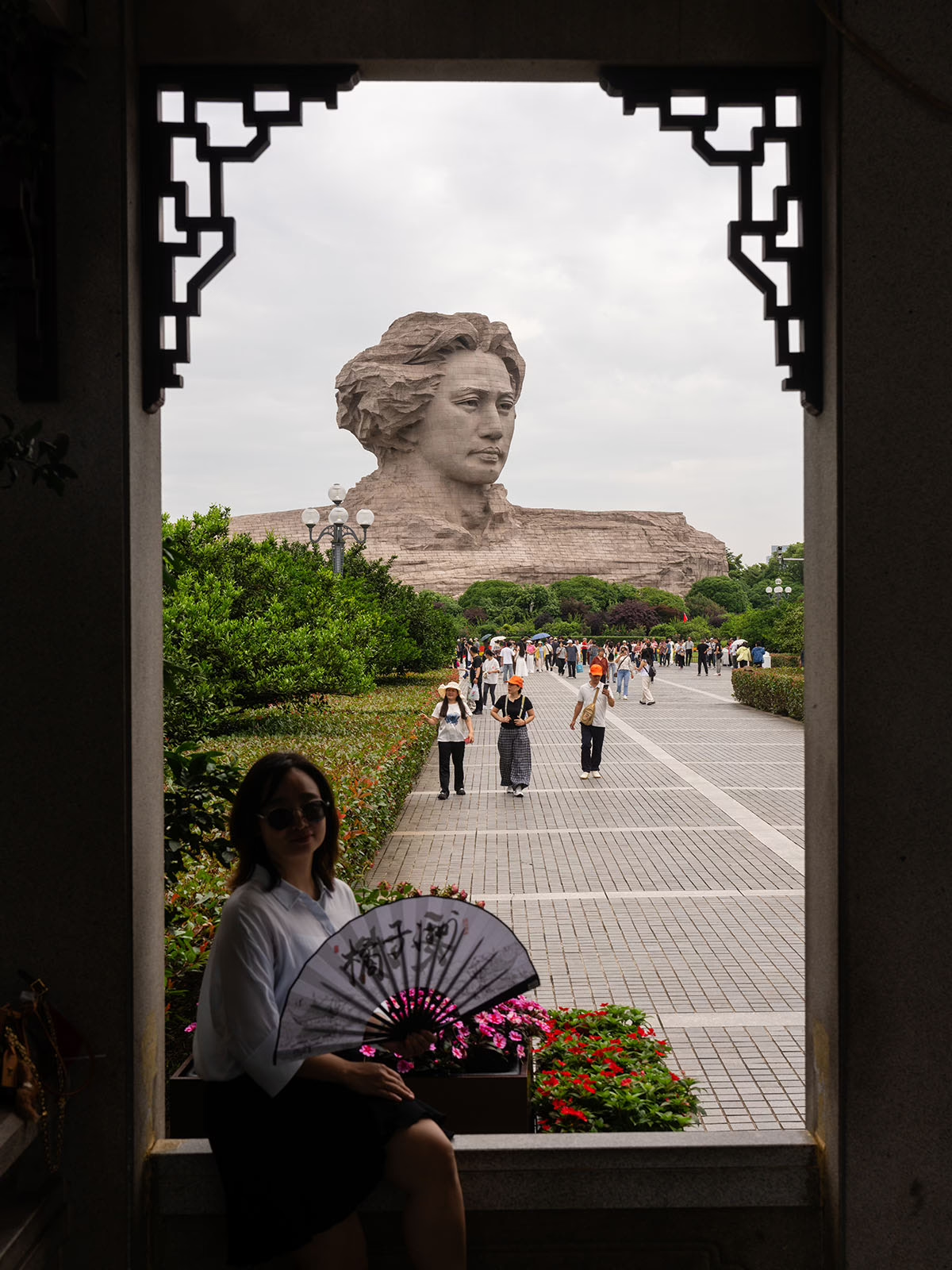
If the museum and Mawangdui reveal how Changsha’s blue bloods once lived, the Xiang River waterfront reflects how the city has long inspired China’s poets and thinkers. A leisurely hour-long walk brings me to the water, where I pay my respects to two figures who continue to loom large over Changsha in very different ways: Tang Dynasty poet Du Fu, whose namesake pavilion rises above the east bank in tiers of traditional eaves; and Mao Zedong, whose youthful visage – complete with dramatically windswept hair – has been immortalised in granite on Orange Isle, located in the middle of the river. The two figures feel like opposing pillars of the city’s identity: one literary, the other revolutionary, both united by the steady flow of the Xiang.
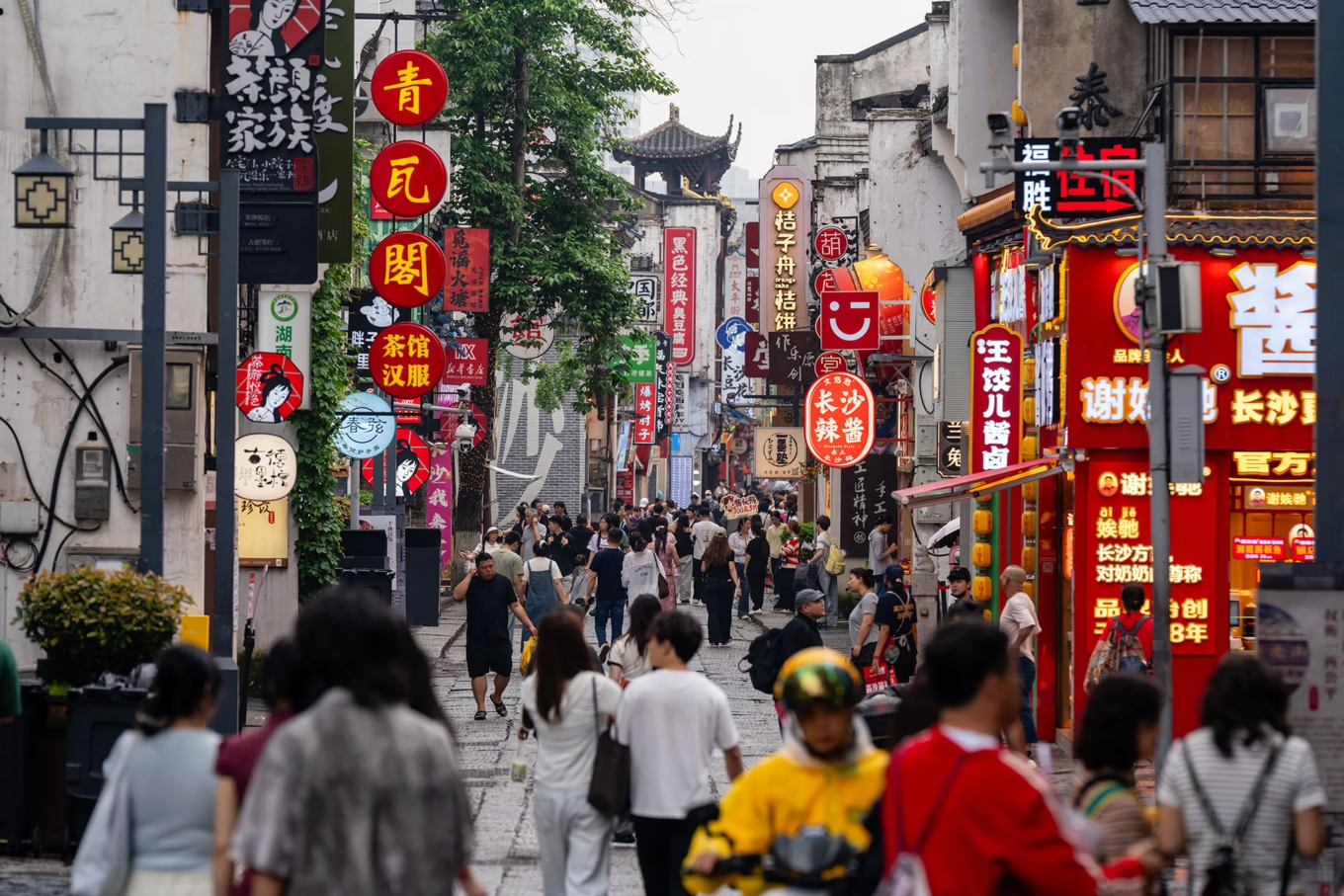
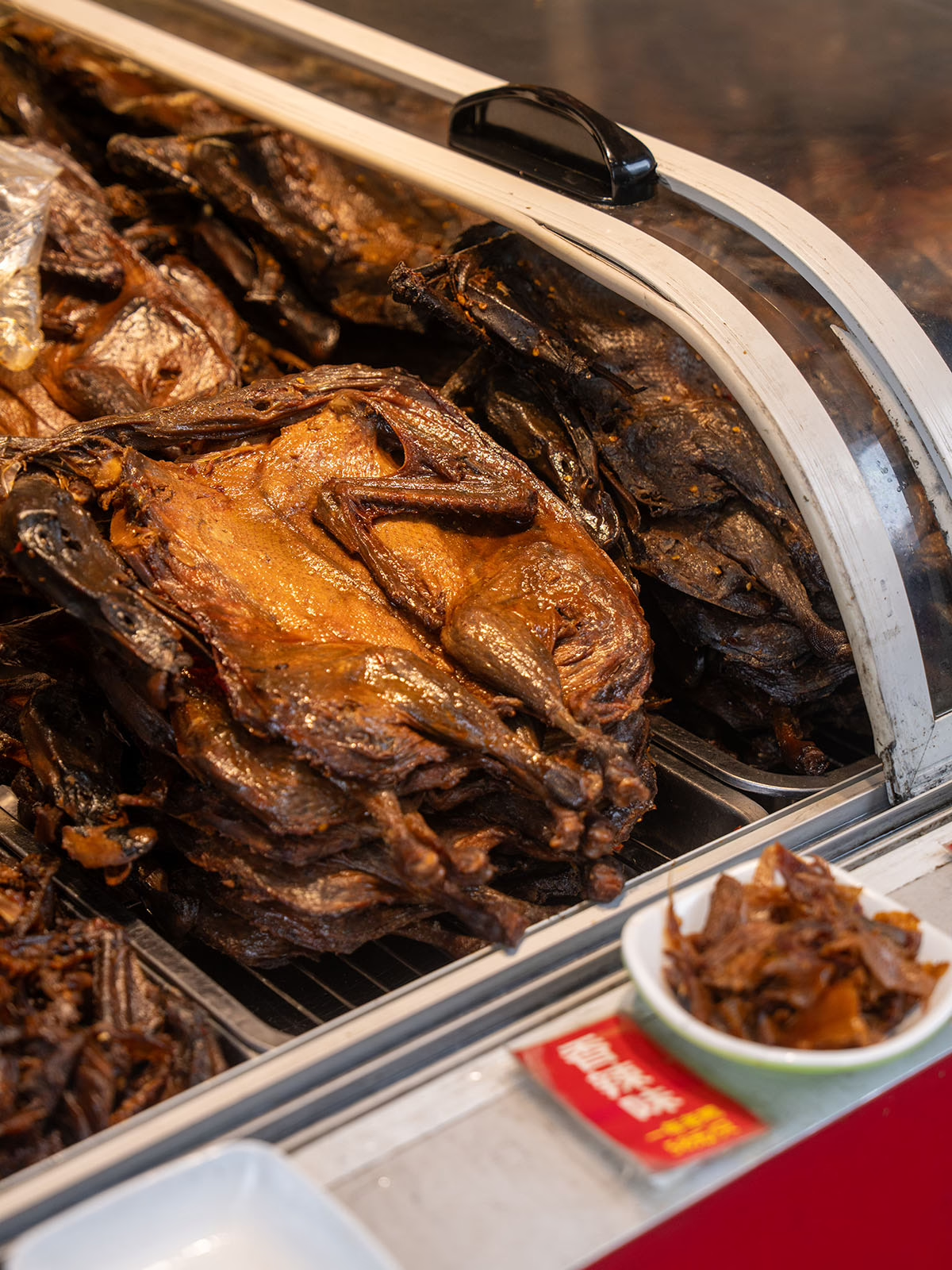
Speaking of Chairman Mao, I had been told to seek out his favourite fare. Come lunchtime, I head to Taiping Old Street, an ancient thoroughfare turned bustling tourist hotspot not far from the Xiang River waterfront, in search of proper Hunan home cooking. The street is dotted with sifang cai, or private kitchens, where every local has their favourite, and where you’re bound to find the Chairman’s favourite red-braised meat, glistening in a sweet soy glaze, and other Changsha staples like spicy salted duck and impressively large crayfish swimming in chilli oil.
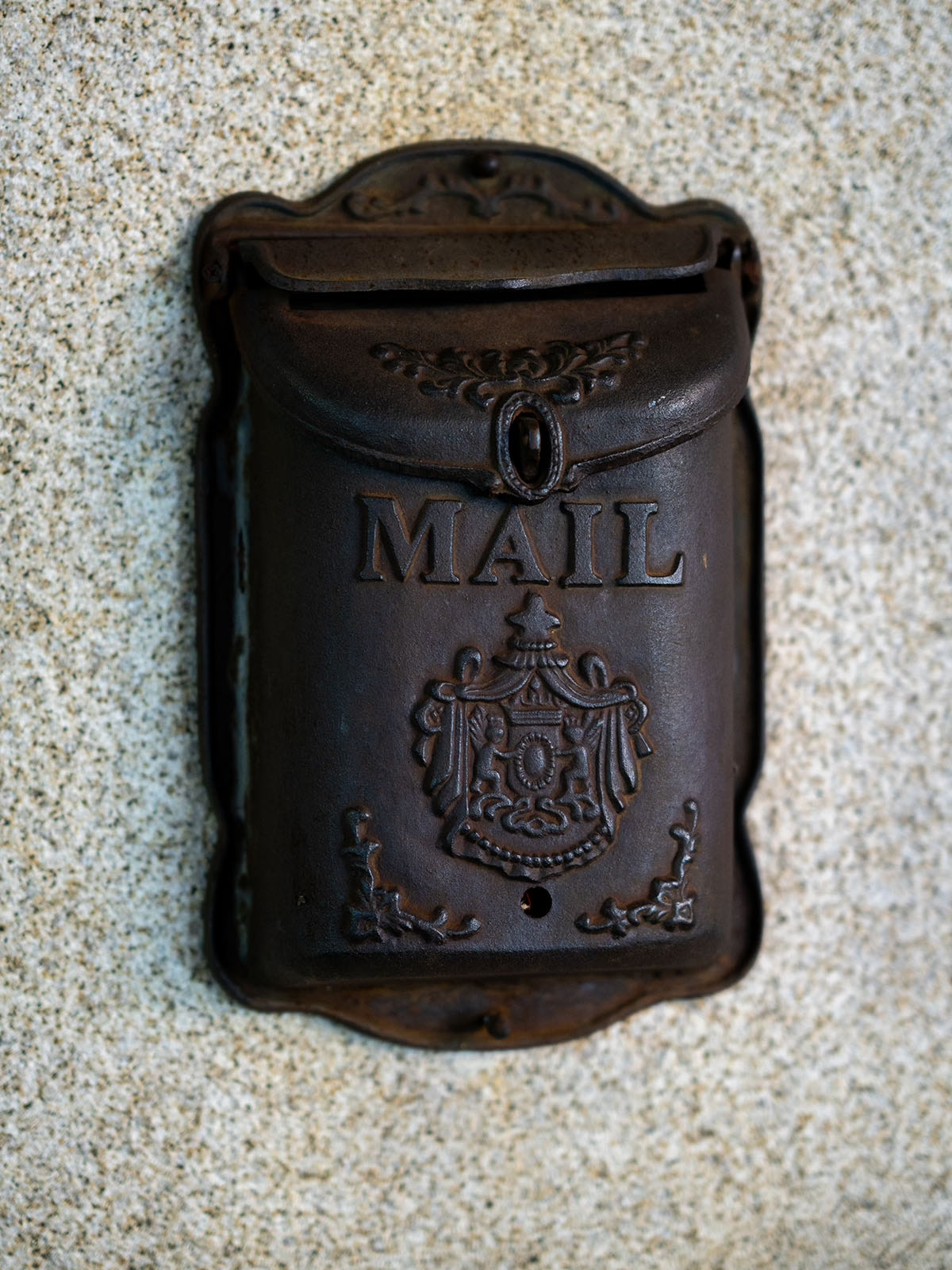
The best way to wash down a meal is with a pot of Chinese tea, so I do as the locals do: while away the afternoon at a teahouse sipping what they’re sipping. It’s easy to see how Junshan Yinzhen, with its unusually long, needle-like leaves shimmering pale silver, earned its poetic moniker: “silver needles of Junshan Island”. Counted among China’s famed “Ten Great Teas”, the rare yellow tea is the sort of souvenir worth making room for in a suitcase.
The New China cool
While old Changsha lingers in historic streets and heritage teahouses, its younger alter ego emerges through viral milk tea chains, neon-lit retro food courts and cavernous snack megastores.
Yesterday saw me straining traditional loose-leaf tea; today, I’m sipping stylised milk tea. Chayan Yuese, a cult-favourite Changsha chain, channels local culture through its flavours (from floral oolongs to robust black teas) and its aesthetics, with Chinese opera and classical watercolour paintings adorning cups and branding.
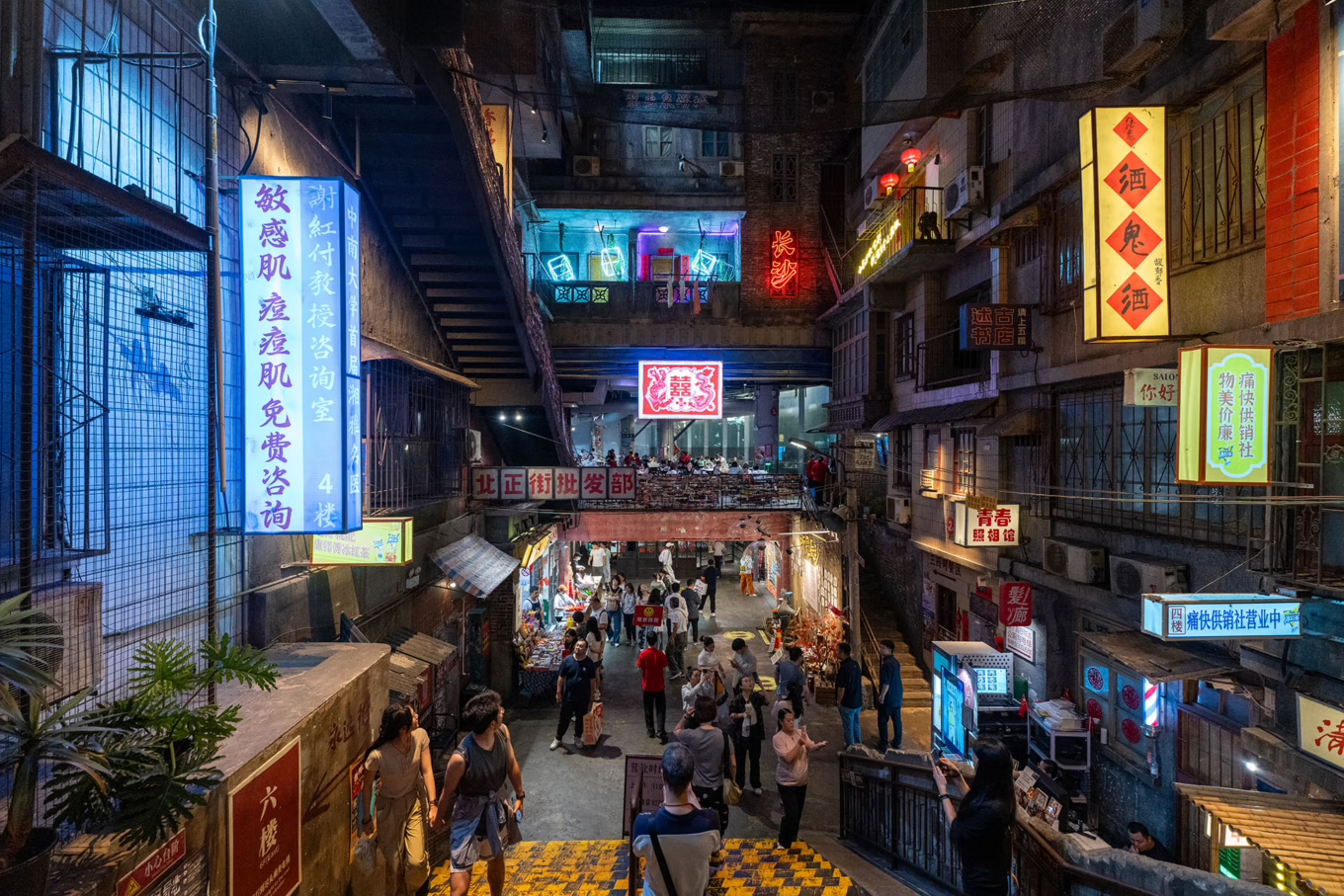
Next, it’s time to immerse in contemporary culture at two wanghong, or “internet-famous”, attractions. Spread across five immersive storeys, Wenheyou Market is a wildly entertaining cyberpunk fever dream that proves as wondrous as it appears in viral videos. Easily reached from Wuyi Square or Huangxing Square stations, and conveniently close to both Pozi Street and Taiping Old Street, it is the kind of place that rewards getting lost. Pretending to be a character in Blade Runner, I happily wander the dystopian space while sampling Changsha’s famous street foods like black stinky tofu, silky rice noodles and chewy sugar-oil baba (glutinous rice cakes).
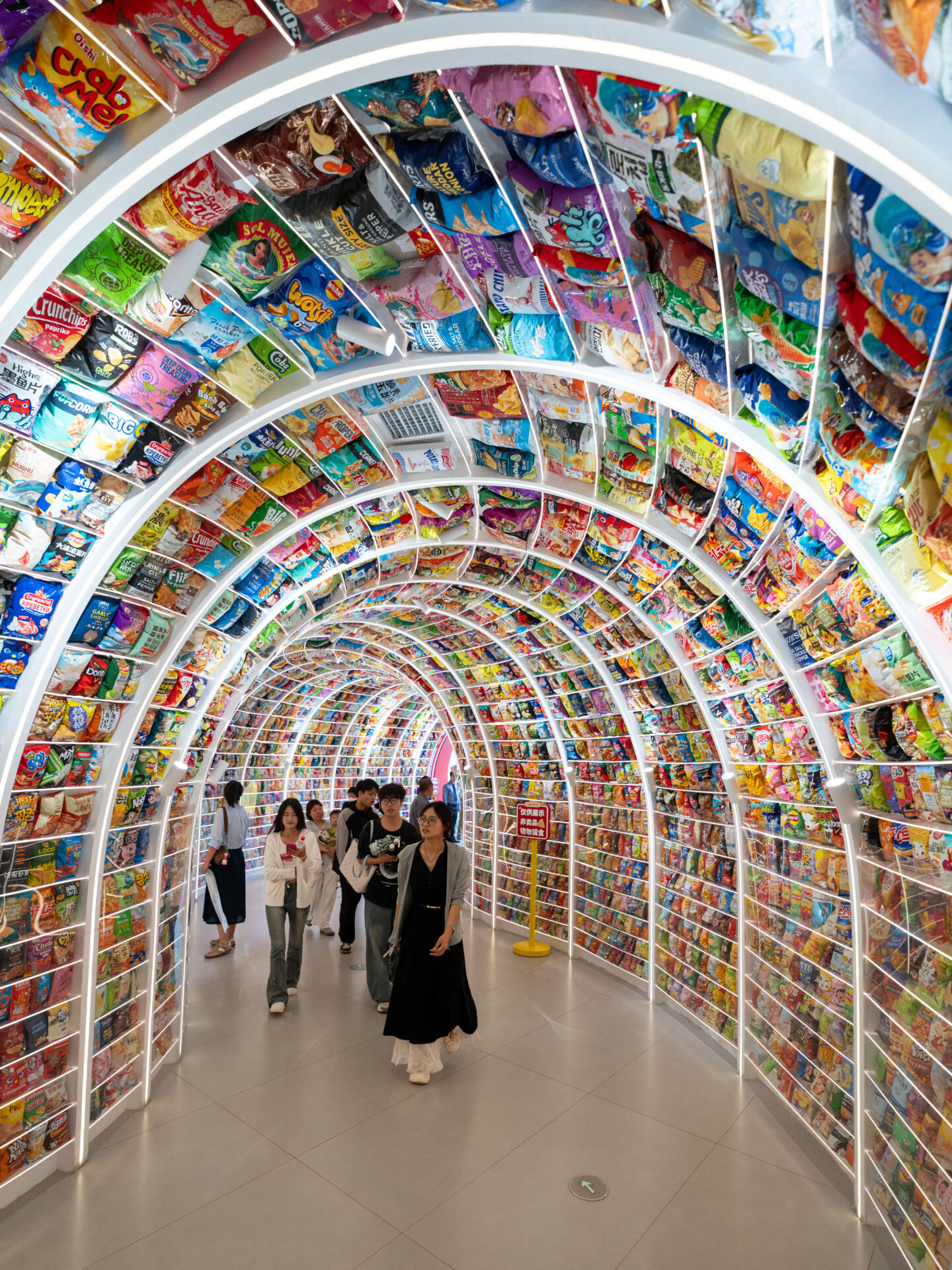
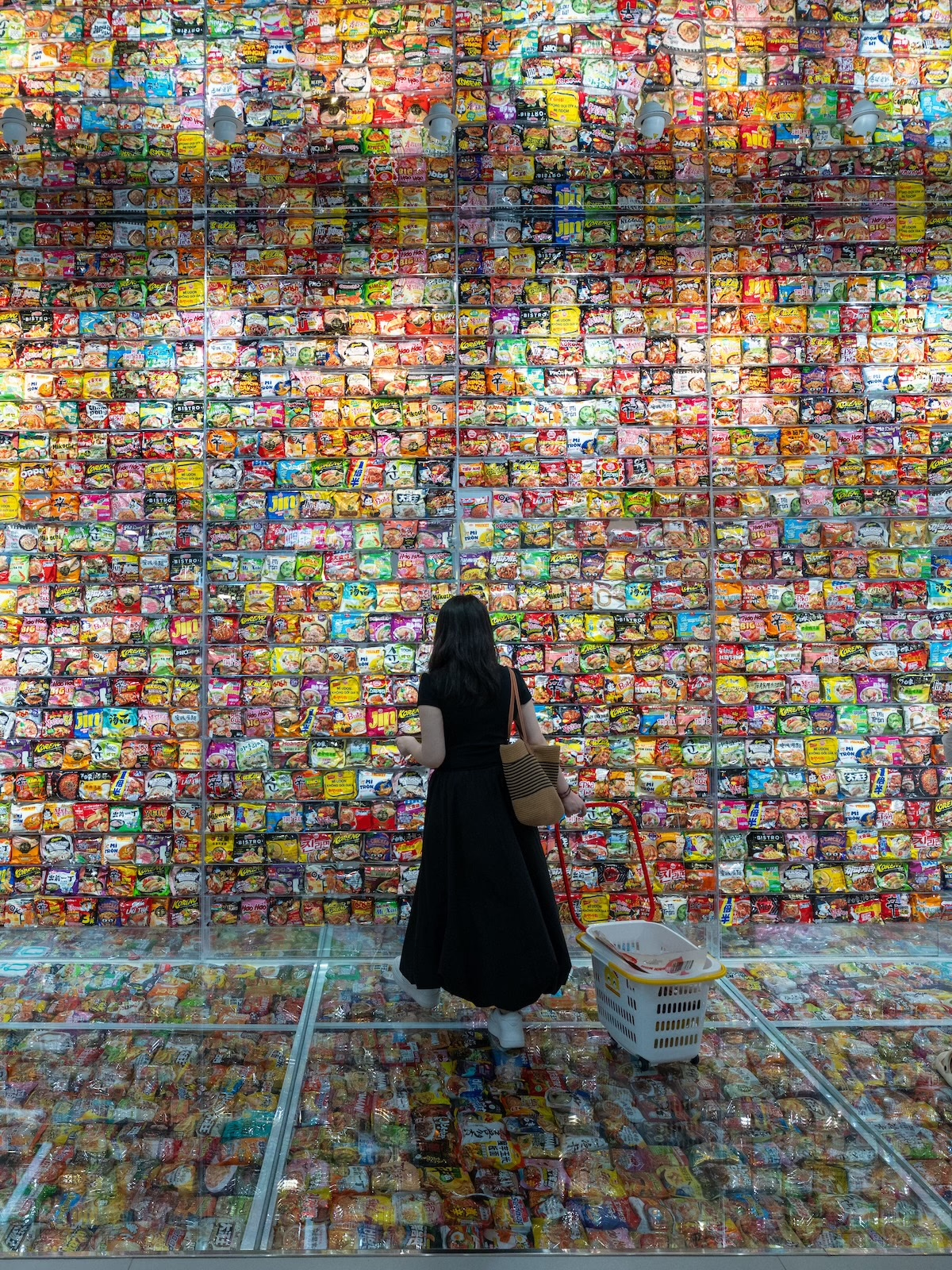
Also nearby at Fu Rong Square, Snack Kingdom, the Guinness World Record-holder for the world’s largest snack store, spans roughly the size of 30 basketball courts and stocks some 35,000 treats from over 70 countries. Jumbo-sized snacks tower over the average person, and the surreal sight makes for fun photo ops.
Come nightfall, I discover how Changsha’s creative energy is distilled in different ways. Located inside a leafy compound on Zhongshan West Road, CMYK is widely regarded as the city’s premier destination for inventive drinks. I could happily polish off several glasses of the namesake CMYK cocktail with clarified yogurt, but it is the Super Fresh, spiked with Hunan’s beloved peppers, that leaves a lasting impression.
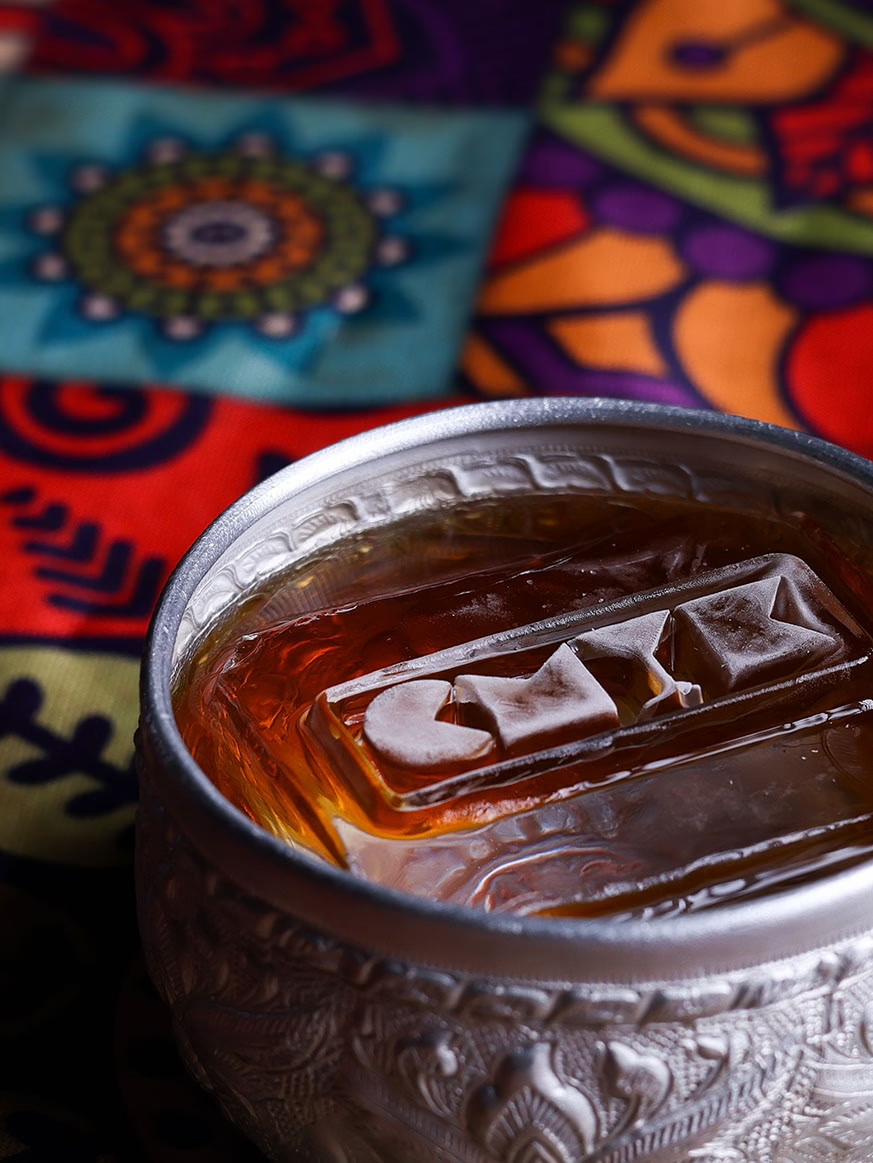
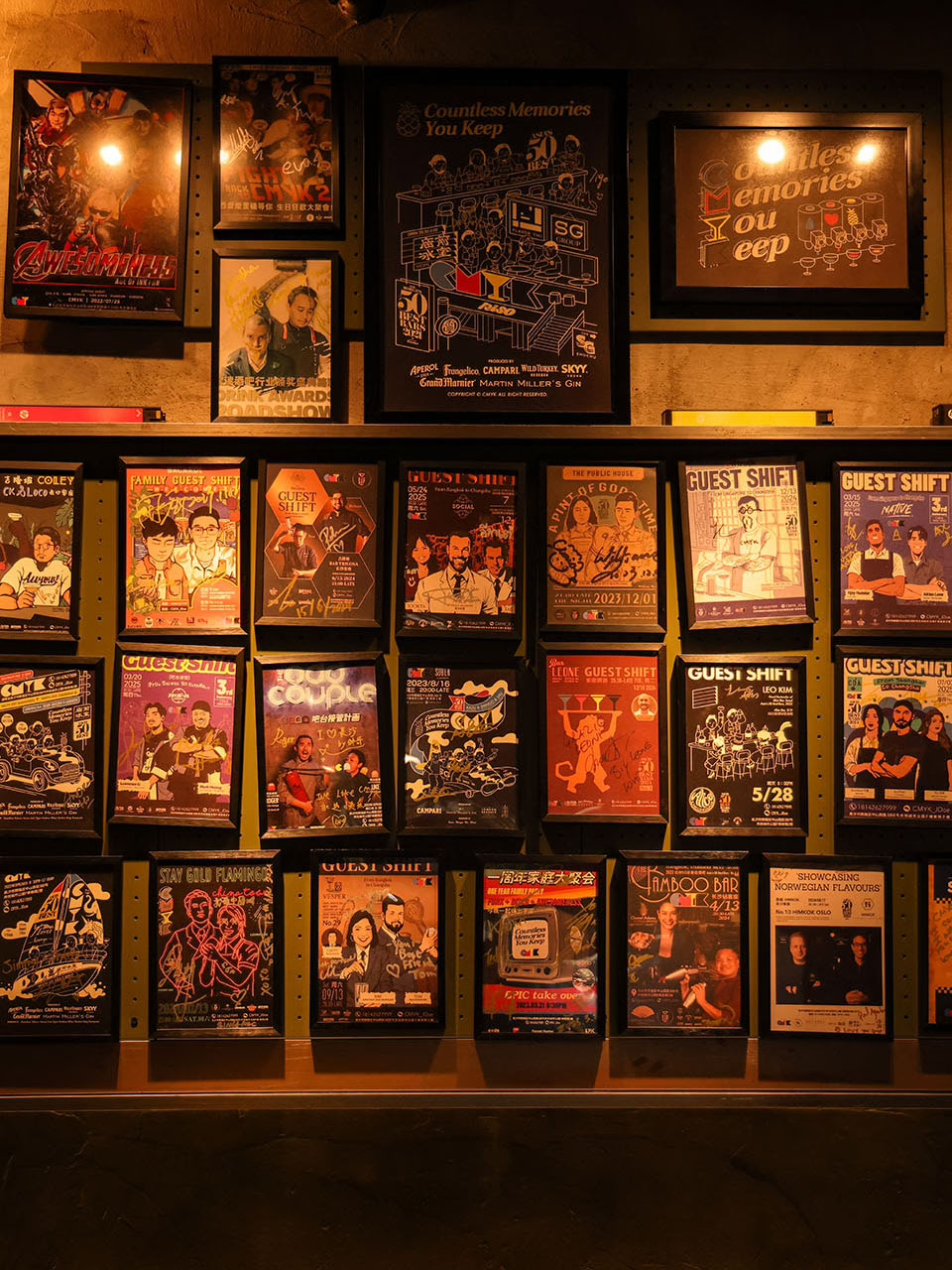
As the chilli-laced drink lingers on my palate, I recall a conversation with maître d’ George Guo back at Xinchangfu: “Inherit the past without being bound by it. Innovate without losing sight of one’s roots.” It is the restaurant’s philosophy, he explained, but one he believes also captures the spirit of Changsha itself.
If something once foreign like the chilli pepper can become part and parcel of Hunan identity, it’s little surprise then, that instead of resisting change, Changsha can lay claim to being one of China’s most open cities.
“The people of Hunan are just like its cuisine,” said chef Duan. “Full of passion and warmth. Welcome to Hunan, China. We are a very inclusive region.”
Three great Hunan escapes
All within reach from Changsha, these places are well worth the trip
Zhangjiajie
The dramatic scenery here inspired the sci-fi epic Avatar, and must be seen to be believed. Dare you tread across the glass-bottomed Grand Canyon Bridge or ride one of the world’s longest alpine cableways? 4–5 hours from central Changsha
Furong Ancient Town
A roaring waterfall lies at the heart of this ancient town that’s easily one of Hunan’s most photogenic escapes. Pro tip: look for the pathway that allows you to walk behind the waterfall. 5–6 hours from central Changsha
Fenghuang Ancient Town
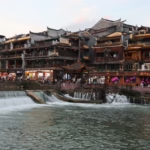
Lantern-lit stilt houses and bridges reflected upon the shimmering Tuojiang River make this town feel like a flight of fantasy. It’s no wonder the place was named after the mythological Chinese phoenix. 5–8 hours from central Changsha