
The ultimate luxury escape? Experiencing a place through the memories, aspirations and vision of a design-minded, hands-on hotelier. Two passion projects – in Penang and in Maebashi, Japan – prove our point
There’s nothing like a hotel steeped in personal history and imbued with an outsized vision for the destination.
In Penang’s capital city of George Town – a low-slung, coastal district of century-old buildings and snug, atmospheric streets – clan houses and jetties dot the Unesco-listed heritage district. From the 18th to the 20th century, hordes of young men left their villages in famine-ravaged China, arriving in Malaysia to seek better fortunes in ports, tin mines and rubber plantations. Finding kinship, they banded together in clan houses, each wave bringing the flavours and customs of a faraway home.
As cultural artefacts, the clan houses are treasure chests heaving with stories, from the grand arcs that shaped society to the most intimate personal narratives of grit, ambition, family and belonging. As local attractions, they are rabbit holes into the colourful, layered Peranakan culture.
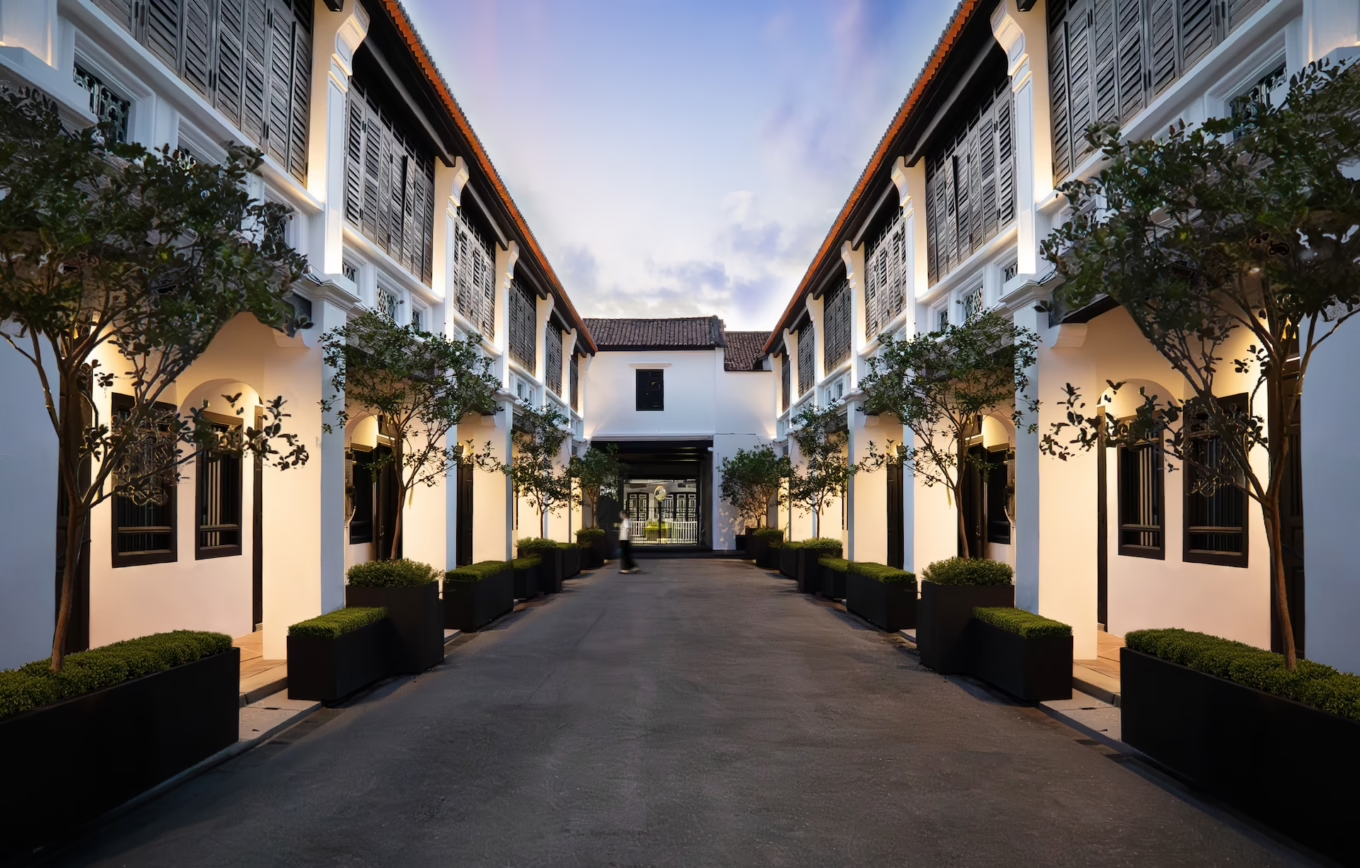
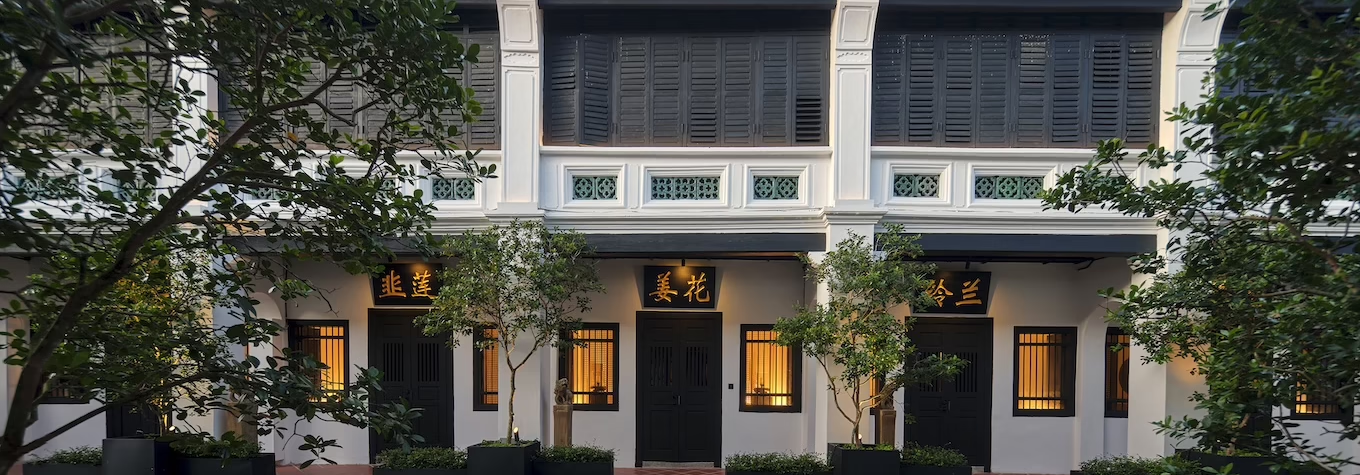
This is exactly how the new Soori Penang on Lebuh Aceh Street – which runs parallel to the bustling Armenian Street – operates. The luxury boutique hotel is a 15-shophouse conversion conceived and designed by architect Soo K Chan, founder of Singapore-based SCDA. Located in an alley leading to the Leong San Tong Khoo Kongsi – arguably the country’s grandest, most ornate clan temple – its unbeatable location is only the beginning of its charms.
That it’s a project close to its architect’s heart is another. Chan was born in Penang and spent his earliest years in these shophouses. “They are quite atmospheric spaces,” he says. “Long and narrow, with air wells that bring light and rain into the centre of the house. As a child, you become very aware of those sensory moments – reflections on the floor, sudden shafts of light entering from above.” Rather than recreate a Peranakan shophouse to historical detail, his goal was to “preserve the spatial DNA of the shophouse”.
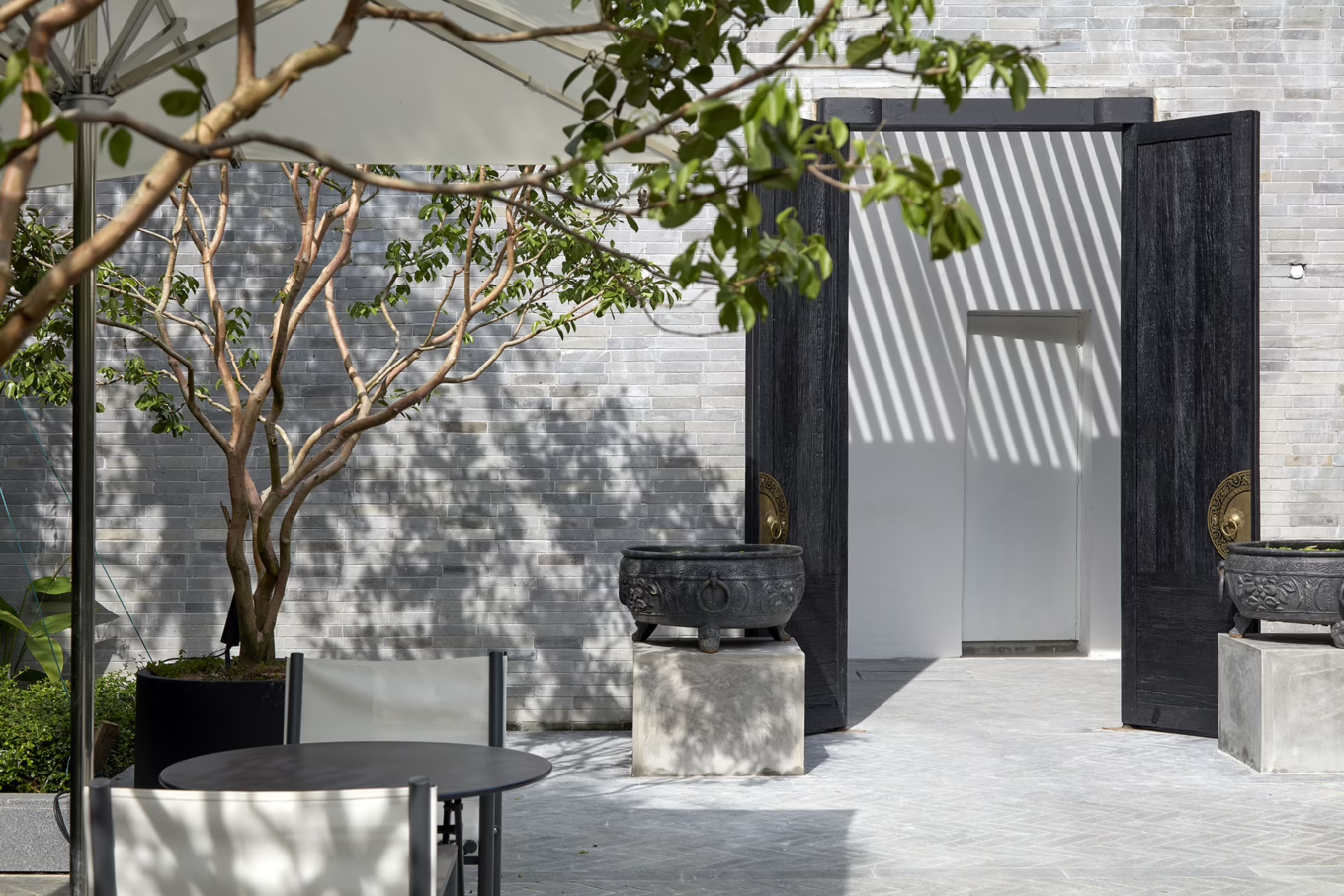
The hotel has 13 guest suites, each one effectively the entire ground floor of a shophouse and a finely crafted sanctuary amid the downtown chaos. There’s something temple-like in its calm, earthy palette; the elemental textures of wood, stone, fabric and water; the light pouring down the air well; and the soothing gurgle of an indoor fountain designed as a traditional stone rice grinder set in a shallow pebble pond.
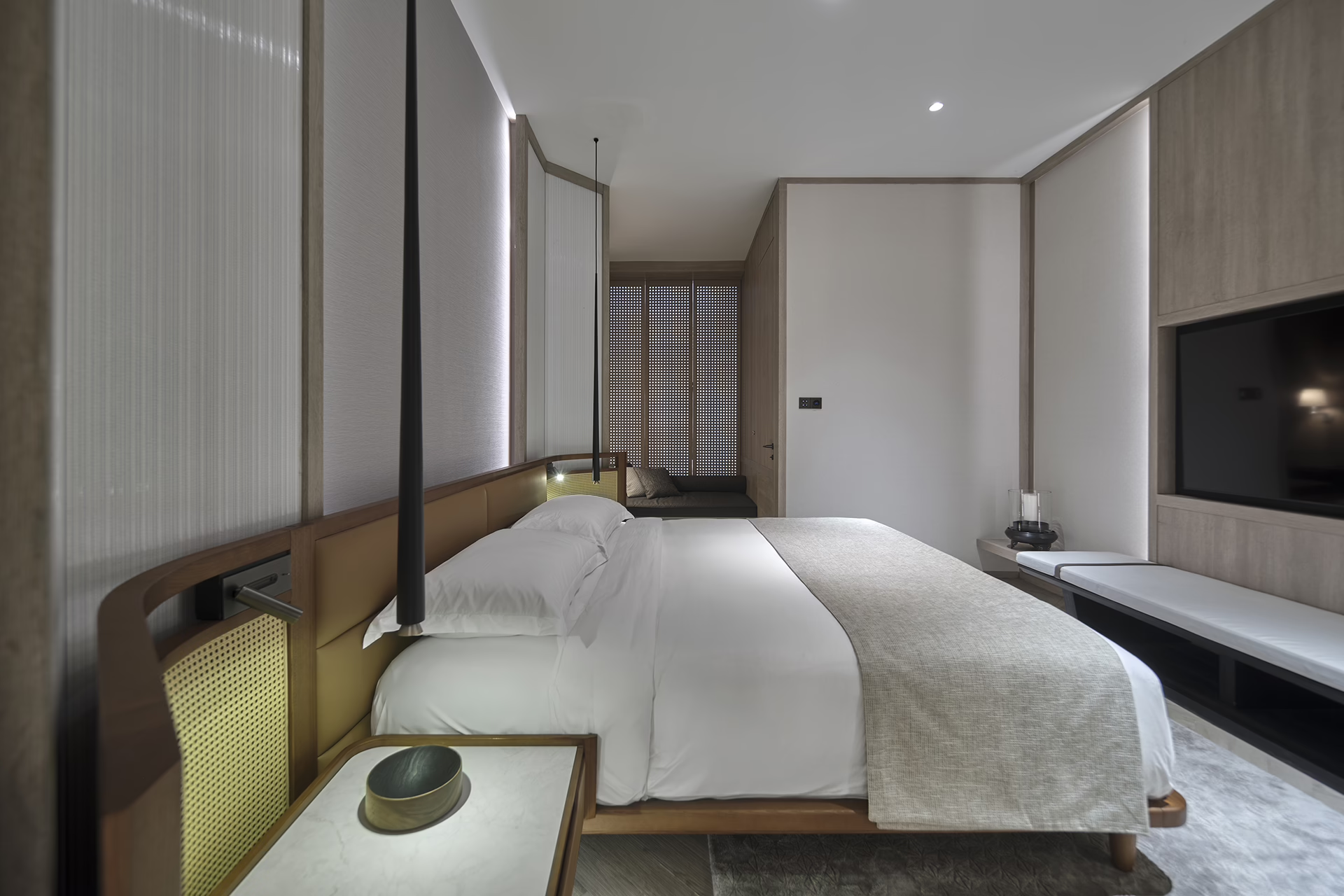
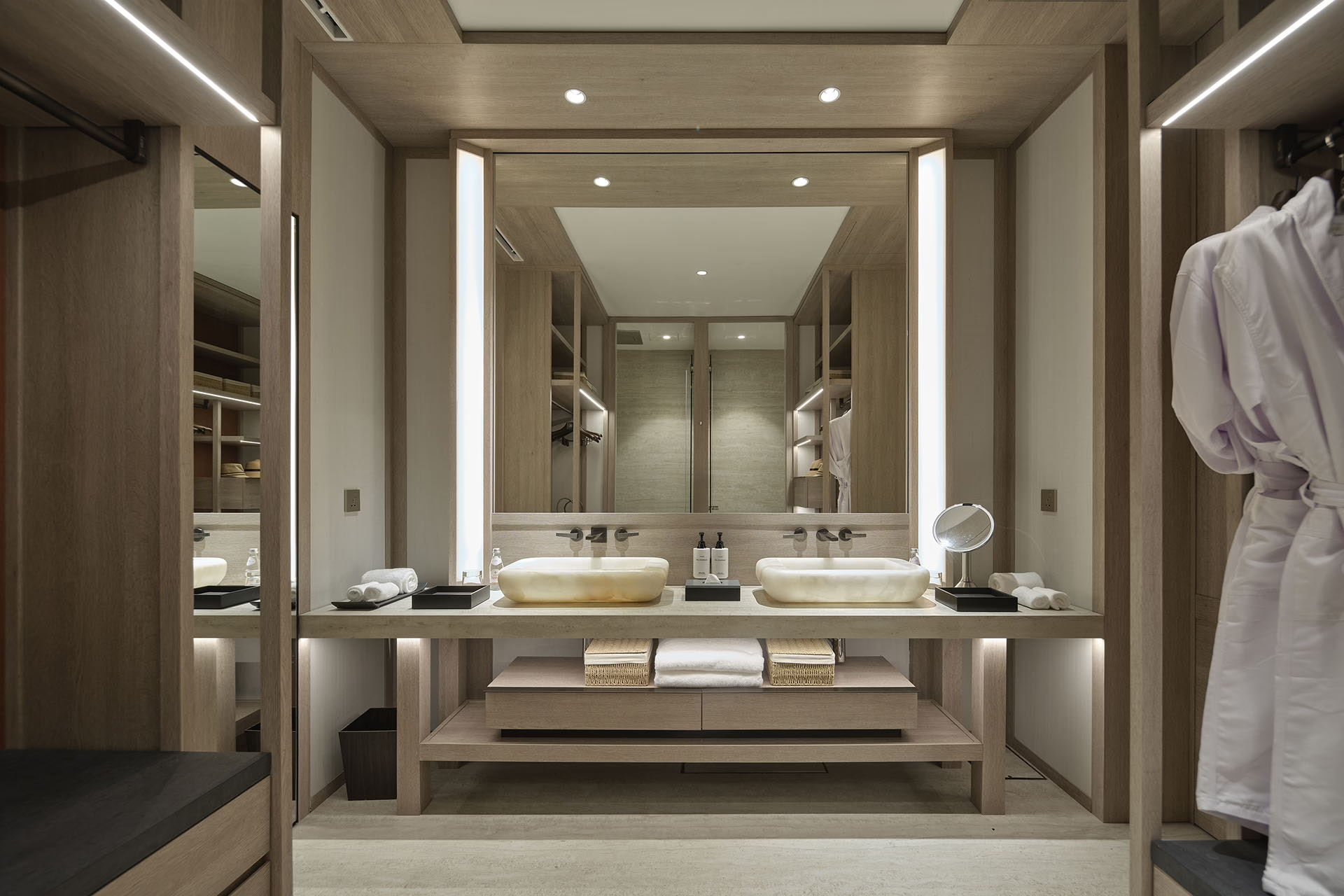
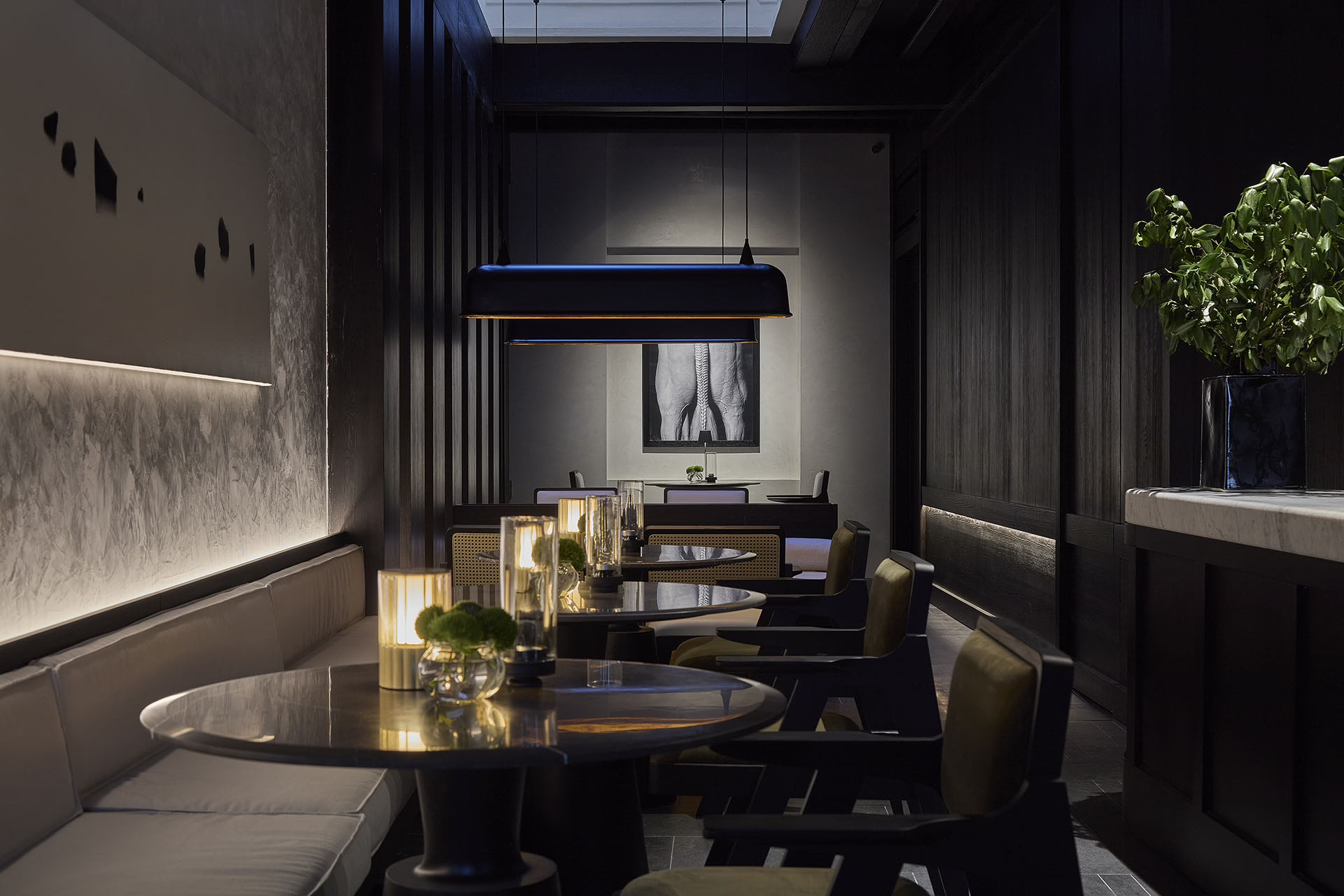
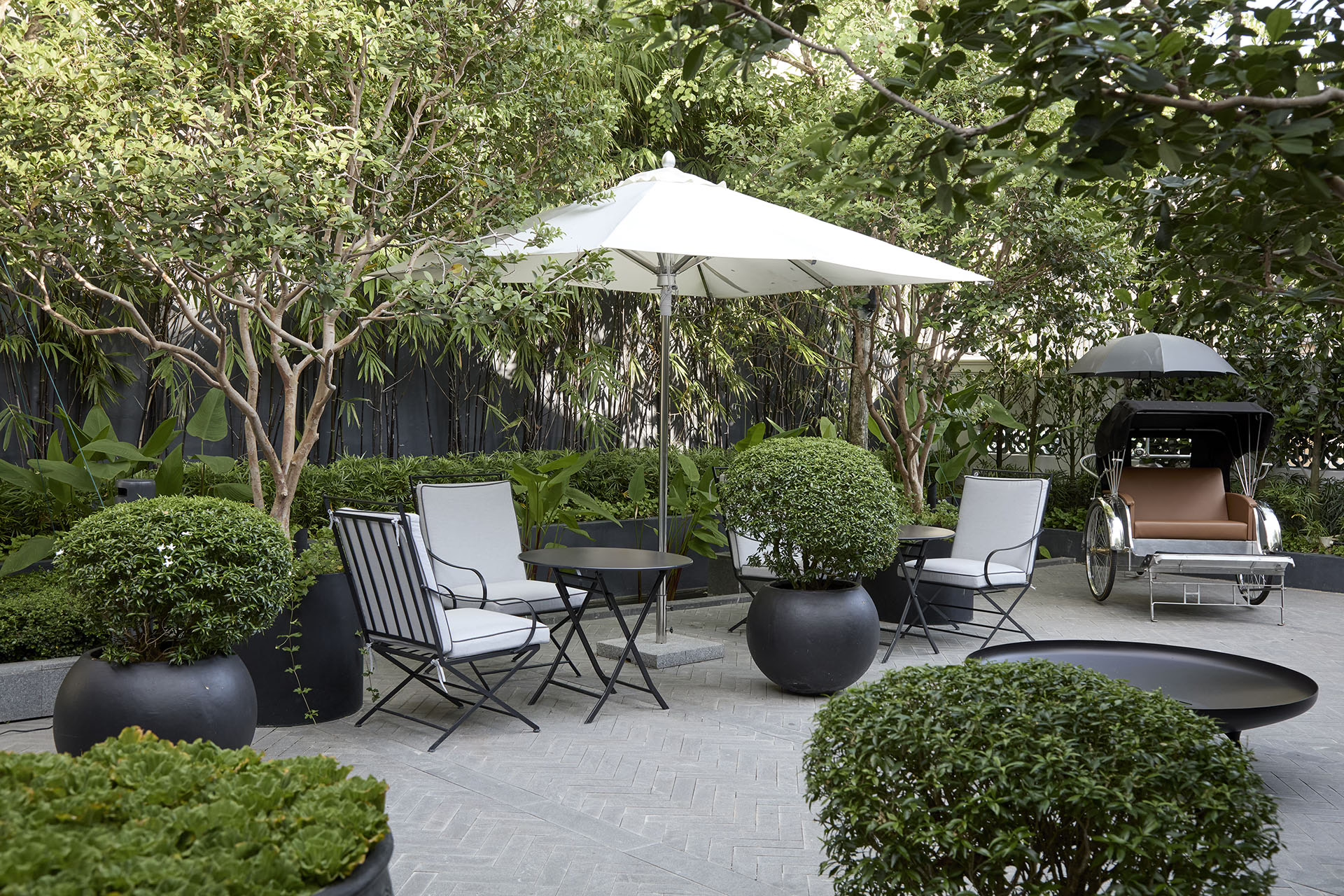
Soori feels committed to the aesthetic of quiet luxury: alabaster double sinks, Byredo bath products, bespoke furniture and all that space. But it also inspires deeper musings on home as refuge and community as safe haven. By the end of the 19th century, the Khoo clan had become the wealthiest and most powerful Chinese clan in Malaysia. For the multitudes in Southeast Asia who trace their roots to this period of the Chinese diaspora, the world of Soori and the Khoo Kongsi ignite this imagination.
Soori isn’t a portal to a gilded past but an experience that tells the story of modern Penang. The restaurant’s menu, for instance, features a curated list of classic dishes from long-standing neighbourhood shops that Chan personally endorses.
“What I particularly enjoy is the experience after hours,” he says. “When the crowds have gone, the Khoo Kongsi courtyard becomes very quiet. Guests are able to experience that moment in a way that most visitors never do.”
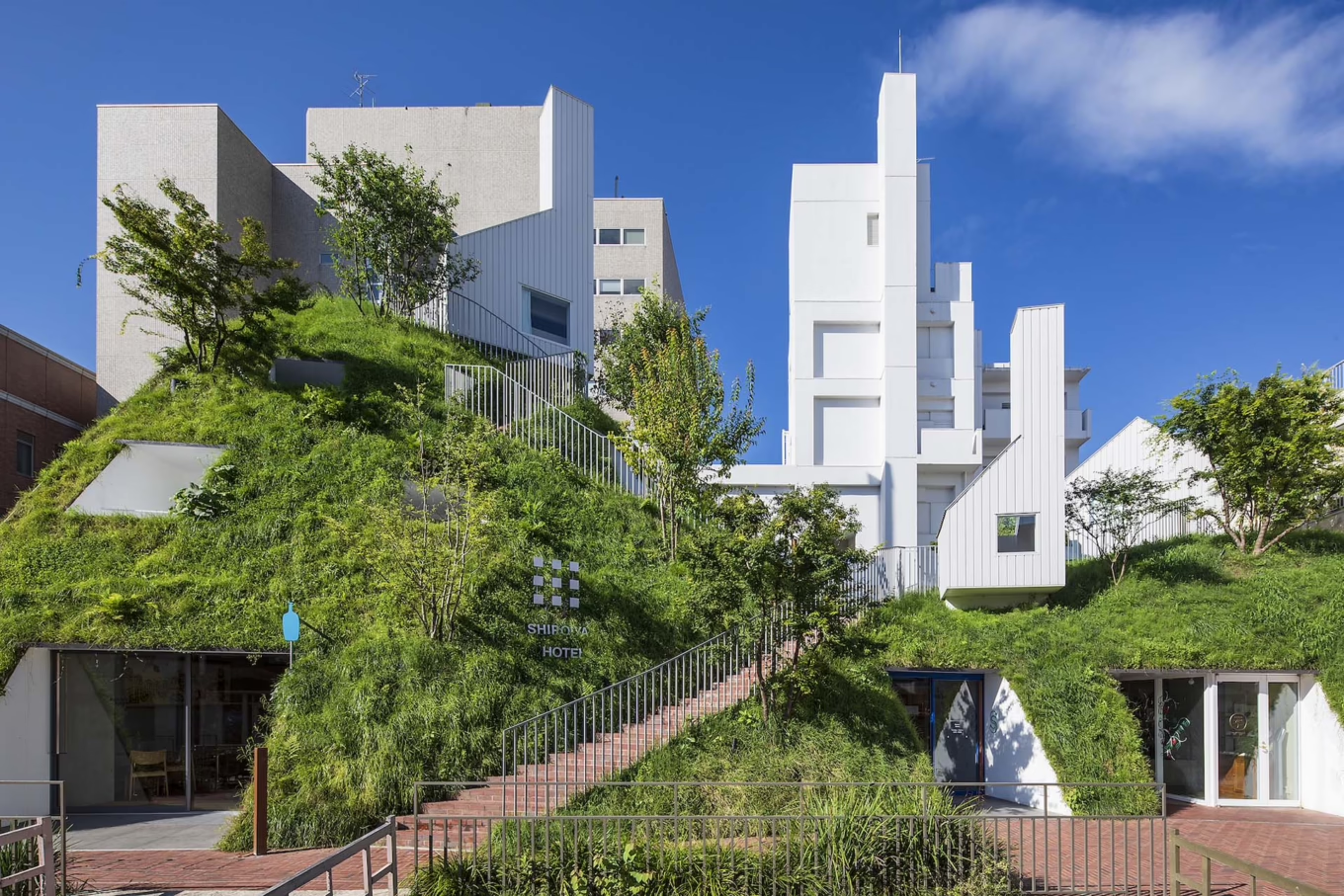
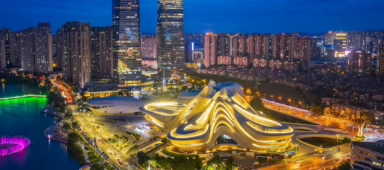
Across the continent, a similar vision is taking shape in Japan. Two hours outside Tokyo, the once-sleepy city of Maebashi has become a hub of international art, architecture, design and food. At the centre of it all is the five-year-old Shiroiya Hotel.
The 25-key hotel is a collaborative piece of art, with a backstory that’s the stuff of feel-good cinema. Once an Edo-era ryokan, it was an important social hub for 300 years, welcoming a parade of notable artists, writers, celebrities and generals. In 1978 it became a hotel, but by the time it closed in 2008, much of the city’s downtown core was in significant decline, its high street marked by shuttered storefronts and abandoned buildings.
Shortly after the Great East Japan Earthquake of 2011, a group of concerned citizens – artists and creatives worried that big developers would swoop in and build soulless complexes – reached out to Maebashi native and JINS eyewear founder Hitoshi Tanaka.
Initially skeptical – he was a retail entrepreneur, not a hotelier – Tanaka bought the property in 2014 anyway. When no hotel operators would come on board, he decided to do it himself as a personally funded passion project, calling on a vast network of people whose work he admired.
He enlisted architect Sou Fujimoto, known for striking designs including Expo 2025 Osaka’s spectacular Grand Ring, who renovated the original Heritage Tower and built a new eight-room tower alongside it.
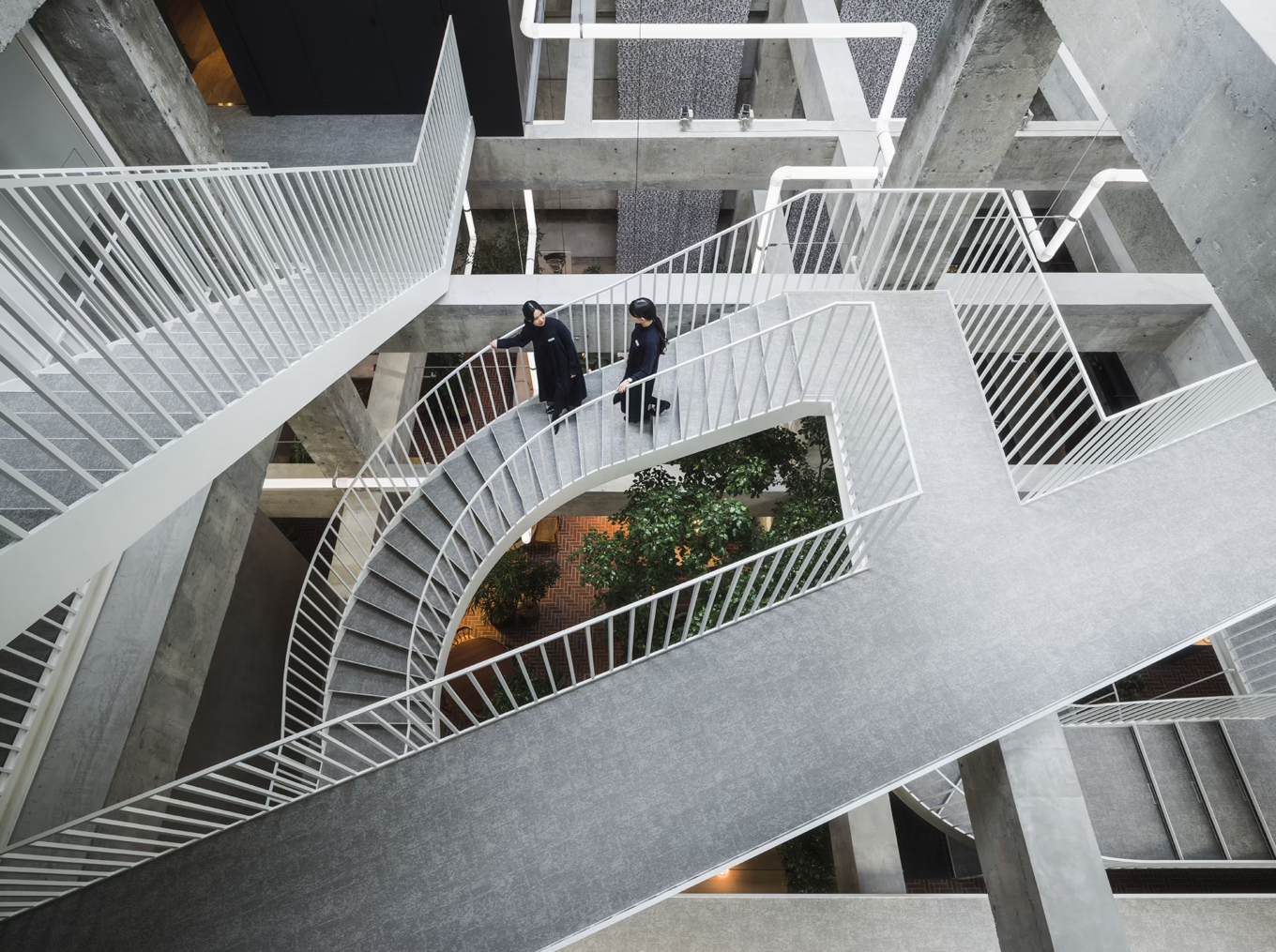
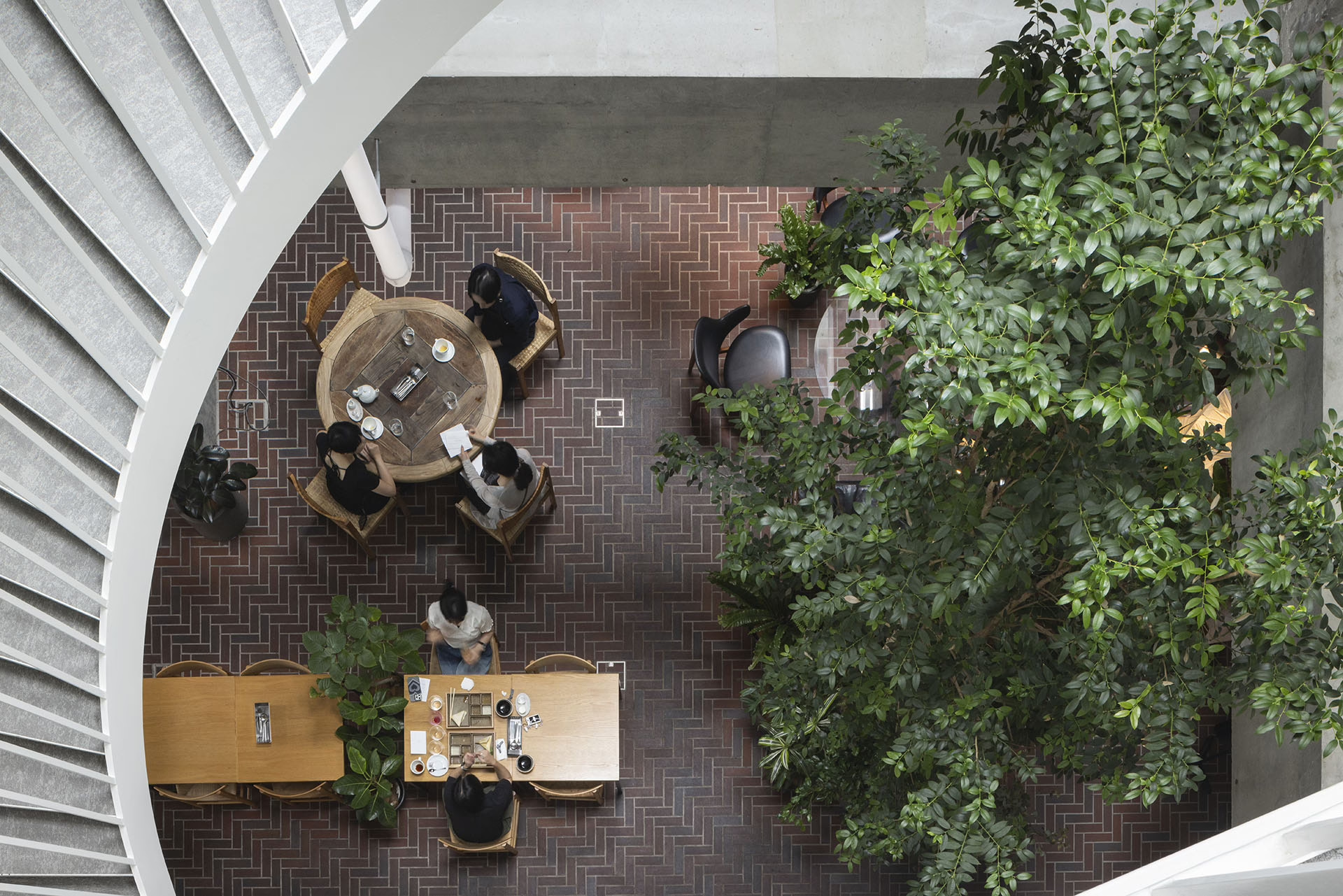
“It was that sunlight coming through the rawly exposed beams and pillars of the four-storey atrium that first inspired me,” says Fujimoto on the Shiroiya website. Later, the finished look surprised him. “Adding plants and furniture transformed the space into something much more profound. We built bridges and stairs to make it feel like walking around the city in three dimensions. It’s both an interior and an architectural space, but it looks more like an urban square than just an atrium.”
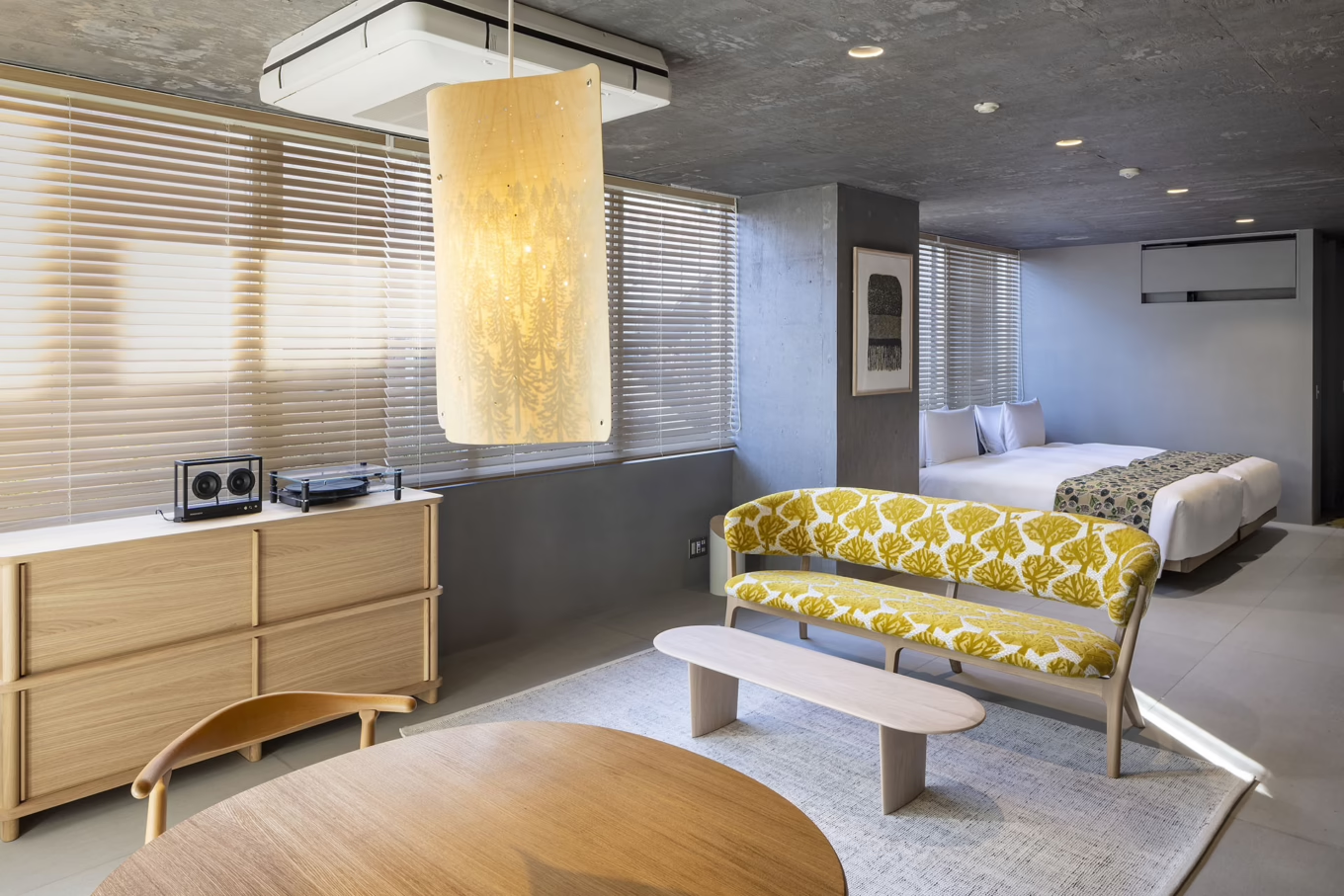
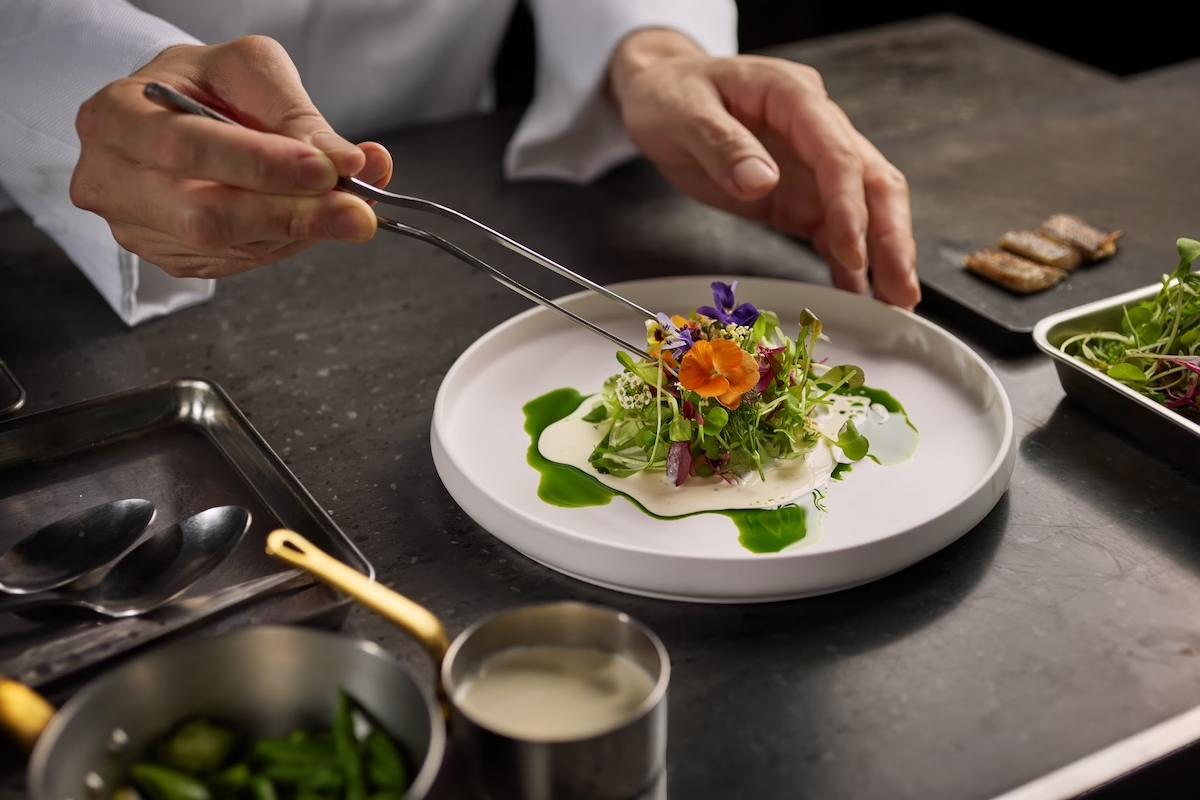
The sense of happy discovery and creative chemistry are characteristic of how Shiroiya was made. A casual visit by Argentinian artist Leandro Erlich, who saw the old building being gutted, led him to create a tone-setting lighting installation in the lobby. Guest rooms have been crafted as collaborations with designers Jasper Morrison and Michele De Lucchi. Shiroiya the Restaurant, helmed by head chef Hiro Kitayama, spotlights produce sourced from Gunma Prefecture and has been listed in the Gault&Millau guide for five consecutive years.
Both hotel and city have become an evolving creative project, attracting even more acclaimed talent – among them architect Keiji Ashizawa, who designed the hotel’s Blue Bottle Coffee outlet, and Yuko Nagayama, behind the JINS Park retail store and community space.
Now, Maebashi is drawing visitors from far and wide. “When we started, a lot of people came for Shiroiya Hotel as a destination,” says general manager Masaki Hiriguchi. “But these past two years, more people come for Maebashi. Apart from galleries and museums, you can find the lexicon of architecture here in the many interesting buildings by famous architects.”
The hotel also organises experiences for guests: visits to a nearby 150-year-old kimono workshop or private curator-guided tours of the Hara Museum ARC 30 minutes away, which houses original vintage Yayoi Kusama.
Although the city has become primarily an art destination, dining is a big part of the appeal. “When you go to bars or restaurants, you get to meet the locals. That’s the interesting part about visiting Maebashi today,” adds Hiriguchi.
From the beginning, the city has been guided by a vision captured in the phrase Mebuku – Japanese for “to sprout” – or, where good things grow. The story of Shiroiya is proof that if you grow it, good will come.