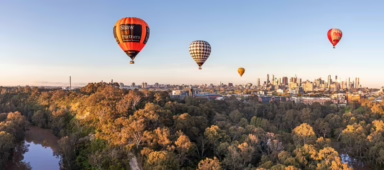

Fukuoka has always looked outward. Now, artists, designers and craftspeople are turning its long history of cultural exchange into a creative identity of its own
Photography Yasuhiro Hagi
Fukuoka sits on the northern shore of Japan’s southern Kyushu island. Its proximity to mainland Asia means that a blend of cultural influences is woven into the fabric of daily life.
Slowly, and thanks to annually held city-wide initiatives like Fukuoka Art Next, Art Fair Asia Fukuoka and the Fukuoka Citizens’ Arts Festival, Fukuoka is also becoming one of Japan’s most exciting creative hubs.
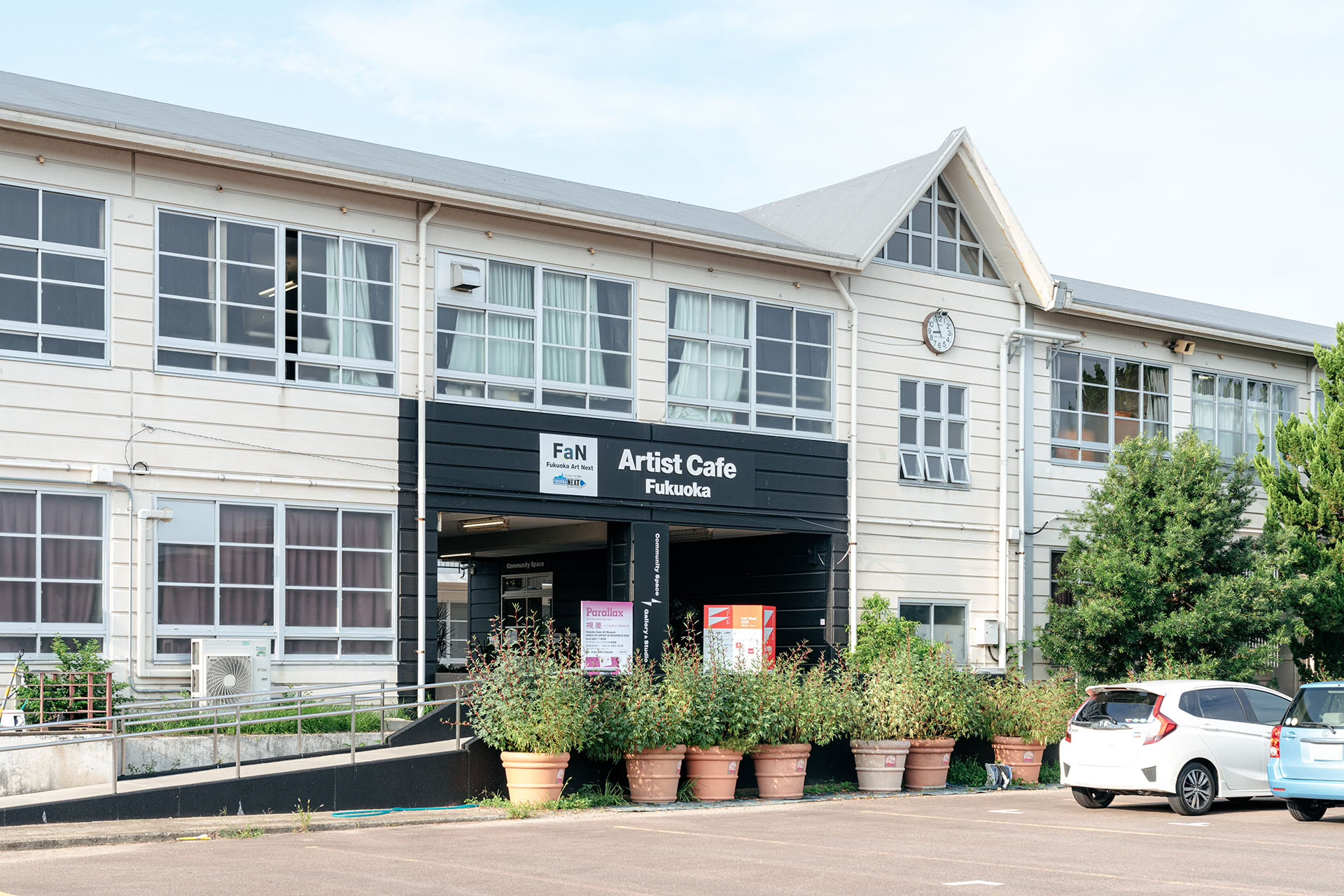
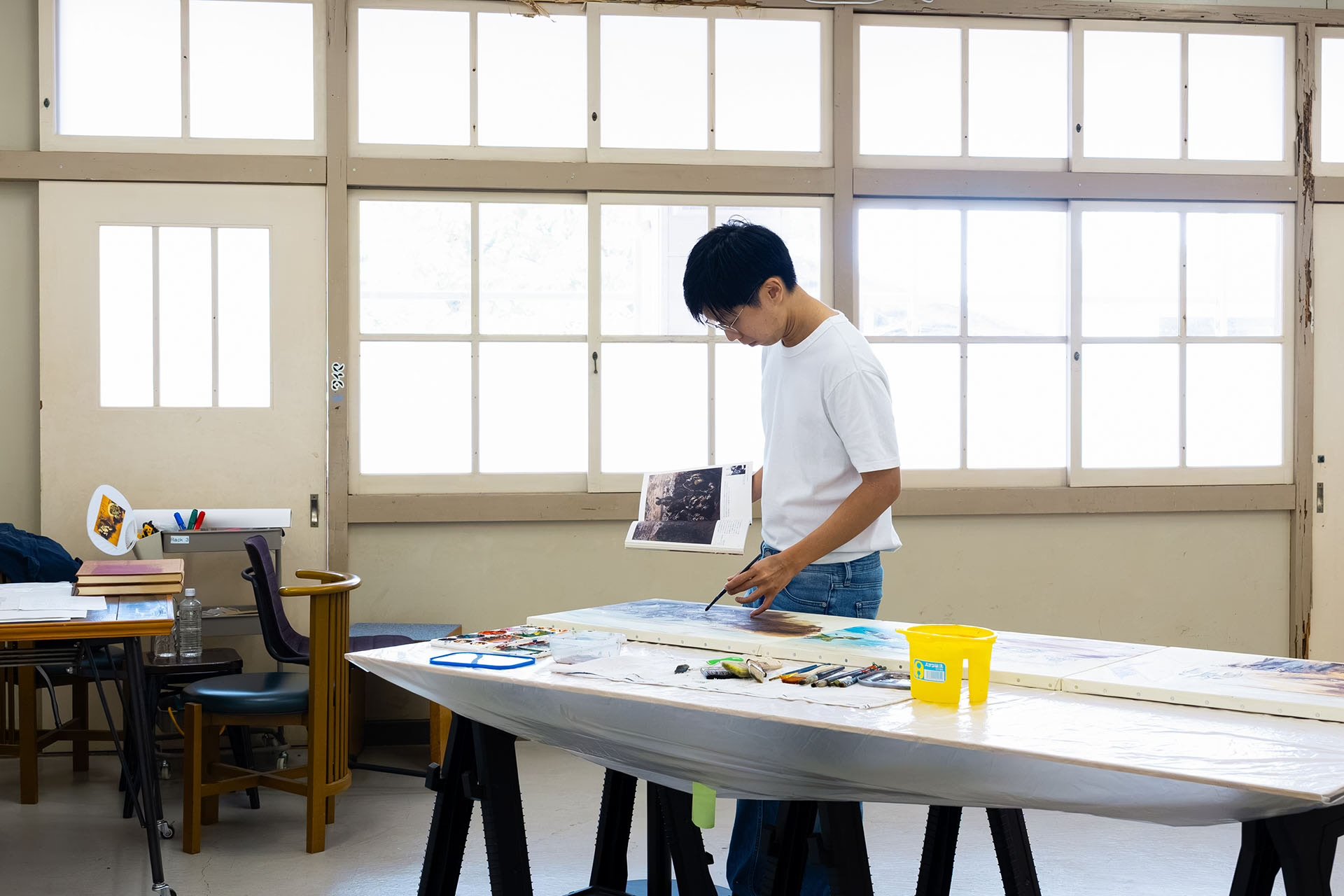
That new identity is on my mind as I head to Artist Cafe Fukuoka, a former junior high school now restored as a community hub, gallery and studio space. I’m here to meet Ian Tee, a Singaporean artist currently in residence through the Fukuoka Asian Art Museum’s Artist in Residence Programme. “Before it was widely known as Fukuoka, it was Hakata, a trade city,” he says. “The historic connections, I suspect, are why the Fukuoka Asian Art Museum is here.”
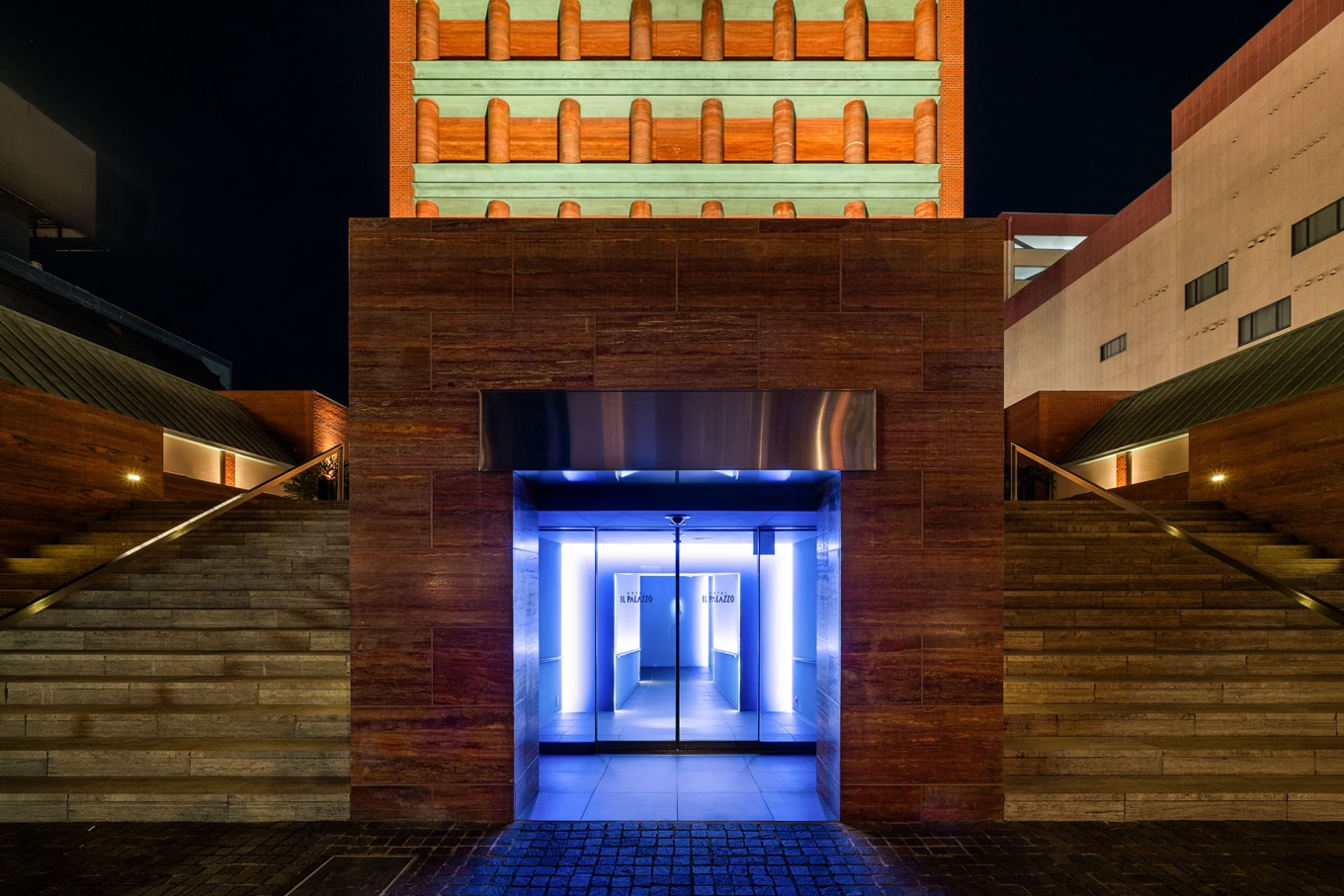
Over the next few days, Fukuoka’s roots as a trade city come up often – not only through the exchange of goods, but of ideas. This history of cultural exchange comes into sharp focus when I check into Il Palazzo Fukuoka. Its East-meets-West design, created by Italian architect Aldo Rossi and Japanese designer Shigeru Uchida, was hailed as Japan’s first design hotel at its 1989 opening. In front of the red travertine and verdigris-green façade, I watch the sliding glass doors open to reveal a shocking electric-blue entrance adorned with a single rose. It is an obvious, almost audacious, nod to Japan’s “Bubble-era” style.
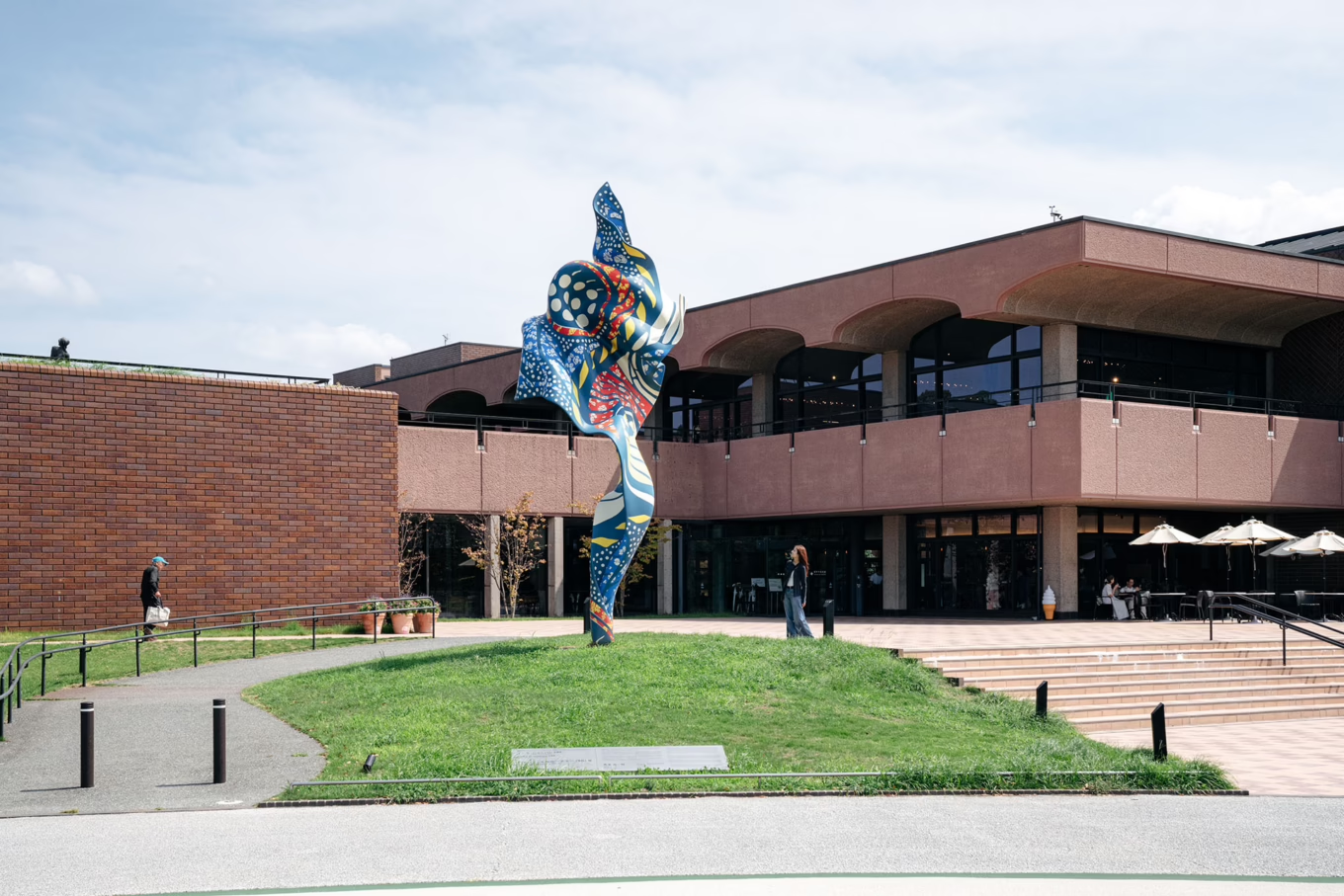
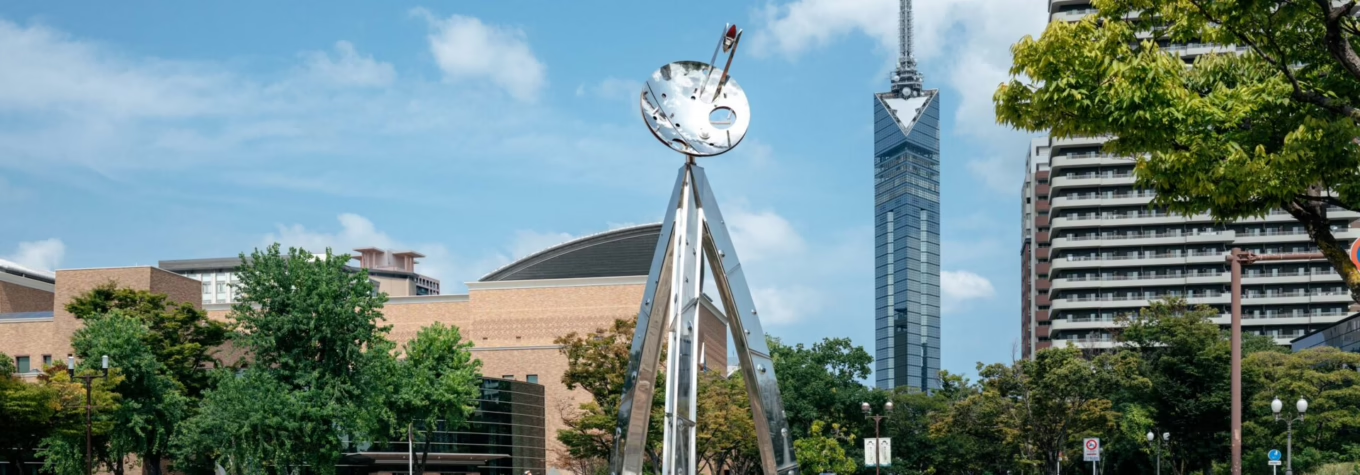
I leave the hotel bound for Ohori Park, where couples and young families pedal swan boats across the pond. A tree-lined path leads to the sprawling red-brick Fukuoka Art Museum. Yinka Shonibare’s 7m-tall Wind Sculpture towers over me at the entrance. Once inside, my breath catches at the new exhibition by Fukuoka-based artist Terue Yamauchi. “The Shore of Living and Dying” immerses me in the sounds of waves and a woman’s slow inhale and exhale as I take in Yamauchi’s work, created during her time with Japan’s ama, or “sea women”. Through photographs and stories, she beautifully captures the freedivers’ otherworldly connection to the water.
A focus on Asian art
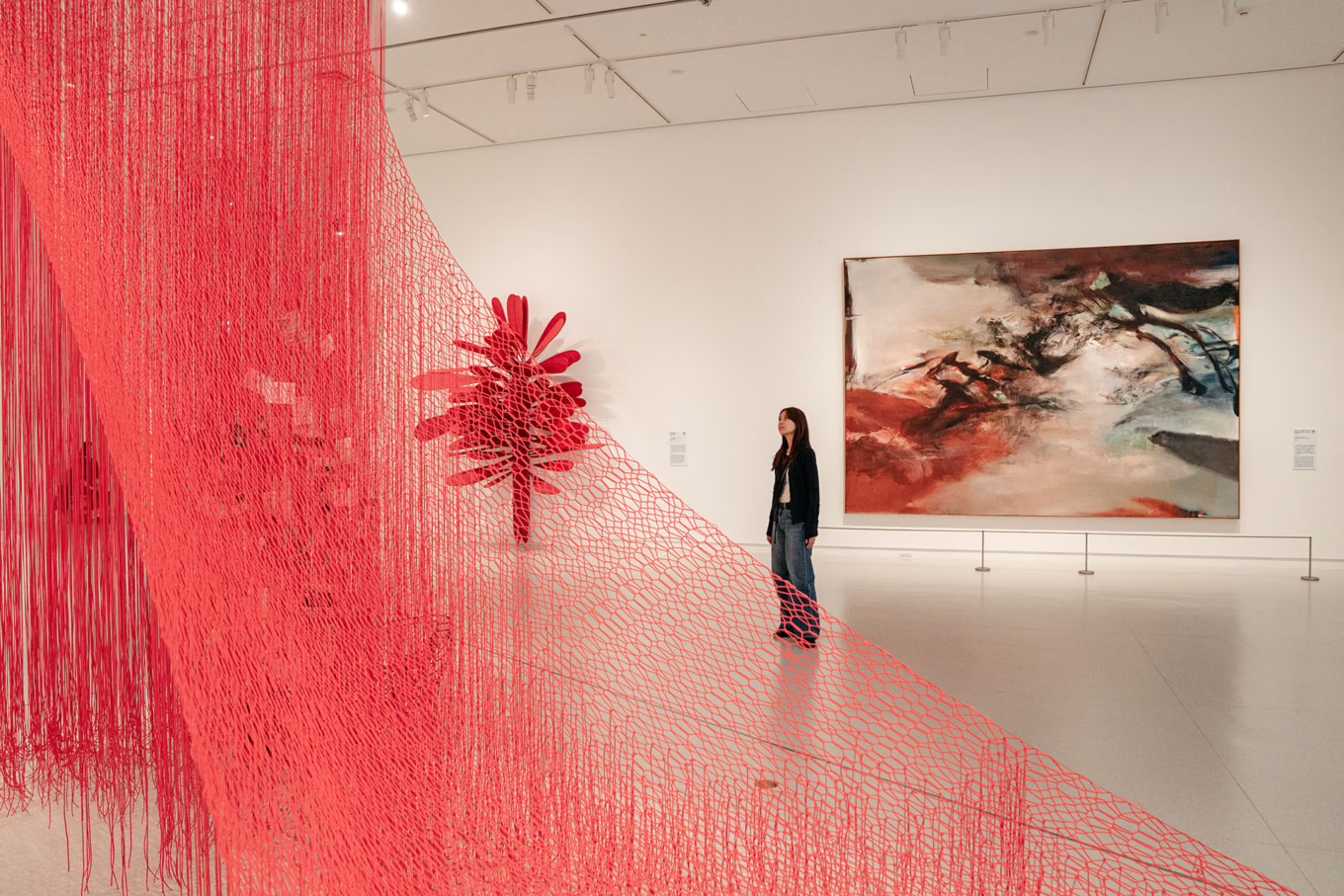
Back across the confluence of the Naka and Hakata Rivers, I find the Fukuoka Asian Art Museum, the world’s only museum dedicated exclusively to modern and contemporary Asian art. “Our museum is smaller than those in Tokyo or Yokohama, but they are not focused only on Asian art,” says chief curator Yuko Yamaki. The museum’s reputation has spread well beyond Fukuoka, with up to 900 applications for its artist residency this year.
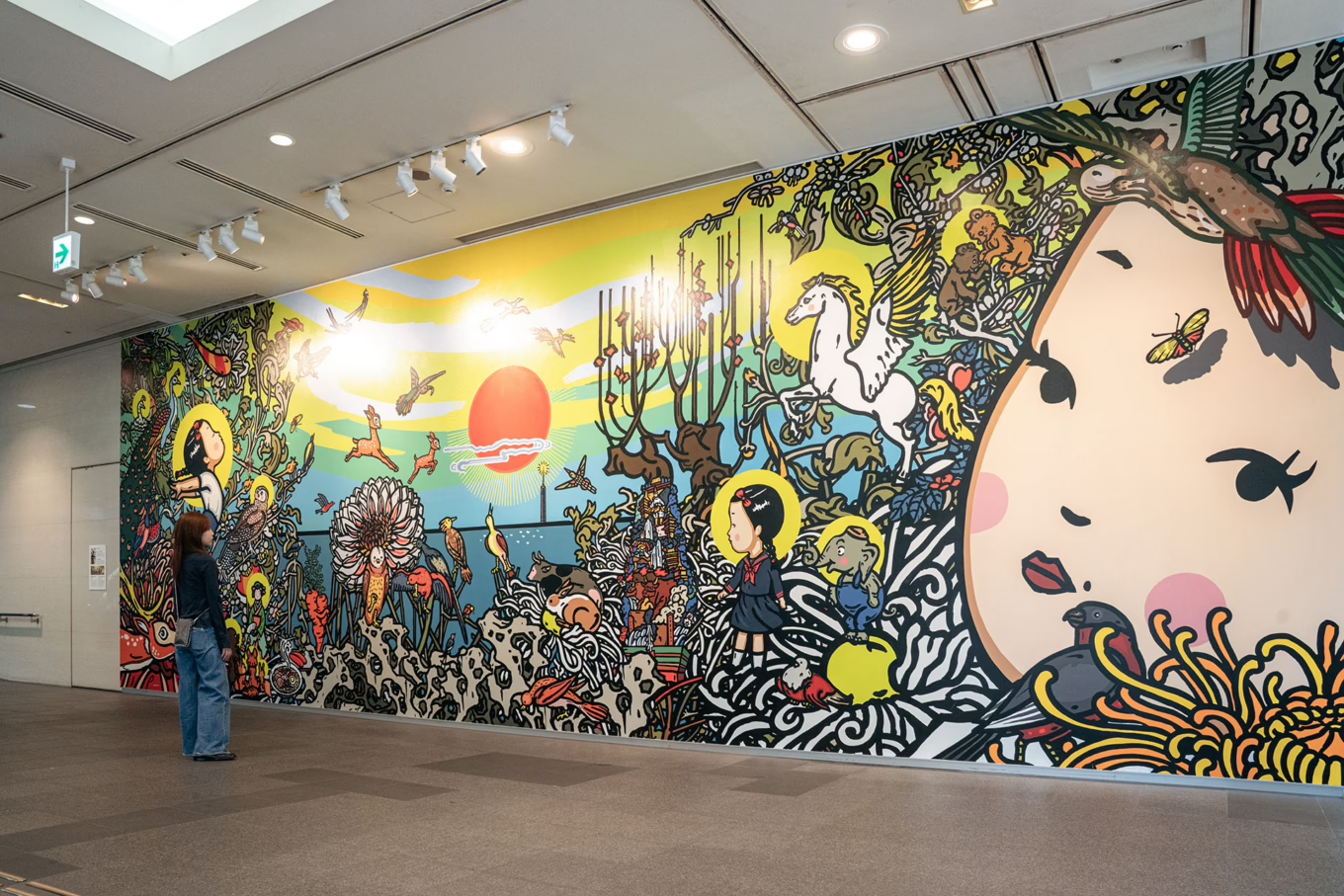
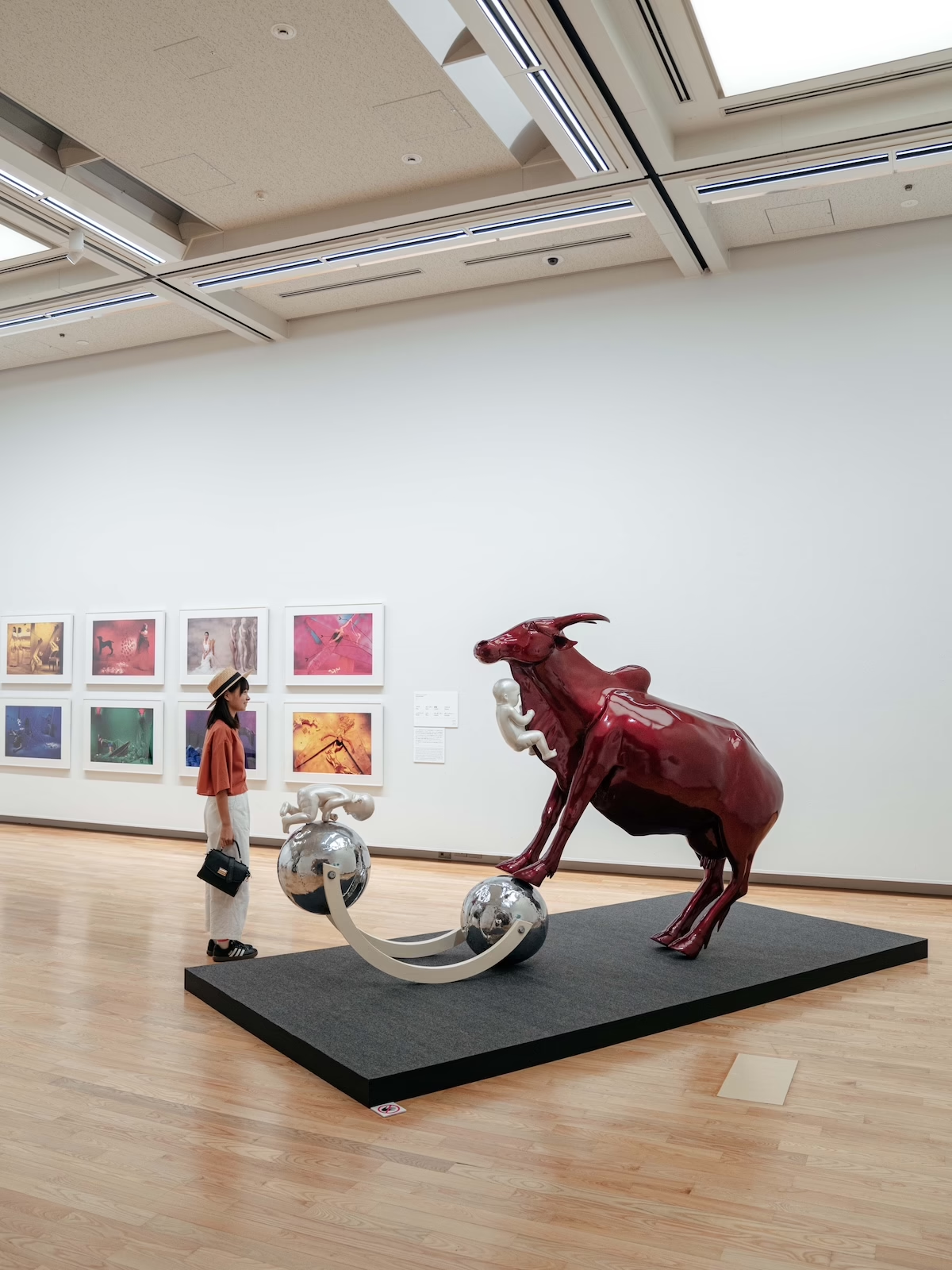
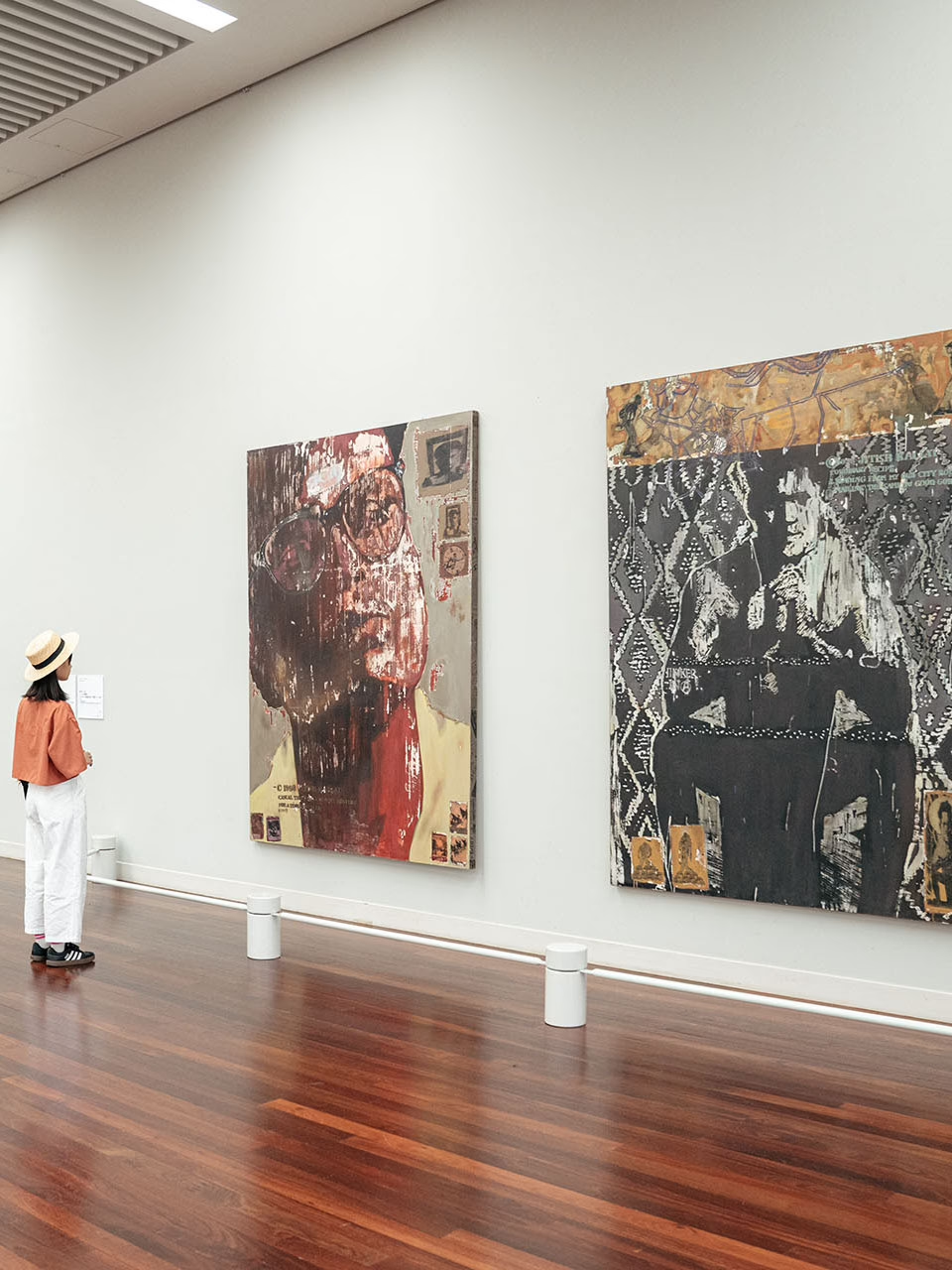
Next to the museum’s gift shop, I step into a light-filled café, where visitors sip Indonesian kopi luwak, Chinese flowering tea and local juices beside bookcases stocked with 10,000 books and magazines on Asian art and culture. When I ask Yamaki where she goes for inspiration on a day off, she smiles. “Tochoji Temple.” The shady grounds of the region’s oldest Shingon Buddhist temple offer a serene resting place – a balm for whirring creative minds, it seems – in the heart of old Hakata.
The next day, I decide to visit Tochoji Temple myself. I pause in the courtyard to peer up at a gleaming red five-storey pagoda built only 15 years ago. Japanese monk Kobo Daishi founded the main temple in 806 after his studies in China. Inside, I savour the rich aroma of hinoki cypress. As I watch fat white candles flicker along the walls surrounding a 30-tonne wooden seated Buddha, I realise that even here, the old and the new – and Japan and continental Asia, too – sit side by side.
Traditional crafts, reimagined
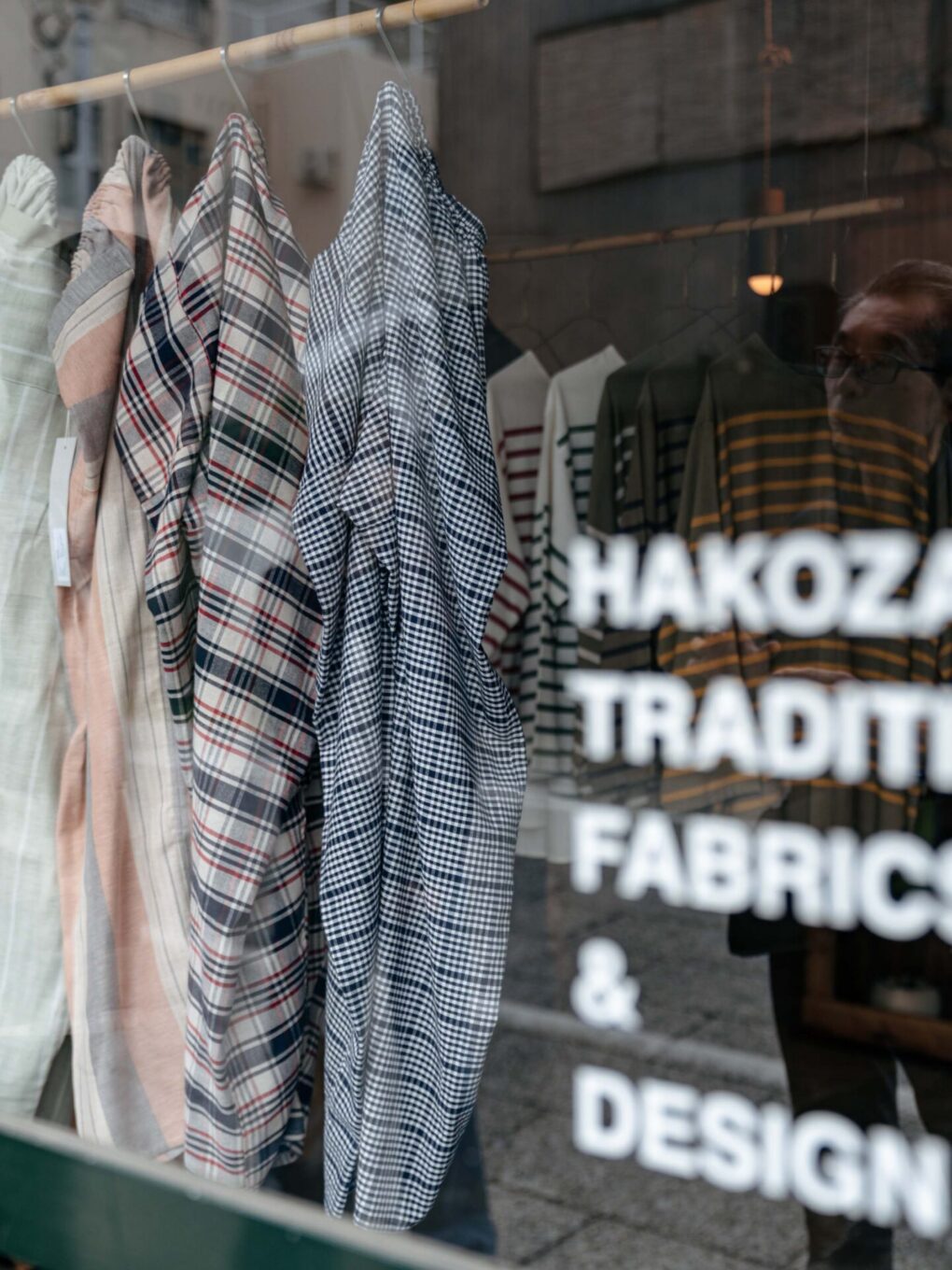
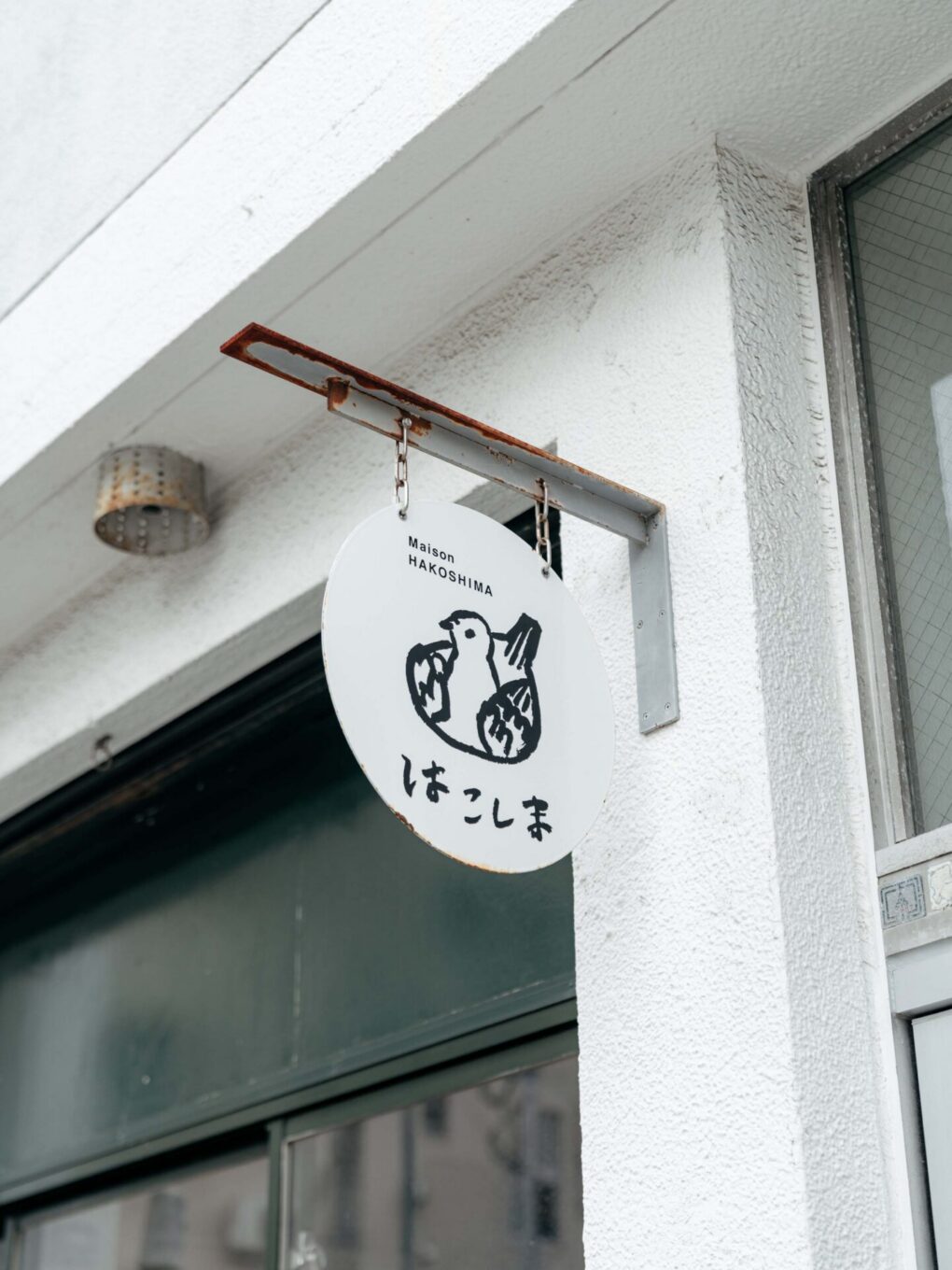
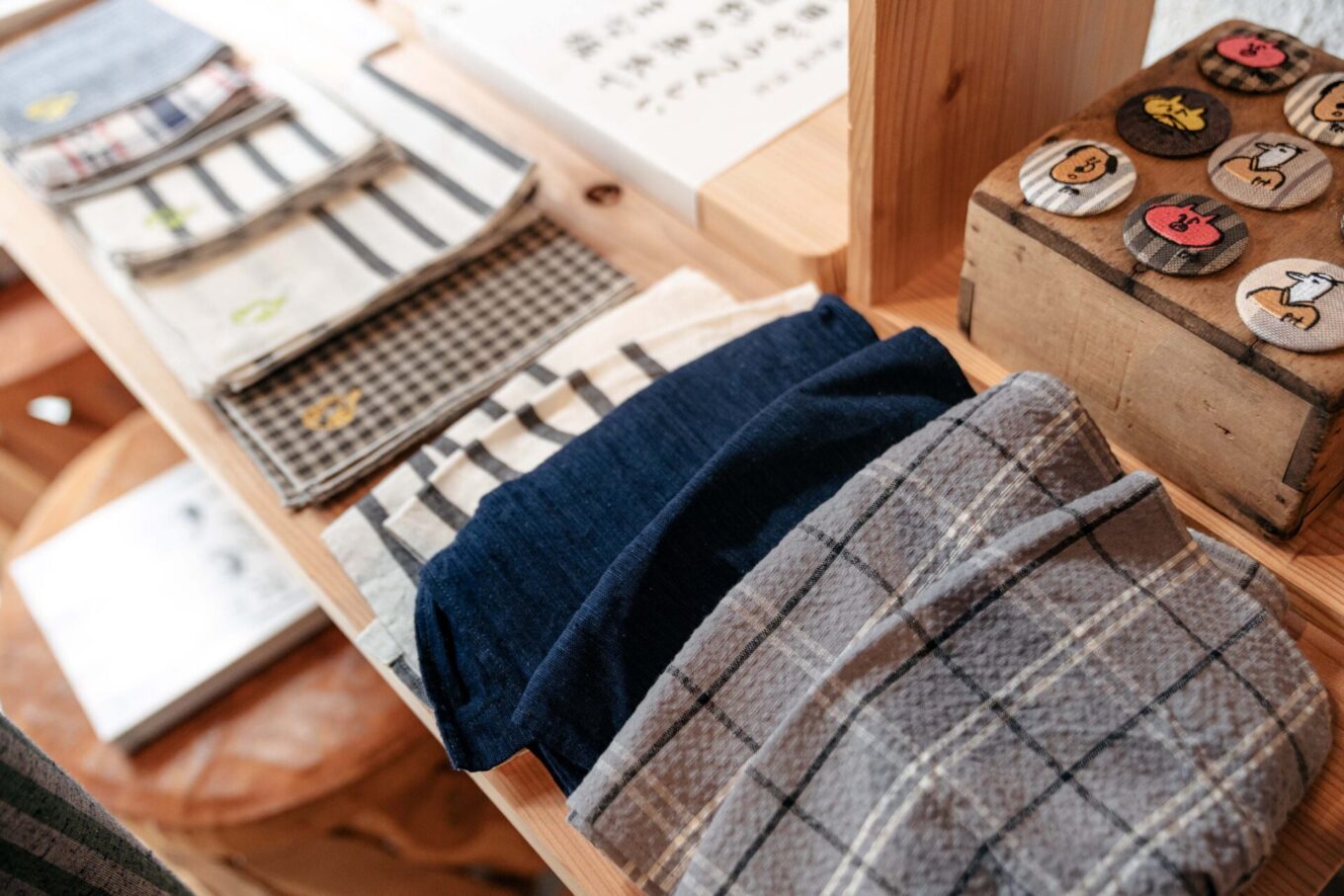
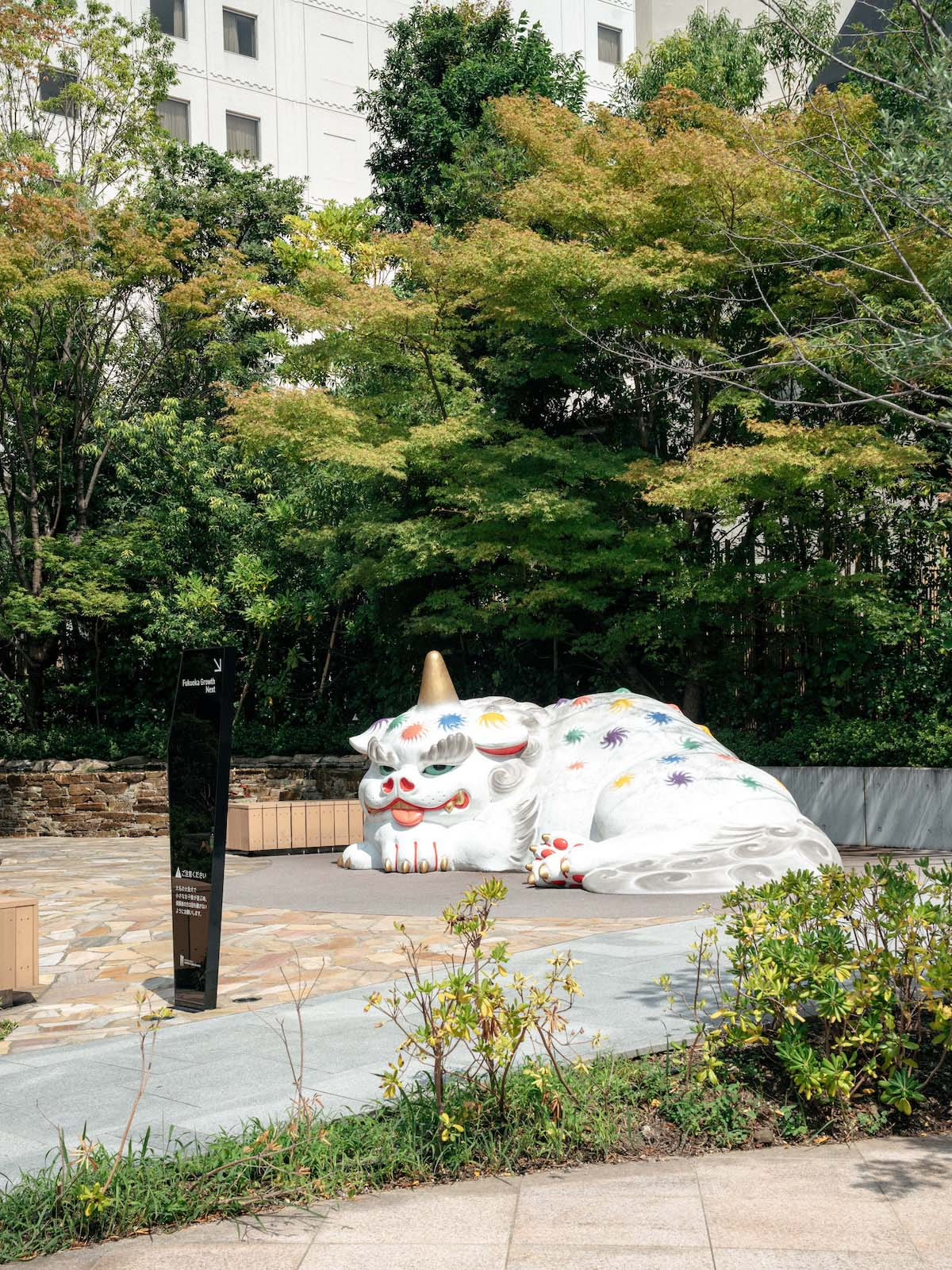
In old Hakata, temples and traditional craft shops coexist with new art, like Kenji Yanobe’s metallic Ship’s Cat sculpture, and modern boutiques. At Maison Hakoshima, a minimalist clothing boutique, the focus is on reviving Hakozaki-shima, a striped textile that virtually disappeared for 70 years. Co-owner and designer Mai Hayashi tells me the cloth is unusual because it is woven from a single, untwined thread. She and her partner, Keisuke Obata, now create Hakozaki-shima clothing for everyday wear.
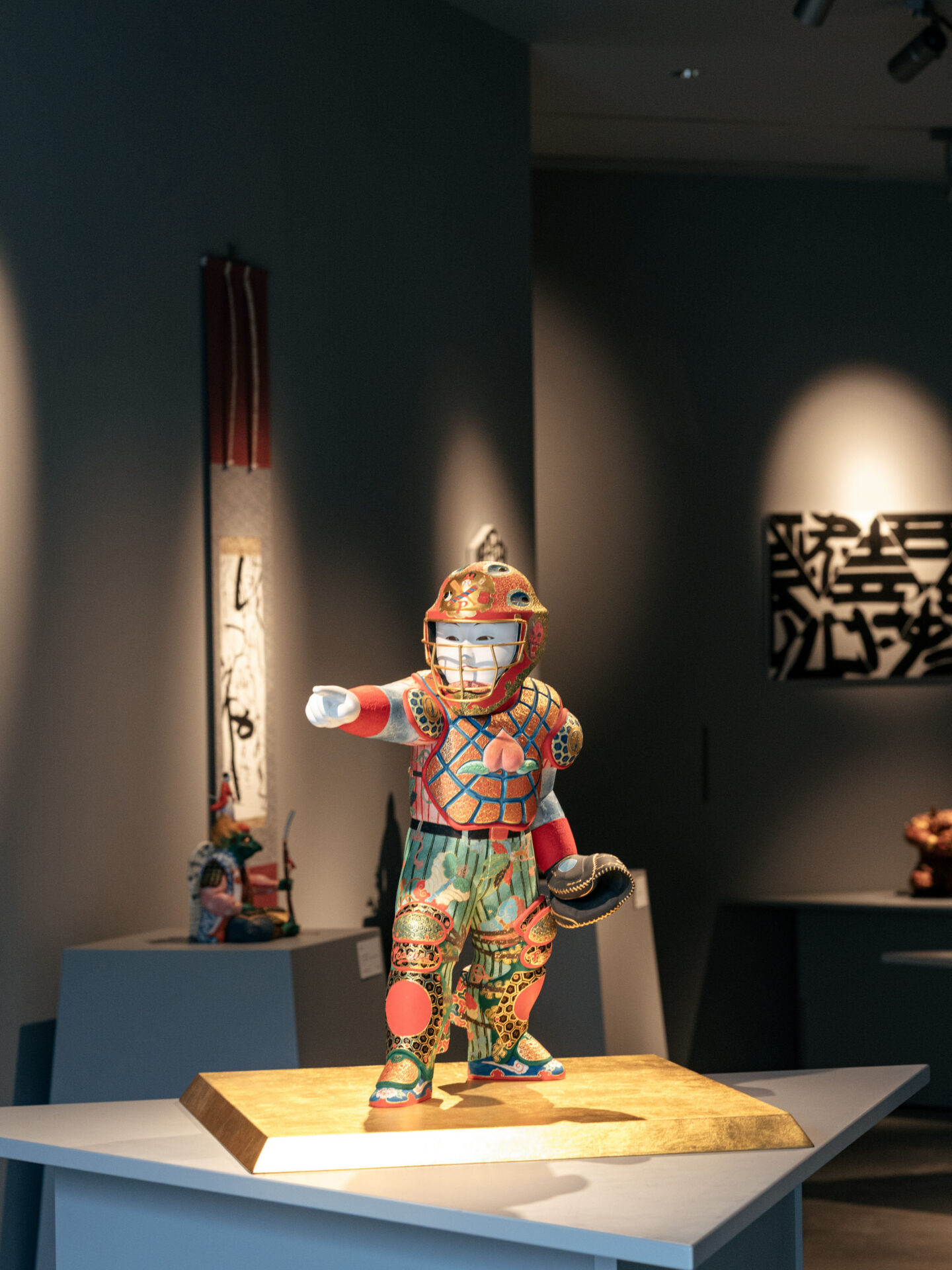
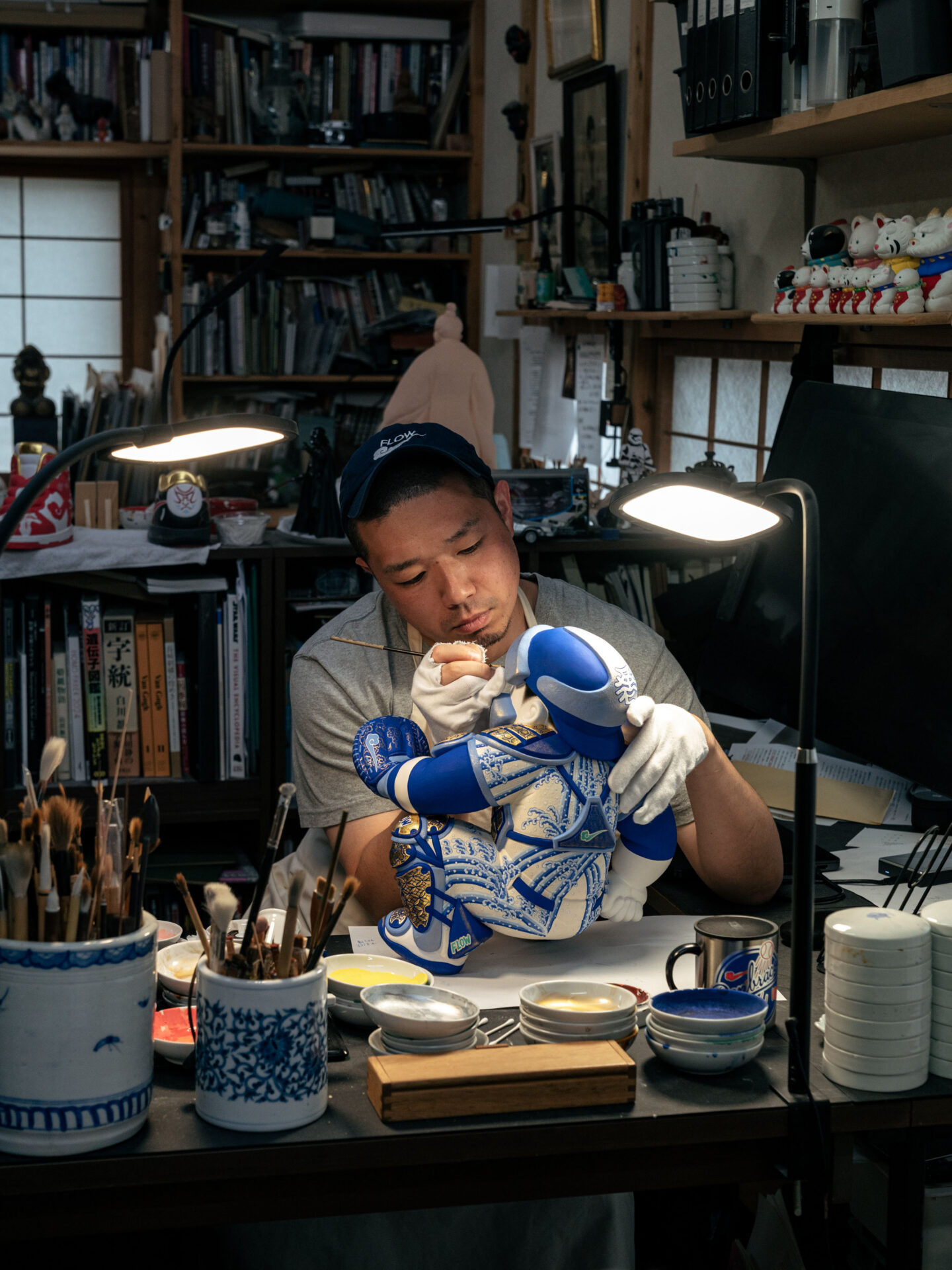
Fourth-generation Hakata dollmaker Hiromine Nakamura is also reimagining a traditional craft. “There are many artists in Fukuoka, but contemporary artists, not so much,” he says as he shows me around Nakamura Ningyo, the family’s Hakata doll-making studio in the residential area of Sakurazaka. “I want to be a bridge between both worlds.”
While a lineup of traditional Hakata dolls might include samurai, geishas and loincloth-clad festival runners, Nakamura’s collection features baseball players, electric guitarists and other pop-culture icons. He sees laid-back, affordable Fukuoka as an apt incubator for artists. “Tokyo? It’s a very speedy, high-pressure city,” he says.
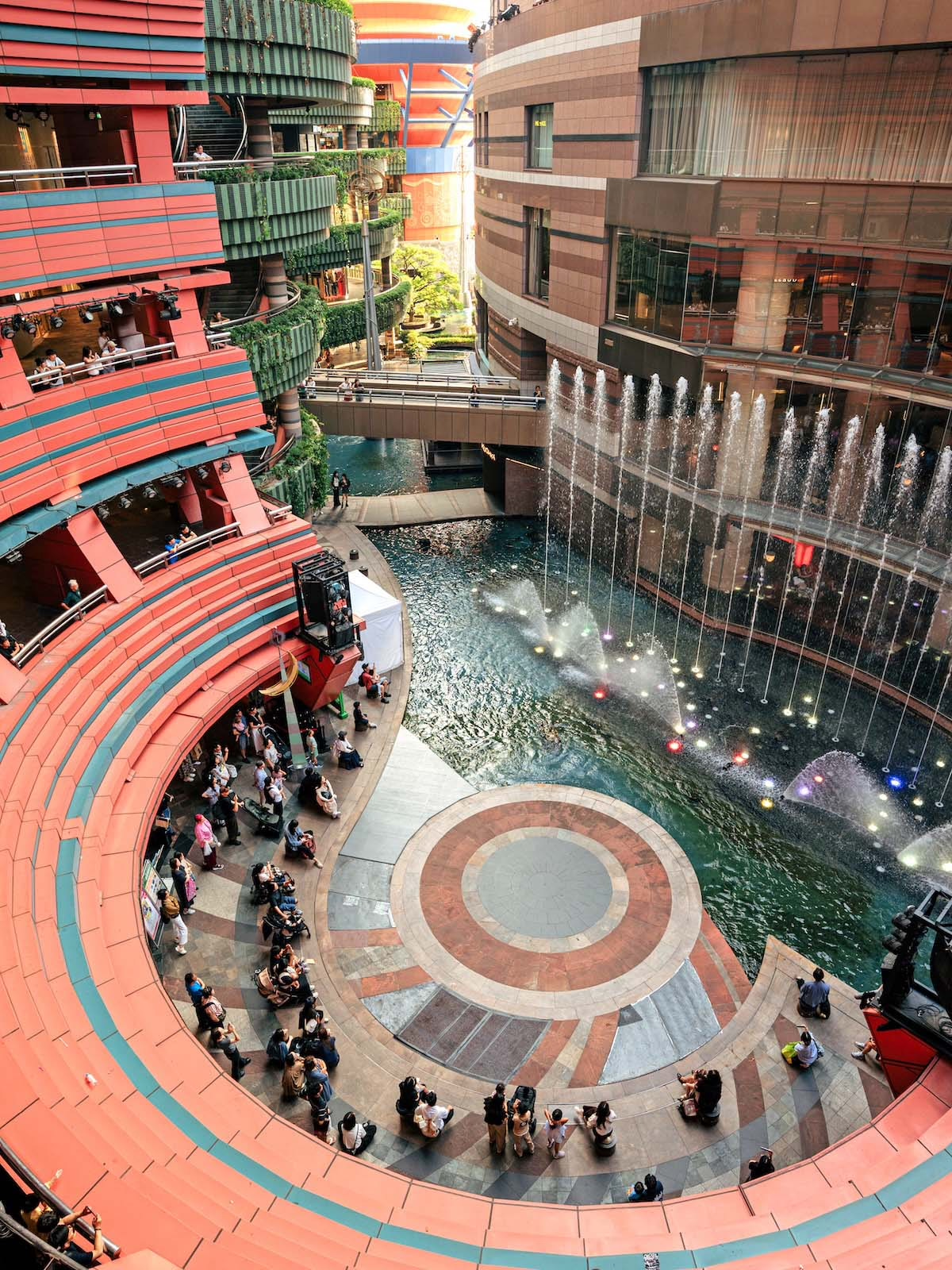
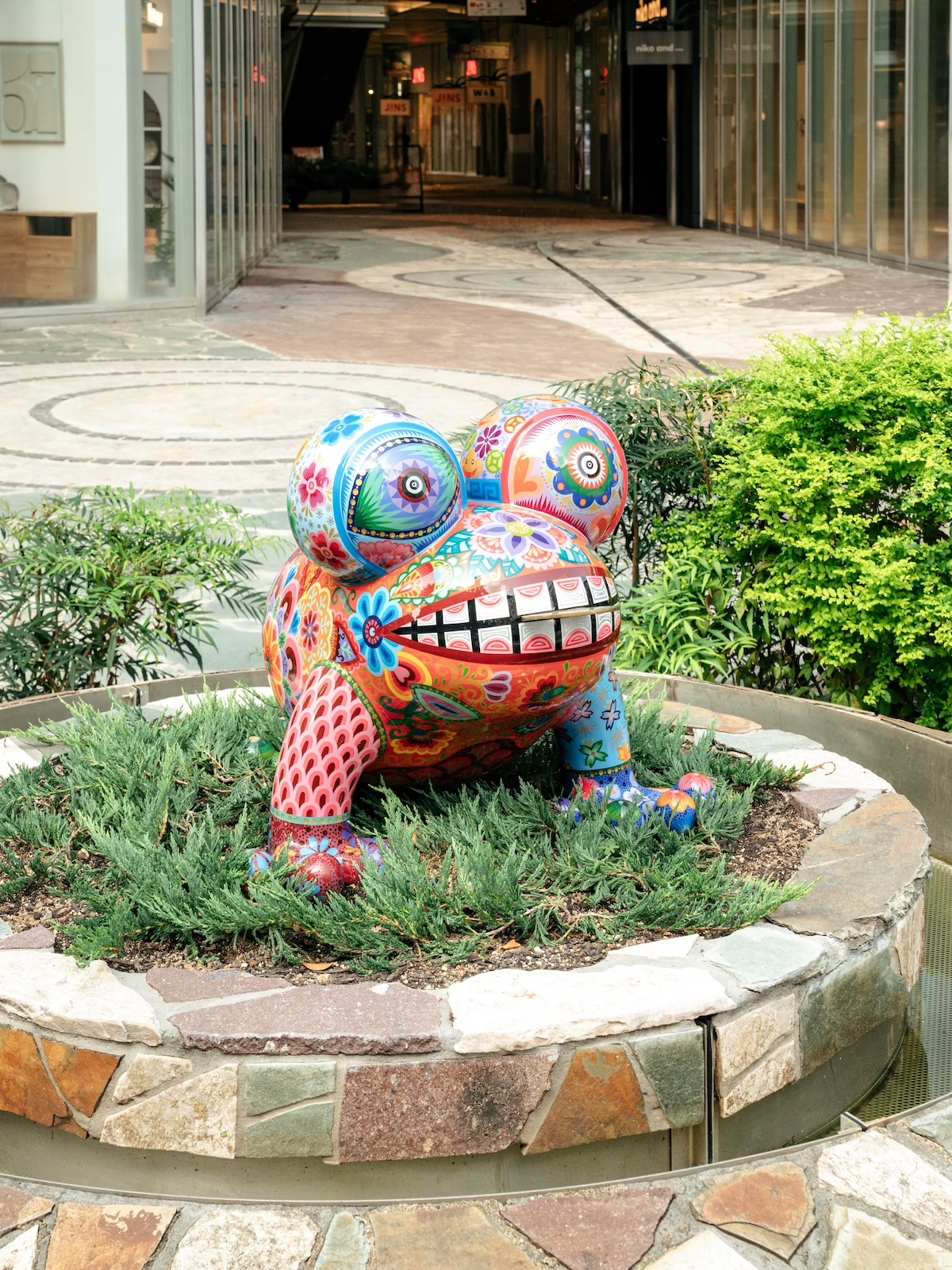
As afternoon fades into evening, I leave old Hakata, strolling past Taiwanese artist Hung Yi’s bug-eyed Lucky Frog sculpture outside Canal City Hakata, a commercial complex where visitors can enjoy a fountain show. My sights are set on Daimyo, a trendy neighbourhood where the towering Daimyo Garden City, a mixed-use skyscraper topped by the Ritz-Carlton, rises above streets lined with vintage clothing shops, record stores and third-wave coffee shops. Korean and Chinese greetings mingle with the buzz of Japanese conversation around me.
Within this gentle hum of activity, I realise that, unlike the Hakozaki-shima textile, no single thread ties together Fukuoka’s creative identity. It has taken a group effort, with the private and public sectors working together, to create the conditions for creatives to flourish. At the forefront are people like Tetsuaki Miura, director of Fukuoka Art Next, a city government initiative. “We are becoming an art city,” he emphasises. “Building a culture takes time.”
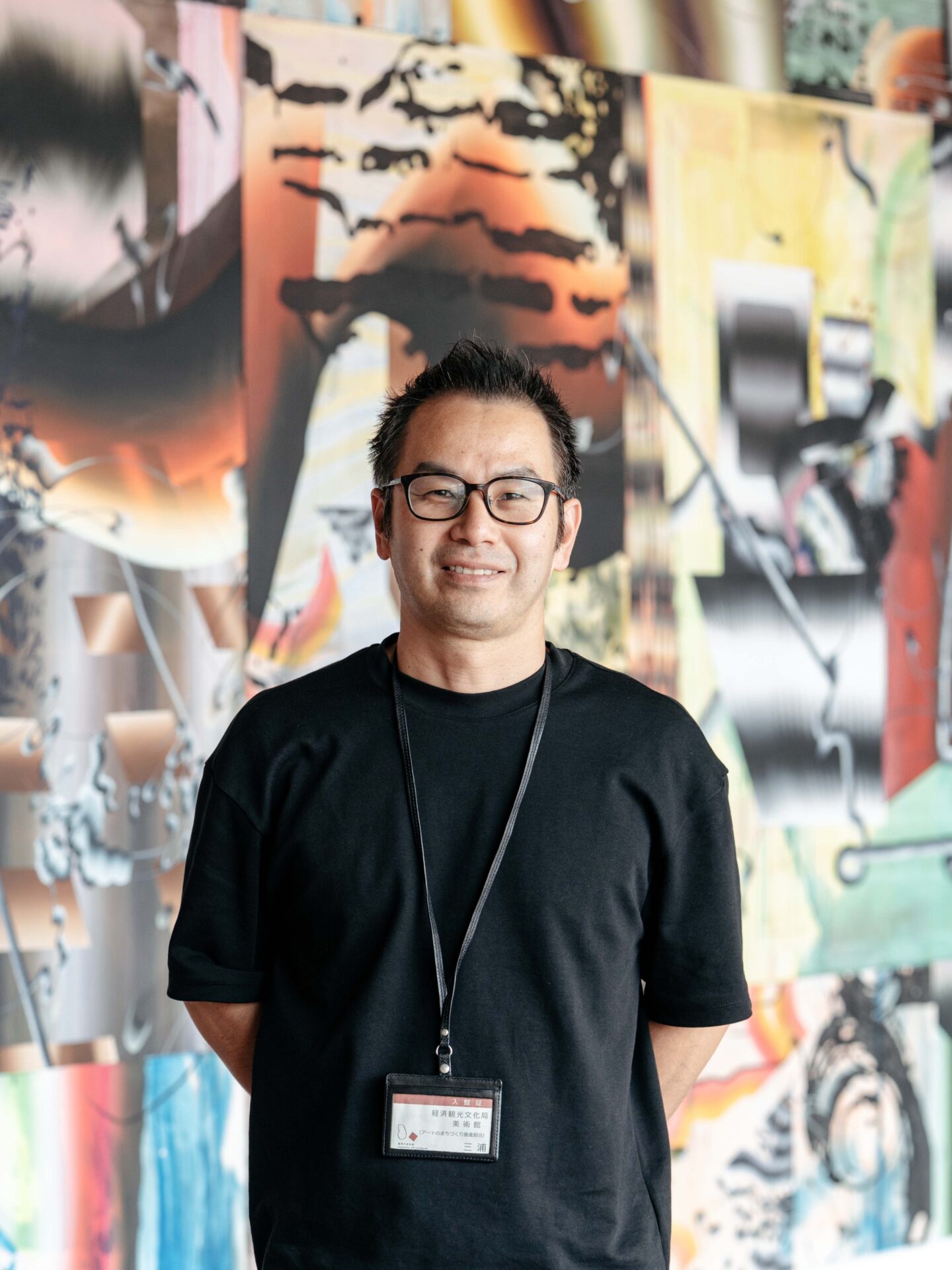
“We are becoming an art city” – Tetsuaki Miura
On my last morning, I wander down a narrow alley towards Manu Coffee. Less than 12 hours earlier, the artsy café was buzzing with a youthful crowd fuelling up on banana shakes and espresso. Now I’m the only customer. The young barista asks about my coffee preferences, then recommends a pour-over of Dark Side of the Moon, the signature roast. I take a seat and watch a disco ball spin languidly overhead. The acid-yellow walls are punctuated with drawings by local artists. What looks to be a Sharpie-drawn girl in fishnet stockings winks at me from the corner.
The room slowly fills: a remote worker sets up her laptop, a mother hushes her baby while waiting for a takeaway order, a man in slouchy streetwear and sunglasses heads up to the counter.
Taking a sip of the deep, chocolatey brew, I wonder if Fukuoka is simply a city with a relaxed enough rhythm and cultural awareness for artists to want to come and stay. Perhaps that’s the appeal: an open-armed city where, unlike in tradition-bound Kyoto or high-octane Tokyo, the creative and the curious can step into a centuries-old confluence of cultures and still leave their own ripple.
Where to stay in Fukuoka City
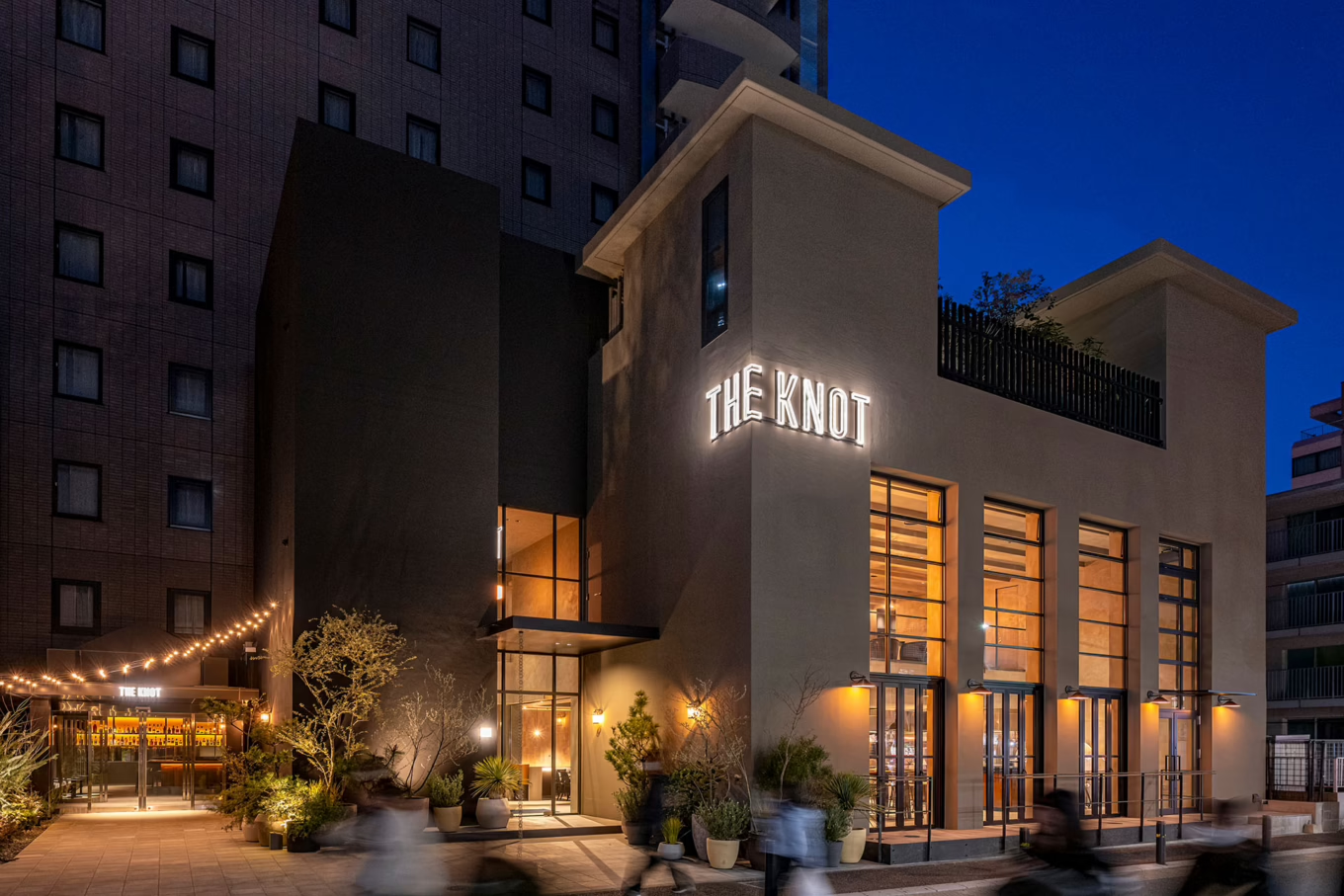
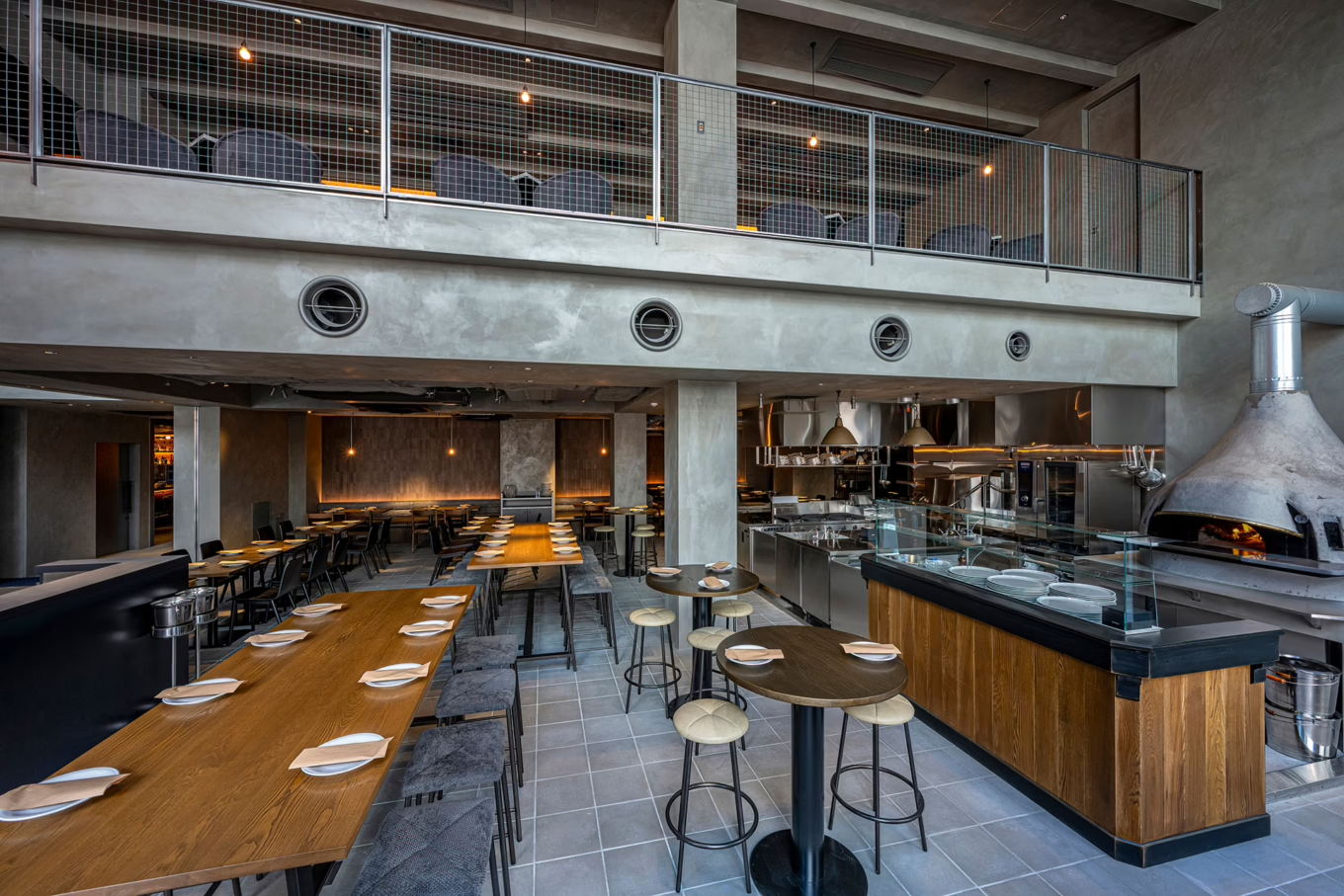
The Knot Fukuoka Tenjin
Tucked between Tenjin and Daimyo, this hotel calls itself “a restaurant where you can stay”. The airy, all-day Morethan serves wood-fired pizzas and tapas made with farm-sourced Kyushu ingredients. Rooms are compact but quiet. hotel-the-knot.jp
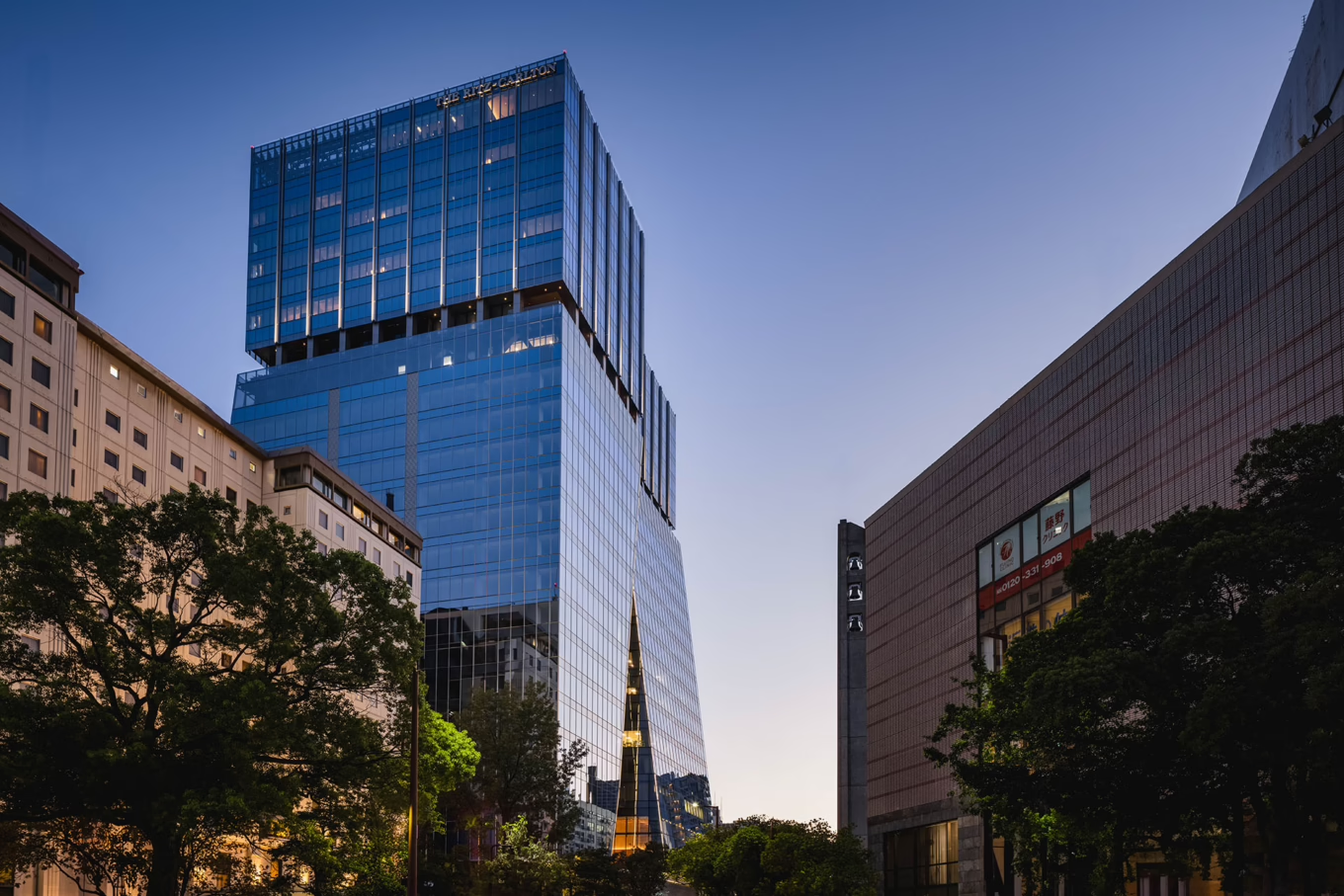
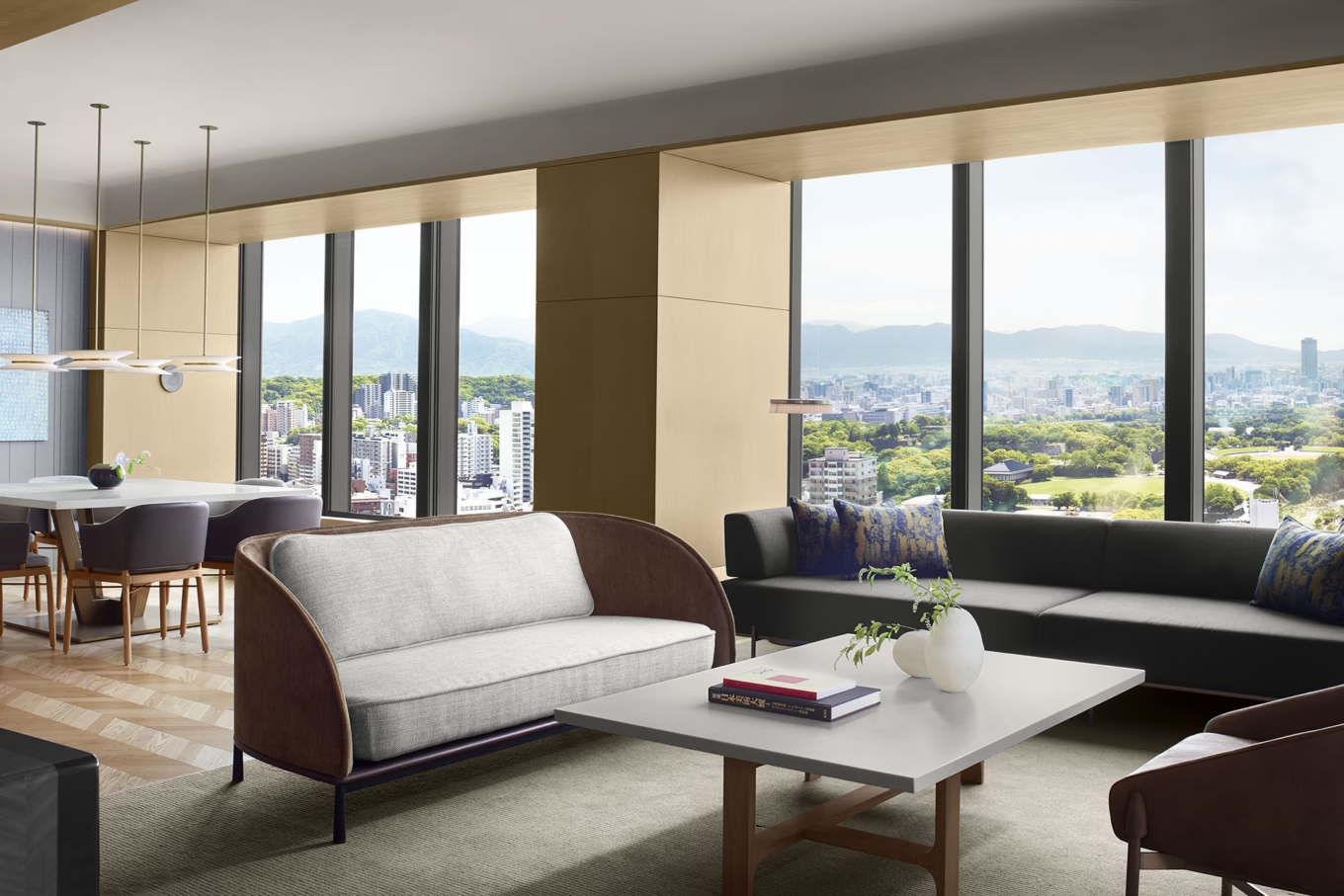
The Ritz-Carlton Fukuoka
Spacious rooms and suites, a rooftop bar serving signature mocktails and cocktails, a 24th-floor pool and sushi fine dining at Genjyu. Guests can also book craft experiences, including a Hakata-ori (silk weaving) workshop. ritzcarlton.com
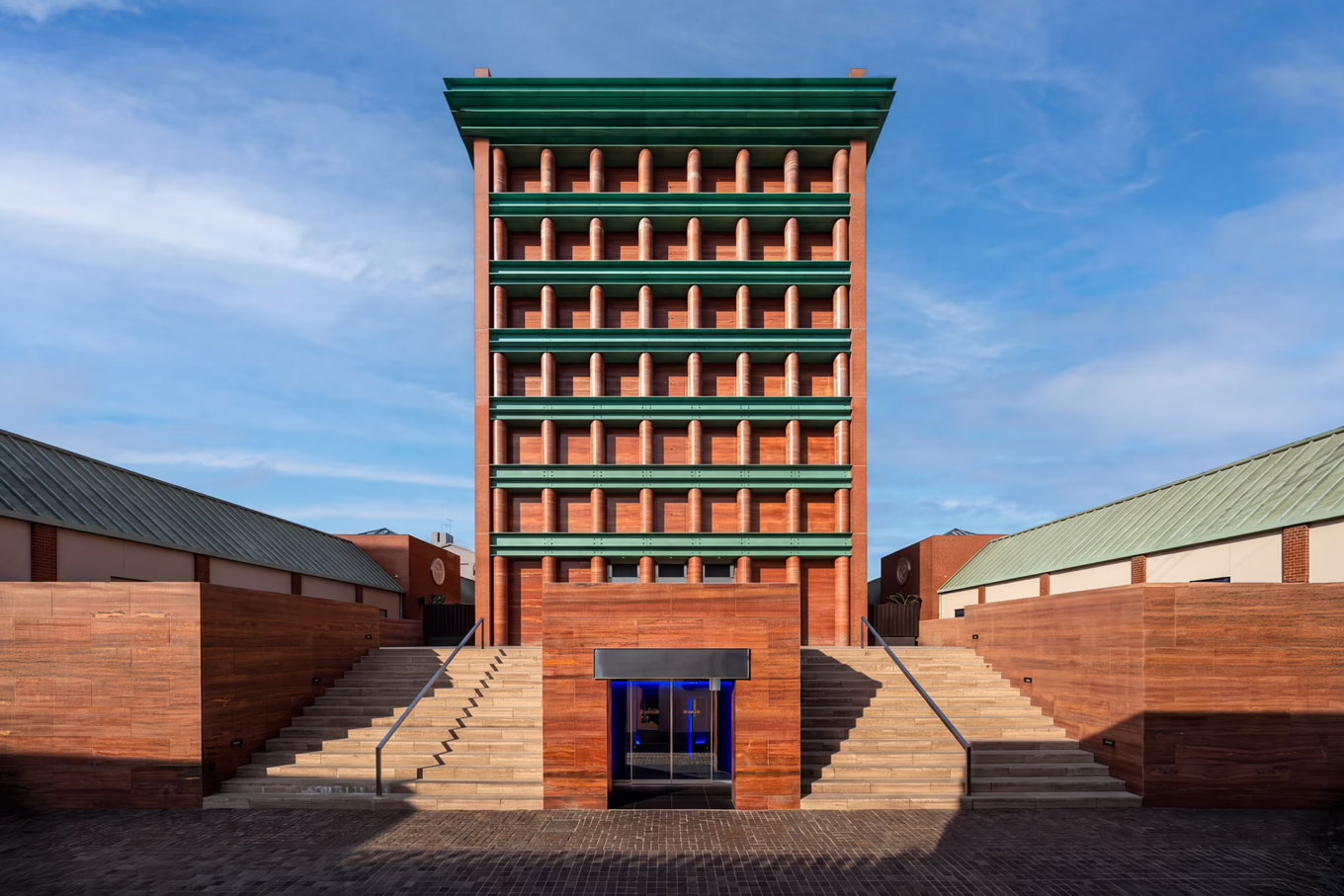
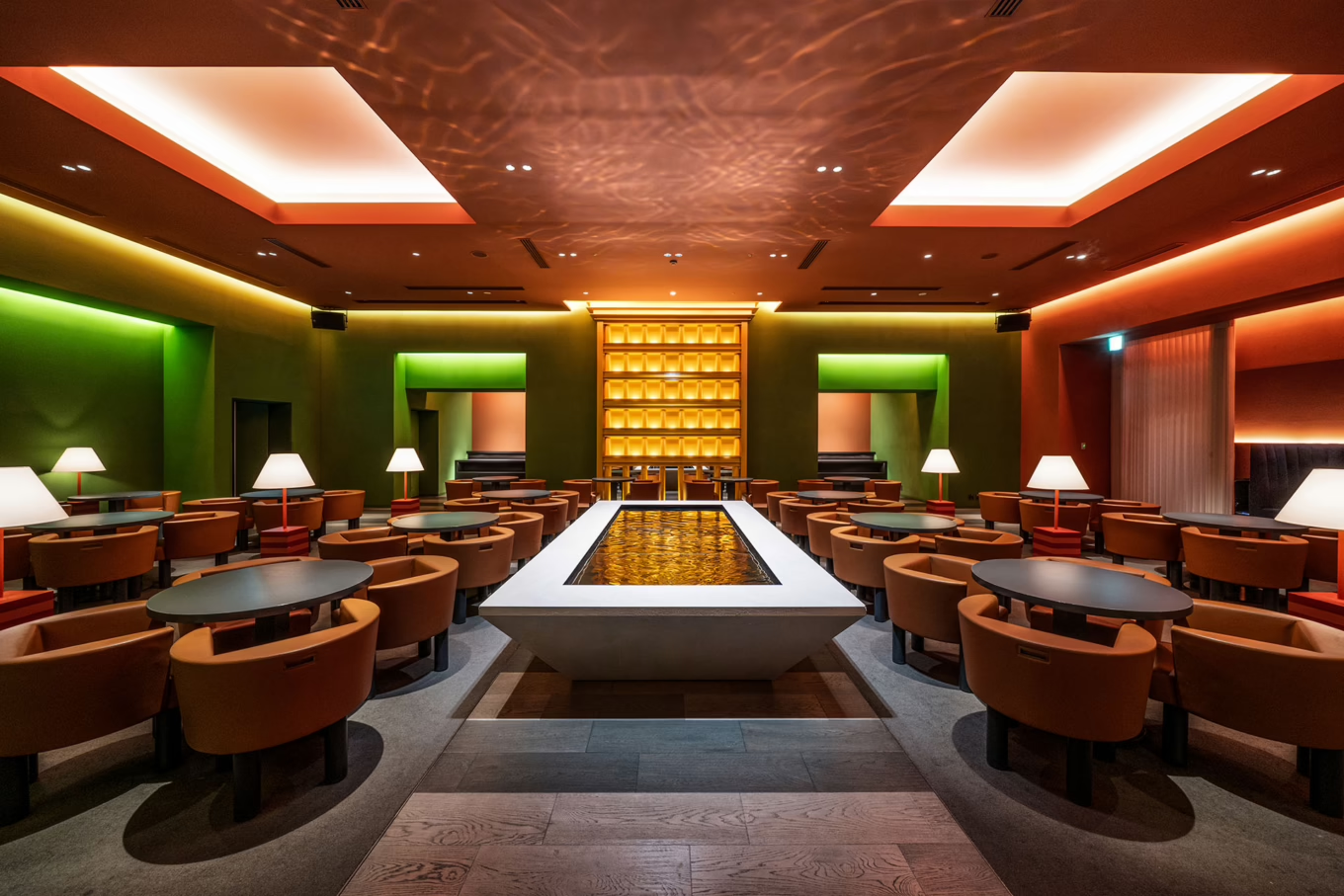
Il Palazzo Fukuoka
Refreshed in 2023, this design hotel makes a bold first impression. In the colourful lounge, guests enjoy a freshly made breakfast spread and afternoon nibbles. The rooms, finished in cream and oak, are cosy, simple and well appointed. ilpalazzo.jp