
Journey through the communities, culture and cuisines of Mumbai to discover how centuries of migration have shaped India’s most vibrant metropolis
It is just before sunrise, and the fish market at Mumbai’s Sassoon Dock is already brimming with activity.
Women in brightly coloured nauvari sarees, draped in the traditional kashta style, move swiftly through the crowds, balancing baskets of white pomfret and silver mackerel on their heads. Auctioneers call out prices over the cries of seagulls as buyers jostle for the morning’s best catch. The air is redolent of fresh fish and alive with the din of a bustling marketplace.
Yet beyond the clamour of the dock and a forest of noisy trawlers lies the quiet, glittering expanse of the Arabian Sea, an indomitable force that has shaped the city’s history for centuries. These waters have carried fishermen, merchants, missionaries, refugees and dreamers, each finding a home on Mumbai’s shores and leaving their imprint on the city’s neighbourhoods, architecture, cuisine and culture.
Standing here, I realise that every corner of Mumbai, formerly Bombay, tells the story of someone who arrived from somewhere else. From the Koli fishermen who first settled in these islands and the Parsis who sought refuge, to the British administrators, the Bohri merchants, and, more recently, artists, entrepreneurs and dreamers from all over the subcontinent, Mumbai has always welcomed people and given them a reason to stay.
To wander through the city today is to peel back centuries of history, one neighbourhood at a time, each revealing a different layer of Mumbai’s endlessly evolving identity.
The oldest Mumbai
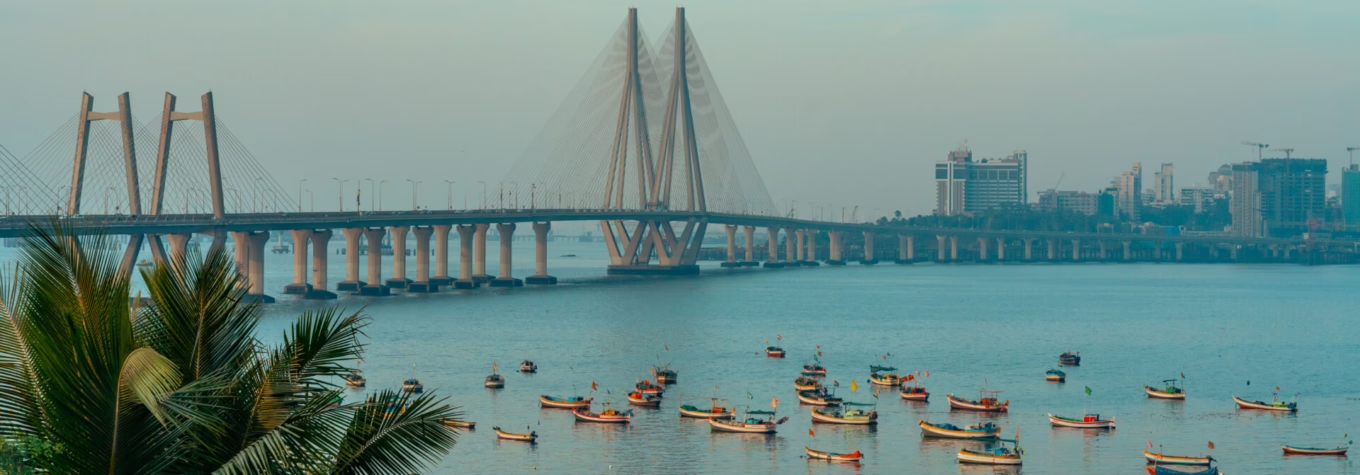
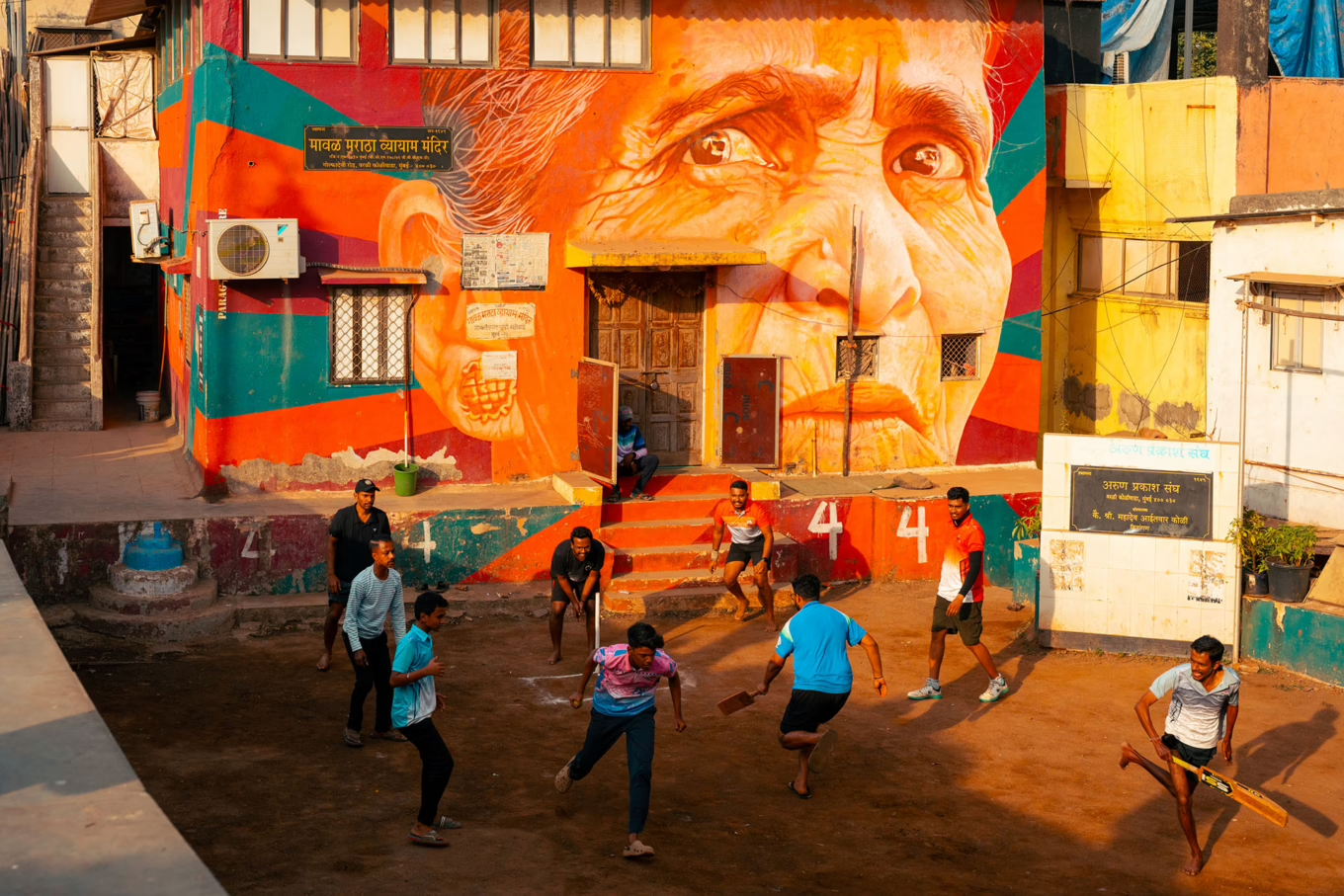
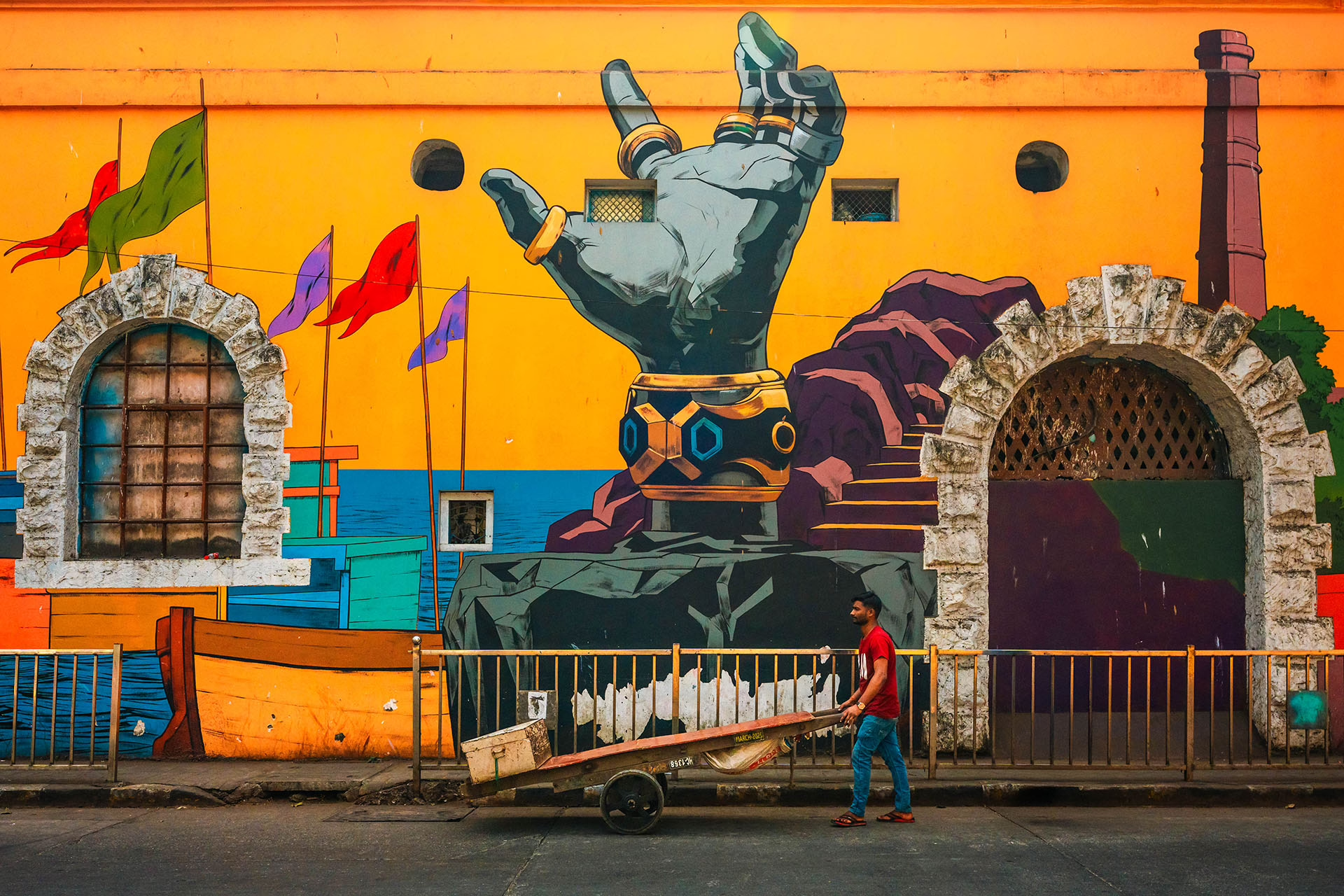
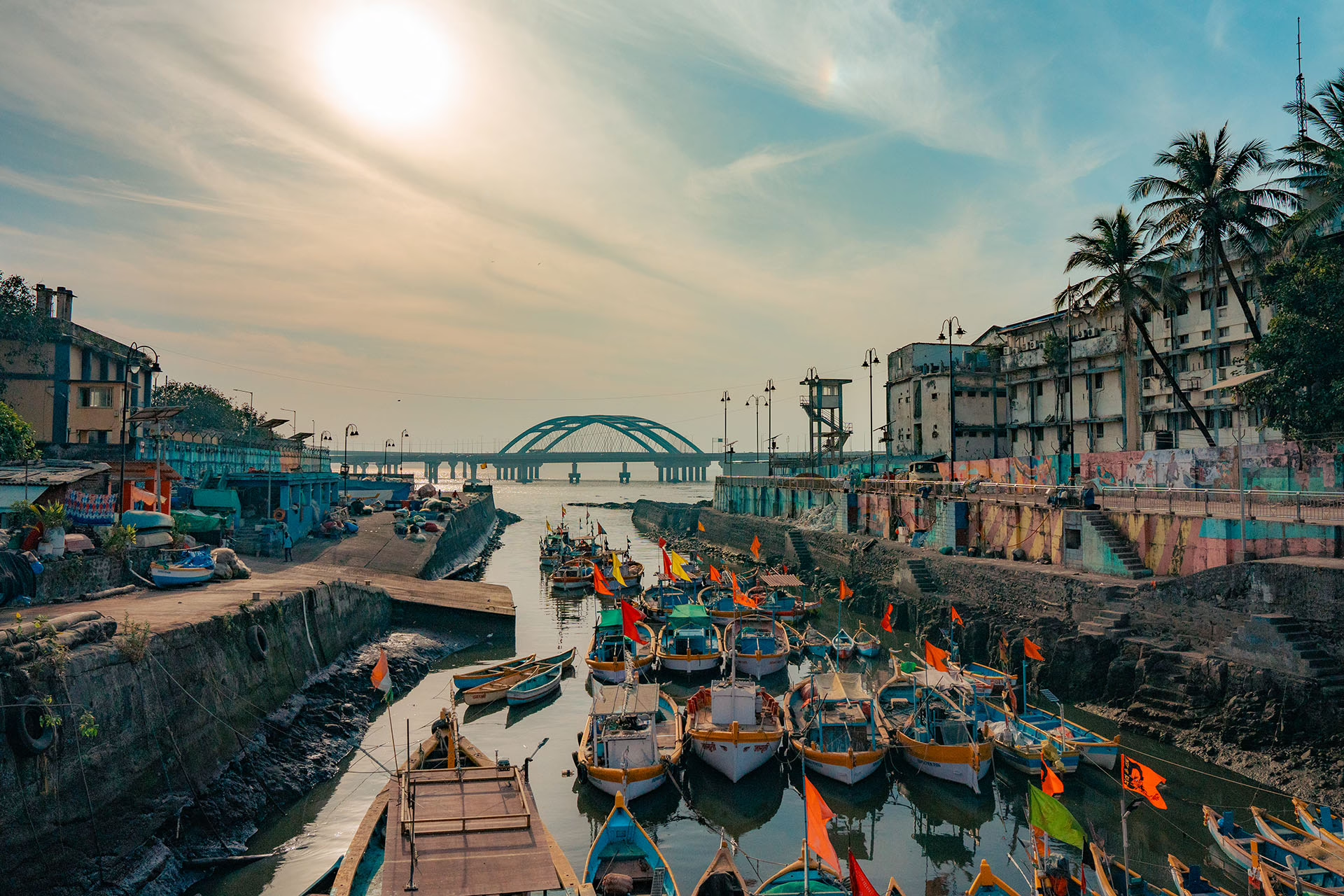
I begin my journey at the historic Worli Koliwada, one of Mumbai’s oldest fishing villages and home to the Koli fishing community for over 800 years. Its narrow lanes feature pastel homes and magnificent murals. At the waterfront, a fleet of brightly coloured fishing boats stands in stark contrast to the sleek silhouette of the Bandra-Worli Sea Link, a beautiful reminder of how old Mumbai continues to coexist with the new.
Outside the homes, rows of fish dry under the morning sun, while the aroma of fried prawns and spicy crab masala drifts from kitchens inside. “The sea is deeply embedded in Koli life, food and culture,” says Mumbai-based cookbook author Abigail Rebello. “And the best way to experience this is in these home kitchens or at Mumbai’s annual seafood festivals, where food and community come together in the most vibrant way.”
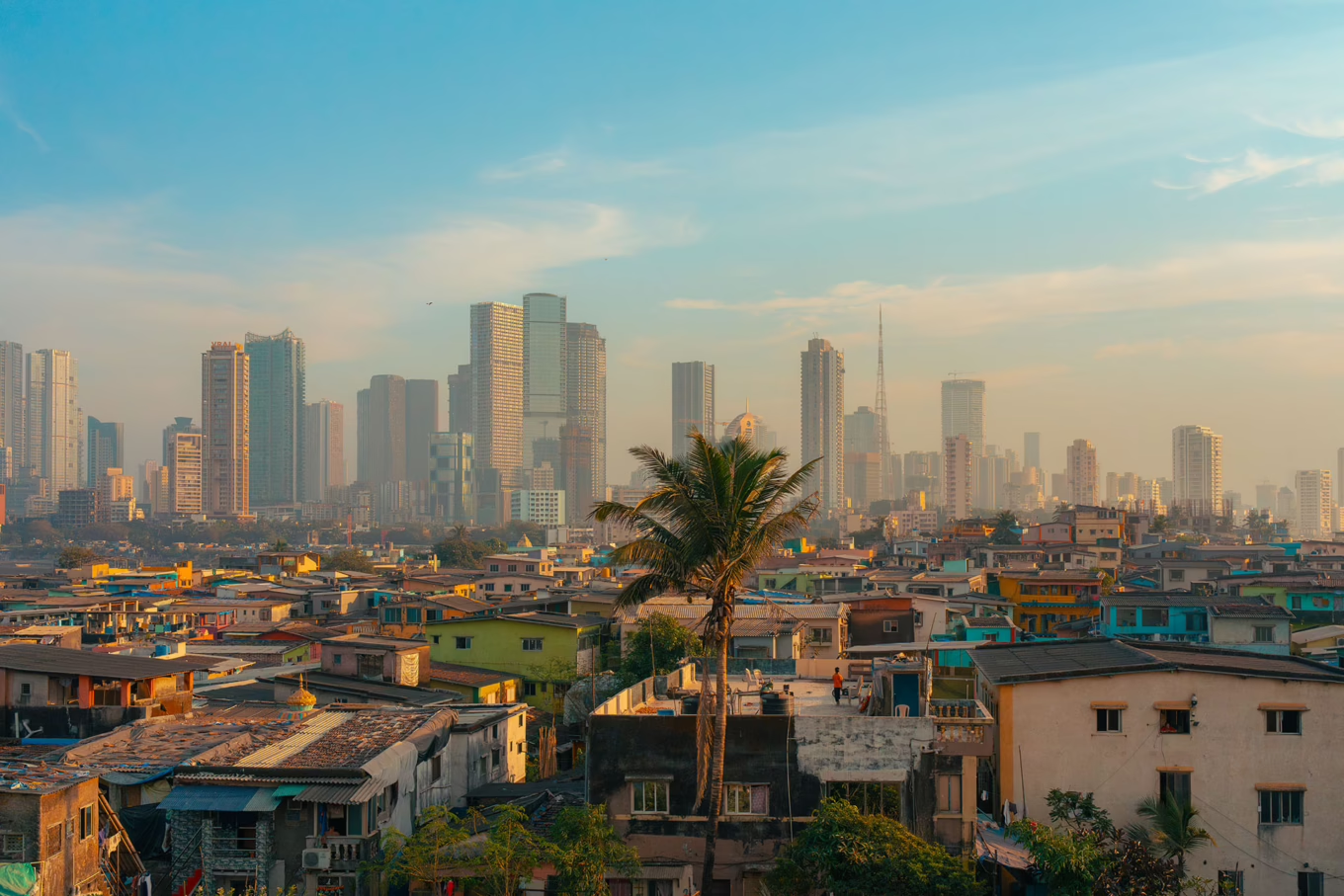
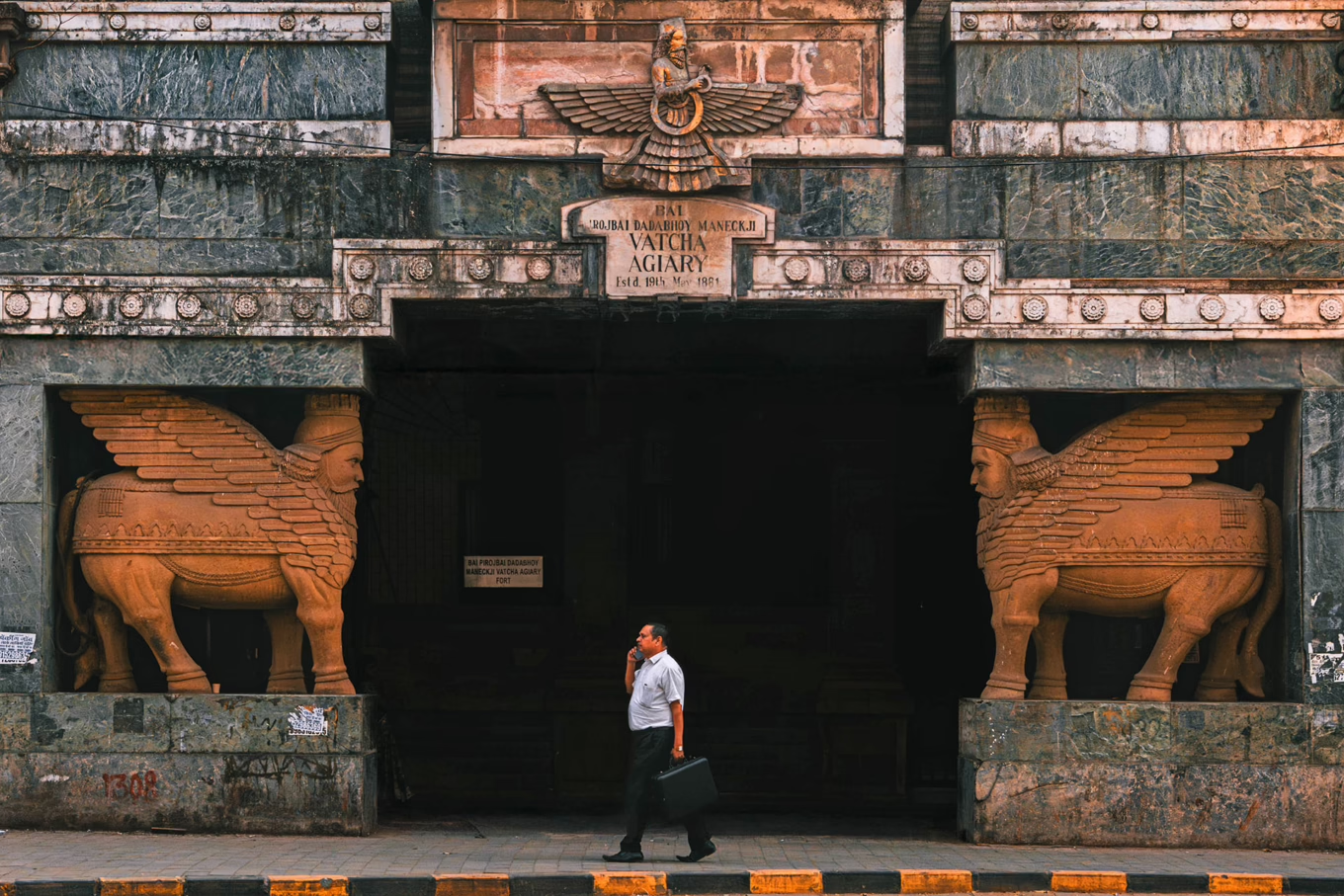
From the fishing village, I head south to leaf through another chapter in Mumbai’s story of arrivals. In tranquil Parsi colonies, centuries-old temples and nostalgic cafés, I trace the journeys of Zoroastrians who sought refuge in India over a millennium ago and of later Iranian migrants who brought with them the tradition of the Persian coffeehouse. These establishments, known as Irani cafés, have become an integral part of Mumbai’s social fabric.
The most iconic among them is the 120-year-old Kyani & Co. Regulars linger here over hot cups of sweet Irani chai and the café’s signature bun maska, a soft, warm, buttery bread served on chequered tablecloths set against Bentwood chairs and vintage glass display cabinets that almost transport me back in time.
The city takes shape
My next stop is Khotachiwadi, a quaint colonial neighbourhood in Girgaon, where the legacy of the Portuguese, Mumbai’s earliest European settlers, lives on in colourful cottages featuring ornate wrought-iron balconies, sloping tiled roofs and shuttered windows.
The Portuguese, however, left behind more than just colonial architecture. Their proselytising efforts gave birth to the East Indian community, one of India’s oldest Christian groups, whose culture is a beautiful blend of Maharashtrian roots and Portuguese traditions. “We carry over five centuries of Portuguese influence in everything from our surnames and spice blends to our homemade wines and chocolate marzipan eggs,” says Rebello, an East Indian herself.
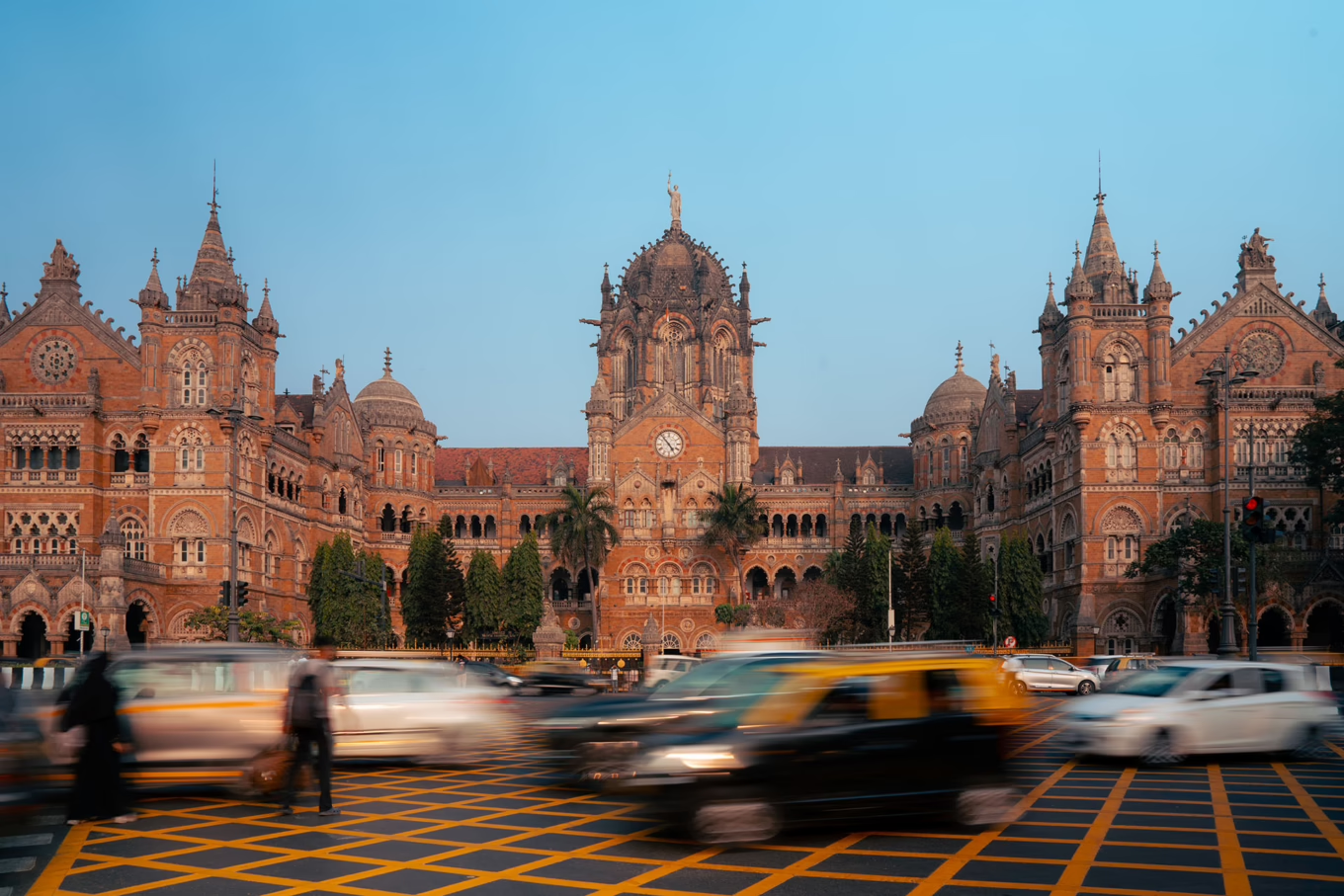
Another short drive brings me to the Fort district of South Mumbai, where the city changes again with monumental Indo-Saracenic masterpieces, a fusion of Indo-Islamic and Victorian-Gothic architectural styles. Standing before the magnificent Chhatrapati Shivaji Maharaj Terminus, the historic General Post Office and the imposing University of Mumbai, I am awestruck by the elegant pairing of bulbous domes and scalloped arches with soaring turrets and stained-glass windows.
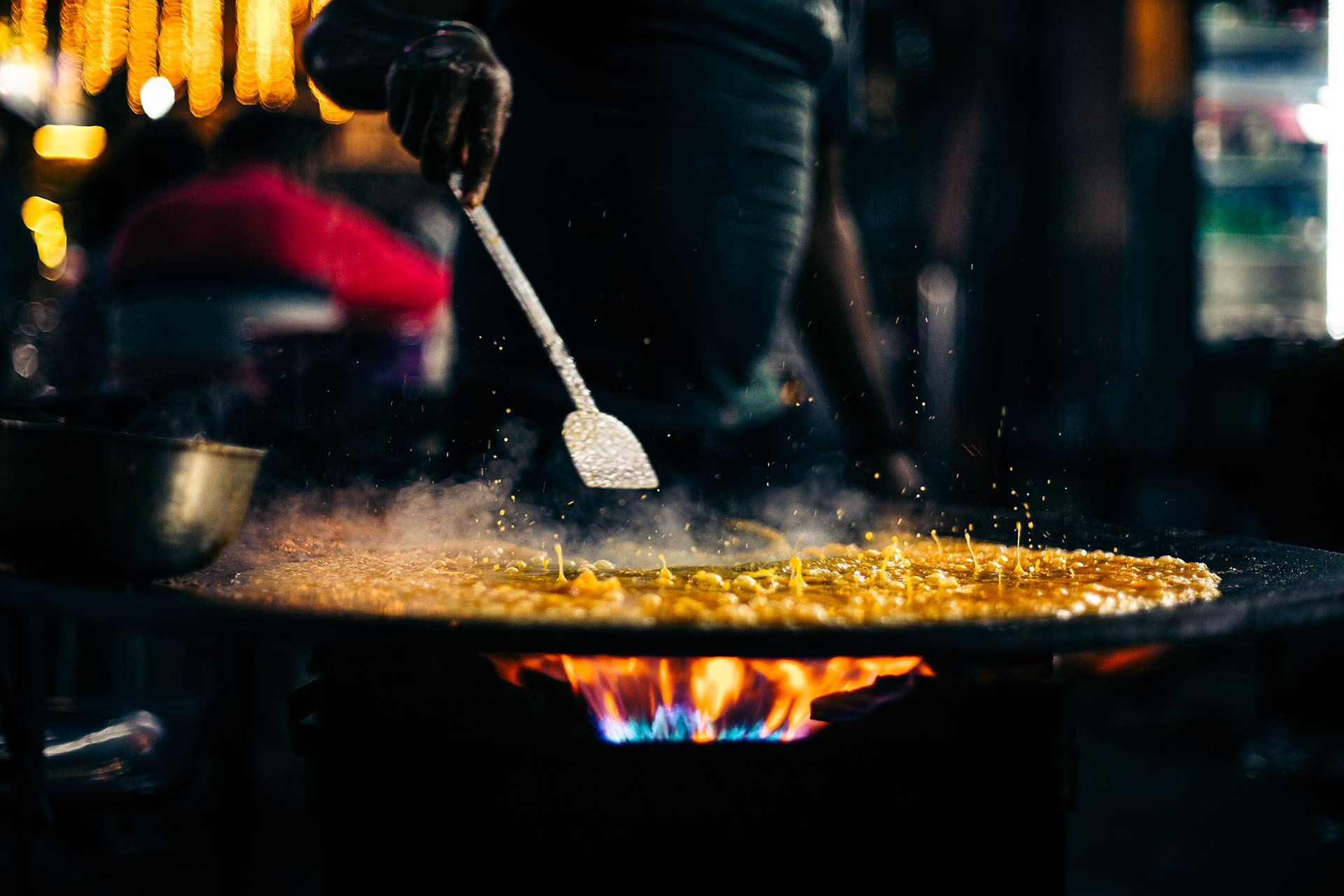
Outside these grand edifices, the streets pulse with officegoers sipping tiny glasses of special Bombay “cutting” chai and family-run Gujarati restaurants serving elaborate vegetarian thalis laden with fragrant curries, snacks, pickles and fresh rotis.
The narrow lanes of Bohri Mohalla whisper yet another story. Here, the aromas of slow-cooked mutton nalli nihari, smoky seekh kebabs and crispy keema samosas waft from hole-in-the-wall eateries, showcasing the culinary traditions of the Dawoodi Bohra merchant community, which has long called Mumbai home.
The city that never stops arriving
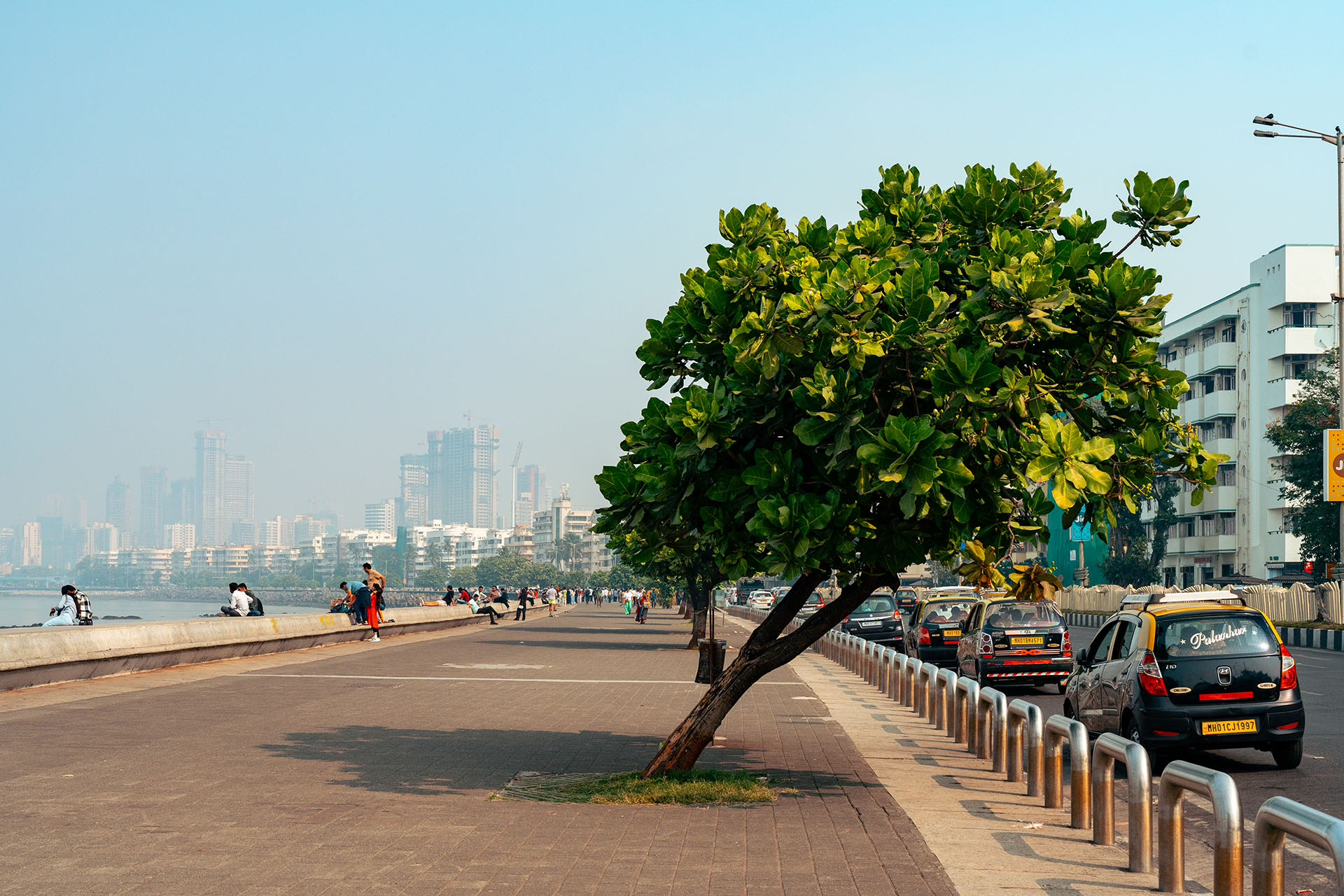
As the sun dips below the horizon, I make my way to Marine Drive, Mumbai’s iconic 3.6km-long seaside promenade that’s home to one of the world’s largest collections of Art Deco buildings. Built in the early 20th century, these elegant residences with sweeping balconies, porthole windows and ziggurat rooflines became the architectural language of a city embracing modernity, progress and reinvention.
That spirit defines Mumbai even today. And nowhere is this more evident than in Bollywood, the Hindi film industry that has earned Mumbai the sobriquet of India’s City of Dreams. Every year, thousands of aspiring actors, writers, musicians and entrepreneurs arrive here with little more than ambition. Some leave, others stay, but each adds another layer to the city’s ever-evolving identity.
“Mumbai has an incredible ability to accept people for who they are. That makes strangers fall in love with the city,” says travel content creator Divyakshi Gupta, whose family moved to Mumbai in 1981. “It’s a city that lets you be yourself and pursue your dreams, no matter how big they seem.”
This openness is also transforming Mumbai’s culinary landscape. “Restaurants are unearthing forgotten recipes and reinventing them with contemporary techniques and novel storytelling,” says Gupta.
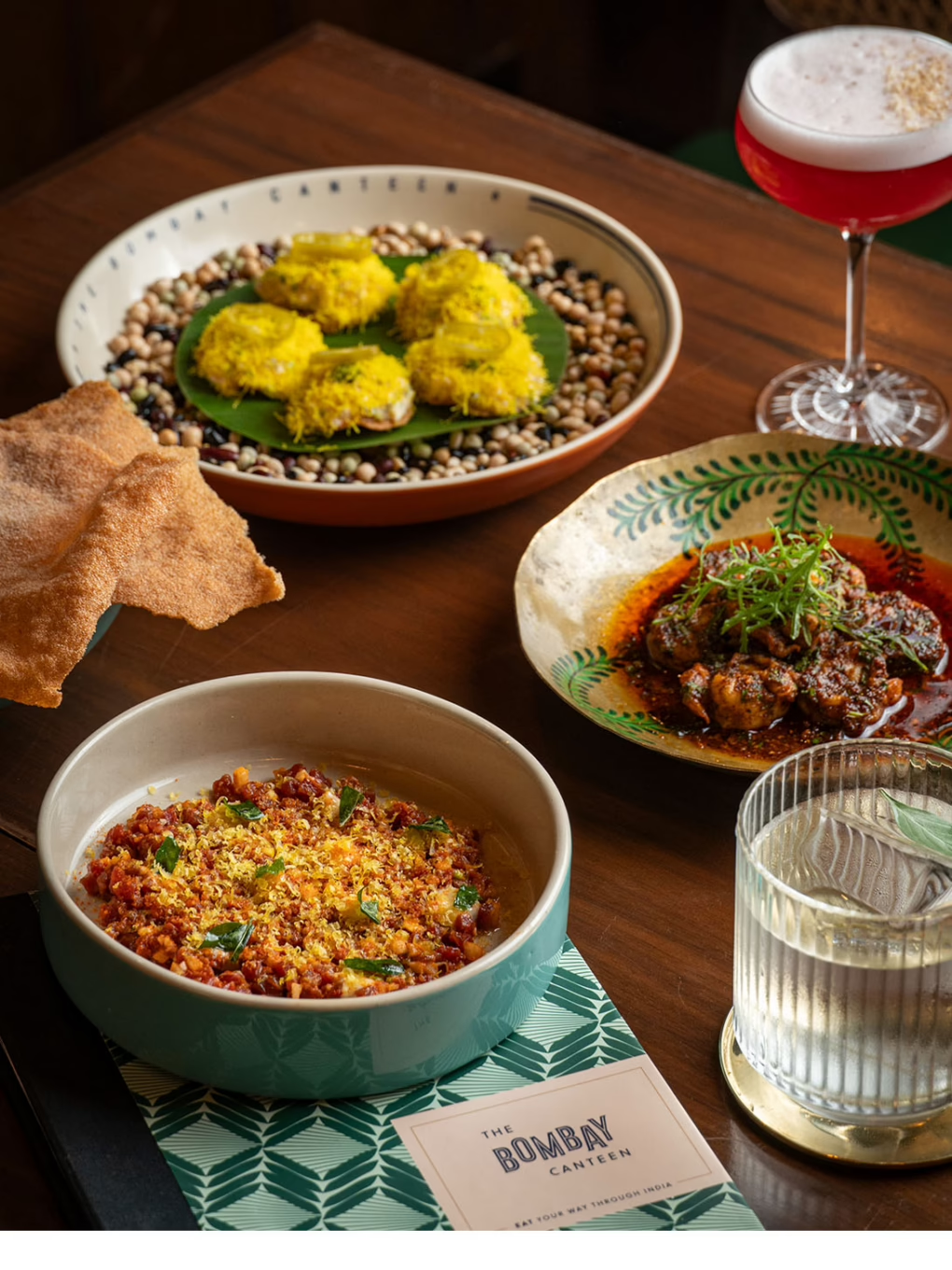
At The Bombay Canteen, housed in a restored old bungalow in the Lower Parel neighbourhood, I experience how chefs apply this philosophy. From butter-garlic crab kulchas and prawns “Ali-Yolio” to coffee rasgulla sundaes, the food is unmistakably modern yet deeply rooted in Mumbai’s past, inspired by the flavours of its many communities.
Back on the city’s busy streets, I am reminded of all the people who have arrived in Mumbai over the centuries. Today’s chefs, entrepreneurs and actors are simply the latest. And like the Koli fishermen, Parsi refugees and Gujarati traders before them, they are adding another layer to a city that has never stopped reinventing itself. Perhaps that is Mumbai’s greatest gift: no matter where you come from, there is always room for you to stay and become part of its story.
Where to stay
 The Taj Mahal Palace
Welcoming guests since 1903, The Taj remains one of Mumbai’s most iconic landmarks, blending Indo-Saracenic, Moorish and Rajput architecture with impeccable service and Arabian Sea-view suites for guests. tajhotels.com
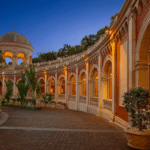 ITC Grand Central
This Luxury Collection hotel wears Mumbai’s colonial-era architecture well, with sumptuous rooms that feel timeless and restaurants that celebrate the city’s deep culinary heritage. itchotels.com
 Abode Bombay
This 25-key boutique hotel is set within a beautifully restored 115-year-old heritage building in Colaba. Anti-chain and stylish, it features vintage furniture, handmade Art Deco tile flooring and original artwork by local artists. abodeboutiquehotels.com