
Some cities keep their history at arm’s length. London builds with it. These four architectural landmarks have each been reinvented for a new era, and in doing so, have only grown more essential to the story of the city
Walking around London is a form of time travel, with the past, present and future merging right on the street. Look in any direction and you’ll find traces of nearly every chapter of the city’s incredible story.
Victorian townhouses that look straight out of a Charles Dickens novel. Old industrial buildings left over from when the Thames was once a busy port. In Mayfair, Art Deco hotels from the 1920s, built just as London was becoming a truly cosmopolitan capital. Brutalist structures showcasing post-war reconstruction. And finally, gleaming skyscrapers that cement London’s status as a financial hub.
That’s the beauty of walking this city: the buildings do most of the talking, through Portland stone, red brick, glass and steel. Over the past few years, several of London’s most storied addresses have been given a second life, not just restored but reimagined, and in the process, they’ve breathed new energy into the neighbourhoods around them. Here are four landmark buildings worth exploring.
Olympia
A historic exhibition hall reimagined into a creative and cultural district
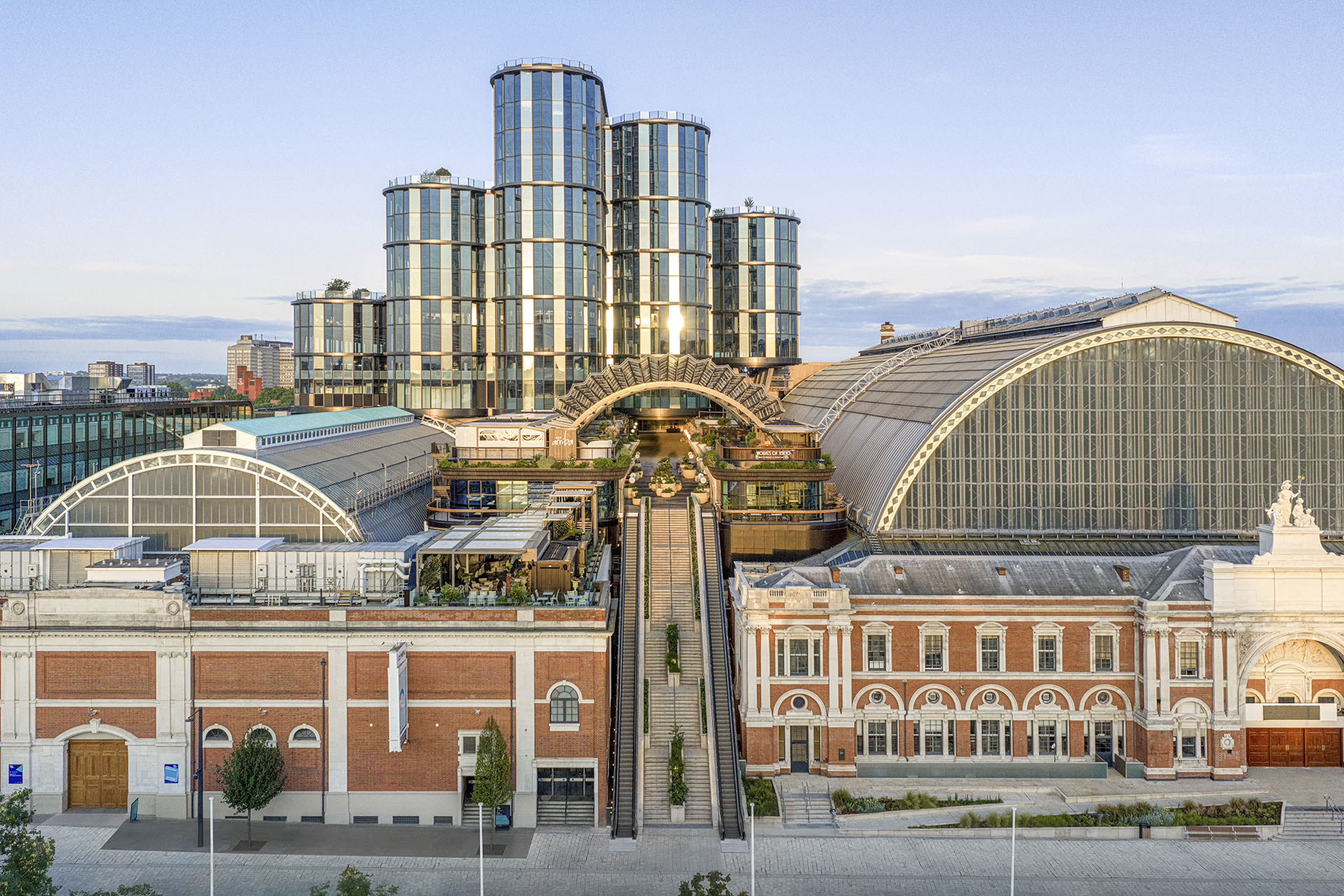
Anyone who has been to Olympia probably has a story to tell: an epic concert or an exhibition they never forgot. Opened in 1886, it’s been one of London’s foremost creative stages for the last 140 years. Vivienne Westwood staged her runway debut in these Victorian halls in 1981. Jimi Hendrix played here. So did Pink Floyd.
Now Olympia wants to do more than host creativity, it wants to cultivate it. Yoo Capital and Deutsche Finance International are behind the £1.3 billion redevelopment turning the 14-acre site into a proper mixed-use district, due to fully open by the end of 2026. There’s plenty to look forward to: London’s first new theatre in nearly 50 years, a 4,000-capacity live music venue, a collection of bars and restaurants, workspaces, education space and everything in between. In the coming months, it will feature a five-night residency by Van Morrison in September, two large conventions – Animecon and Decorex – in October, and the much-awaited Ideal Home Show Christmas at the end of November.
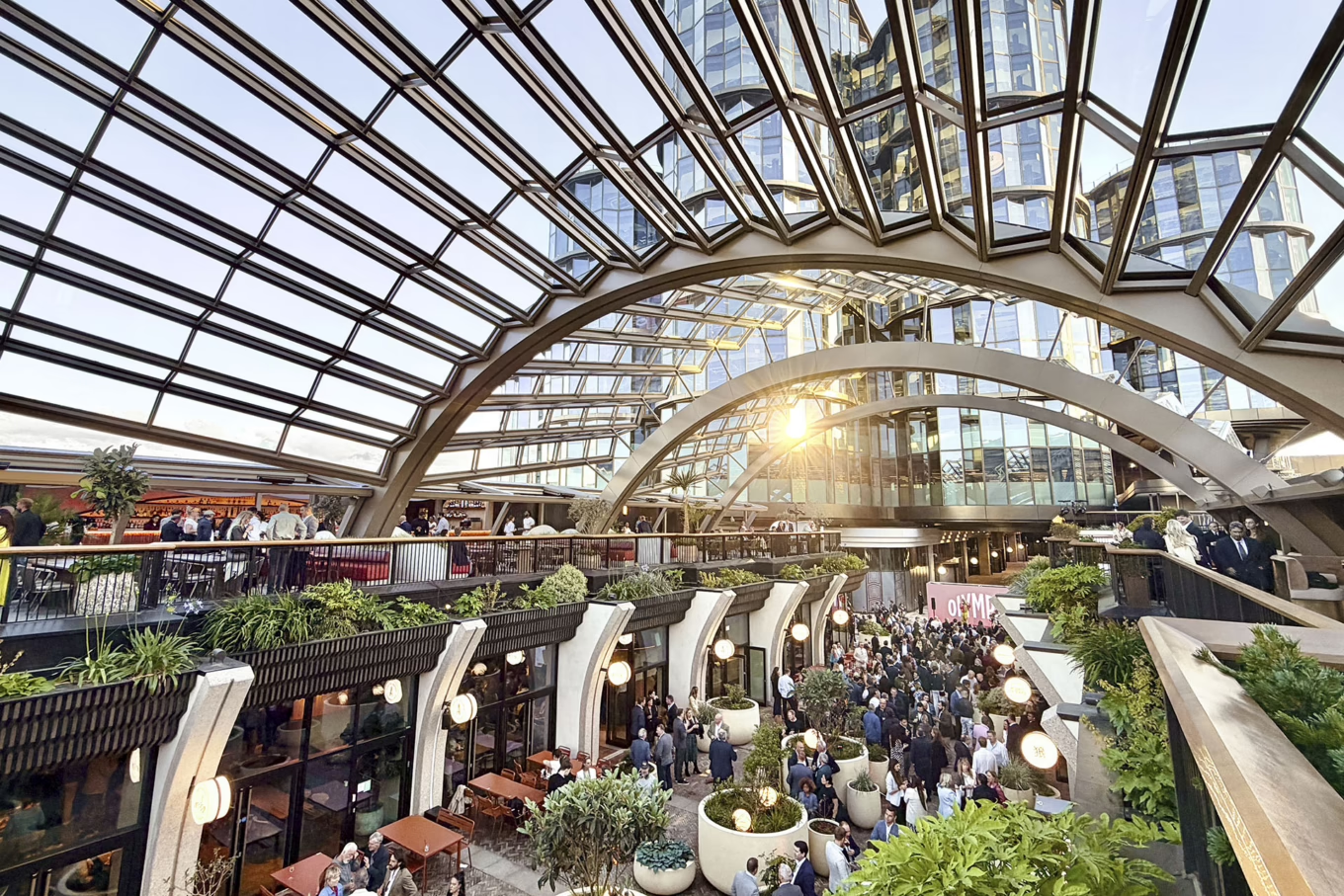
With most of us glued to our phones these days, Olympia is betting that’s exactly why in-person experiences matter more than ever. A live concert with friends. An interactive exhibition with family. Face-to-face conversations.
Olympia may sit in West Kensington, but it doesn’t think small. It sees itself as a global stage for talent and creativity, one that is open for everyone in the world to enjoy.
The Whiteley London
The city’s first luxury department store with a new lease of life
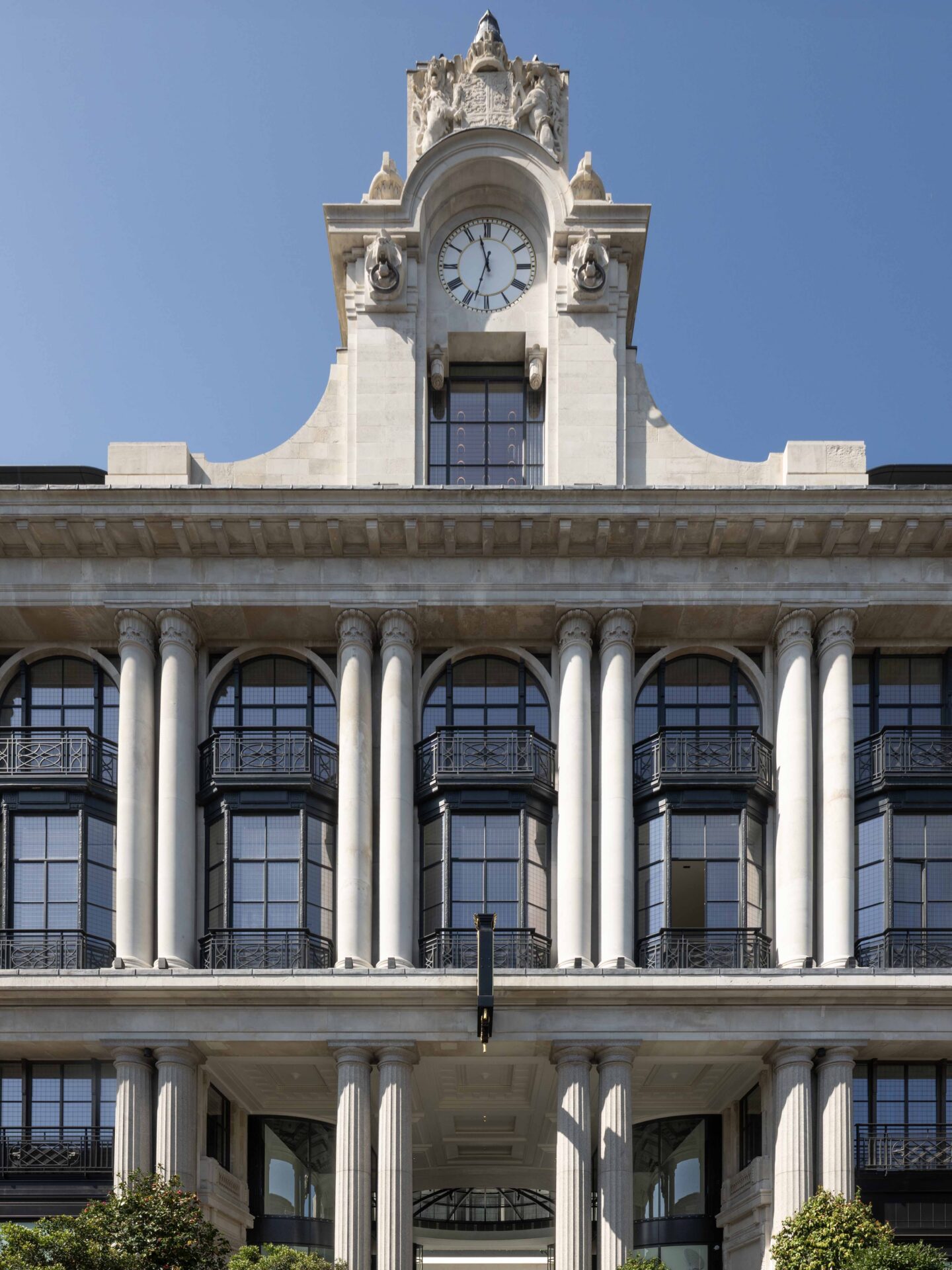
Shopping may be a matter of swiping nowadays, but rewind to the early 1900s, when everything happened within a physical store. Back then, the place to be seen was The Whiteley, London’s first-ever luxury department store, which opened its doors in 1911 and paved the way for the likes of Harrods, Selfridges and Liberty, all still going strong today.
Walking through its doors was meant to be inspiring, and that ambition shows in the grand Edwardian architecture and Art Deco detailing. Now the building has been reimagined by Valouran, a £1.2 billion transformation eight years in the making that preserves its history while breathing new life into the somewhat overlooked Bayswater neighbourhood.
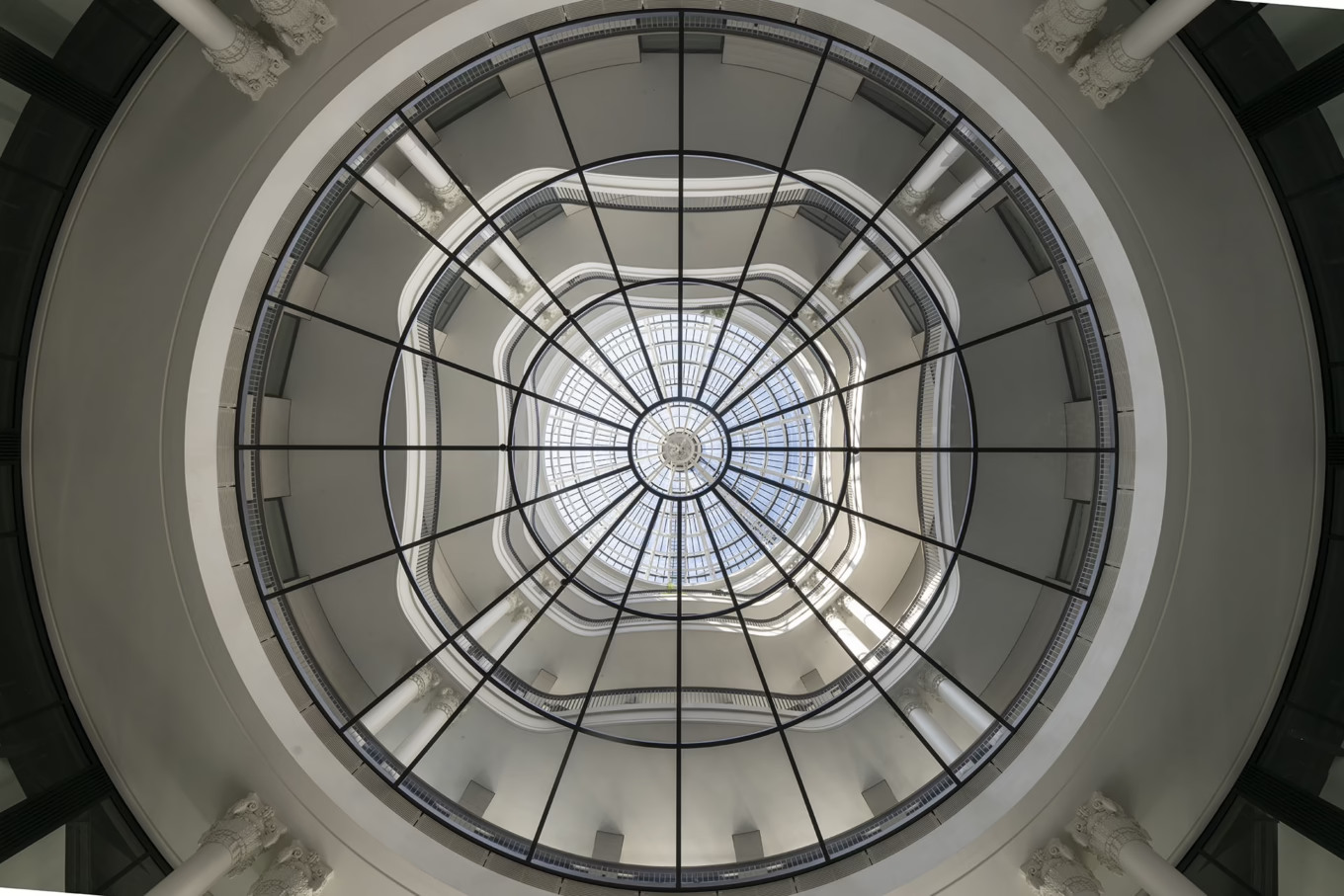
Award-winning firm Foster + Partners took on the job of retaining the building’s character, restoring the Grade II-listed façade, the original glass dome and clock tower, and relocating the grand staircase. Since reopening this year, the building hums with activity once again, with lifestyle outlets like Everyman Cinema, 3812 Gallery, Guillam Coffee House, along with 60,000sq ft of amenities including a padel court.
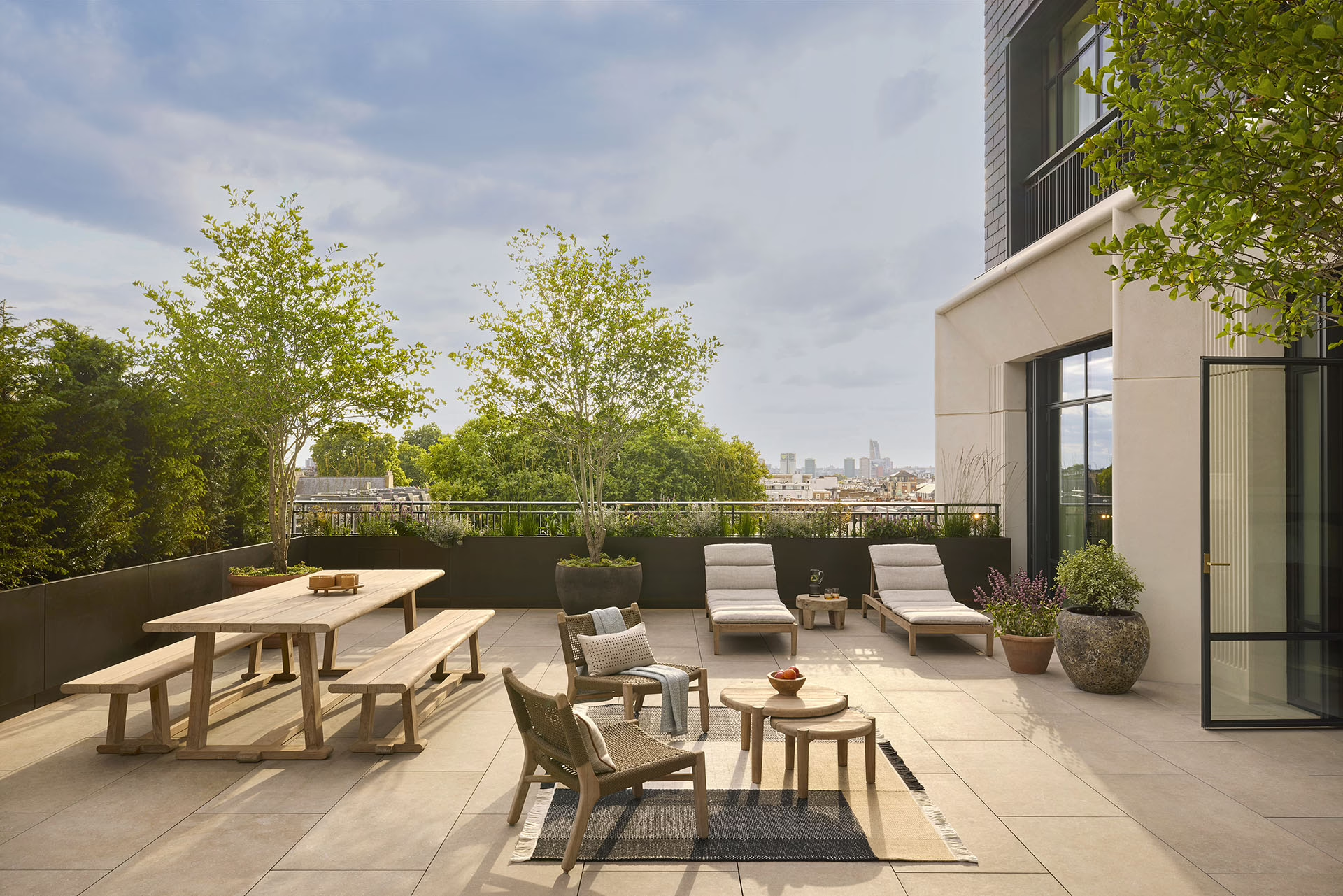
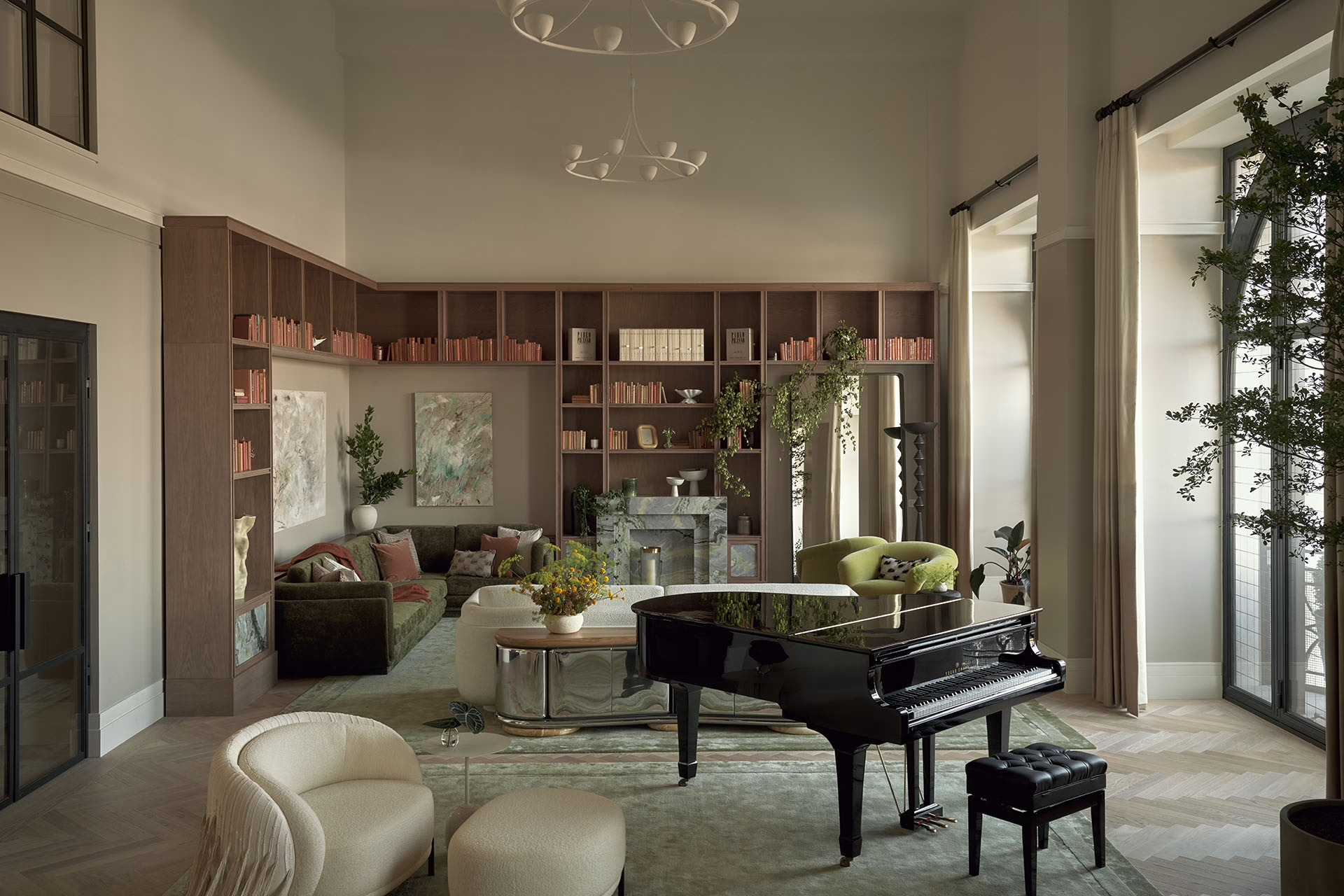
The Whiteley is also home to the UK’s first Six Senses hotel, and the luxury hospitality brand picked this address to introduce Six Senses Place, a wellness-driven private members club. Perhaps the most compelling additions, though, are the 139 residences built into the scheme, offering a rare chance to live in a place with so much history behind it.
Battersea Power Station
An industrial landmark turned dynamic lifestyle destination
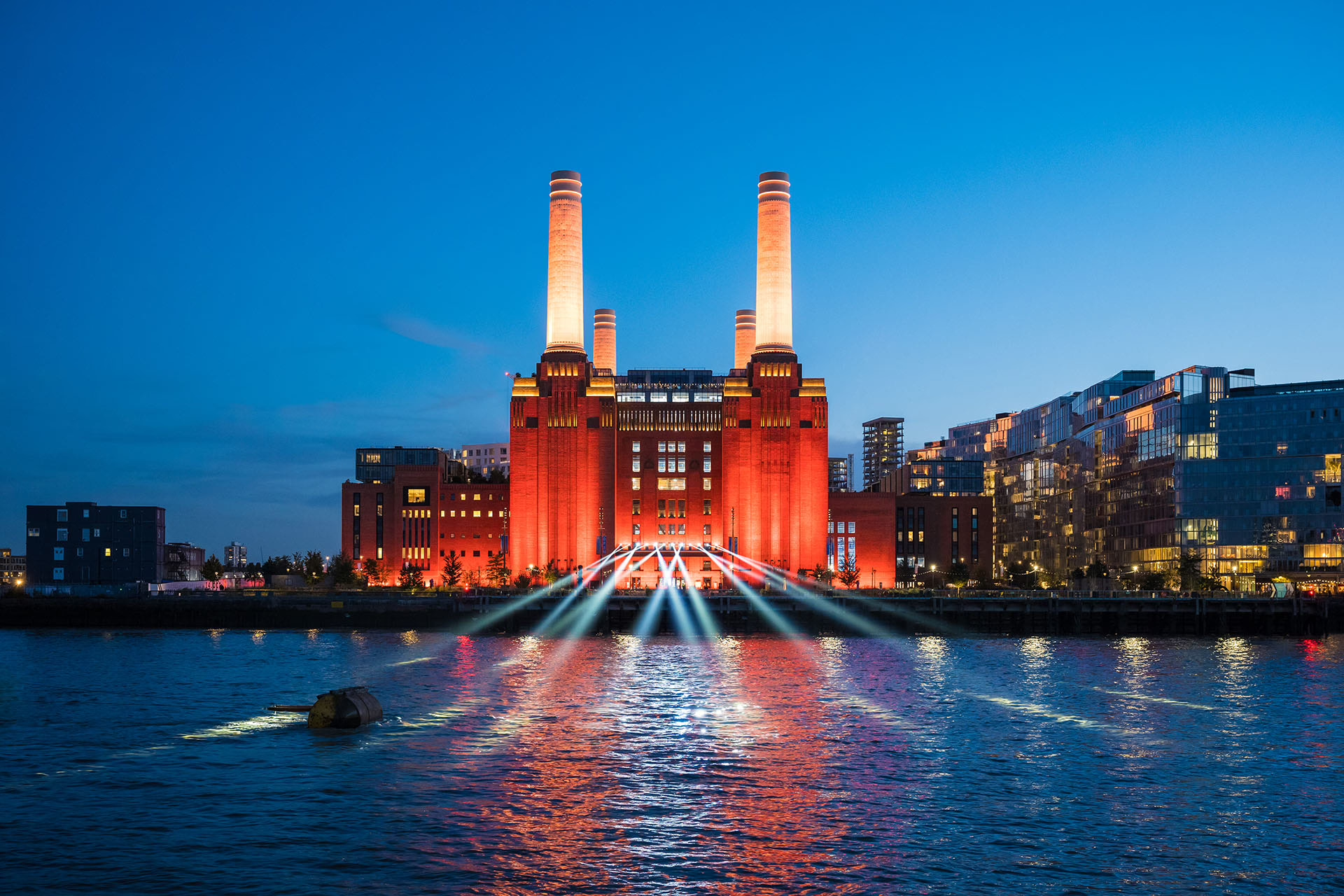
For decades, Battersea Power Station stood empty on the banks of the Thames, a monument to Britain’s industrial past. At its peak, it generated a fifth of London’s electricity, powering everything from Buckingham Palace to the Houses of Parliament. Its imposing brick structure and four chimneys have loomed over the skyline for so long they’ve become part of the city’s imagination, immortalised on Pink Floyd’s Animals album cover and in countless films and television shows.
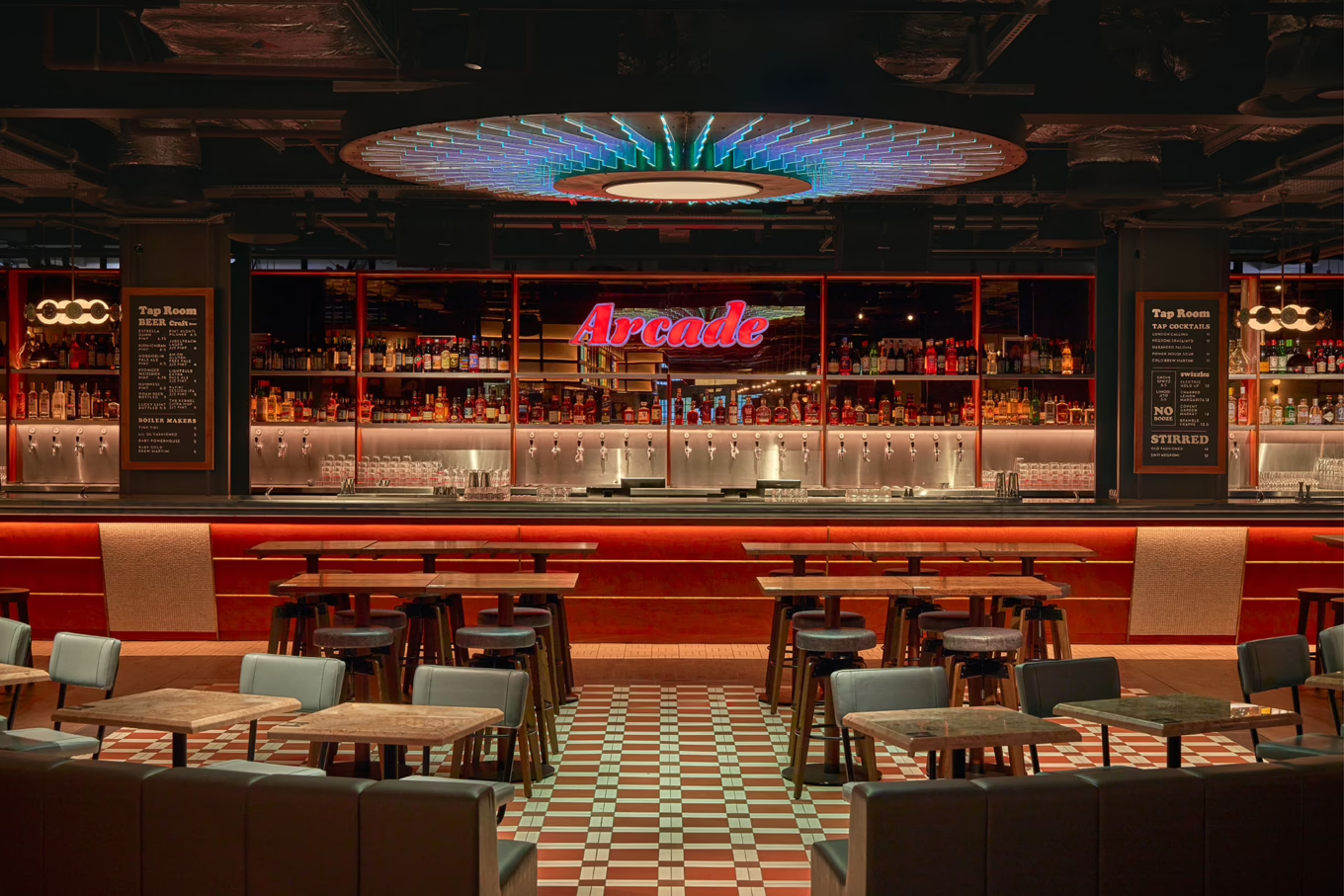
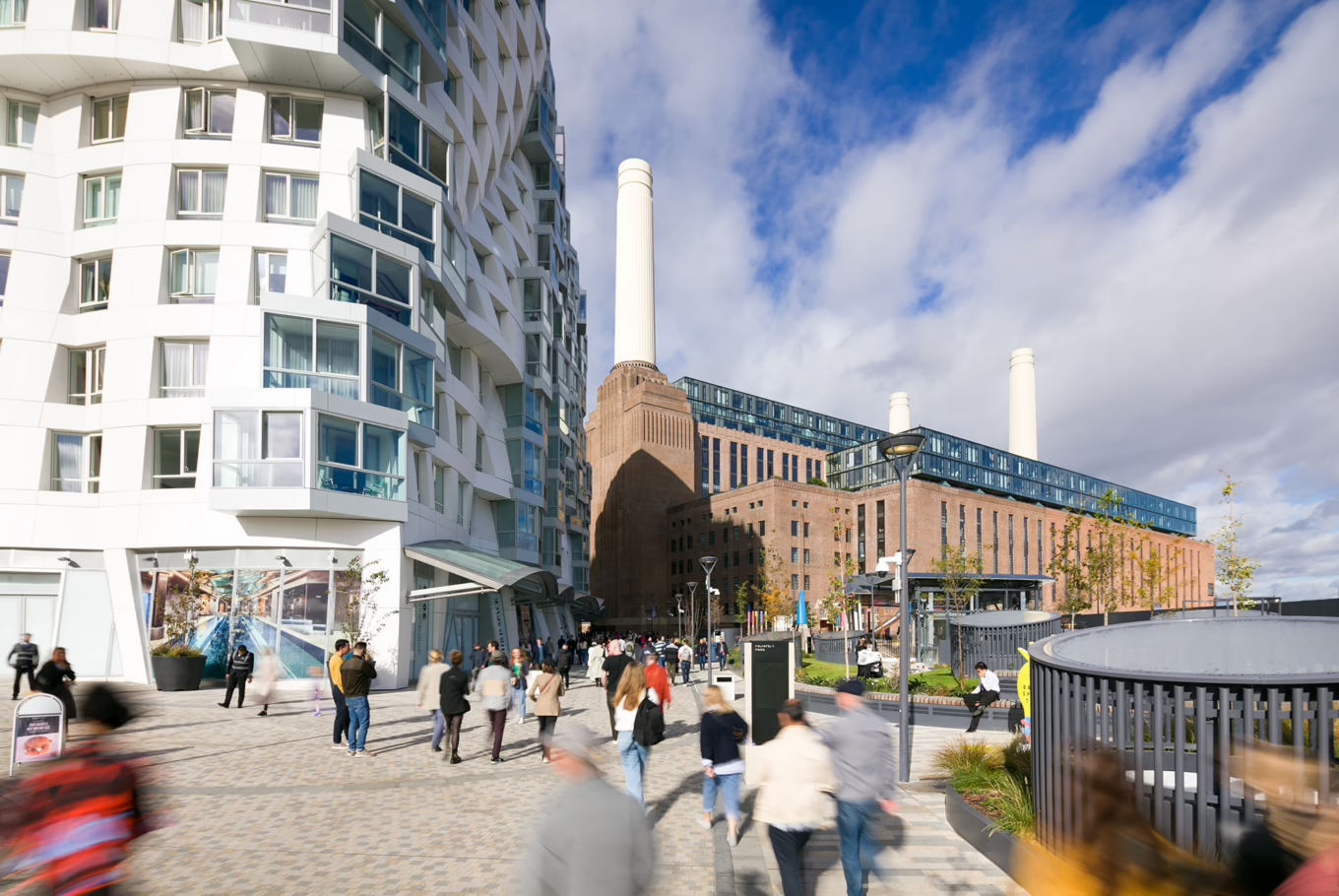
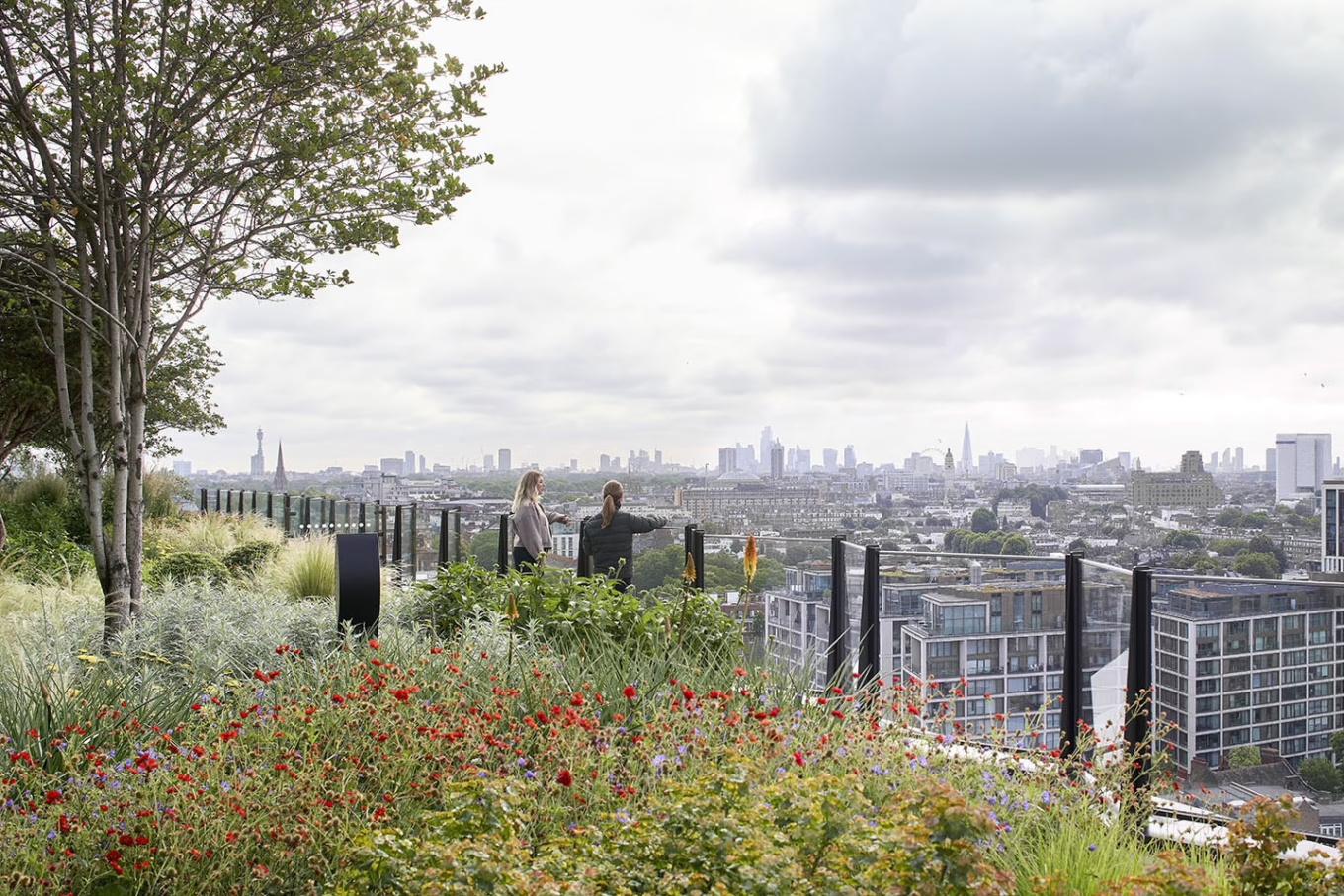
The Grade II-listed structure has been reborn as the centrepiece of one of Europe’s largest regeneration projects, finally opening its doors in 2022. Following a £9 billion investment, the 42-acre riverside district now features a range of residences (some built within the chimneys themselves), offices, including Apple’s UK headquarters, as well as 170 shops, bars and restaurants, creating an entirely new neighbourhood around it.
It’s a huge redevelopment, but what really sets it apart is how seriously it takes its heritage. The power station itself remains the anchor, its original turbine halls and control rooms painstakingly restored, so that the over 40 million visitors who’ve come through since it opened can actually experience a piece of that industrial past.
Community matters here too. The lifestyle destination hosts Celebrasia, London’s largest Southeast Asian, free-to-attend festival, happening 11–13 September, along with a Christmas at Battersea tradition that draws people across the river every year.
What’s next for Battersea? There’s still over half the site waiting to be developed, so its story isn’t finished yet.
Ladbroke Hall
A Beaux-Arts manufacturing hub reborn as a stage for the arts
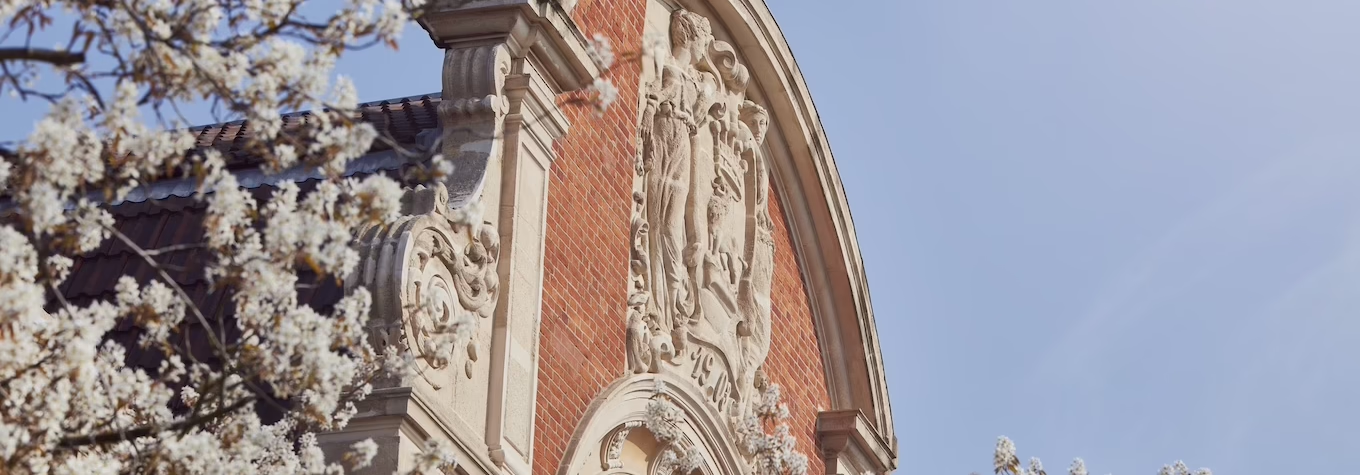
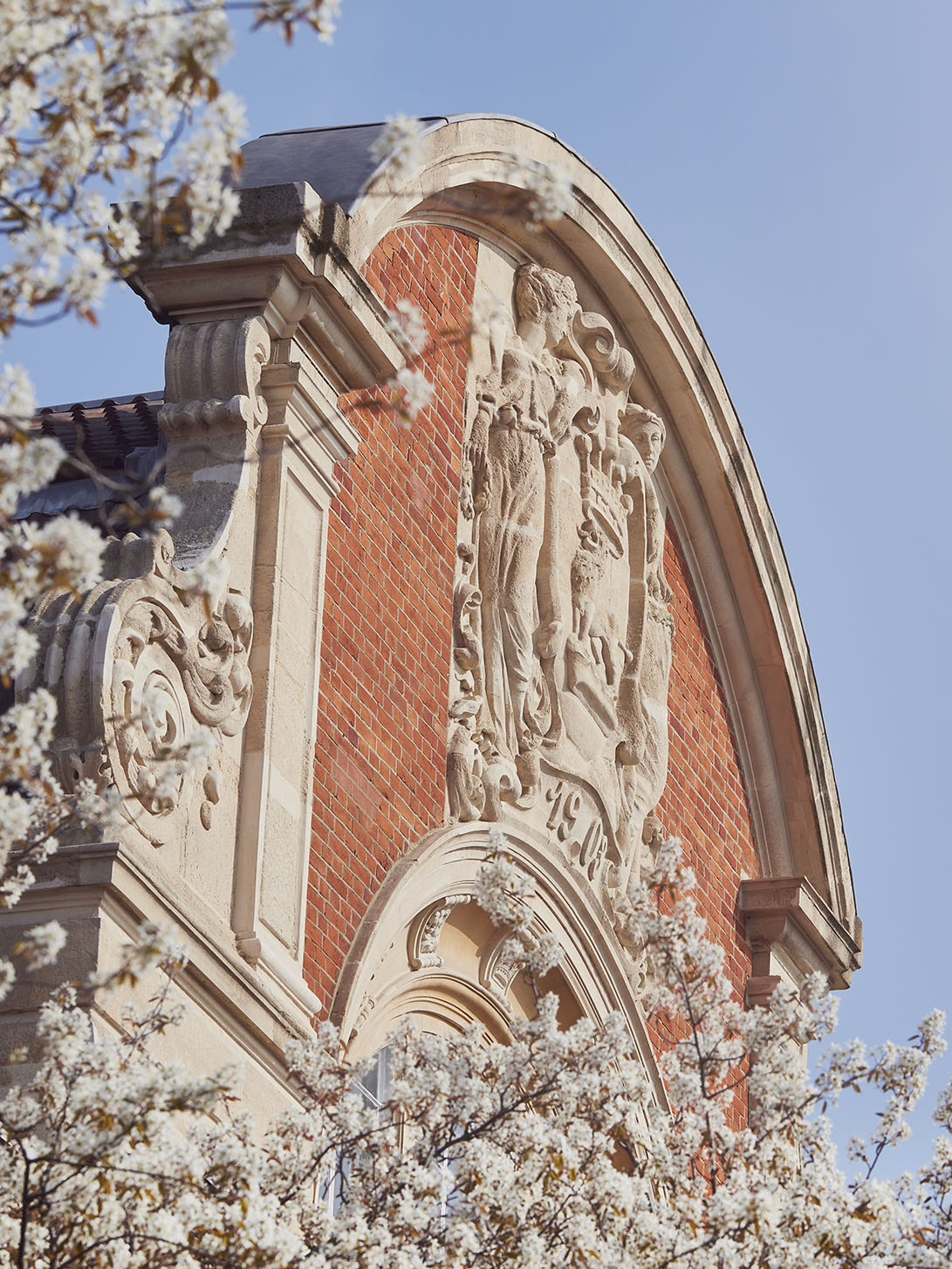
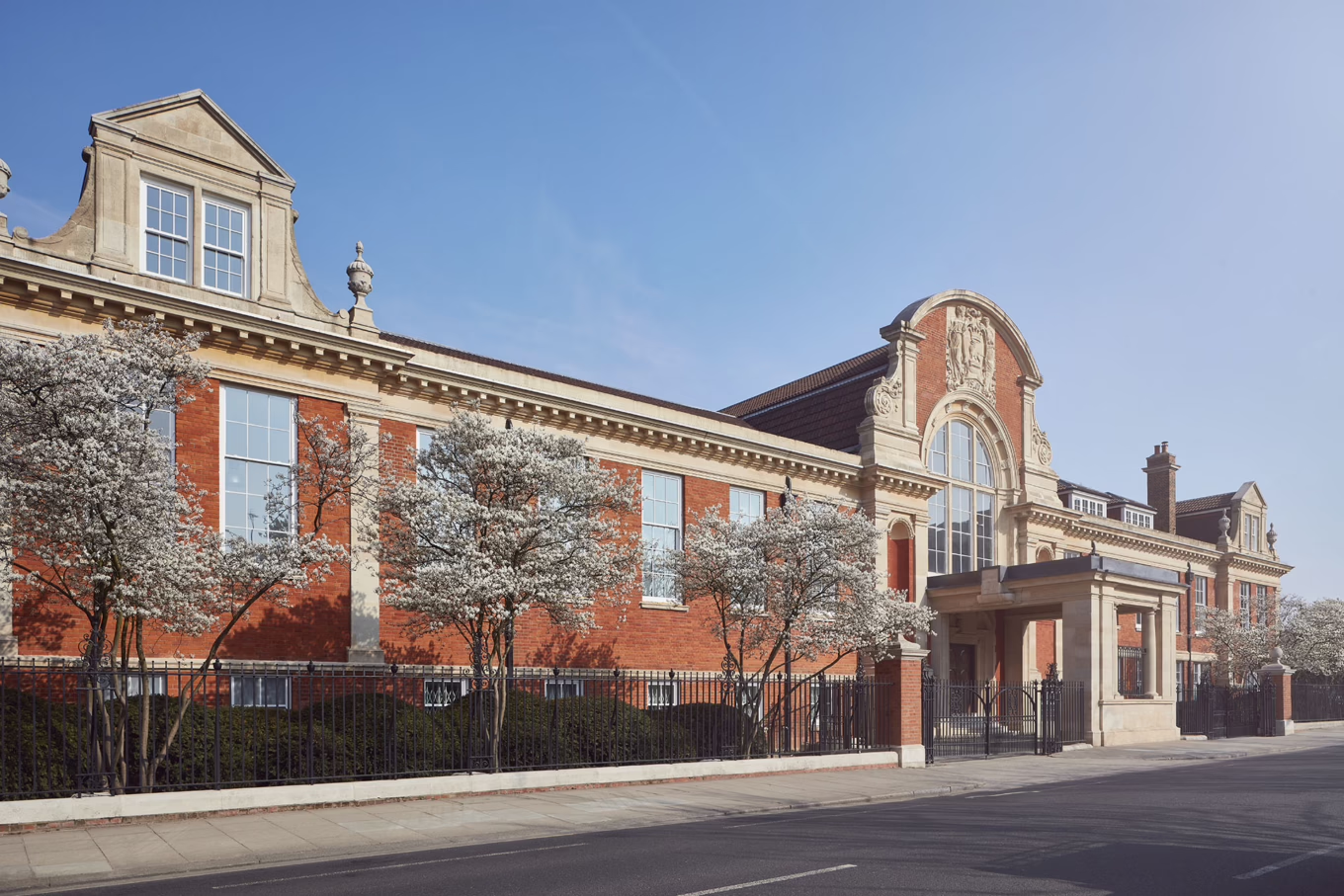
Ladbroke Hall was built in 1903 as the headquarters and showroom of the Clément-Talbot Motor Company. Commissioned by Charles Chetwynd-Talbot, the 20th Earl of Shrewsbury, the Grade II-listed, Beaux-Arts landmark was designed to look more like an English country house than a factory, though it certainly functioned as one when it turned out military vehicles during the First World War.
More than a century later, it’s making things again, just not cars. Restored by Loïc Le Gaillard and Julien Lombrail, the founders of Carpenters Workshop Gallery, they turned it into something Notting Hill didn’t quite have before: a single address where art, design, music, performance and food all happen under one roof.
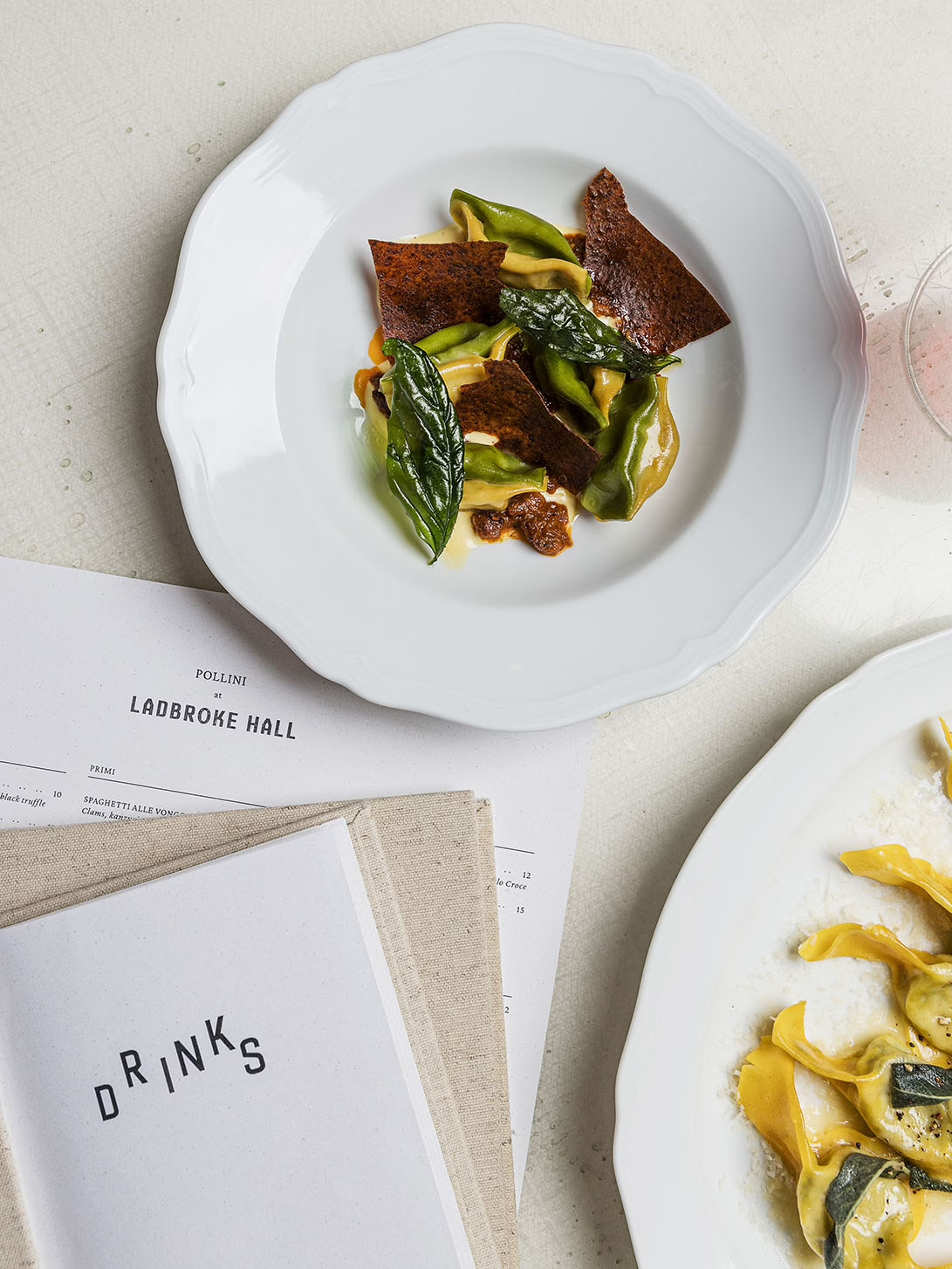
They call it a “stage for the arts”, and they mean it literally. On any given day, visitors can find museum-quality collectible design, art and sculpture on show at Carpenters Workshop Gallery. Ladbroke Hall also hosts Friday jazz nights, while poetry and live music take place at Pollini, the Italian restaurant housed under the building’s soaring ceilings.
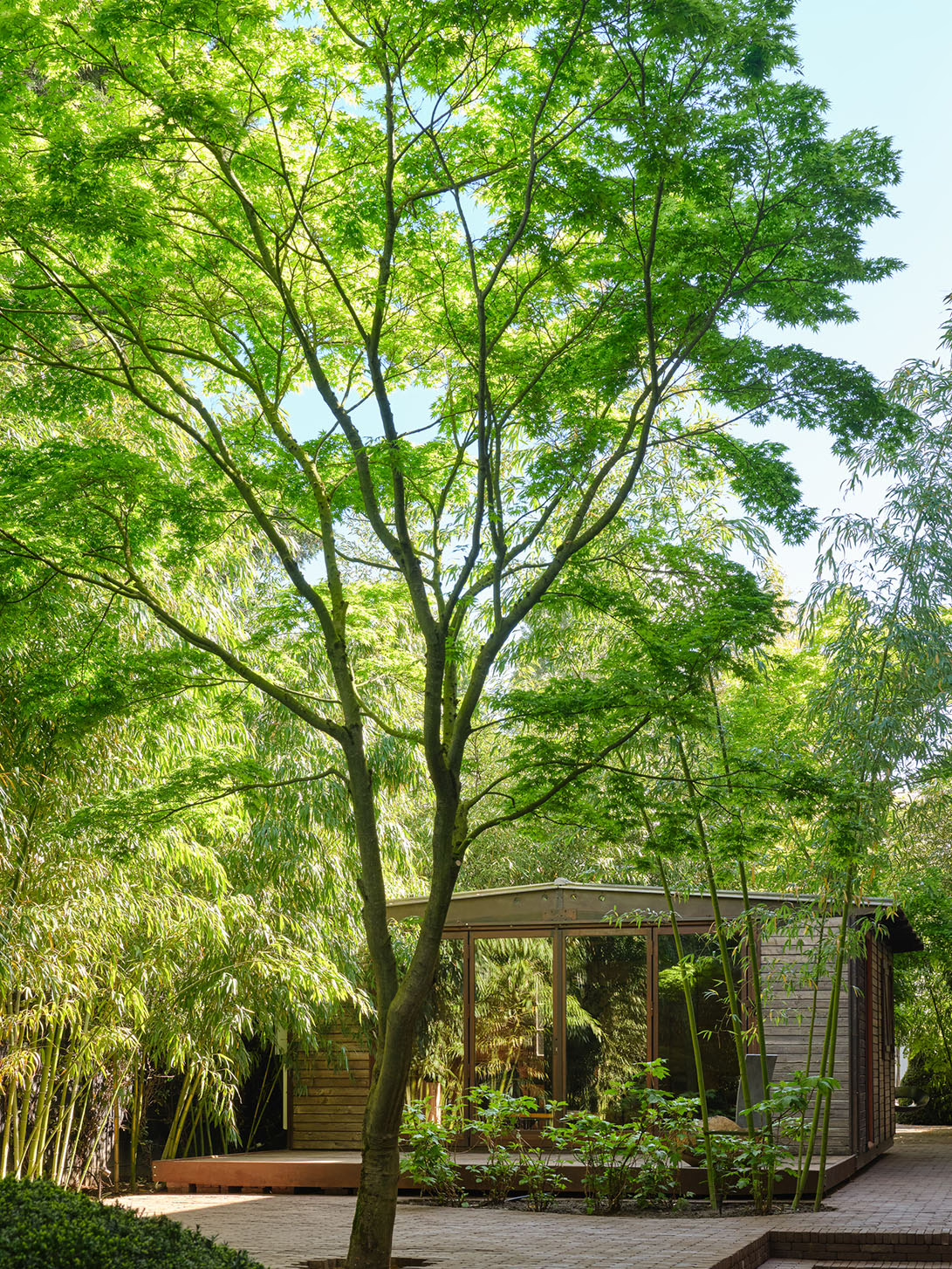
The garden, designed by RHS Chelsea Flower Show winner Luciano Giubbilei and home to the 1944 Prouvé House, is open to guests during spring and summer.
Second life
Meet the hotels reviving London’s most historic structures
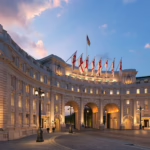 Waldorf Astoria London Admiralty Arch
Admiralty Arch has framed the ceremonial approach to Buckingham Palace for over a century. Now, the Grade I-listed monument, commissioned by King Edward VII, has been turned into the Waldorf Astoria London Admiralty Arch: a 114-room hotel with restaurants by Clare Smyth and Daniel Boulud. hilton.com
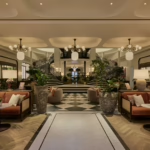 Six Senses London
Set inside The Whiteley, this is Six Senses’ first UK hotel, offering a rare look inside the Edwardian landmark. EPR Architects and Foster + Partners led the restoration, while AvroKo revived its Art Deco interiors. It also features Six Senses Place, built around wellness and connection. sixsenses.com
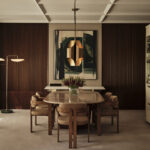 The Chancery Rosewood
Eero Saarinen designed this 1960 building as the US Embassy. Now, David Chipperfield Architects has turned the Grade II-listed, Modernist landmark in Grosvenor Square into The Chancery Rosewood. Joseph Dirand designed the 144 guestrooms and suites as sleek, calming cocoons. rosewoodhotels.com